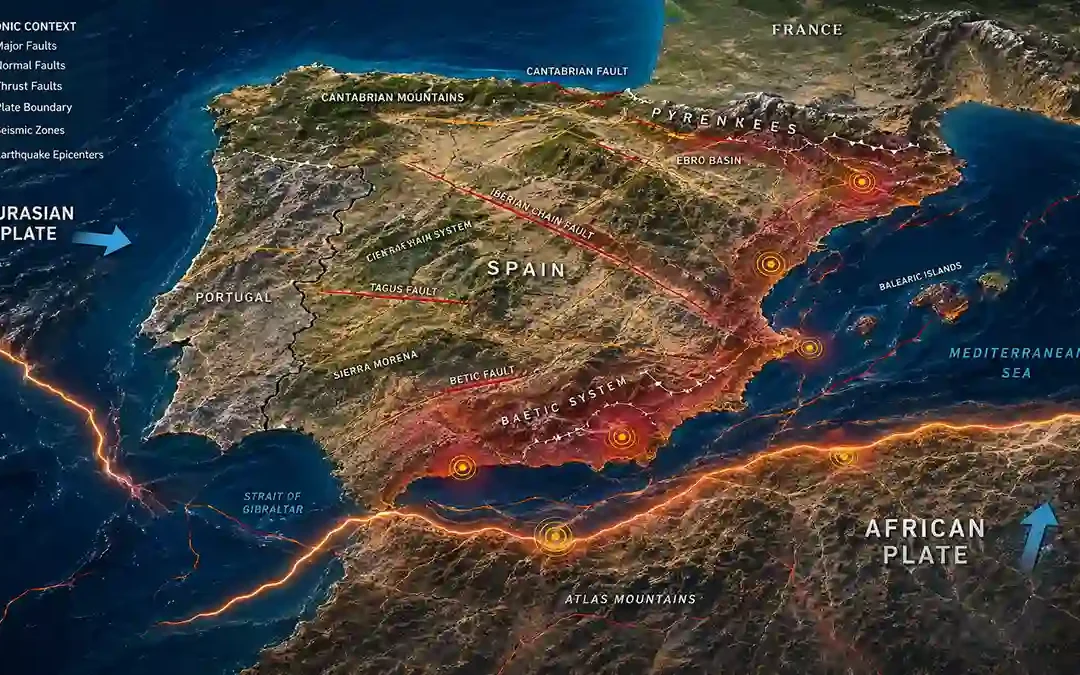
 Spain is not usually considered one of Europe’s most earthquake-prone countries. But seismic activity here is far from uniform. Some regions rarely experience earthquakes, while others — especially near the Mediterranean — sit under ongoing tectonic pressure. That...
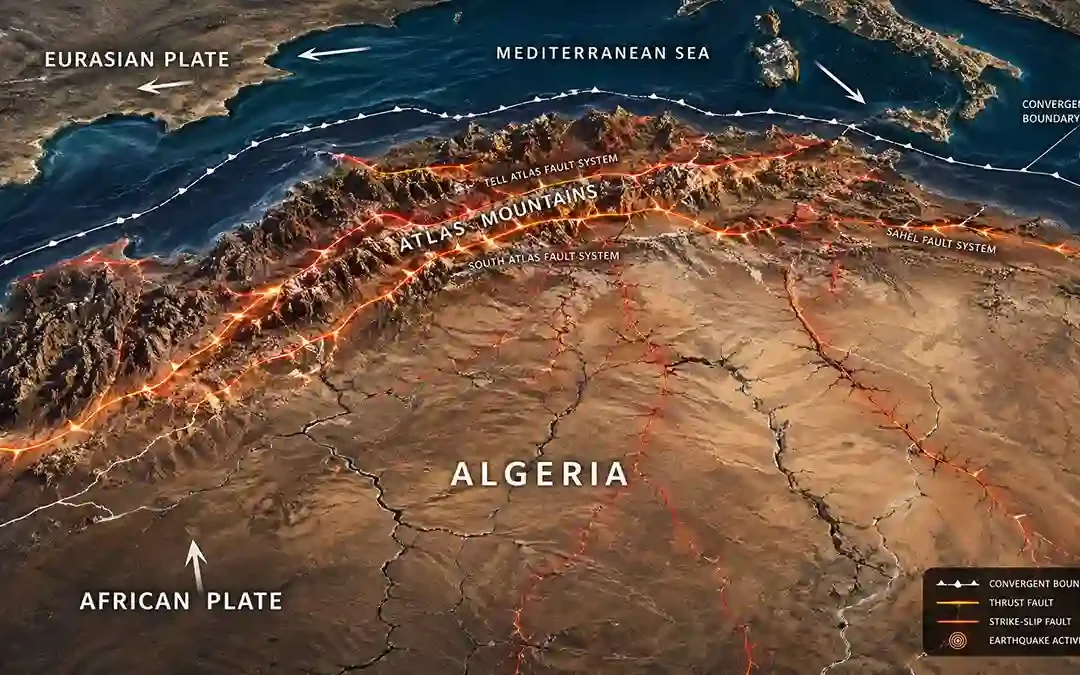 Algeria is one of the most earthquake-prone countries in North Africa. Most of the country’s seismic activity happens in the northern regions near the Mediterranean coast, where tectonic pressure continues to shape mountain ranges and fault systems. Although...
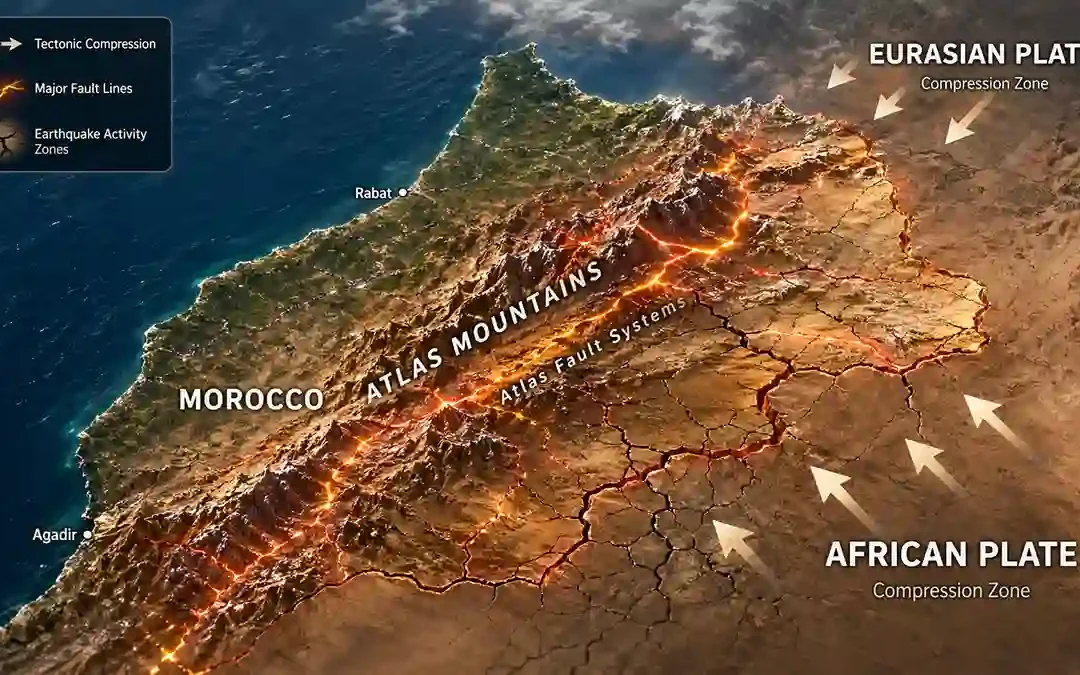 Morocco is not usually considered one of the world’s most active earthquake regions. But the country still experiences damaging earthquakes — especially near mountain regions and tectonic fault zones. What makes Morocco interesting is that its earthquakes often...
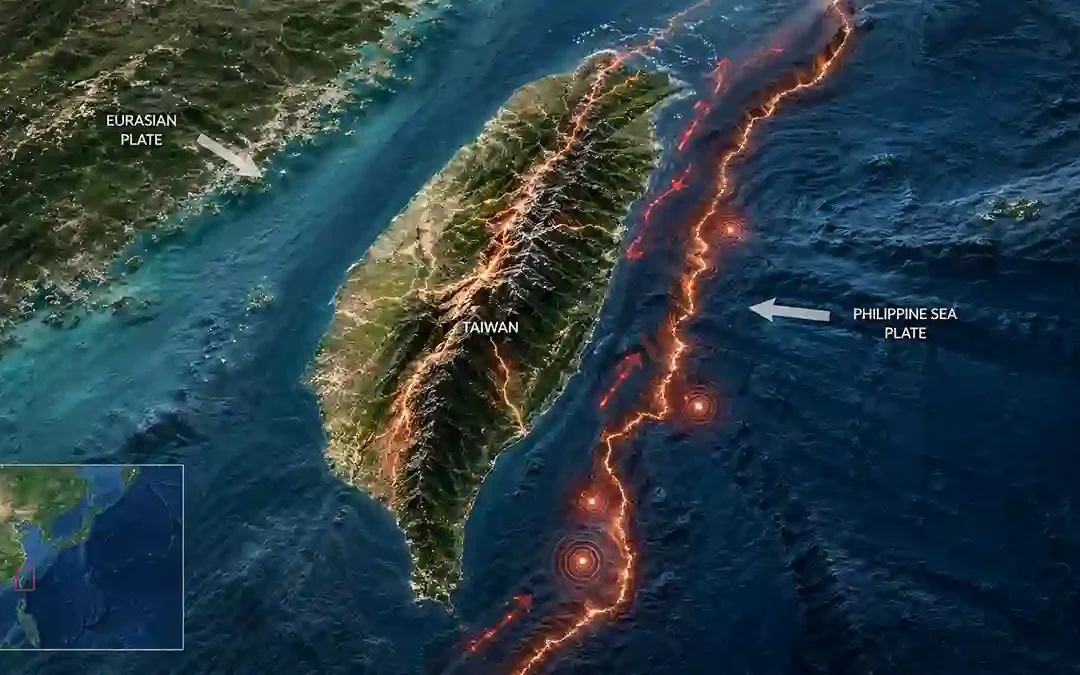 Taiwan is one of the most earthquake-active places in East Asia. The reason is simple: The island sits where two major tectonic systems collide directly beneath the surface. That collision continues to push Taiwan upward, forming steep mountains, active faults, and...
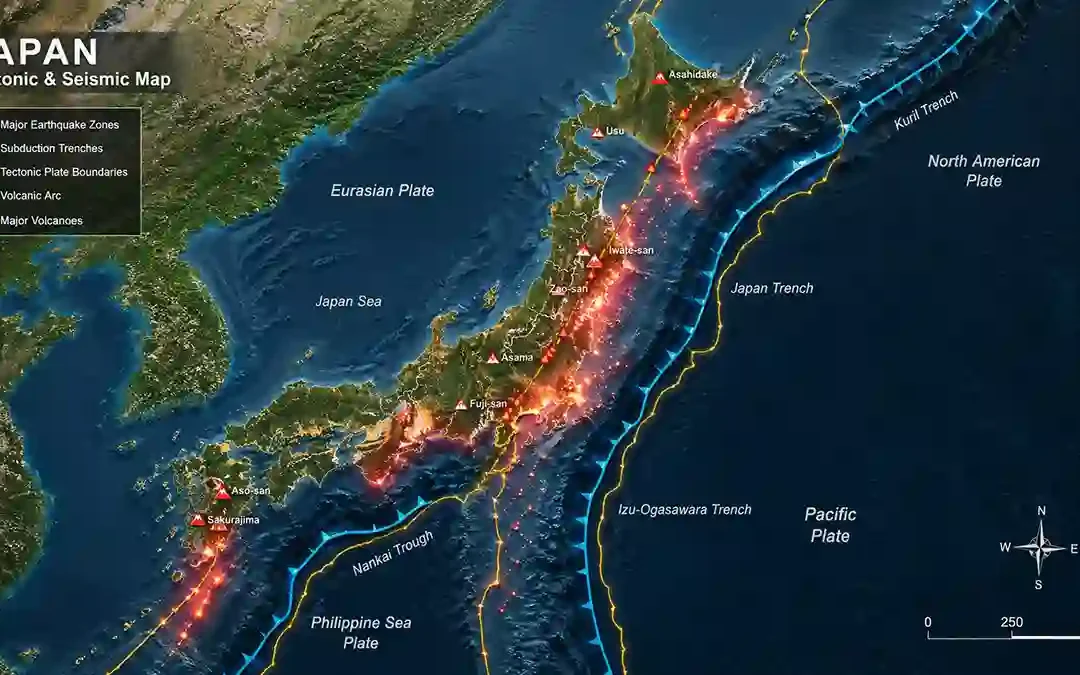 Japan is often described as one of the most earthquake-prone countries in the world. But what many people don’t realize is this: Different parts of Japan experience earthquakes for completely different reasons. Some regions are controlled by deep ocean trenches....
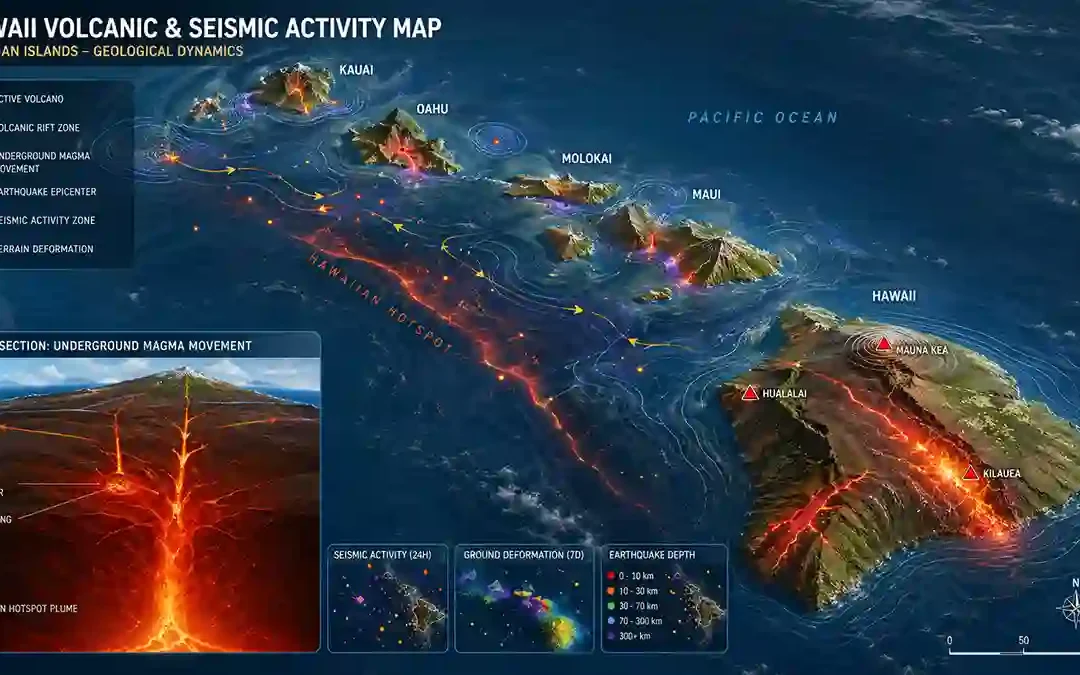 Hawaii’s earthquakes are very different from earthquakes in places like California, Chile, or Japan. Most Hawaiian earthquakes are not caused by tectonic plate collisions. Instead, they are closely connected to: volcanoes underground magma movement the weight and...
