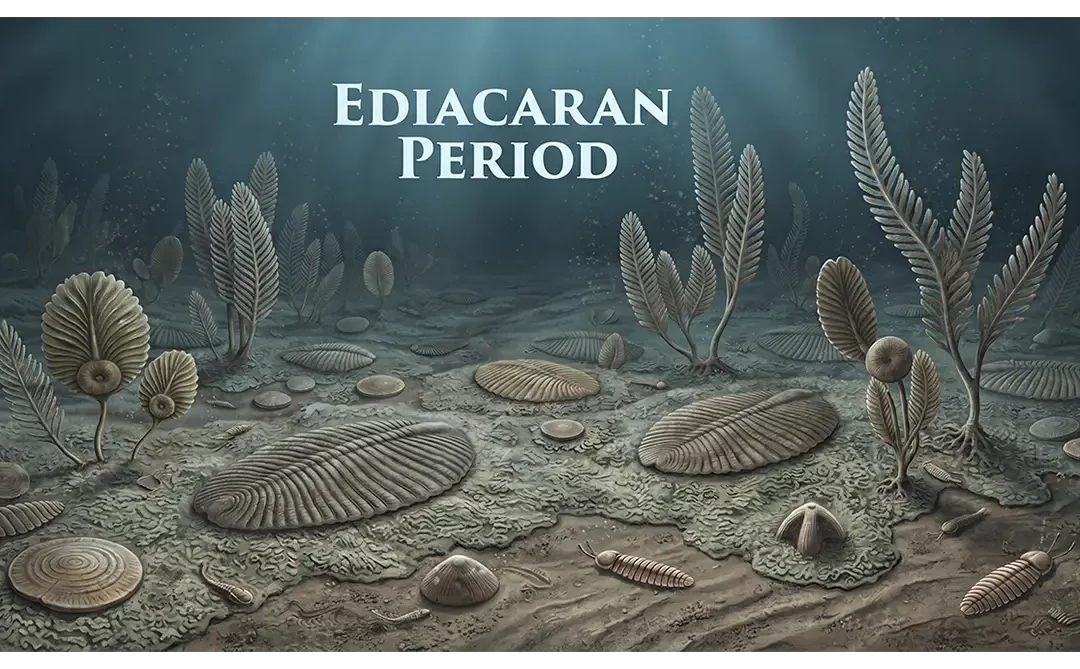
 The Ediacaran Period represents one of the most fascinating chapters in Earth’s history. During this time, ancient oceans supported a remarkable variety of large, soft-bodied organisms that differed greatly from most familiar animals living today. Their fossils...
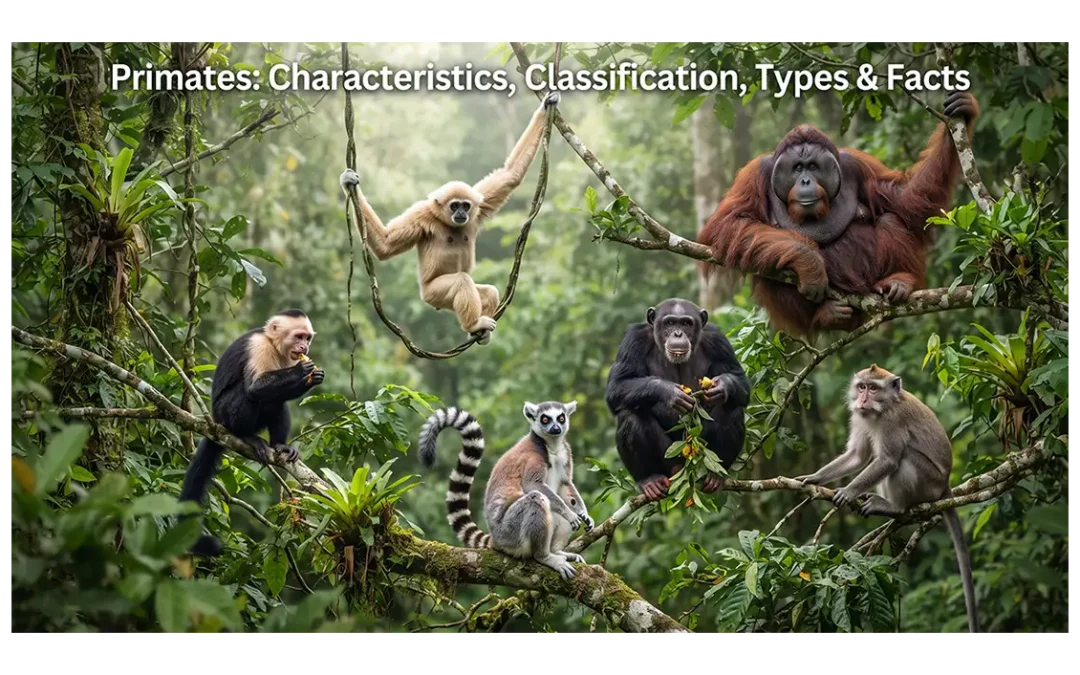 Primates are a diverse group of mammals that includes lemurs, lorises, tarsiers, monkeys, apes, and humans. They inhabit tropical forests, woodlands, savannas, and some mountainous regions, displaying a wide range of body sizes, diets, and behaviors. Although primates...
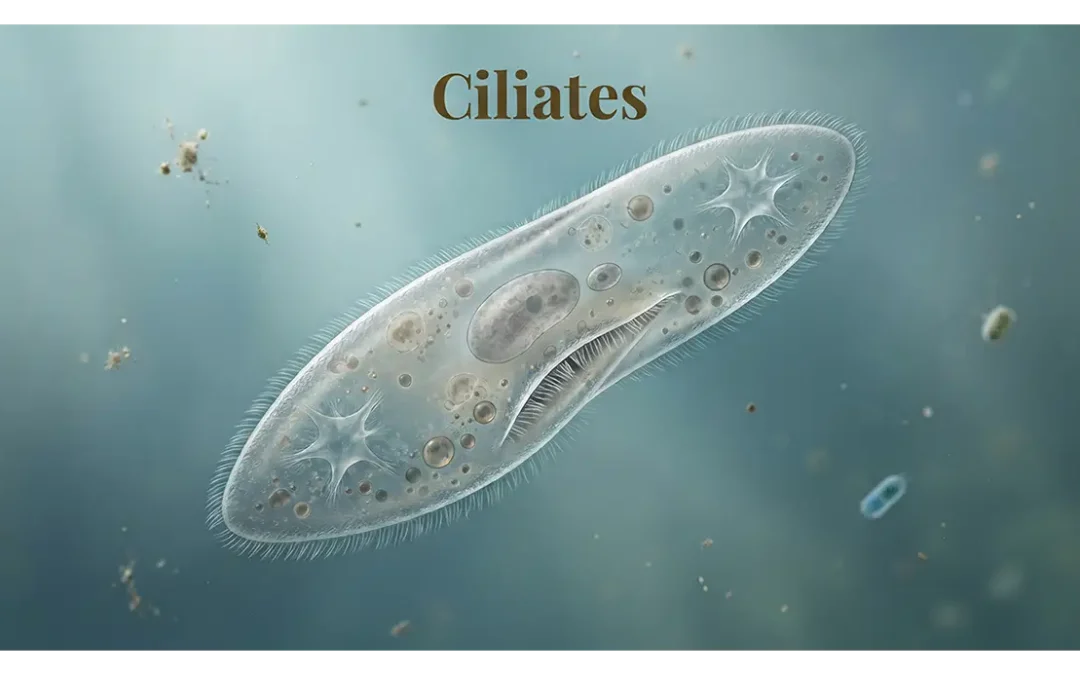 Ciliates are microscopic, single-celled organisms known for their hair-like structures called cilia. These tiny organisms live in freshwater, marine environments, moist soils, and other habitats where water or moisture supports their activities. Although many ciliates...
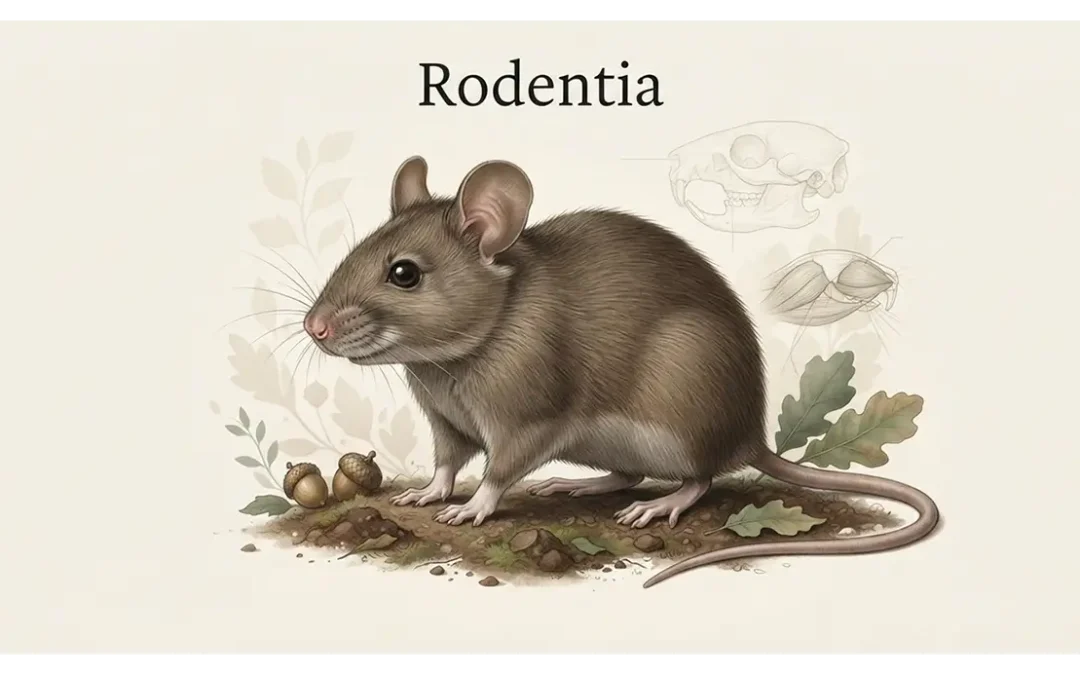 Rodentia is one of the largest and most diverse orders of mammals. It includes familiar animals such as mice, rats, squirrels, beavers, guinea pigs, porcupines, and capybaras. Rodents live in almost every major terrestrial environment, from tropical rainforests and...
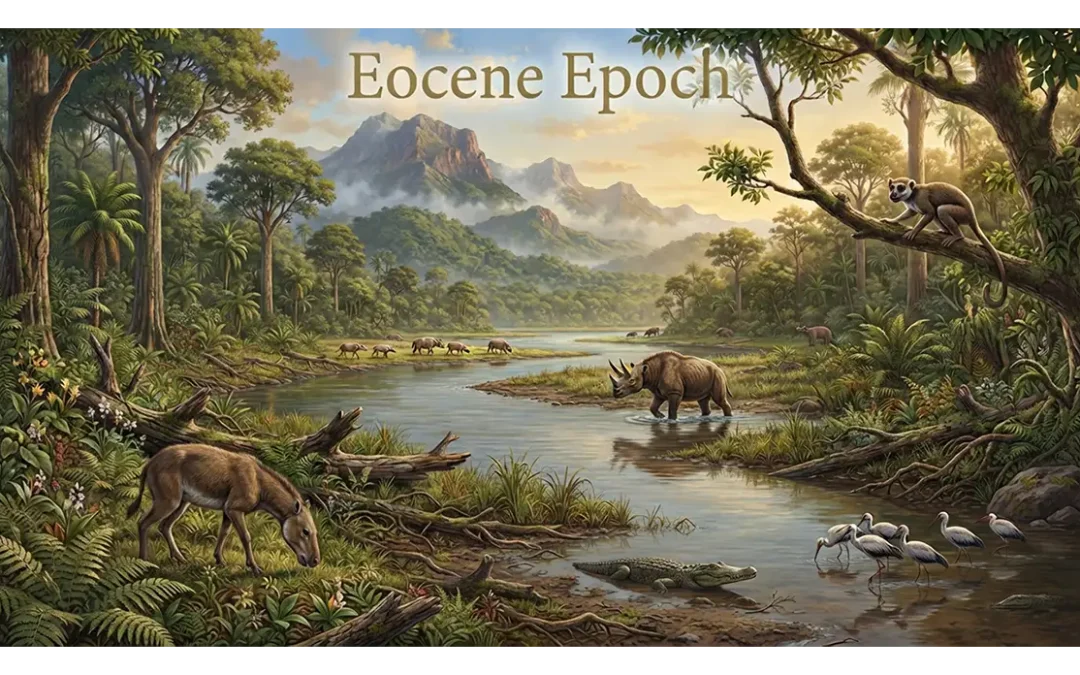 The Eocene Epoch was a major chapter in Earth’s history when global temperatures were generally high, forests extended into polar regions, and mammals diversified into many new ecological roles. Early relatives of horses, bats, primates, and whales lived during...
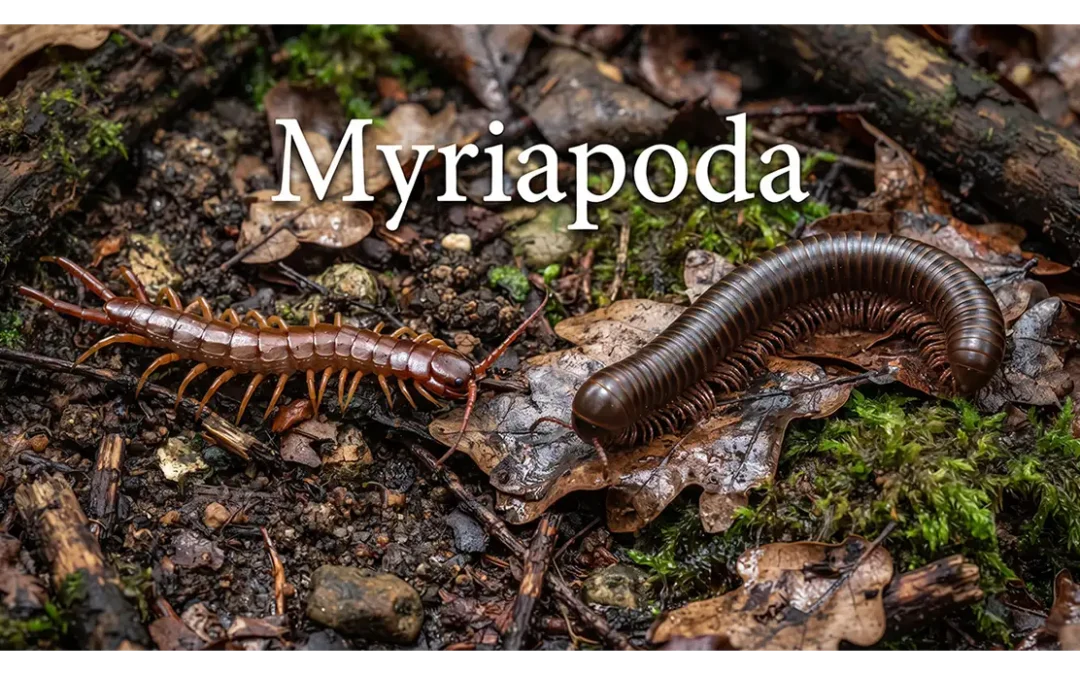 Myriapoda is a subphylum of arthropods that includes centipedes, millipedes, pauropods, and symphylans. These animals are known for their elongated bodies, numerous legs, and segmented structure. Most live on land, especially in moist environments such as soil, leaf...
