
Geological Sieves: Choosing the Right Sieve Set for Geology
Geological sieves help geologists separate soil, sediment, sand, and crushed rock into different particle-size fractions. By passing a sample through a series of sieves with progressively smaller openings, researchers can examine grain-size distribution and better understand the physical characteristics of geological materials.
Sieve analysis is used in sedimentology, soil science, geotechnical engineering, aggregate testing, and mineral processing. The appropriate sieve set depends on the material being studied, the particle-size range, the testing standard, and whether the work is performed in the field or a laboratory.
This guide explains the main types of geological sieves, how mesh sizes work, and what to consider when choosing a sieve set for geological research, teaching, and sample preparation.
Best Geological Sieves for Laboratory and Fieldwork

3 Pcs Lab Sieves,6 Inch Diameter Test Sifter 10Mesh
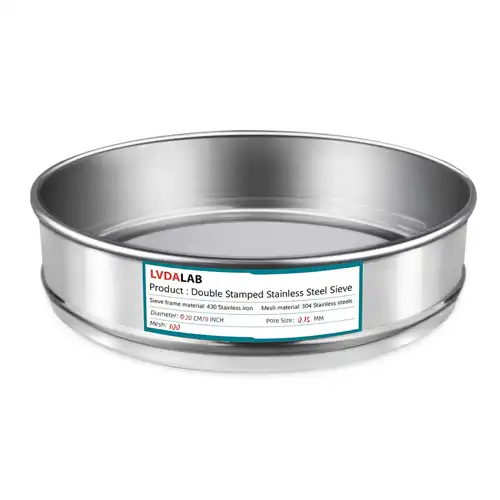
7.9 (20cm) 304 Stainless Steel Lab Sieve 100 Mesh (0.15mm) Screen Sifter
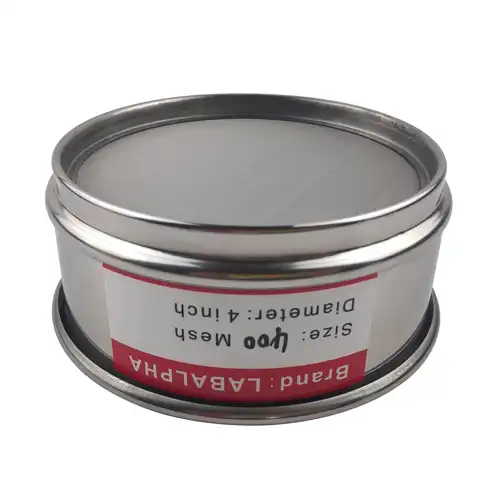
LABALPHA 400 Mesh Lab Sieves, Test Sieve #400 Mesh, 4'' Diameter
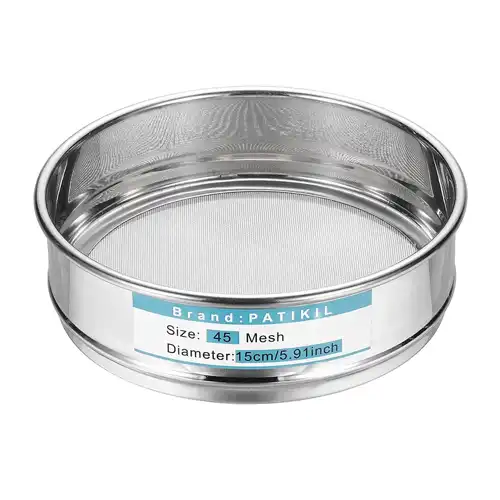
PATIKIL Lab Sieve 45 Mesh 0.4mm 5.9:15cm Diameter Sifting Screen
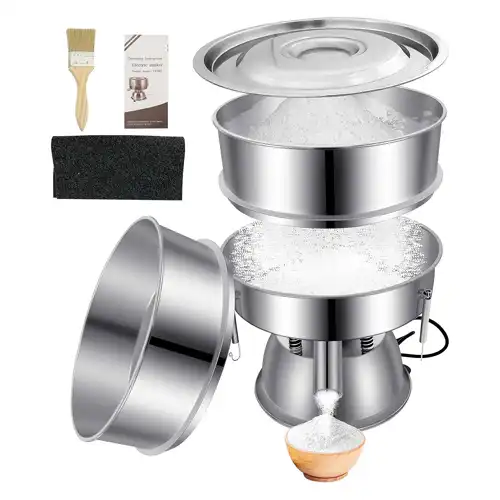
Automatic Vibrating Sieve Shaker–40&60 Mesh Flour Sifter
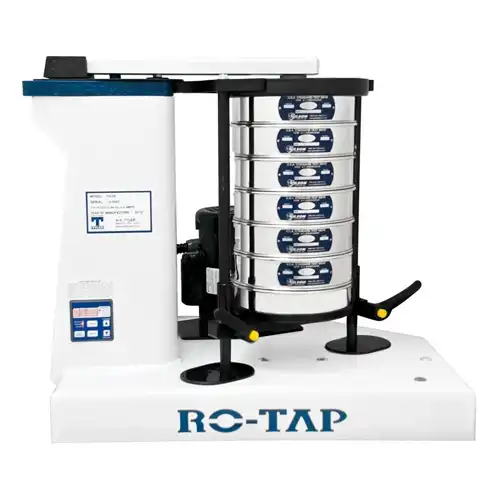
W.S. Tyler Ro-Tap Shaker for 8 Diameter Sieves
Affiliate disclosure: As an Amazon Associate, Gelogia earns from qualifying purchases. We may earn a commission when you buy through our links, at no extra cost to you.
What Are Geological Sieves?
A geological sieve is a screen with openings of a defined size, usually held within a circular or rectangular frame. When a sample is placed on the screen and agitated, particles smaller than the openings can pass through while larger particles are retained, provided the particles can orient and move through the openings.
A laboratory sieve set commonly contains several sieves arranged from the largest opening at the top to the smallest at the bottom, with a collection pan underneath. The sample is placed on the upper sieve, and the stack is shaken manually or with a mechanical sieve shaker.
After sieving, the material retained on each sieve can be weighed. These measurements help determine the proportion of the sample within different particle-size ranges.
The method works best when the particles fall within the sieve set's usable size range and the sample preparation follows the relevant procedure. Very fine particles may require other methods, such as sedimentation or instrumental particle-size analysis.
Types of Geological Sieves
Stainless Steel Test Sieves
Stainless steel test sieves are common in laboratories because they are durable and available in many standardized opening sizes. Depending on the design, the mesh may be woven wire or another specified screen construction.
When choosing a stainless steel sieve, check the mesh material, frame dimensions, nominal opening size, and any stated compliance with a recognized testing standard. Do not assume that every sieve advertised as stainless steel has certified dimensions or the same construction quality.
Geological Sieve Sets
A sieve set contains multiple screens with different opening sizes. These are useful for particle-size distribution studies because one sample can be divided into several fractions in a single procedure.
Choose the opening sequence according to the sample and the analytical method. A set with many sizes is not automatically better if its openings do not match the size range or standard required for the investigation.
Coarse and Fine-Mesh Sieves
Coarse sieves separate larger particles such as gravel and coarse sand. Fine-mesh sieves are used for smaller grains, depending on the opening size and the limitations of the test method.
The term “mesh” can refer to the number of openings per unit length, whereas the aperture is the actual opening size. Wire thickness affects the relationship between mesh count and aperture, so use the specified opening size when selecting sieves for quantitative work.
Field Sieves and Portable Screens
Portable screens can be useful for preliminary sediment sorting, classroom demonstrations, and field investigations where a quick visual separation is sufficient.
However, field screens may not provide the dimensional accuracy or documented performance required for formal laboratory analysis. If the results will be compared between sites or used in a scientific report, select equipment appropriate to the required precision.
How to Choose Geological Sieves
Select the Correct Aperture Sizes
The opening size determines which particles can pass through a sieve. Choose the aperture range according to the sample and the purpose of the analysis.
For example, a study of coarse gravel needs a different range from an investigation of fine sand. Check the applicable standard or research protocol before buying, and confirm that the set includes the required openings.
Choose the Right Sieve Diameter
Laboratory sieves are available in different frame diameters and heights. Larger sieves can accommodate more sample material, but they also require more storage space and may need a compatible sieve shaker.
Check that the sieves fit your existing equipment if you plan to stack them or use a mechanical shaker.
Consider Frame and Mesh Materials
Stainless steel is a common choice for reusable laboratory sieves. Other frame or mesh materials may suit particular applications, but compatibility depends on the sample, cleaning method, and laboratory environment.
Inspect the product specifications for corrosion resistance, mesh attachment, frame construction, and cleaning requirements. Damaged or distorted mesh can affect results.
Check Accuracy and Testing Standards
For standardized soil, aggregate, or sediment testing, look for documented aperture tolerances and compliance with the required standard where applicable. Confirm the exact standard and edition specified by your laboratory or project.
A low-cost sieve set may be adequate for demonstrations or preliminary sorting, but it may not be appropriate for work that requires traceable or certified dimensions.
Decide Between Manual and Mechanical Sieving
Manual sieving can be suitable for small samples and simple field or educational tasks. Mechanical sieve shakers can provide more consistent agitation and reduce manual effort when processing multiple samples.
If using a shaker, verify its compatibility with the sieve diameter, stack height, and intended test method. Excessive sample loading or unsuitable shaking conditions can affect separation.
How Sieve Analysis Works in Geology
Sieve analysis measures how a granular sample is distributed across different particle-size classes.
- Prepare the sample. Follow the relevant method for collecting, drying, disaggregating, and splitting the material. Avoid crushing particles unintentionally.
- Weigh the sample. Record the initial mass using a suitable balance.
- Arrange the sieve stack. Place the largest aperture at the top and progressively smaller apertures beneath it, with a collection pan at the bottom.
- Add the sample. Distribute the material across the top sieve without overloading the stack.
- Agitate the stack. Use an appropriate manual procedure or compatible sieve shaker for the specified duration.
- Weigh the retained fractions. Measure the material remaining on each sieve and in the pan.
- Calculate the distribution. Determine the percentage retained and percentage passing at each aperture, following the chosen method.
- Record the results. Document the sieve sizes, sample mass, procedure, and any deviations.
A well-documented sieve analysis allows results to be compared and used to interpret the grain-size characteristics of geological materials.
What Are Geological Sieves Used For?
Sedimentology and Grain-Size Analysis
Sedimentologists use sieves to characterize sand, gravel, and other granular sediments. Grain-size distributions can help describe sedimentary environments and support comparisons between samples.
Grain size alone does not determine a sediment's origin. Interpretation also depends on sorting, grain shape, mineral composition, sedimentary structures, and field context.
Soil Science and Geotechnical Testing
Sieve analysis helps classify the coarse fractions of soil and assess particle-size distribution. In geotechnical work, results may be combined with other tests to evaluate soil behavior and classification.
The precise sieve sequence and reporting procedure should follow the applicable testing standard.
Aggregate and Construction Material Testing
Sieve sets are widely used to determine the particle-size distribution of sand, gravel, and aggregates. These measurements help assess whether materials meet specified grading requirements.
Mineral Processing and Sample Preparation
Sieves can separate suitable granular materials into size fractions before further processing or analysis. They may be used in mineral processing workflows, but sieving alone does not identify minerals or separate particles by chemical composition.
Geological Sieves vs. Soil and Aggregate Sieves
These categories often overlap because the same basic sieve design can be used for different granular materials. The important distinction is usually the test method, required opening sizes, and quality specifications rather than the product label.
| Sieve category | Common application | What to check |
|---|---|---|
| Geological sieve set | Sediment and geological sample analysis | Aperture range and method compatibility |
| Soil test sieves | Soil classification and geotechnical testing | Required standard and opening sizes |
| Aggregate test sieves | Sand and aggregate grading | Standard compliance and frame compatibility |
| Fine-mesh sieve | Smaller granular particles | Actual aperture and mesh integrity |
| Field screen | Preliminary sorting and demonstrations | Portability and intended level of precision |
A sieve set can be suitable for more than one application when it meets the requirements of each method. Always verify the actual specifications instead of relying on the product category alone.
Tips for Maintaining Geological Sieves
-
Clean sieves using a method appropriate to the mesh and sample material.
-
Avoid sharp tools or excessive force that could stretch or damage the screen.
-
Inspect the mesh for tears, deformation, and blocked openings.
-
Allow sieves to dry thoroughly before storage when required by the material and cleaning method.
-
Store sieves where they will not be crushed, bent, or exposed to corrosive substances.
-
Check sieve dimensions and condition at the frequency required by your laboratory's quality-control procedure.
-
Label and organize sieves so that aperture sizes remain easy to identify.
Damaged mesh or blocked openings can change the effective aperture and compromise the reliability of particle-size results.