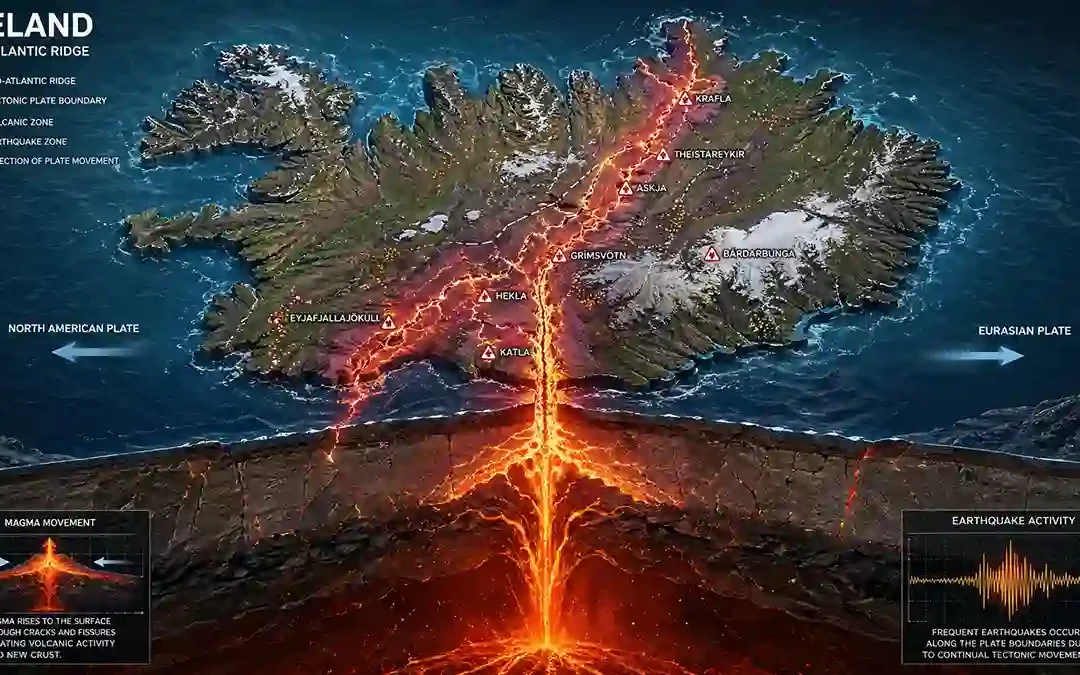
 Iceland is one of the few places on Earth where tectonic activity is visible directly on the surface. Here, earthquakes are closely connected to both: moving tectonic plates volcanic activity beneath the ground That combination makes Iceland very different from most...
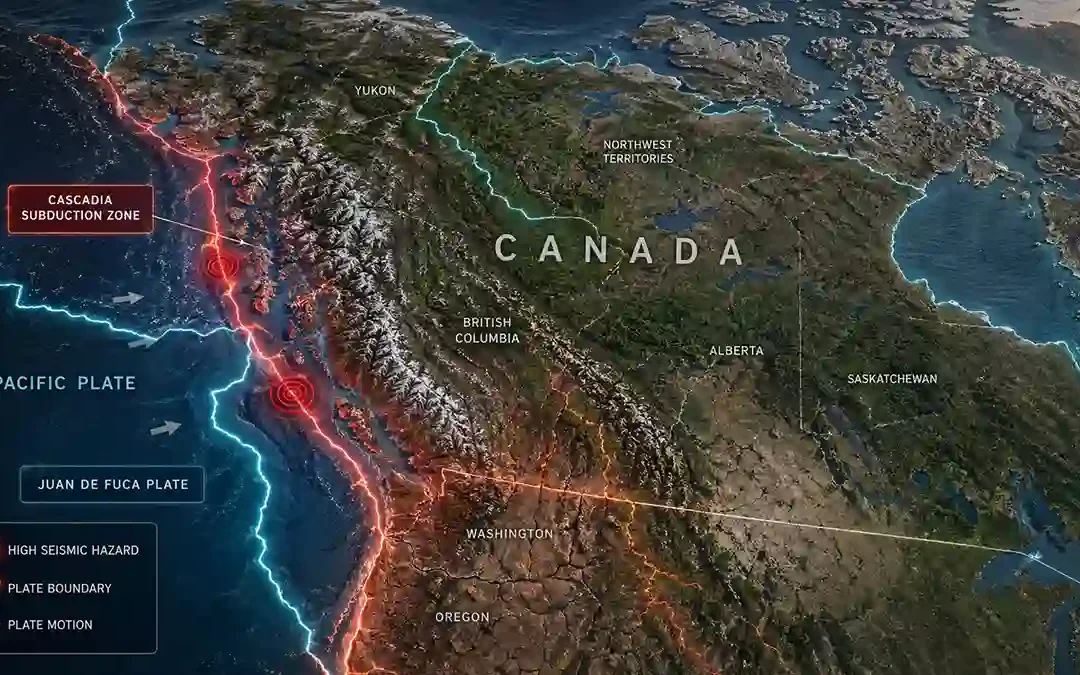 Canada is not usually the first country people think about when discussing earthquakes. But parts of Canada — especially the west coast — are actually located near active tectonic boundaries capable of producing major earthquakes. At the same time, large areas of the...
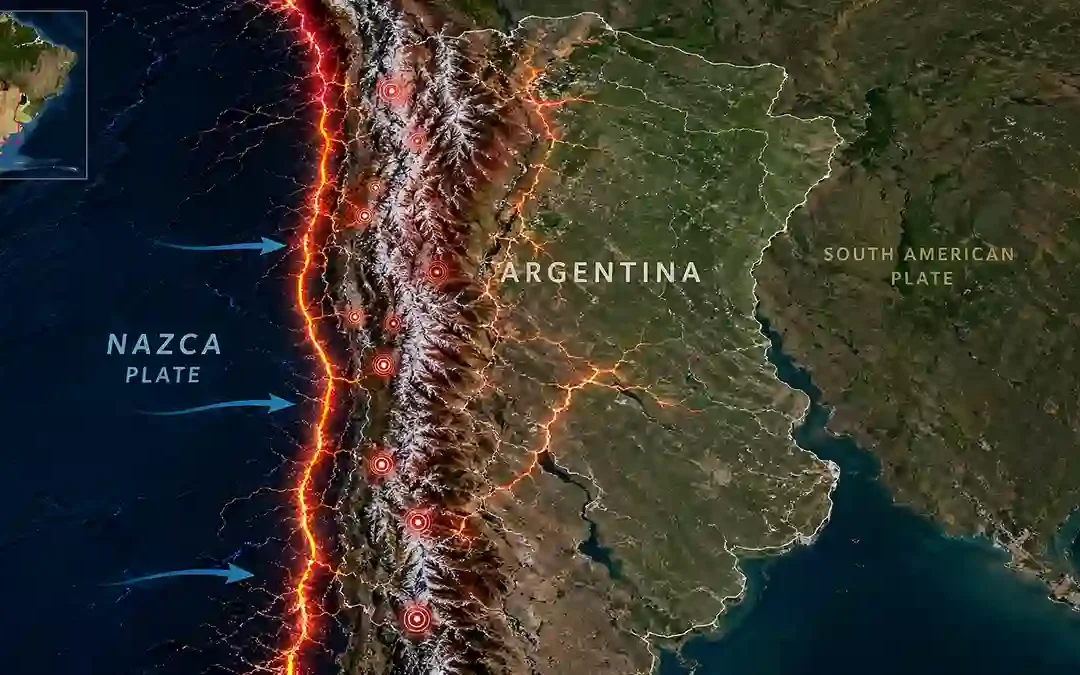 Argentina is not as earthquake-prone as neighboring Chile, but certain parts of the country still experience significant seismic activity. Most earthquakes occur near the Andes Mountains in western Argentina, where tectonic pressure continues to shape the landscape....
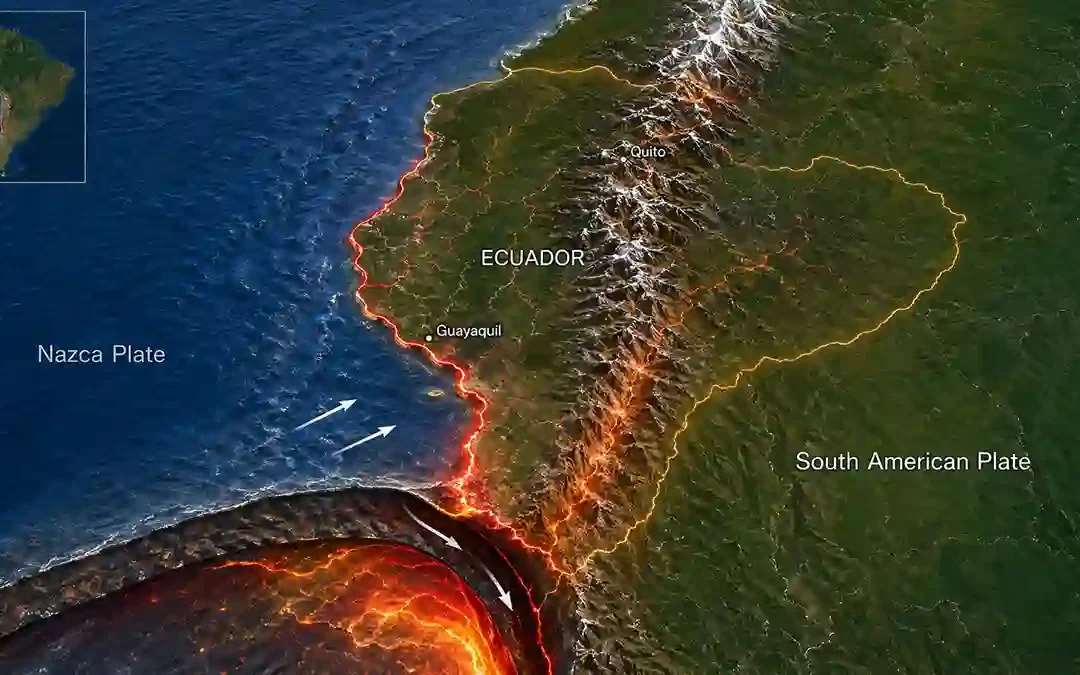 Ecuador may be a relatively small country, but it sits in one of the most tectonically active regions in the world. The same forces that created the Andes Mountains and volcanic landscapes also generate frequent earthquakes beneath the country. What makes Ecuador...
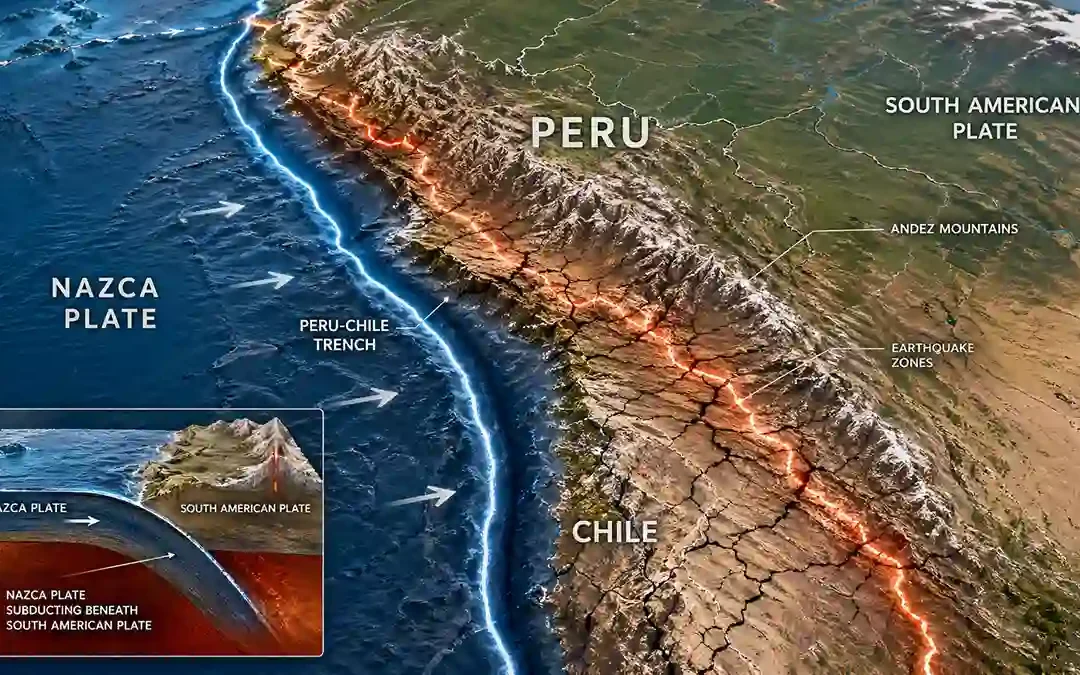 Peru experiences earthquakes because it sits directly above one of the most active subduction zones on Earth. What makes Peru especially interesting is how closely its earthquakes are connected to the formation of the Andes Mountains. The same tectonic forces that...
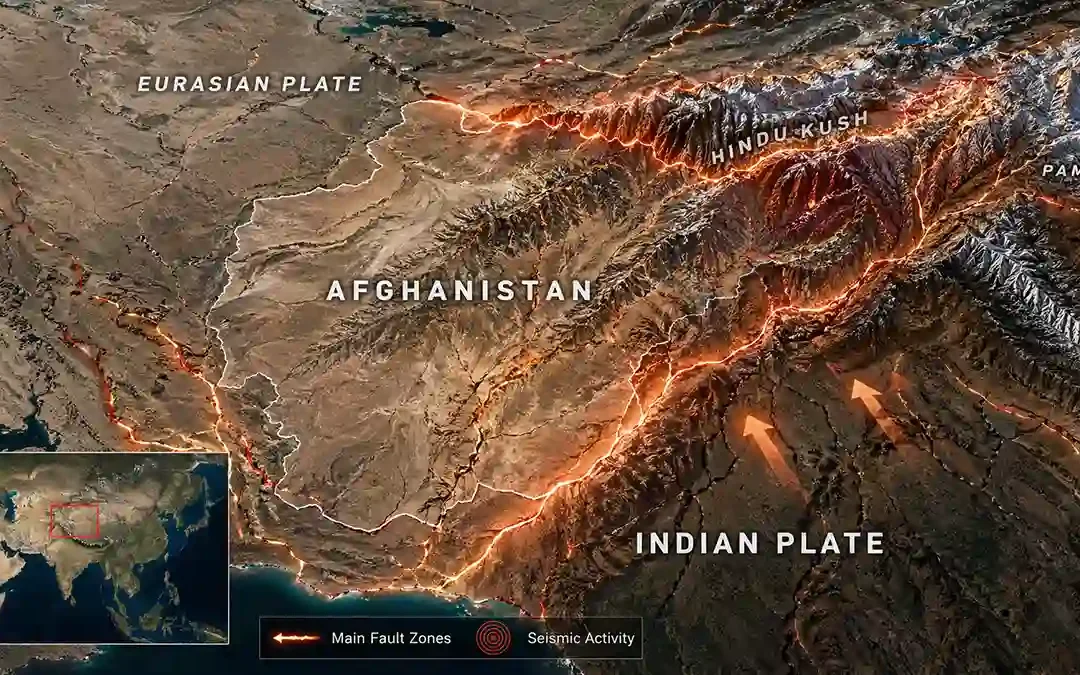 Afghanistan experiences earthquakes in a way that’s slightly different from many other countries. Here, you don’t just get shallow earthquakes — you also get deep earthquakes, especially beneath the Hindu Kush mountains. That combination makes seismic activity in...
