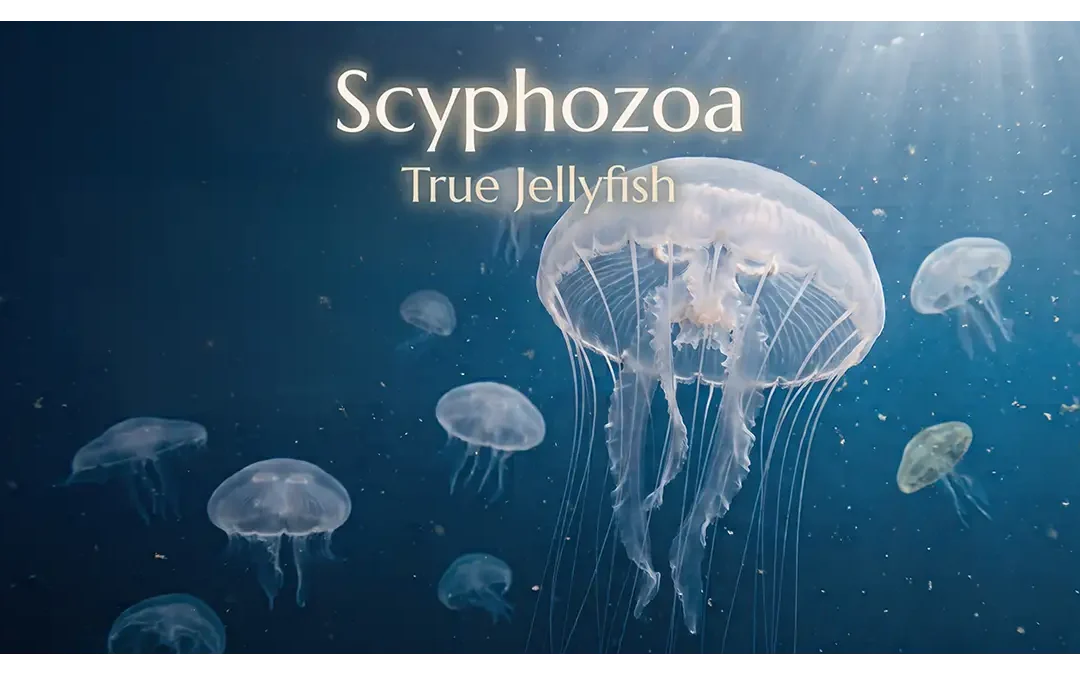
 Scyphozoa is a class of marine cnidarians commonly known as true jellyfish. These animals are best known for their soft, bell-shaped bodies, stinging cells, and free-swimming adult stage. They live mainly in oceans and play important roles as predators and prey in...
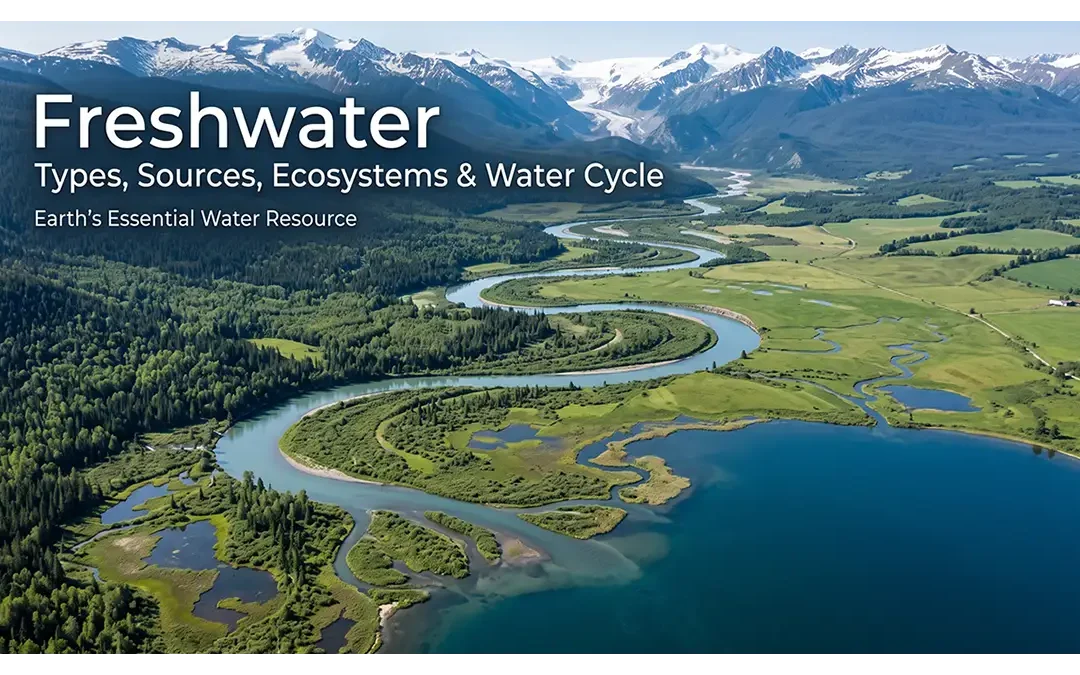 Freshwater is water with a very low concentration of dissolved salts compared with seawater. It occurs in glaciers, ice sheets, groundwater, rivers, lakes, wetlands, soil, and the atmosphere. Although freshwater covers only a small portion of Earth’s total...
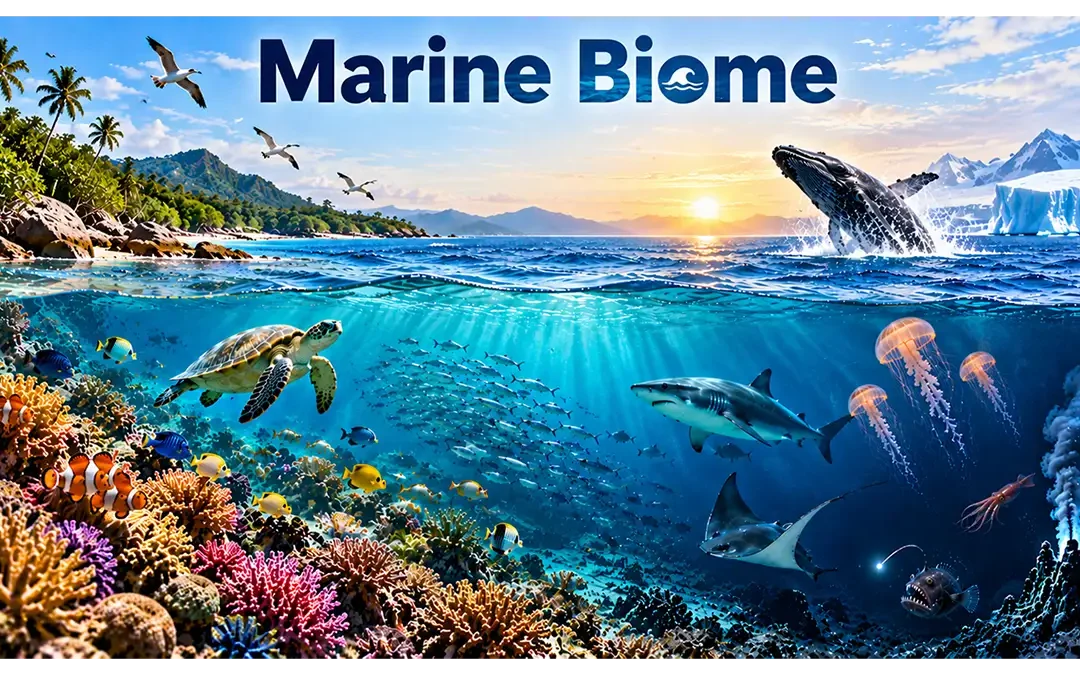 Marine Biome is the largest biome on Earth, covering most of the planet’s surface and supporting an extraordinary range of organisms. It includes the vast open ocean as well as coastal environments such as coral reefs, estuaries, mangroves, salt marshes, and tidal...
 Aquifers are one of the most important parts of the groundwater system. They store and transmit groundwater through underground layers of permeable rock, sand, gravel, and other geological materials. People depend on groundwater stored in aquifers for drinking water,...
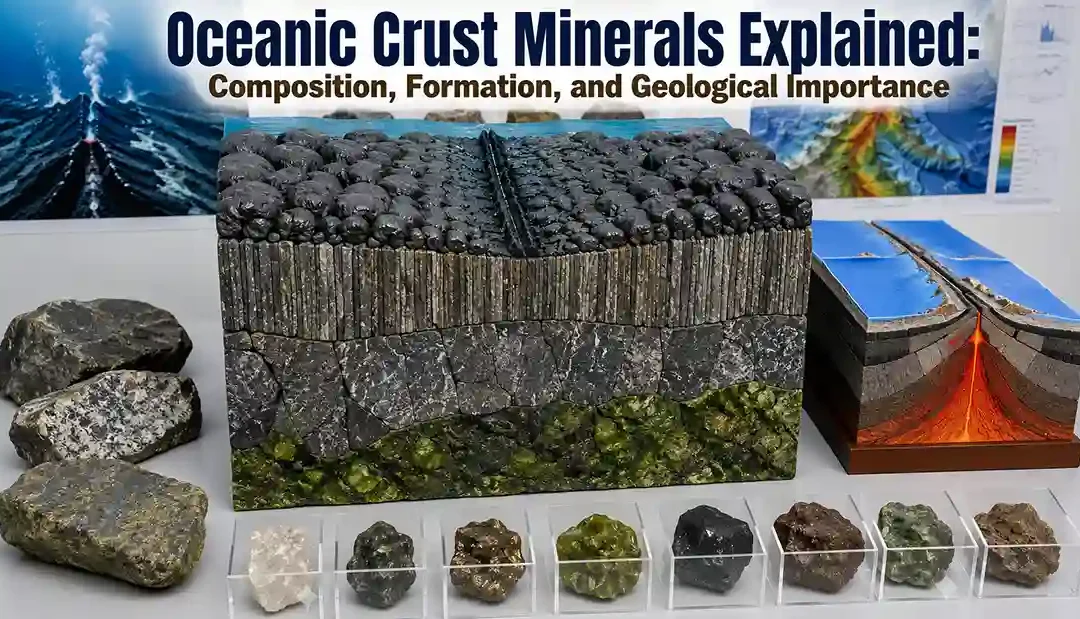 The oceanic crust is the thin, dense outer layer beneath Earth’s oceans. It covers nearly 70% of Earth’s surface but is only 5–10 kilometers thick, making it much thinner than the continental crust. Oceanic crust forms continuously at mid-ocean ridges,...
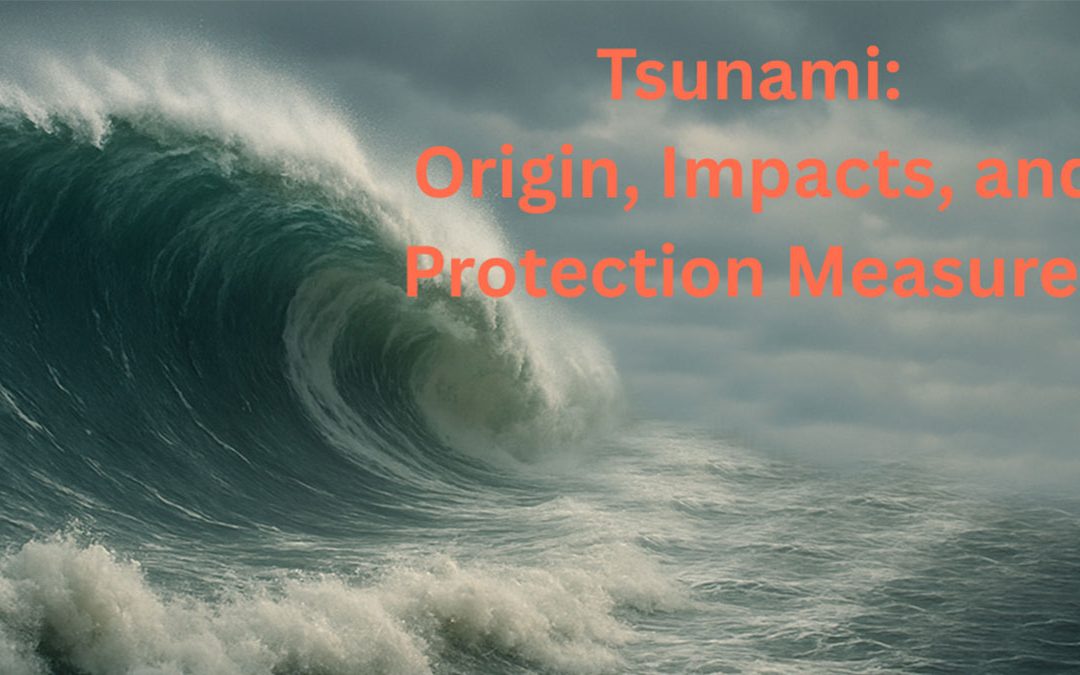 A tsunami is one of nature’s most powerful and destructive forces, causing immense devastation along coastal regions. Unlike ordinary tidal waves, tsunamis are triggered by undersea earthquakes, volcanic eruptions, or seabed movements. These events send high-speed...
