
Lab Drying Ovens: Choosing the Right Oven for Laboratory Work
Lab drying ovens are used in laboratories to remove moisture from samples, dry laboratory glassware where appropriate, and prepare materials for testing and analysis. In geology and earth science, controlled drying is an important step in many soil, sediment, mineral, and rock-related workflows.
The right laboratory oven depends on the material being processed, the required temperature, the number of samples, and the level of temperature uniformity the procedure demands. Some laboratories need a compact oven for occasional work, while others require a larger unit with forced-air circulation and precise temperature control.
This guide explains how lab drying ovens work, what features to compare before buying, and which specifications matter for geological and scientific applications.
Best Lab Drying Ovens for Laboratory Use
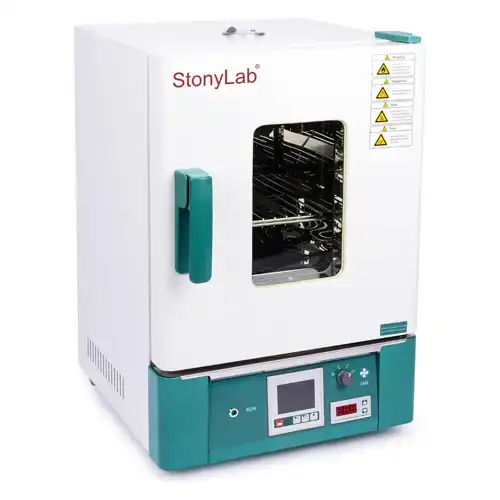
Stonylab Forced Air Convection Drying Oven with Digital Display
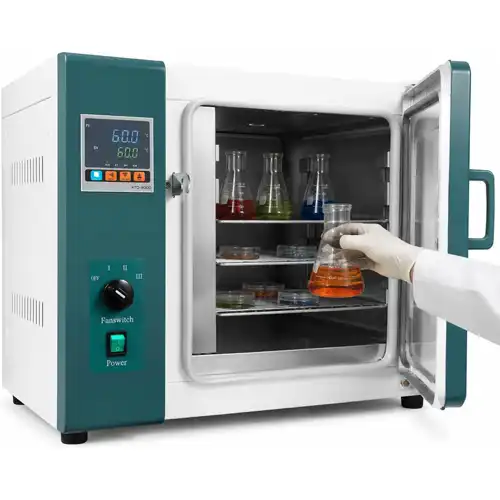
Industrial Drying Oven 1000w - Digital Blast Lab Oven
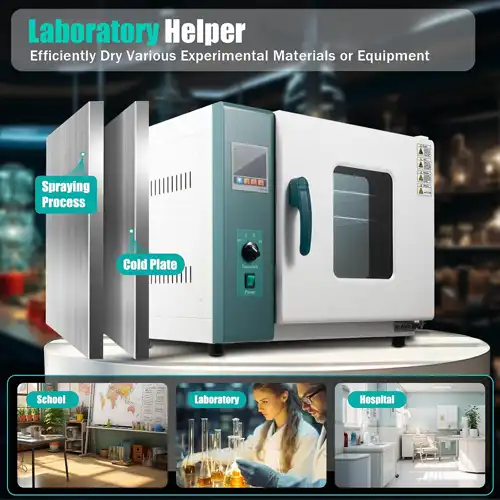
110V 1000W Horizontal Electric Blast Drying Oven 45L:12Gal
Affiliate disclosure: As an Amazon Associate, Gelogia earns from qualifying purchases. We may earn a commission when you buy through our links, at no extra cost to you.
What Is a Lab Drying Oven?
A laboratory drying oven is a temperature-controlled enclosure that uses heat to remove moisture from suitable materials or maintain samples under specified thermal conditions. It typically contains an insulated chamber, heating elements, a temperature sensor, a controller, and one or more shelves.
Depending on the model, the oven may circulate air using a fan or rely on natural convection. A temperature controller regulates heating to maintain the selected setpoint within the instrument's stated performance limits.
Laboratory drying ovens are not interchangeable with every other type of laboratory oven. A standard drying oven may not be suitable for flammable solvents, combustible materials, reactive chemicals, or applications requiring specialized atmospheres. Always check material compatibility and the equipment manufacturer's instructions.
Uses of Lab Drying Ovens in Geology and Earth Science
Soil and Sediment Sample Preparation
Drying is a common step in certain soil and sediment testing procedures. Samples may need to be dried before measurements of dry mass, moisture content, or other physical properties are performed.
The required temperature and procedure depend on the test method and the properties being investigated. Some soils contain organic matter or minerals that may change when heated, so the laboratory should follow the applicable standard rather than applying one temperature to every sample.
Mineral and Rock Sample Preparation
Geology laboratories may use ovens to dry suitable rock fragments, mineral specimens, aggregates, or prepared samples before weighing or further analysis. Drying can help reduce the influence of surface moisture on some measurements.
However, not every mineral or geological material should be heated without evaluation. Hydrated minerals, volatile-bearing samples, organic-rich materials, and heat-sensitive specimens can lose water or undergo other changes during heating. Choose a procedure appropriate to the sample.
Aggregate and Construction Material Testing
Laboratories involved in geotechnical engineering and construction materials may use drying ovens for soil, sand, aggregates, and other materials under specified test procedures. The oven must provide suitable capacity and temperature performance for the relevant standard.
General Laboratory Drying
Laboratory ovens can also be used for compatible equipment and materials when the manufacturer's instructions permit it. They should not automatically be treated as sterilizers: drying, disinfection, and sterilization are different processes, and each requires equipment and conditions validated for the intended purpose.
How to Choose a Laboratory Drying Oven
Temperature Range and Accuracy
Start by identifying the temperature required by your laboratory procedures. Check the oven's minimum and maximum operating temperatures, temperature stability, and temperature uniformity specifications.
These measures describe different aspects of performance. A controller may maintain the setpoint at its sensor while temperatures elsewhere in a heavily loaded chamber differ. If results depend on consistent heating, look for documented uniformity data under relevant operating conditions.
Chamber Capacity and Dimensions
Choose a chamber large enough to accommodate the samples, trays, and containers you expect to use. Compare the usable interior dimensions rather than relying only on the external size or advertised capacity.
Samples should be arranged to allow the airflow required by the oven design. Overloading the chamber can reduce drying consistency and may extend processing time.
Forced-Air or Gravity Convection
Forced-air ovens use a fan to move heated air around the chamber. They may offer faster or more uniform heat transfer for suitable loads, although results depend on the design and how the oven is loaded.
Gravity-convection ovens rely on natural air circulation. They can be appropriate for applications that do not require forced airflow. Consider whether air movement could disturb lightweight materials or affect the sample procedure.
Temperature Controller and Timer
Digital controls make it easier to select and monitor a target temperature. Some ovens include programmable temperature profiles, timers, alarms, or over-temperature protection.
A timer can help standardize routine work, but it does not confirm that a sample has reached the required dryness. Follow the relevant test method and verify the endpoint when necessary.
Construction, Shelves, and Maintenance
Look for a chamber material compatible with your laboratory environment, sturdy shelves, accessible controls, and replacement parts or service support. Stainless steel interiors may be useful where corrosion resistance and cleaning are important, but material suitability depends on the samples and chemicals involved.
Check whether the shelves are adjustable, how the chamber is cleaned, and whether the temperature sensor and controller can be serviced or calibrated.
Safety Features
Useful features may include independent over-temperature protection, an alarm, a reliable door seal, and appropriate electrical protection. Verify that the oven is rated for the intended materials and operating conditions.
Do not use an ordinary laboratory drying oven for flammable solvent vapors, explosive atmospheres, or other hazardous applications unless the manufacturer explicitly rates the equipment for that use.
Lab Drying Oven vs. Other Laboratory Ovens
| Equipment type | Typical purpose | Important consideration |
|---|---|---|
| Laboratory drying oven | Drying compatible samples and materials | Temperature performance and material compatibility |
| Forced-air oven | Drying with mechanically circulated air | Airflow and temperature distribution |
| Gravity-convection oven | Heating with natural air circulation | May be preferable for some sensitive loads |
| Vacuum oven | Drying suitable materials under reduced pressure | Useful for certain heat-sensitive applications; requires appropriate vacuum procedures |
| Muffle furnace | High-temperature heating, ashing, or ignition | Operates at substantially higher temperatures and serves different purposes |
| Laboratory sterilizer | Validated sterilization processes | Requires appropriate sterilization cycles and monitoring |
The correct choice depends on the purpose of the procedure. A drying oven should not be substituted for a muffle furnace, vacuum oven, or sterilizer simply because each device uses heat.
Tips for Using a Lab Drying Oven
- Check the test method. Confirm the required temperature, duration, sample preparation, and cooling procedure.
- Inspect the oven. Make sure the chamber, shelves, door, and controls are in suitable condition.
- Prepare samples correctly. Use compatible trays or containers and label samples clearly.
- Arrange the load carefully. Leave sufficient space for the airflow required by the equipment.
- Monitor the process. Follow the approved procedure and avoid opening the door unnecessarily.
- Use appropriate protective equipment. Hot trays and samples can cause burns; use suitable heat-resistant gloves and follow laboratory safety rules.
- Cool and store samples correctly. Some analytical procedures require cooling in a desiccator or another controlled environment before weighing.
- Document the conditions. Record temperature, duration, sample identifiers, and any relevant instrument details.
- For standardized testing, follow the applicable laboratory method and quality-control requirements rather than relying on a generic drying schedule.