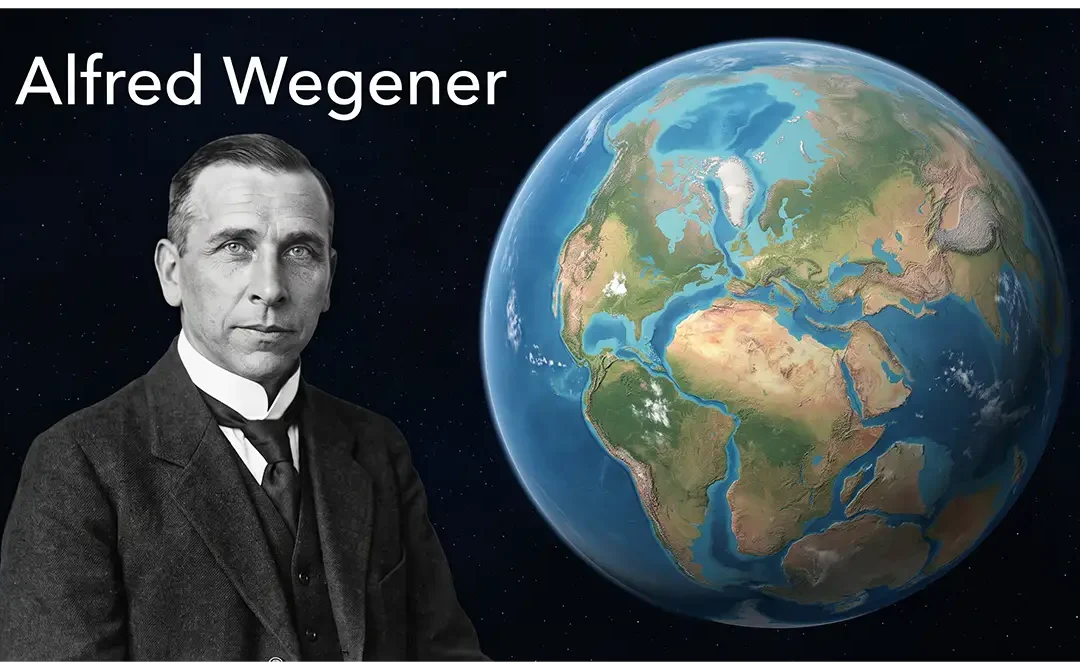
 Alfred Wegener was a German meteorologist and geophysicist best known for developing the scientific theory of continental drift. He argued that the continents were not permanently fixed in their present positions but had moved over geological time. His ideas were...
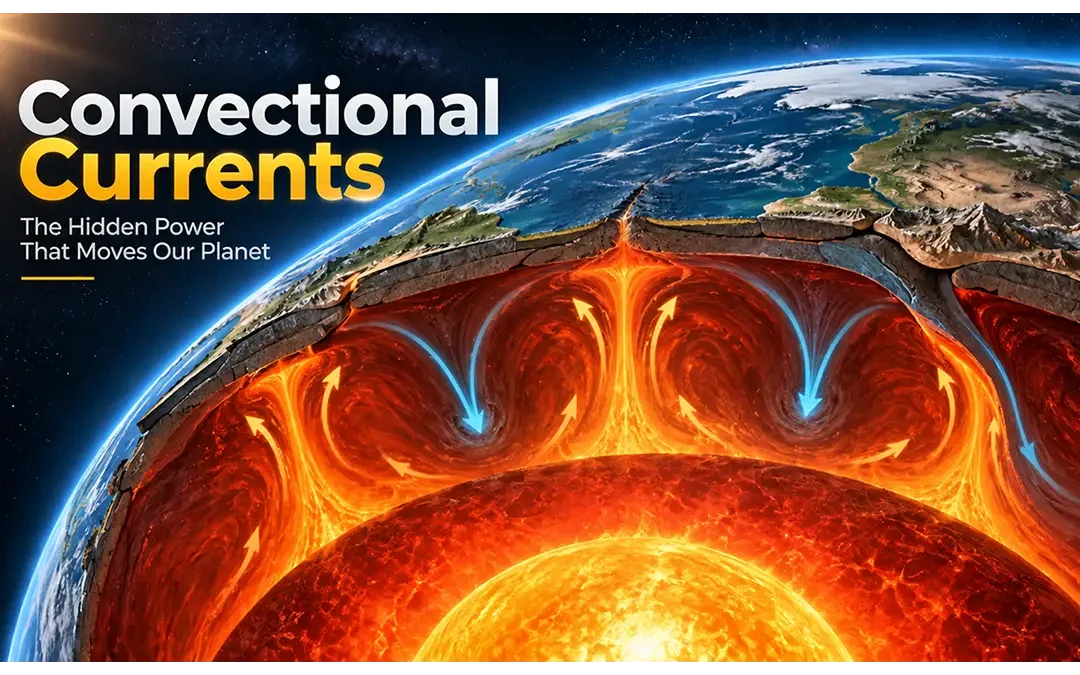 Convectional currents are movements of material caused by differences in temperature and density. They are an important way of transferring heat through fluids and slowly moving materials. Convection occurs in many natural systems, including the atmosphere, oceans,...
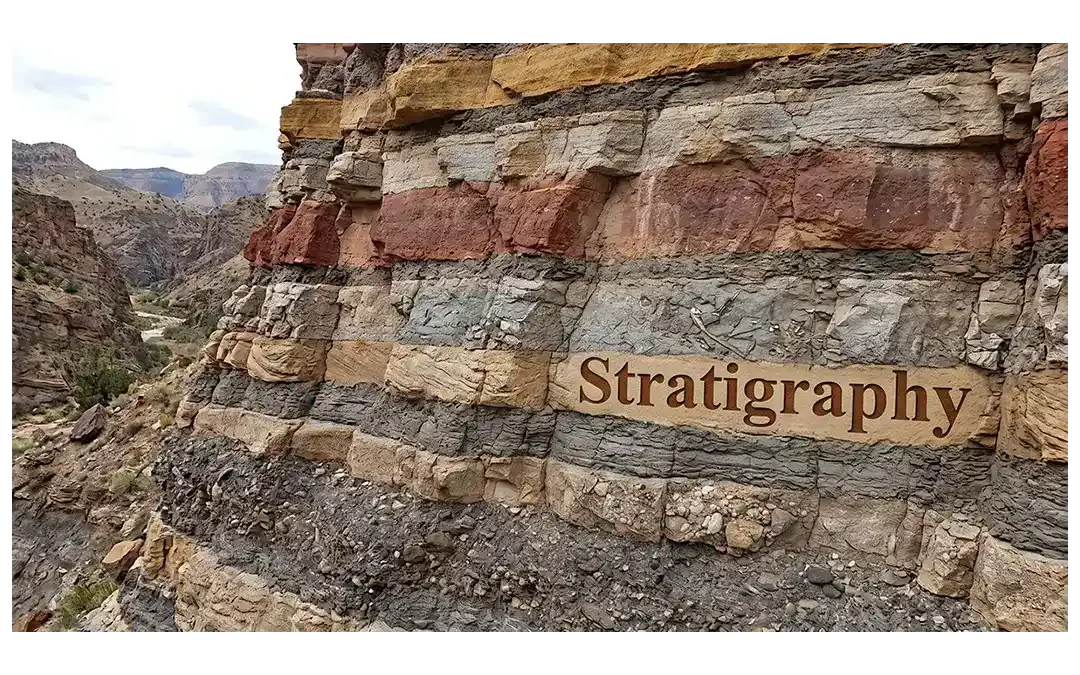 Stratigraphy is an important branch of geology that focuses on the study of rock layers, their sequence, age, composition, and relationships. By examining these layers, geologists can reconstruct how Earth’s surface changed through time and understand the...
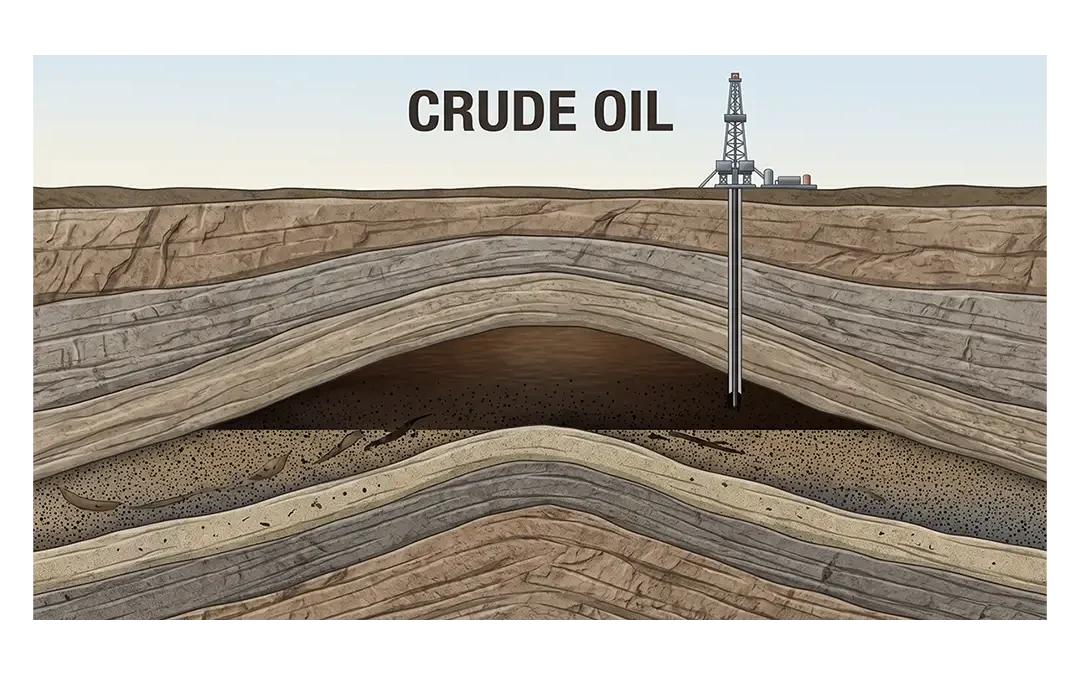 Crude oil is one of the most important natural resources on Earth. It is a naturally occurring liquid made mainly of hydrocarbons. It forms deep beneath Earth’s surface from ancient organic matter over millions of years. Today, crude oil provides raw materials...
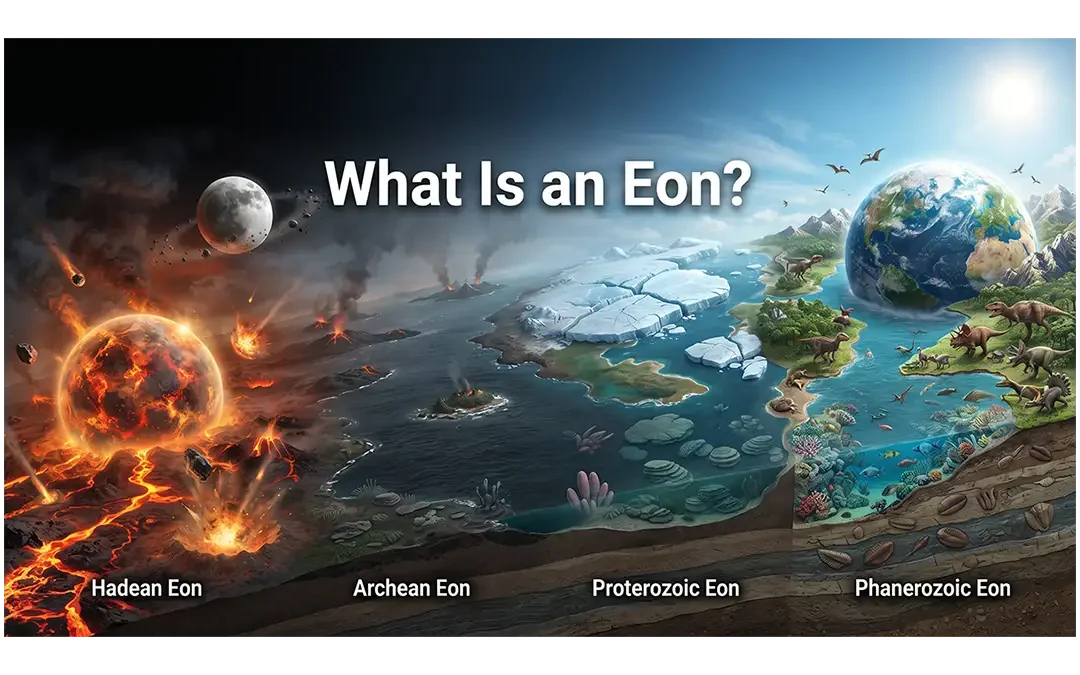 Earth is about 4.6 billion years old. During this enormous span of time, the planet has changed again and again. Continents have formed and moved, oceans have appeared and disappeared, mountains have risen, climates have shifted, and life has evolved from simple...
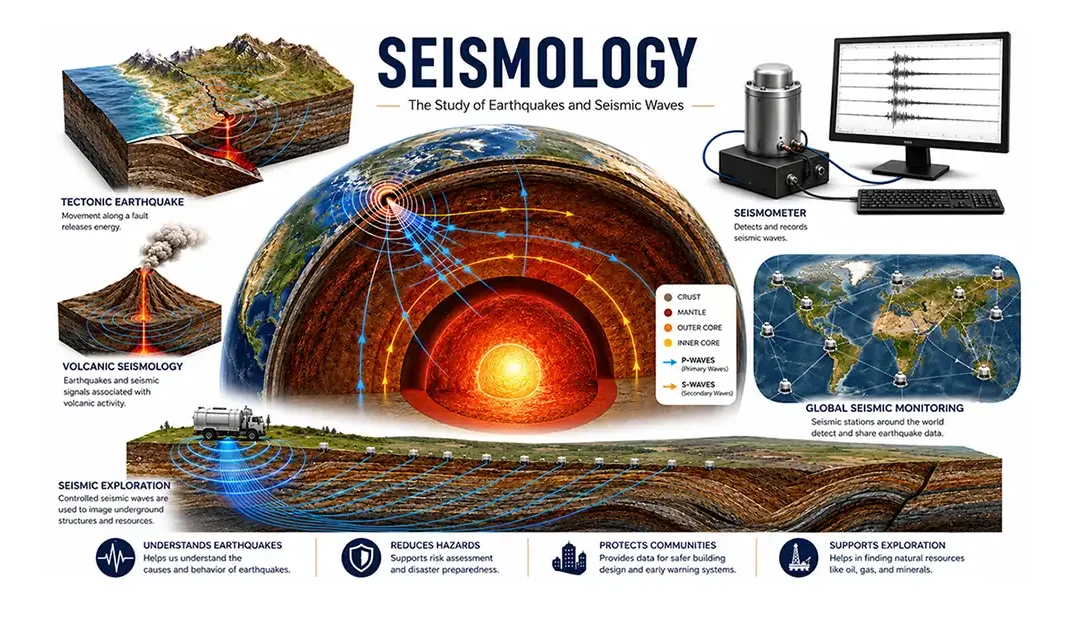 Seismology is the study of earthquakes. Much of the information about the nature of faulting during an earthquake comes from the resulting seismograms. Most earthquakes occur due to plate motion, and understanding the direction and magnitude of this movement helps...
