
Hand Lenses: Choose the Right Magnifier for Geology
Hand lenses are simple but valuable tools for examining rocks, minerals, crystals, and other geological specimens. By magnifying details that are difficult to see with the naked eye, they help geology students, field researchers, rock collectors, and mineral enthusiasts inspect the textures and features of natural materials.
The right hand lens depends on what you want to examine, how much magnification you need, and where you plan to use it. A compact 10× magnifier is a practical choice for many field observations, while higher-magnification options can help reveal smaller details. Illuminated models may also be useful when working in low-light conditions.
Explore our selection of hand lenses below, then use this guide to understand magnification, compare important features, and choose a magnifier suited to your geological work.
Best Hand Lenses for Geology and Fieldwork
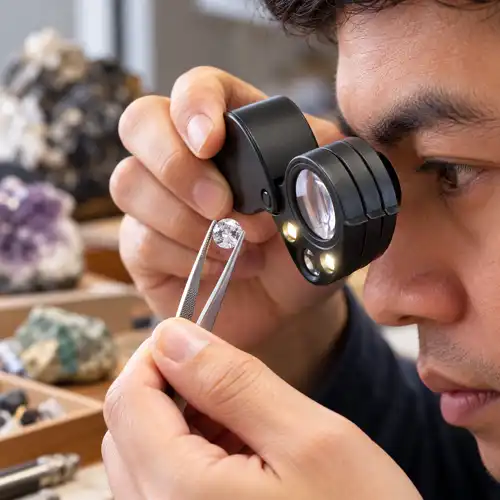
Carson TriView 5x/10x/15x Folding Loupe Magnifier
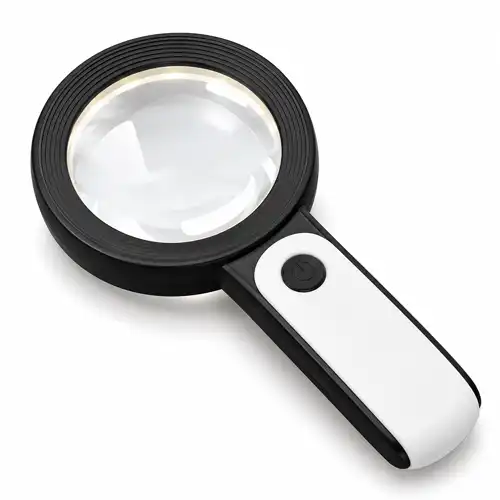
JMH Magnifying Glass with Light, Handheld Large Magnifying Glass
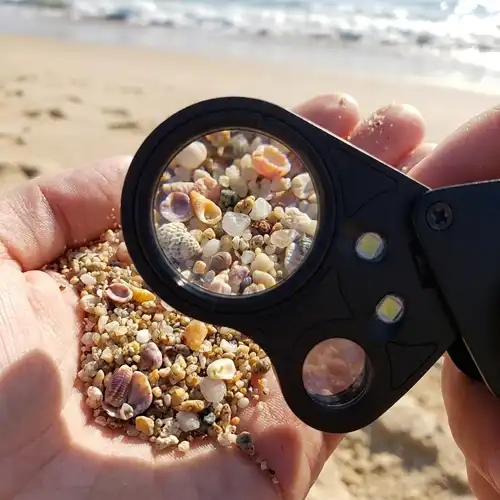
Hastings Triplet Loupe 10X Jeweler's Loupe with 16mm Triplet Lens
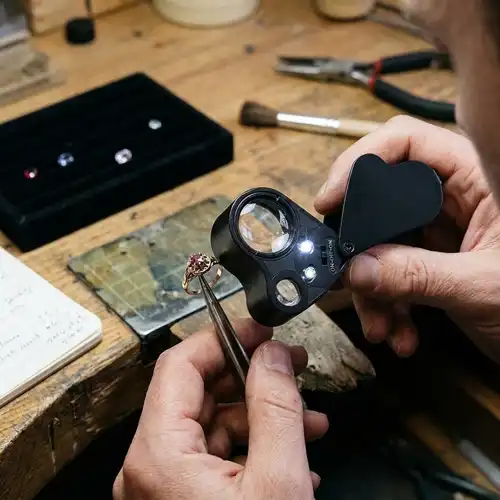
Rongon 30X Pocket Jewelers Loupe, 5PCS Foldable Handheld Magnifier
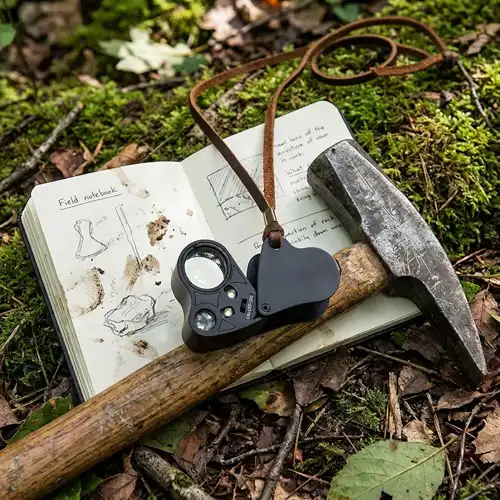
SE Professional 10X Illuminated Loupe with 18mm Glass Lens
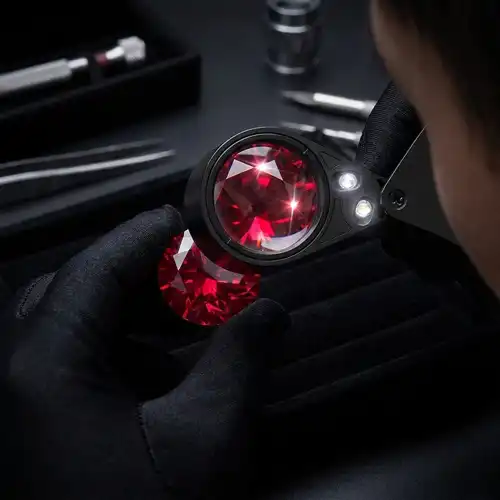
KINGMAS Foldable Jewelry Loupe 30x 21mm Jewelers Magnifying Glass
Affiliate disclosure: As an Amazon Associate, Gelogia earns from qualifying purchases. We may earn a commission when you buy through our links, at no extra cost to you.
How to Choose a Hand Lens
Not all hand lenses provide the same viewing experience. Consider the following features before choosing a geological magnifier.
Magnification
Magnification indicates how much larger an object appears through a lens compared with viewing it without magnification. Common hand lenses include 10×, 20×, and 30× options.
Higher magnification does not automatically mean better performance. As magnification increases, the field of view generally becomes smaller, focusing can become more sensitive, and the available light may be reduced. For many routine field observations, a good-quality 10× hand lens is a useful starting point.
Lens Quality and Clarity
A lens should produce a clear image without excessive distortion, colored fringes, or blurry edges. Optical quality matters when distinguishing tiny mineral grains, examining crystal surfaces, or comparing similar-looking specimens.
A larger lens can offer a more comfortable viewing area, but size alone does not determine image quality. Check the optical specifications and product information rather than relying only on appearance.
Portability and Durability
Geological fieldwork often involves walking, collecting samples, and working outdoors. A lightweight folding hand lens is easy to store in a pocket, specimen bag, or field notebook case.
Look for a secure hinge, a protective cover, and a body that feels comfortable to handle. If you regularly work in dusty or wet environments, consider how easily the lens can be protected and cleaned.
Lighting and Additional Features
Some magnifiers include built-in LED illumination, while others rely entirely on natural or external light. Lighting can be helpful indoors, in shaded locations, or when examining dark specimens.
However, illumination is not essential for every task. A simple hand lens may be more convenient for users who want a lightweight tool with fewer components to maintain.
Which Magnification Is Best for Geology?
The most suitable magnification depends on the size of the features you want to examine and the conditions in which you work.
| Magnification | Common uses | Main consideration |
|---|---|---|
| 10× | General rock and mineral inspection, field identification, grain observation | A useful balance of detail and viewing area |
| 20× | Closer examination of small crystals and surface features | Requires more careful positioning and focusing |
| 30× | Very small features and detailed close inspection | Usually offers a narrower field of view and shorter working distance |
These are general guidelines rather than strict rules. Actual performance depends on lens design, optical quality, lens diameter, lighting, and the specimen itself.
For most geology beginners, a good 10× hand lens is a sensible first purchase. More experienced users may prefer additional magnifications for specialized tasks. Remember that a hand lens cannot identify every mineral conclusively; some specimens require hardness testing, streak testing, or laboratory analysis.