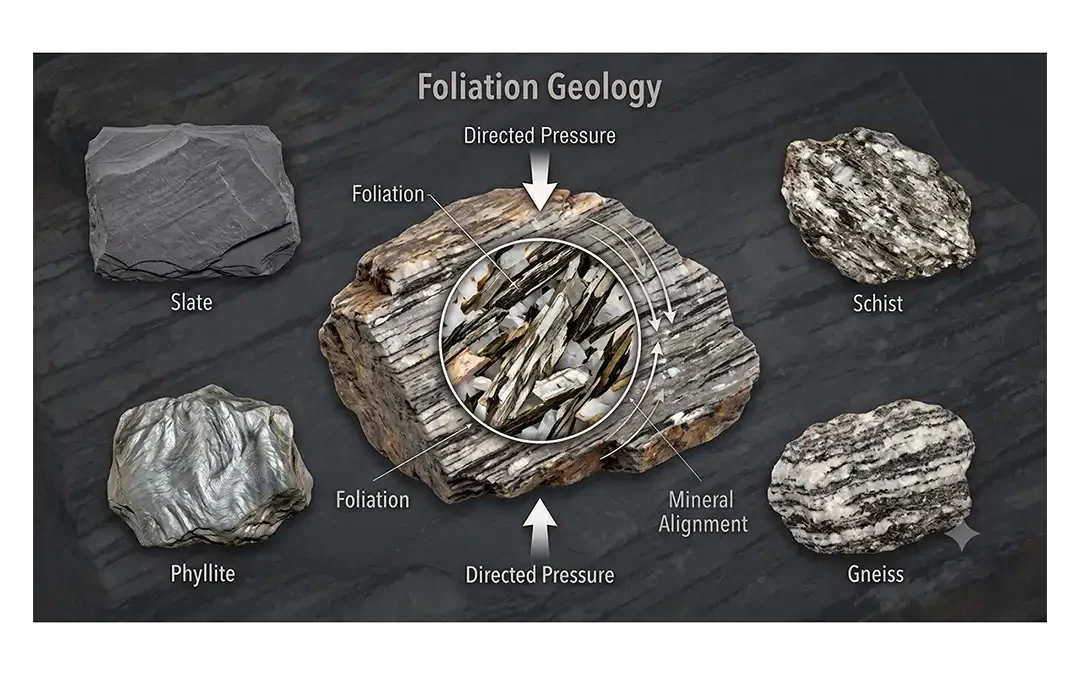
 Foliation geology refers to the layered, banded, or planar arrangement of minerals in metamorphic rocks. It develops when rocks are exposed to heat, pressure, and directed stress during metamorphism. Under these conditions, minerals may recrystallize and become...
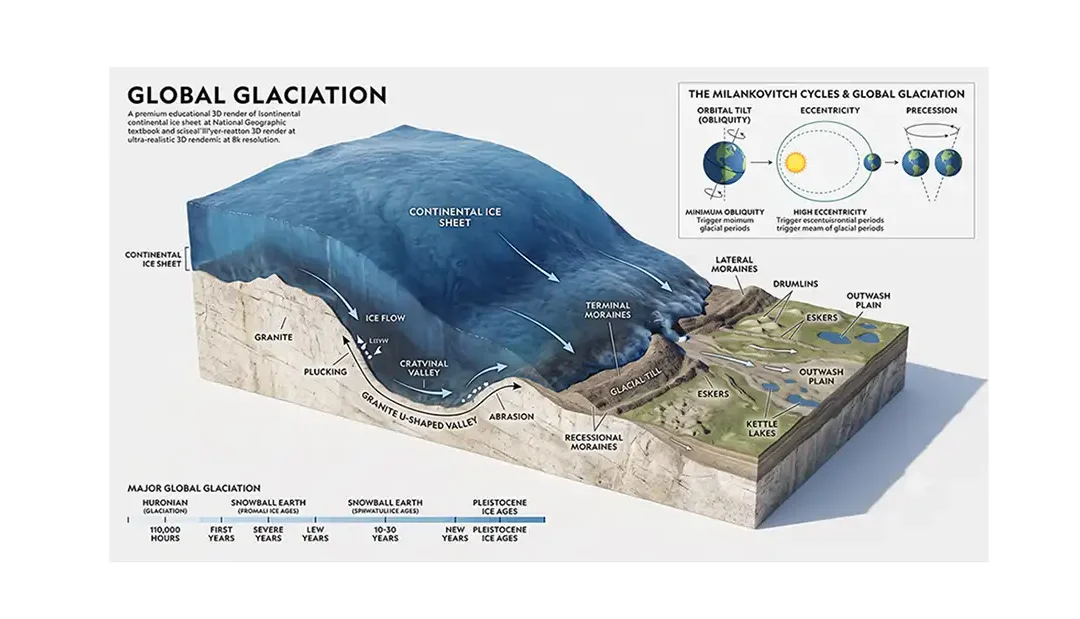 Glaciation is the massive expansion of glaciers and ice sheets across continents—a slow-motion geological force that reshapes mountains, lowers ocean levels, and alters global climates over tens of thousands of years. Stand at the bottom of Yosemite Valley today, look...
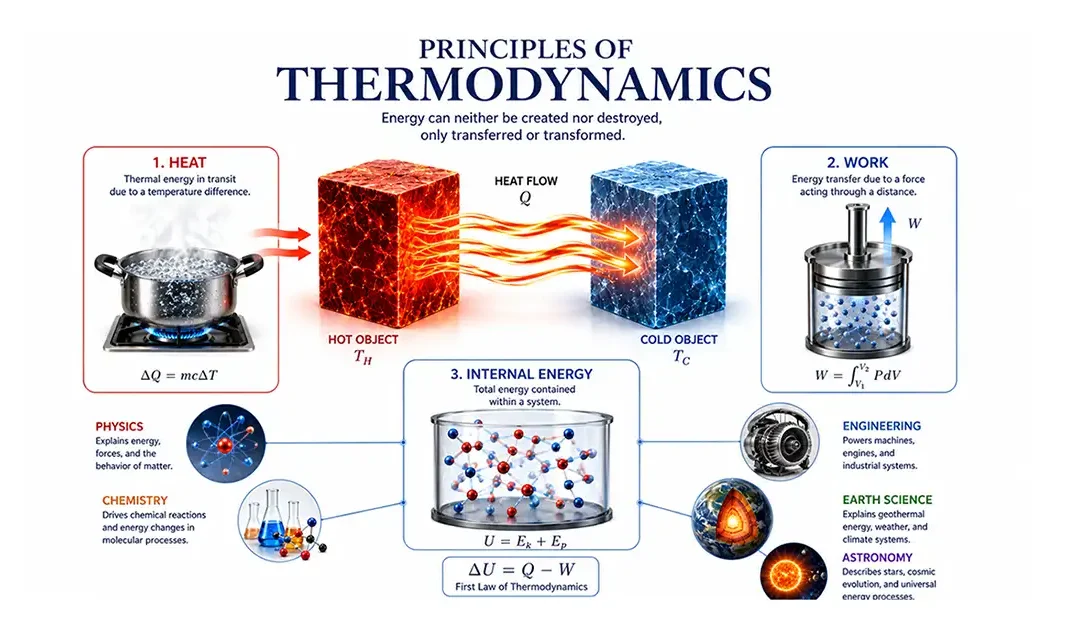 Every time you boil water, refrigerate food, drive a car, or even breathe, the principles of thermodynamics are at work. Although the term may sound highly technical, thermodynamics is simply the branch of science that explains how heat, energy, and work interact....
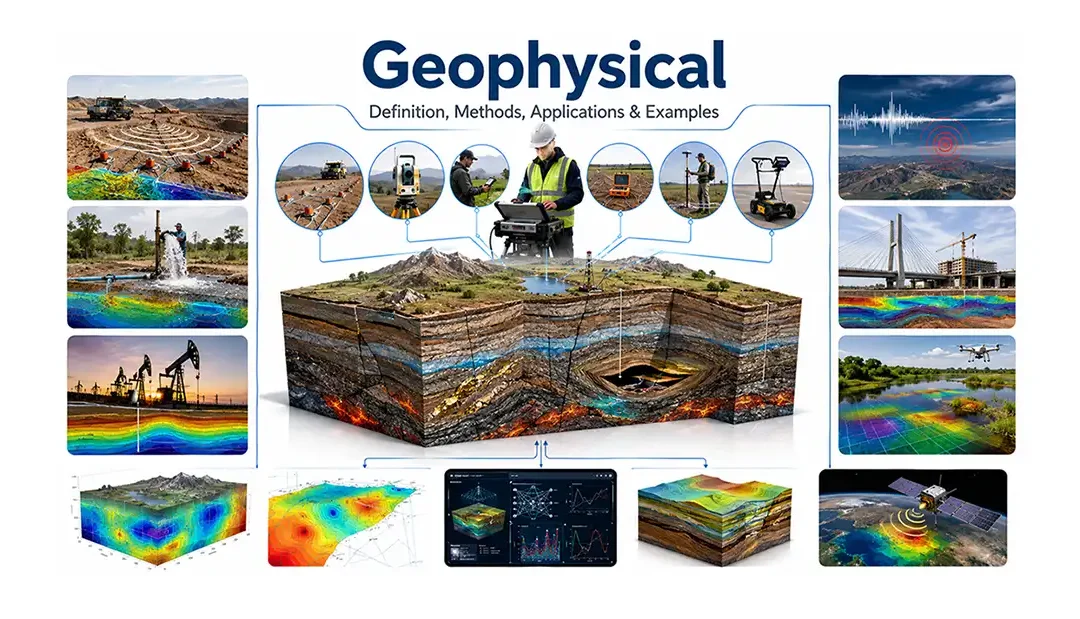 Every day, scientists investigate what lies beneath the Earth’s surface without digging deep into the ground. They can locate hidden mineral deposits, detect underground water, map buried faults, and even study the structure of the Earth’s interior. Much...
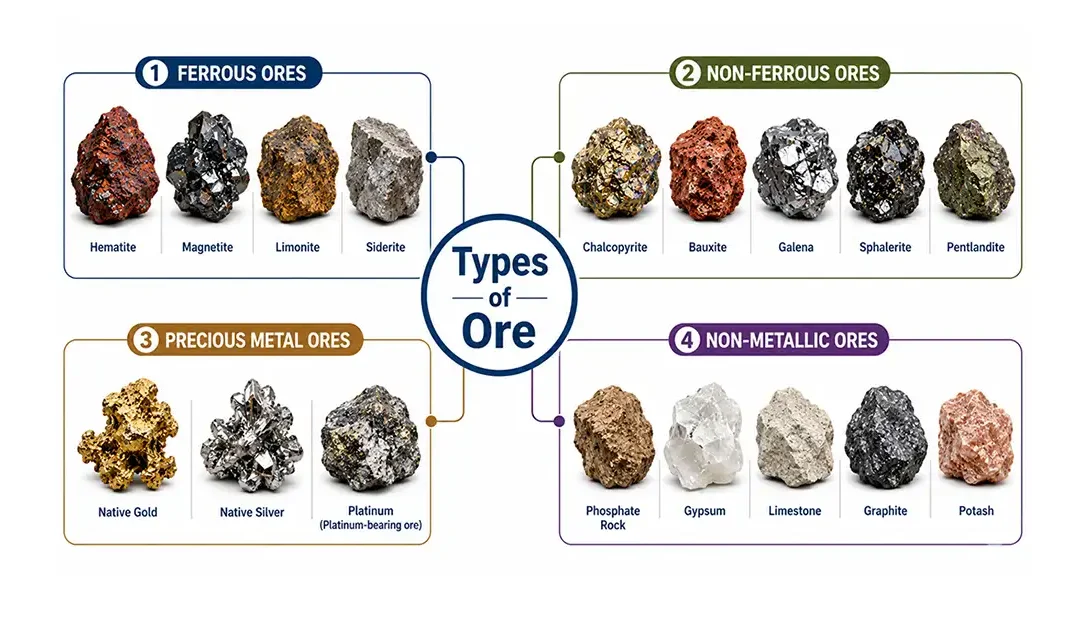 From the steel used in skyscrapers to the copper inside electrical wiring, different types of ore supply the raw materials that power modern civilization. However, not all ores are the same. Geologists classify ores based on their metal content, mineral composition,...
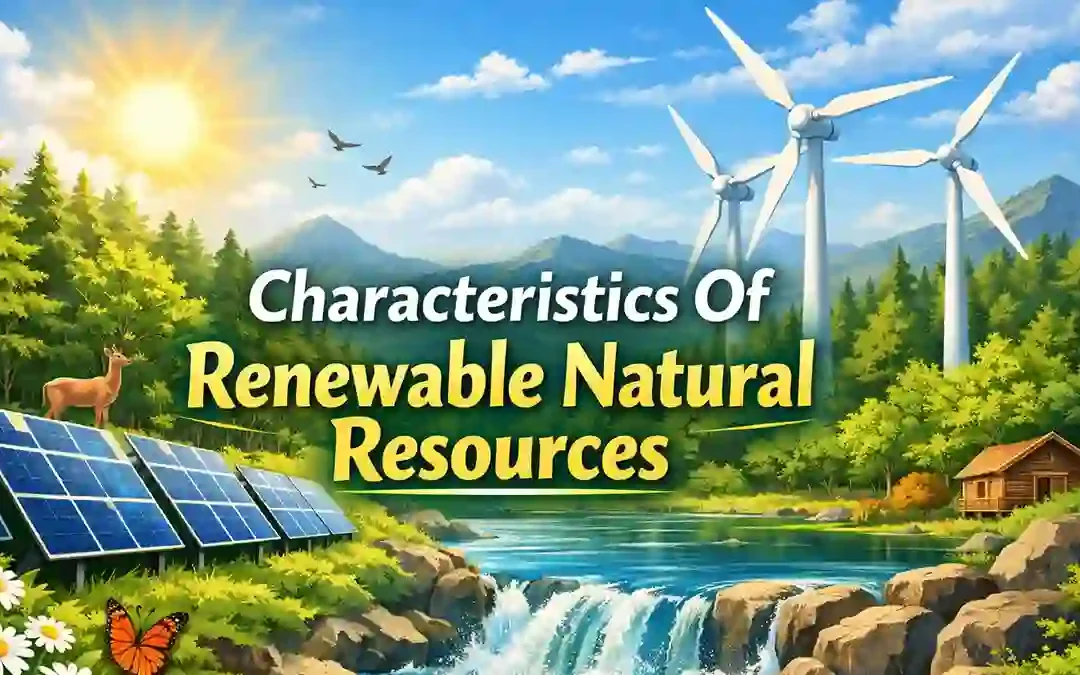 Renewable natural resources play a vital role in sustaining life and supporting economic development. Understanding their key characteristics helps in managing them wisely and ensuring their availability for future generations. Characteristics Of Renewable Natural...