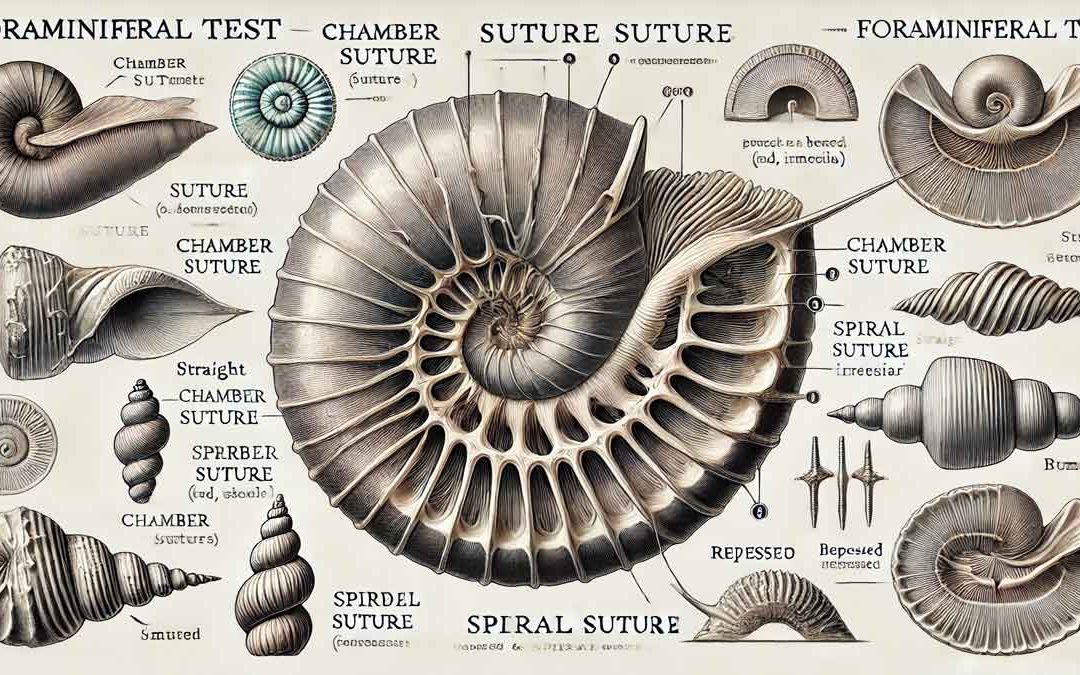
 Suture: The suture is the position on the surface of the test where the septa join the wall of the test. With reference to the surface of the test, the sutures can either be depressed, lie in the same plane, or above the surface of the test. Thickened sutures are...
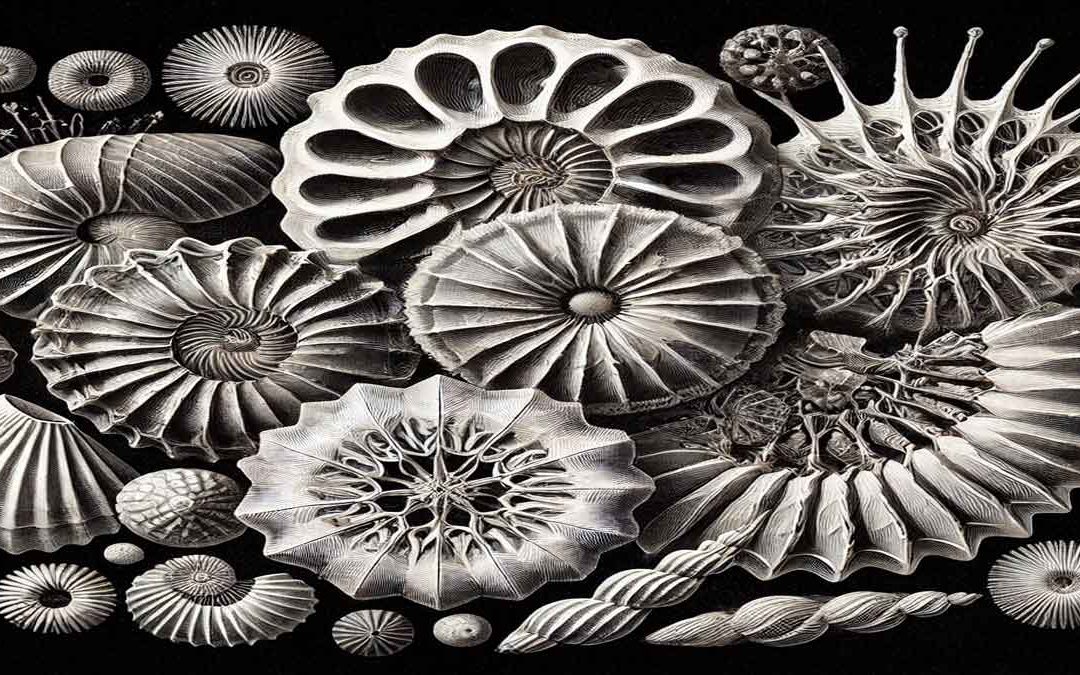 The Ecological Factors of Foraminifera: The ecological factors that control the distribution of foraminifera in marine environments are: Food: Foraminifera plays a prominent role in marine ecosystems as micro omnivores. They feed on- (a) Protozoa, (b) algae,...
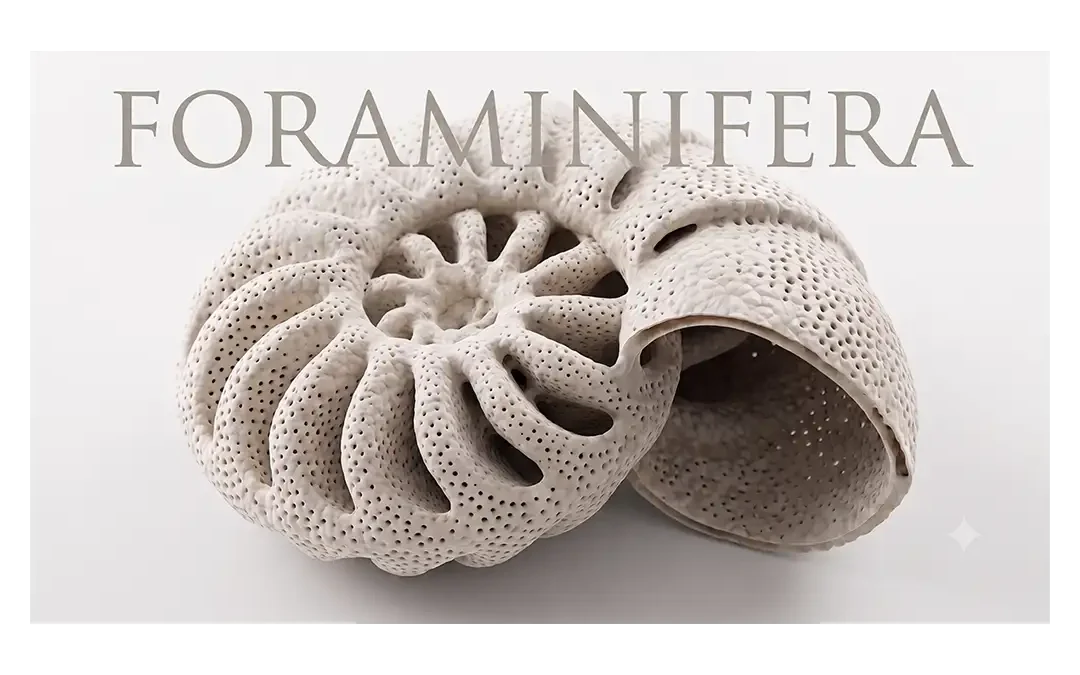 Foraminifera are tiny, single-celled organisms with intricate shells called tests, made of calcium carbonate or agglutinated particles. These marine microorganisms are essential in geology and environmental science, helping date rock layers, track climate changes, and...
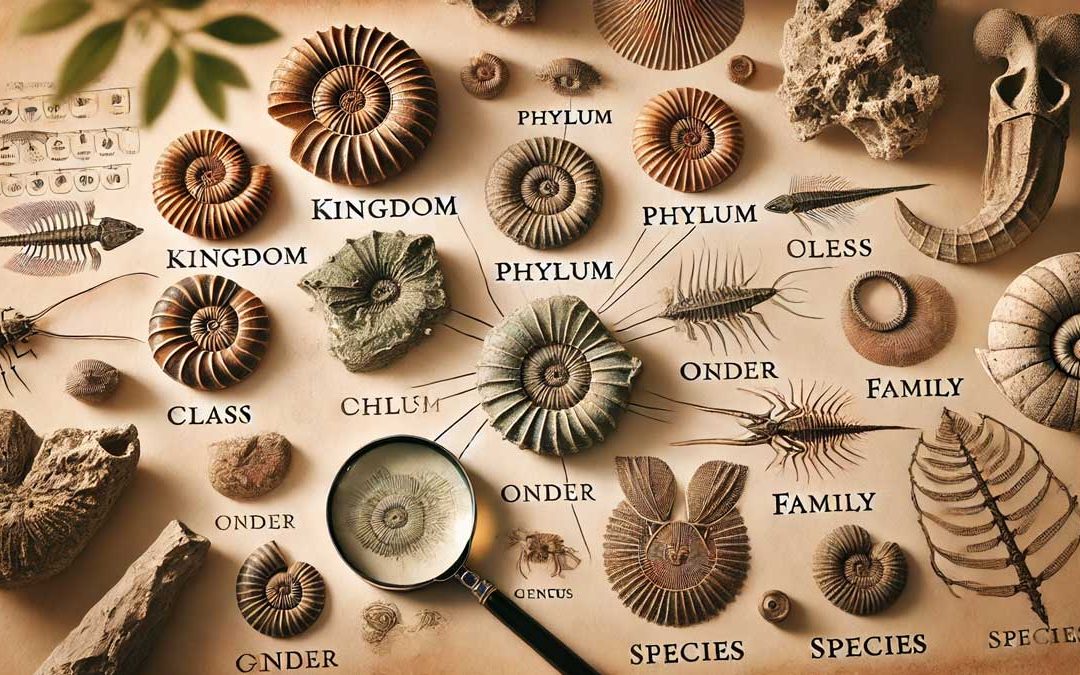 The classification of fossils follows Linnaeus’ binomial nomenclature, using genus and species names. Fossils are organized into seven taxonomic ranks, from kingdom to species, allowing scientists to study ancient life forms systematically. The system used in...
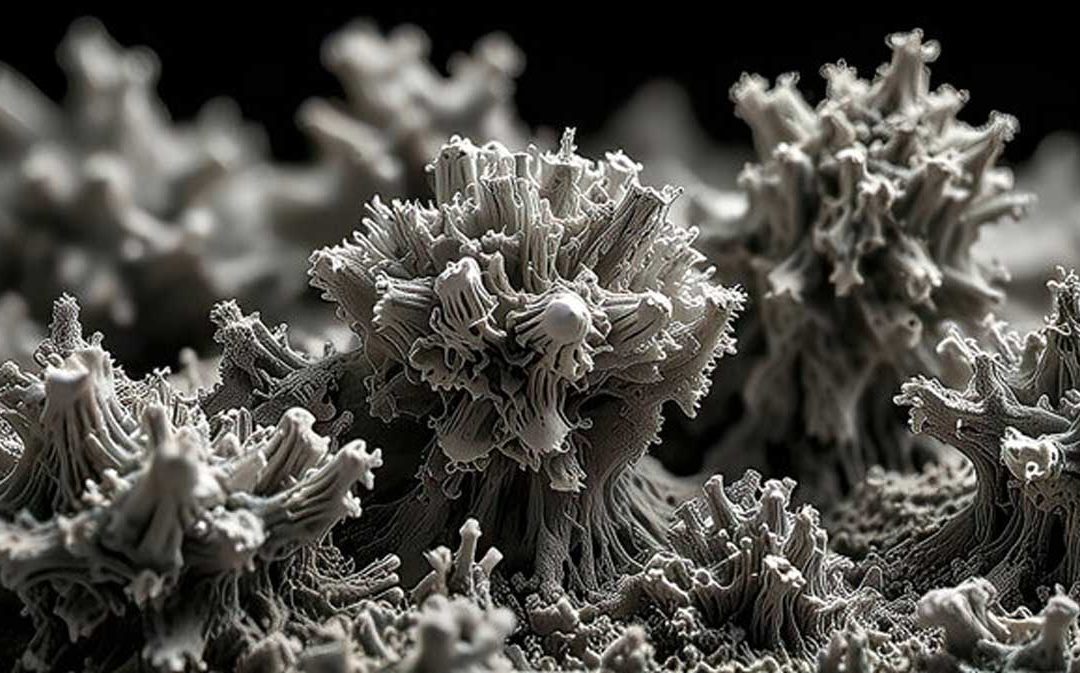 Microfossils are tiny fossils (0.001 mm to 1 mm) studied under a microscope. Found in marine and terrestrial environments, they help in biostratigraphy, paleoenvironmental analysis, and petroleum exploration, providing key insights into Earth’s history, climate,...
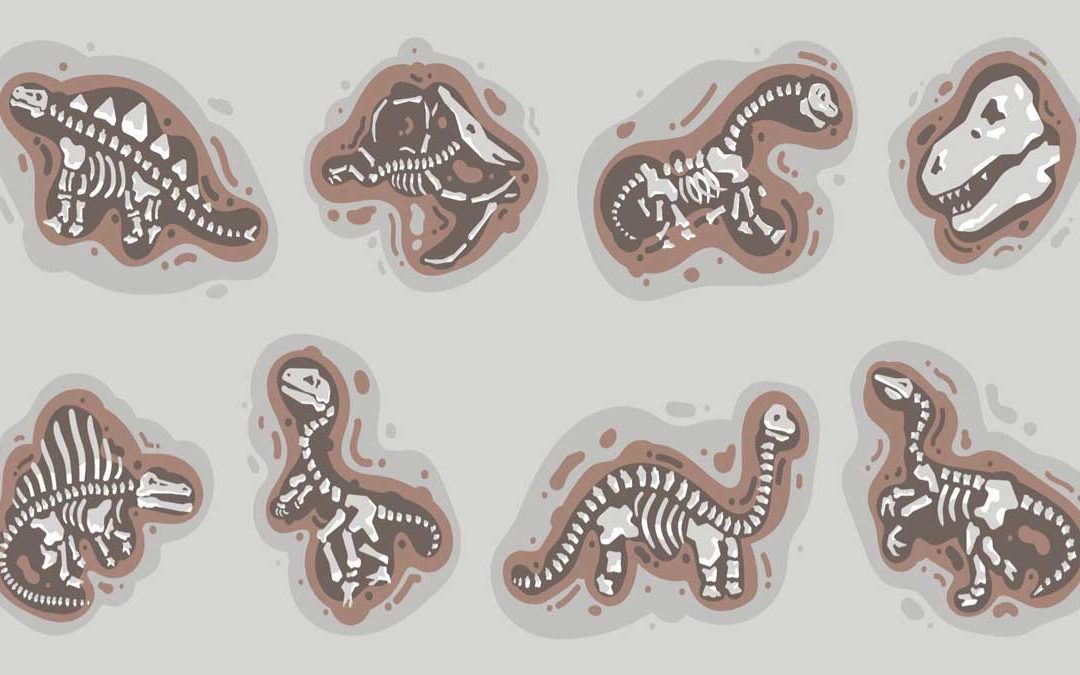 Formation of Fossil: A fossil is the preserved remains or terraces of a dead organism. Fossils can be formed in several ways. Four different ways by which fossils can form are explained below: Permineralization occurs when dissolved minerals carried by groundwater...
