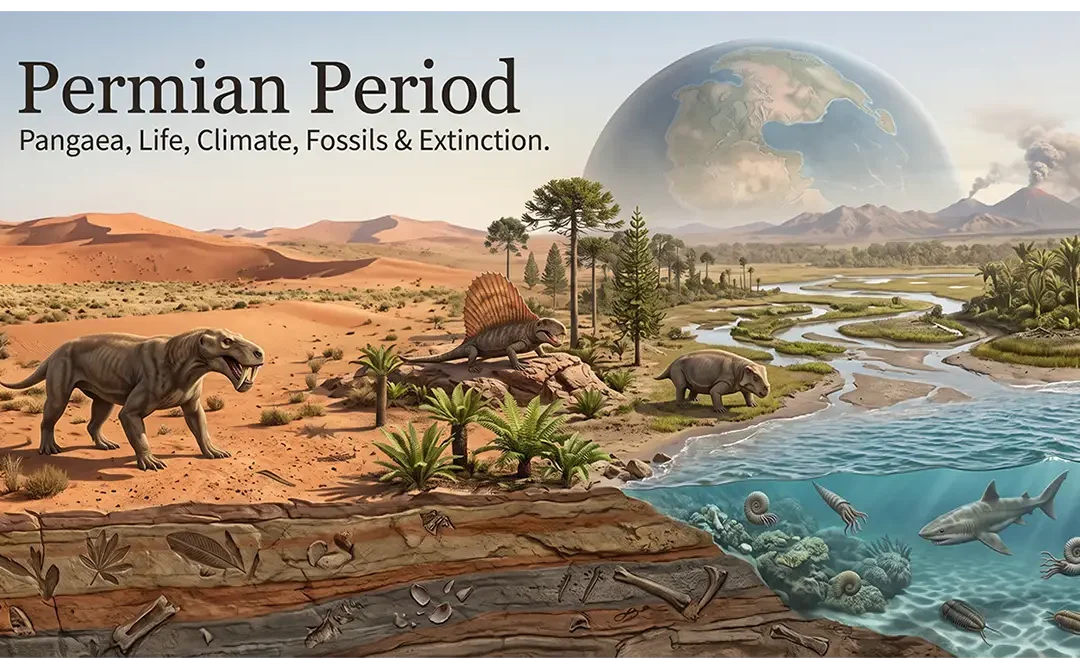
 Permian Period was the final period of the Paleozoic Era and a time of major changes in Earth’s climate, geography, and life. It lasted from about 298.9 million to 251.9 million years ago. During the Permian, most of Earth’s major landmasses were joined...
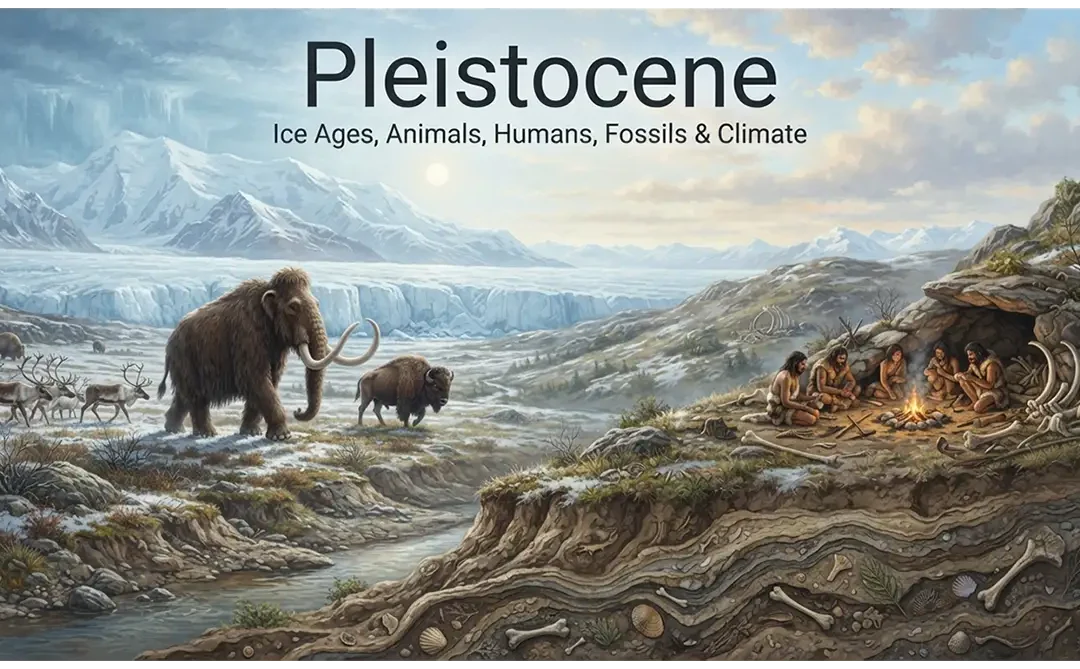 Pleistocene was a major geological epoch known for repeated ice ages, changing climates, large mammals, expanding glaciers, and important stages of human evolution. It lasted from about 2.58 million years ago to 11,700 years ago and formed the first part of the...
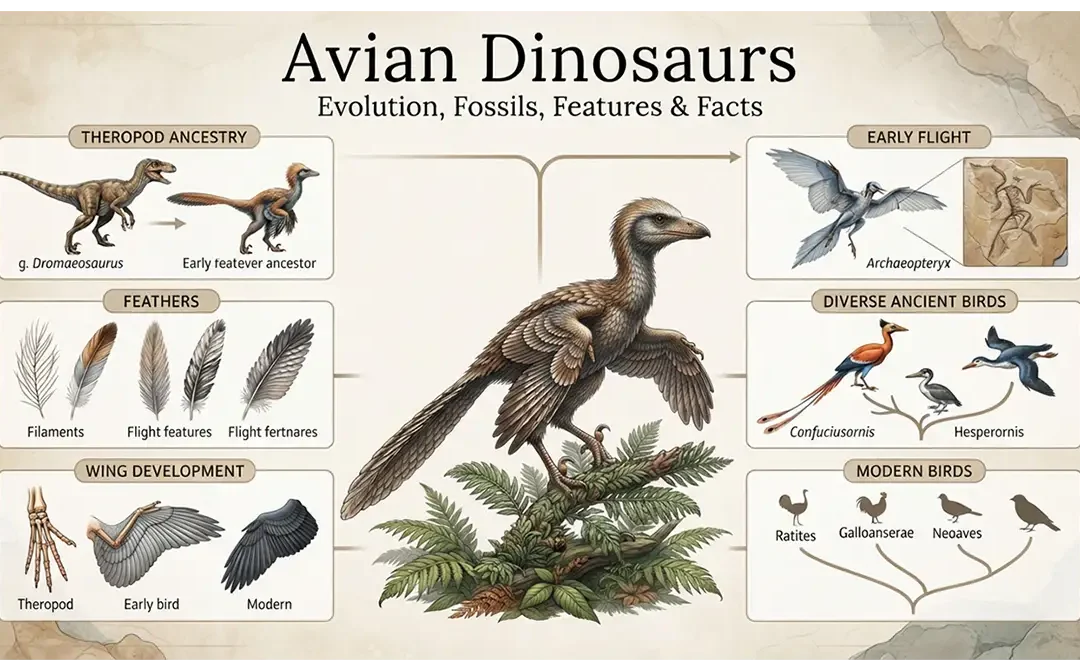 Avian dinosaurs are the group of dinosaurs that includes modern birds and their extinct bird-line relatives. They evolved from small theropod dinosaurs and developed a combination of features that helped them become increasingly suited to life in the air. Their...
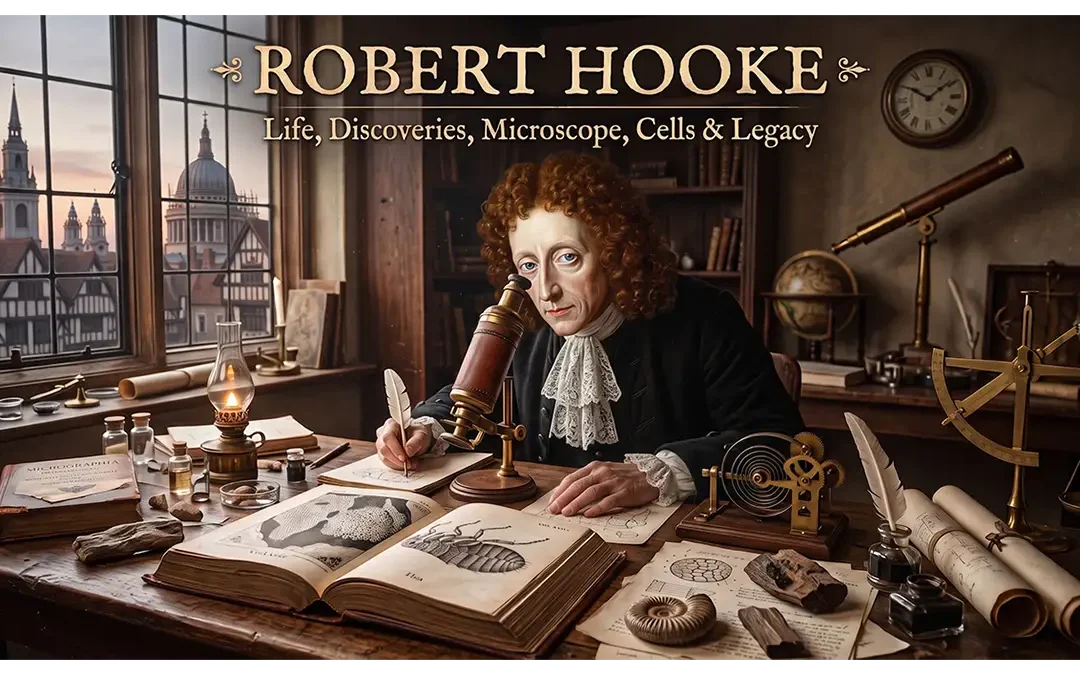 Robert Hooke was one of the most versatile scientists of the 17th century. He worked across microscopy, biology, physics, astronomy, geology, mechanics, architecture, and scientific instruments, making him an important figure in the development of modern experimental...
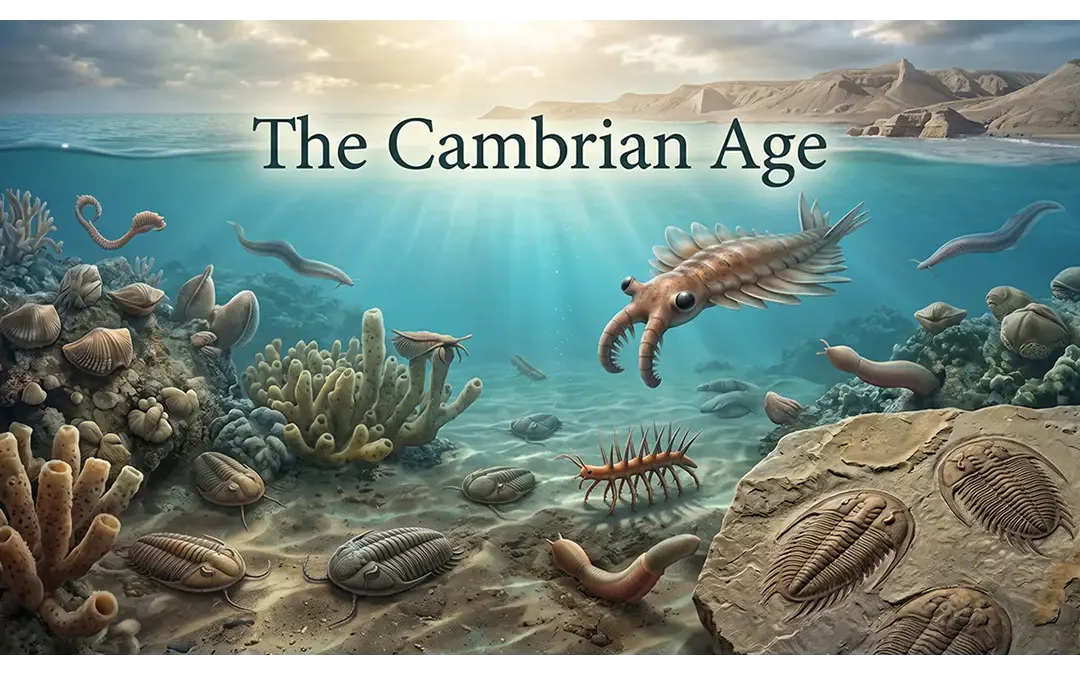 Cambrian Age is one of the most important chapters in Earth’s history because it marks a major diversification of complex marine life. During this time, many animal groups developed new body forms, feeding strategies, shells, and other structures that became...
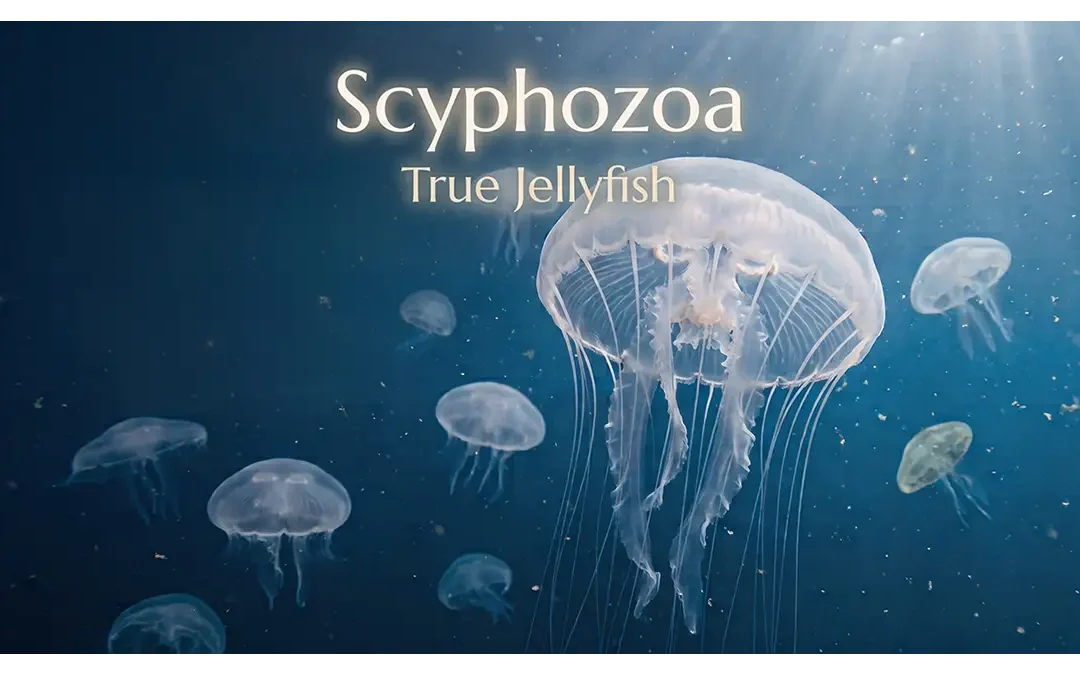 Scyphozoa is a class of marine cnidarians commonly known as true jellyfish. These animals are best known for their soft, bell-shaped bodies, stinging cells, and free-swimming adult stage. They live mainly in oceans and play important roles as predators and prey in...