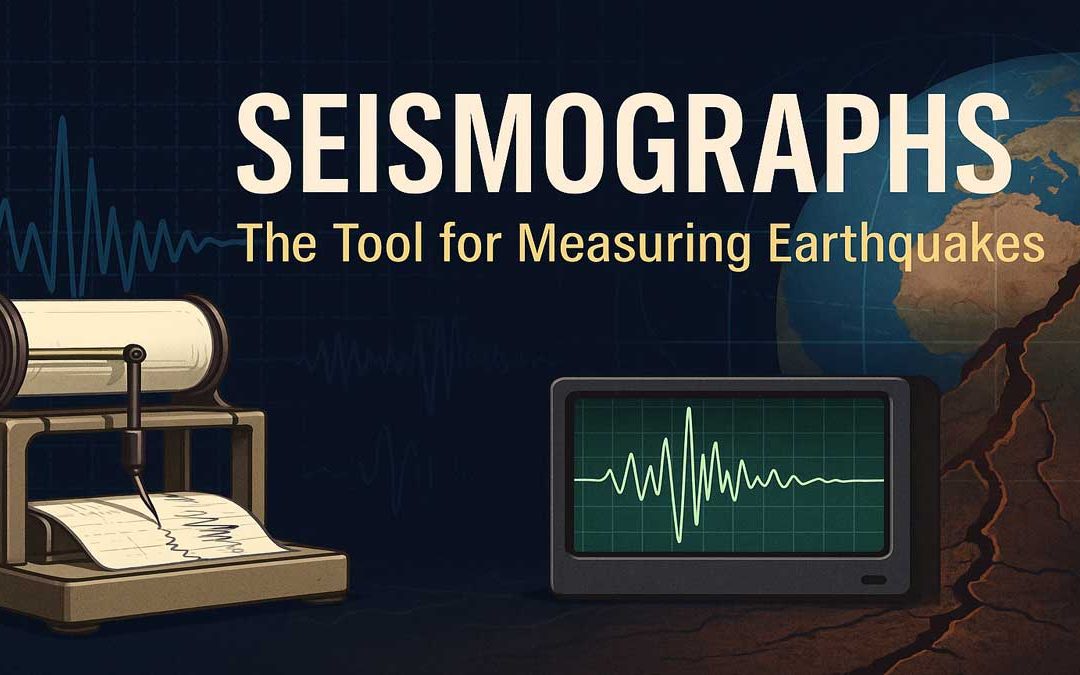
 A seismograph is an essential device used by scientists to measure and record earthquakes. By understanding how seismographs work, we can better interpret seismic activity and improve earthquake preparedness. How Does a Seismograph Work? A seismograph is the device...
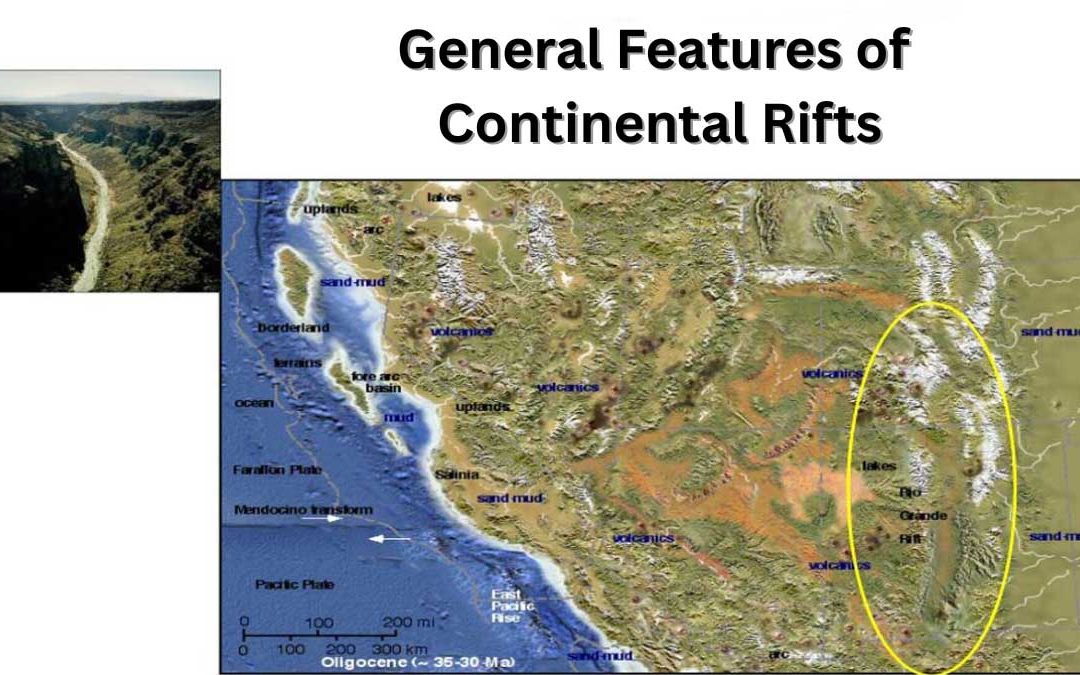 Continental rifts are geological zones where the Earth’s crust is stretched and broken, forming deep fault-bounded valleys. These structures play a key role in understanding plate tectonics, continental breakup, and the formation of new ocean basins. This...
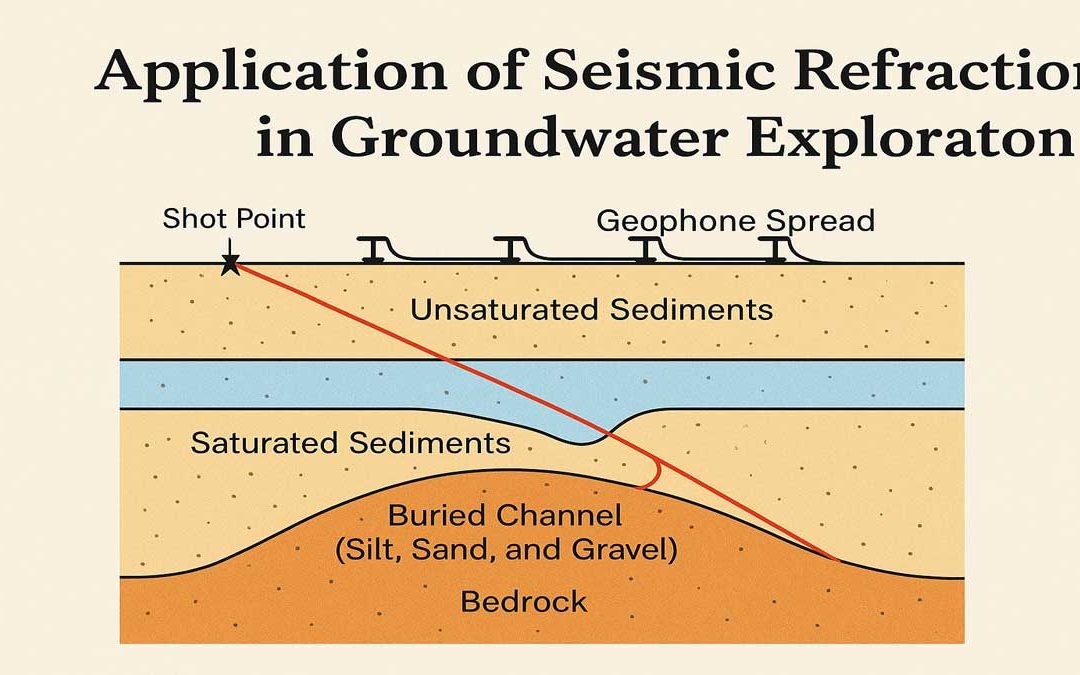 Application of Seismic Refraction Measurements in Groundwater: Mapping of Buried Channels using Seismic Refraction: The most common use of the seismic method in hydrogeology is the determination of the thickness of sediments overlying non-water-bearing consolidated...
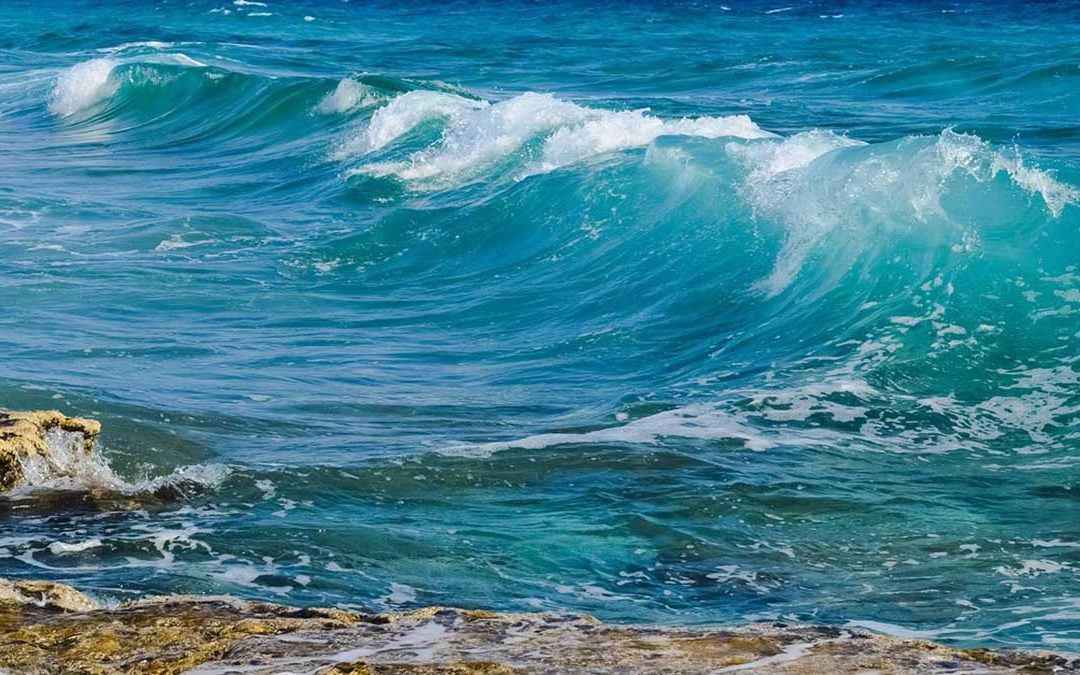 The energy that moves sand along a beach comes from the wind-driven water waves that break upon the shore. As wind blows over the surface of an ocean or a lake, some of the wind‘s energy is transferred to the water surface, forming the waves that move through the...
 Ophiolites: Ophiolites are tectonically emplaced successions of mafic and ultramafic rocks that are considered to represent fragments of oceanic or back-arc basin crust (Coleman, 1977; Moores, 1982). Units of Ophiolites: An ideal ophiolite includes from bottom to top...
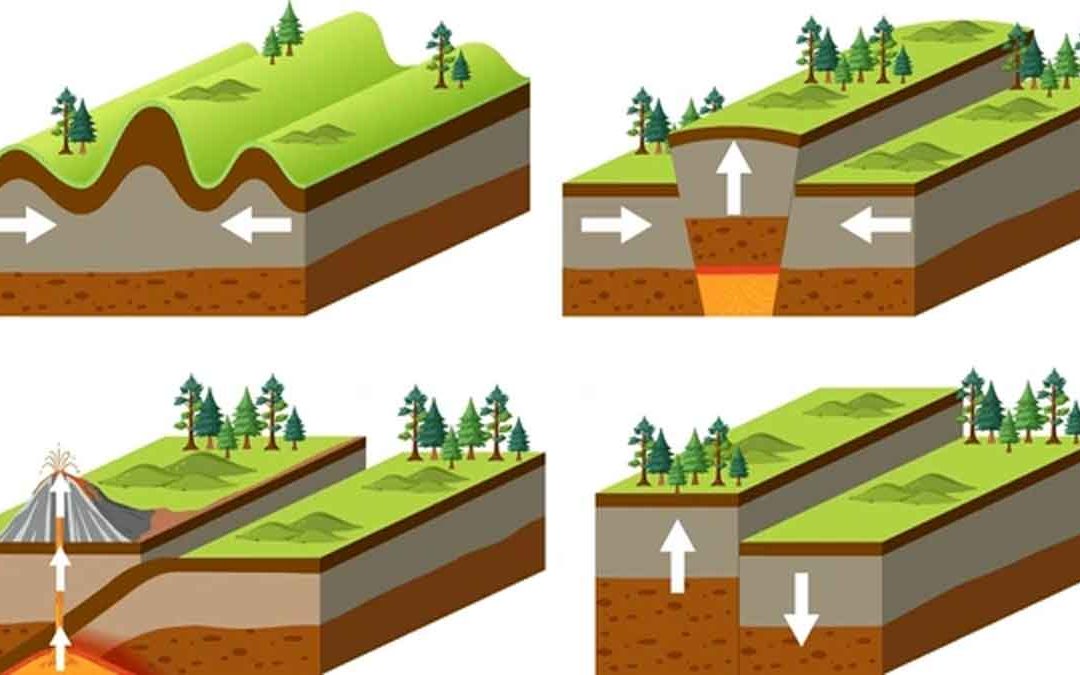 Convergent margins are among the most powerful and dynamic geological features on Earth. They are the places where two tectonic plates move toward each other, creating immense forces that shape the planet’s surface over millions of years. These plate...
