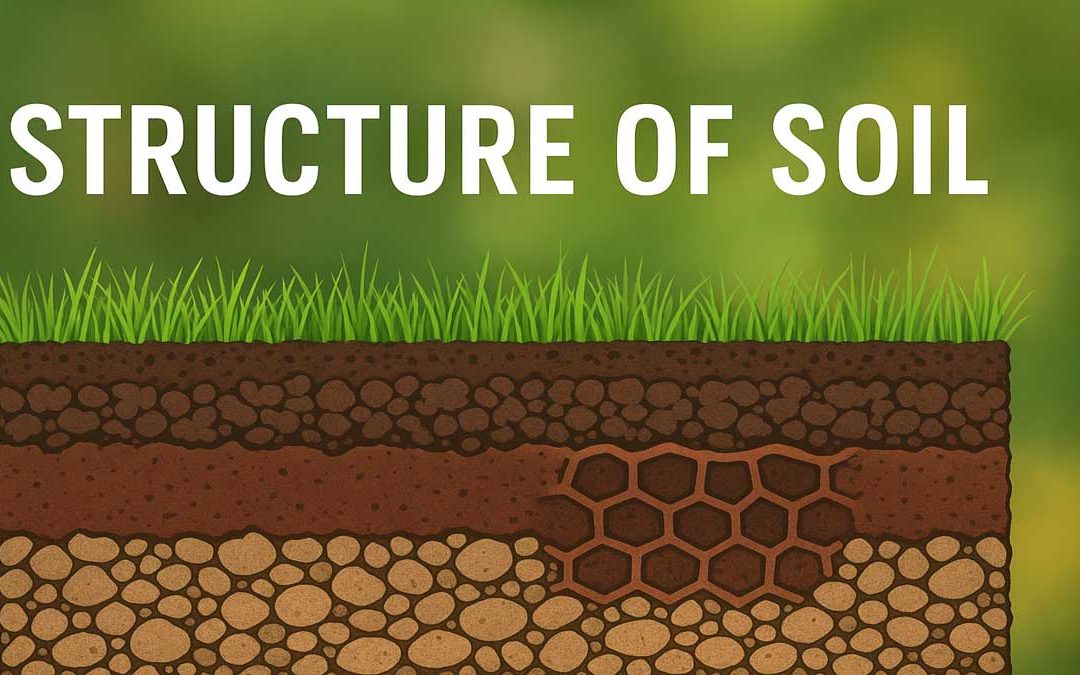
 The structure of soils is the arrangement of the constituent particles in the soil matrix that contains voids, fissures, and cracks. Soil structure depends on many factors such as shape, size, mineral composition, orientation of the grains, the relation of soil water...
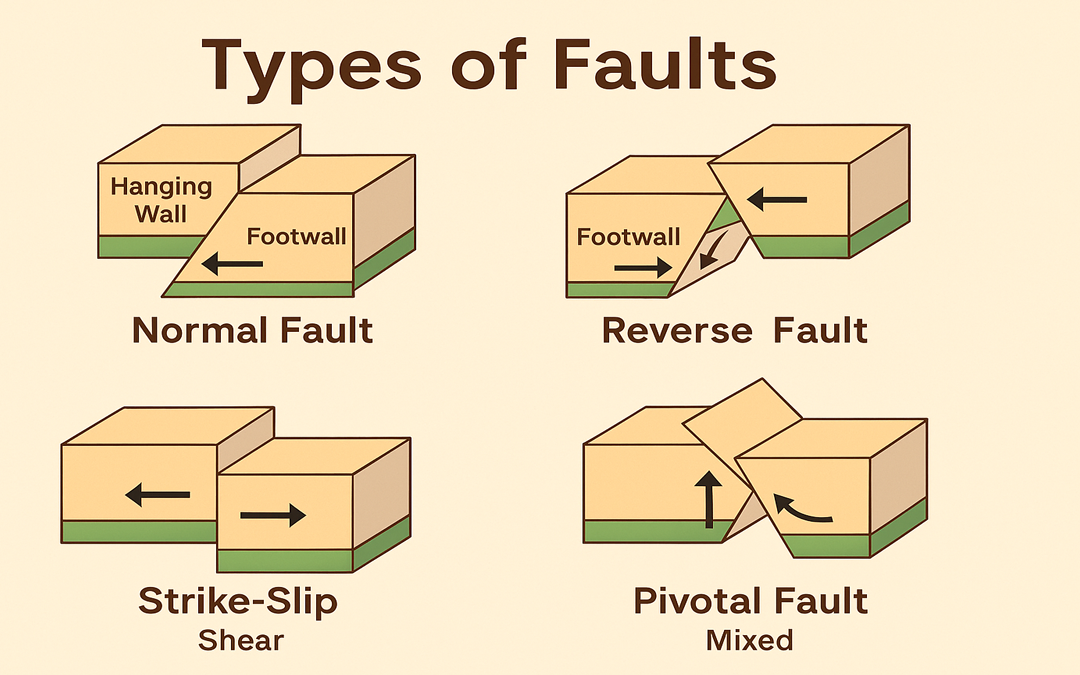 Faults are fractures in the Earth’s crust where blocks of rock have moved past each other due to tectonic forces. These movements are caused by stresses such as compression, tension, and shearing. Understanding the types of faults is essential in geology to interpret...
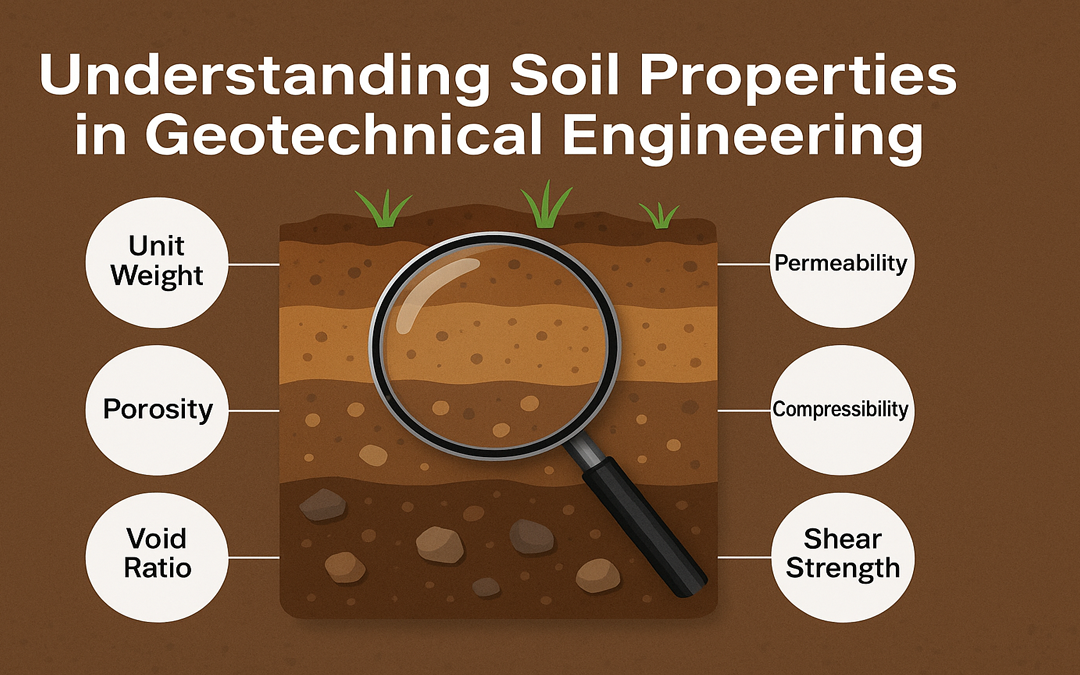 Soil properties are fundamental characteristics that define how soil behaves under various conditions. In geotechnical engineering, understanding these properties is essential for analyzing ground stability, designing foundations, and ensuring safe construction...
 Soil forms the foundation of agriculture, construction, and ecosystems. Farmers, engineers, and environmentalists must understand the types of soils to make informed decisions. This guide explores the classification of soils based on grain size, origin, composition,...
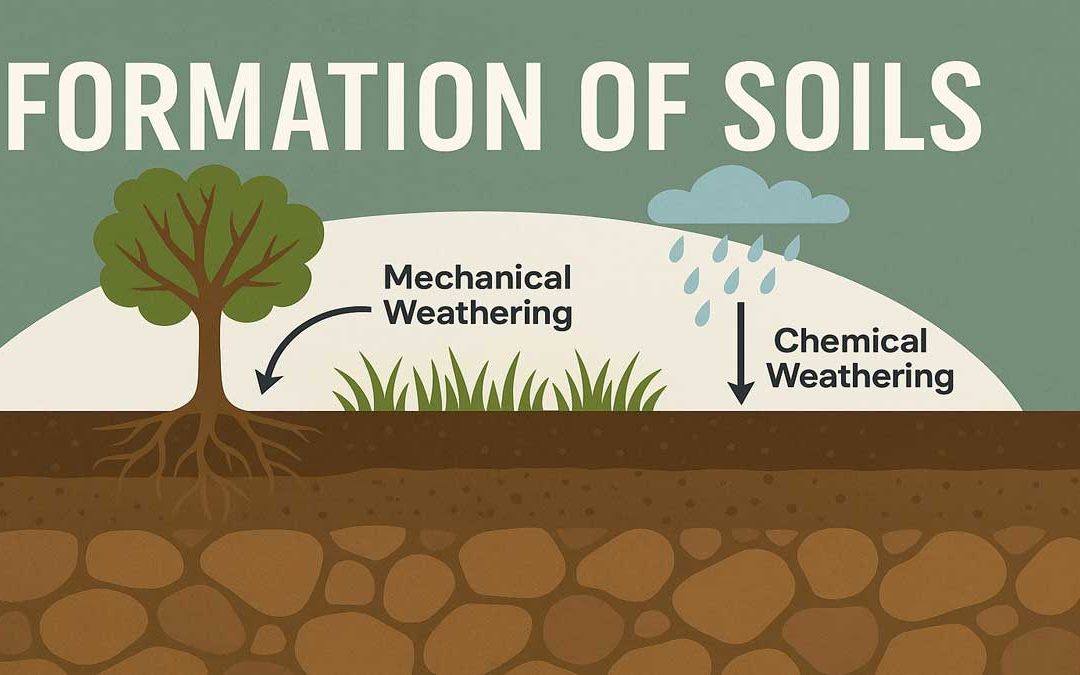 The formation of soils begins as a natural geological process that breaks down rocks into finer particles. Weathering — both mechanical and chemical — gradually turns solid rock into loose, fertile soil that supports plant life. Formation of Soils: Soil refers to a...
 The Mercalli Intensity Scale provides a way to measure earthquakes not by scientific instruments alone, but by the effects felt by people and damage observed in the built environment. Unlike magnitude scales (which measure energy released), the Mercalli scale ranks an...
