 The Mercalli Scale measures earthquake intensity by examining how shaking affects people, buildings, and the ground at a particular location. In contrast, magnitude scales measure the size of an earthquake at its source, while the Mercalli Scale describes how strongly...
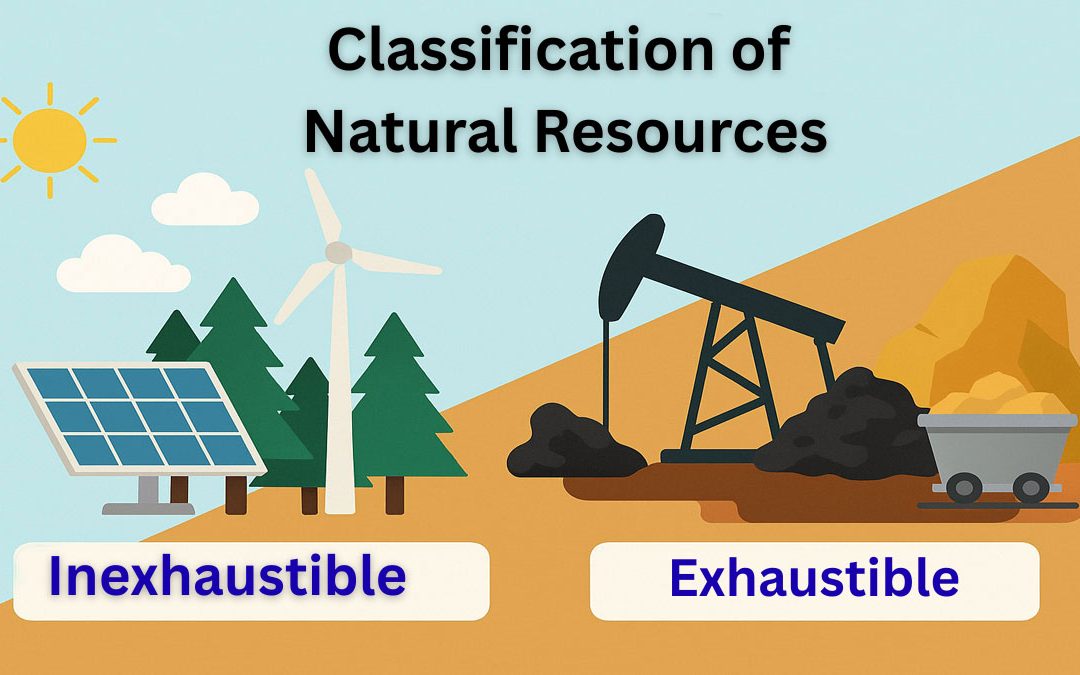 The classification of natural resources is essential because natural resources vary greatly in their location, quantity, and quality. For instance, a particular forest type may occur only in certain countries. Also, the geographical area covered by the forest and the...
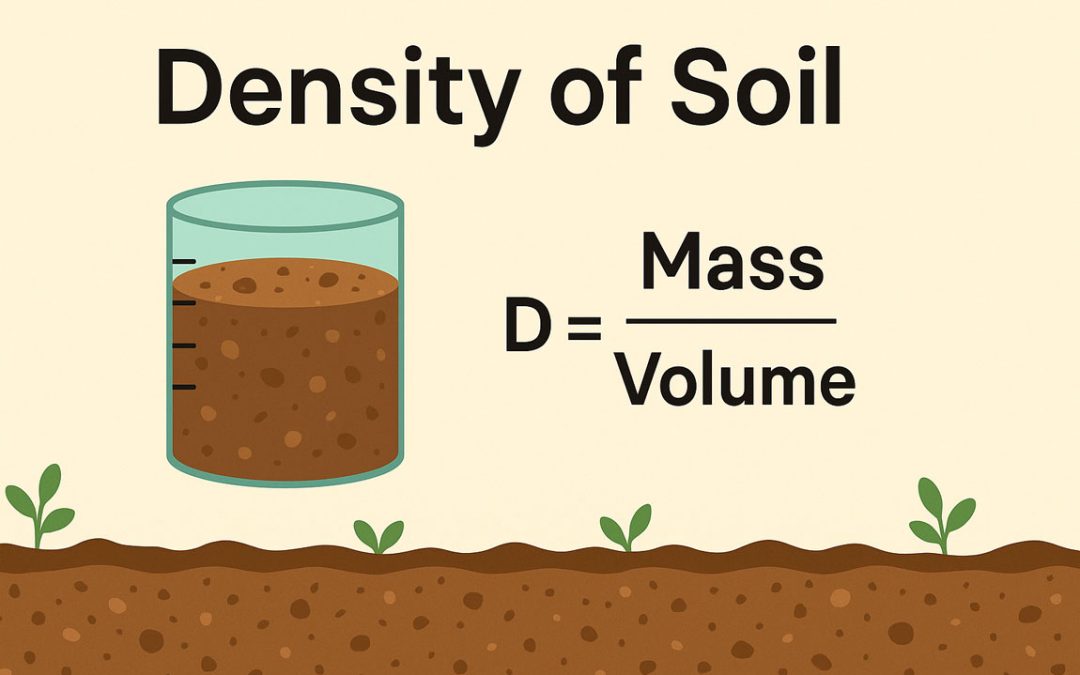 The density of soil refers to the mass of soil within a given volume. It helps us understand how compact or loose the soil is, which is important for construction, farming, and soil testing. Different types of soil density, like bulk density, dry density, saturated...
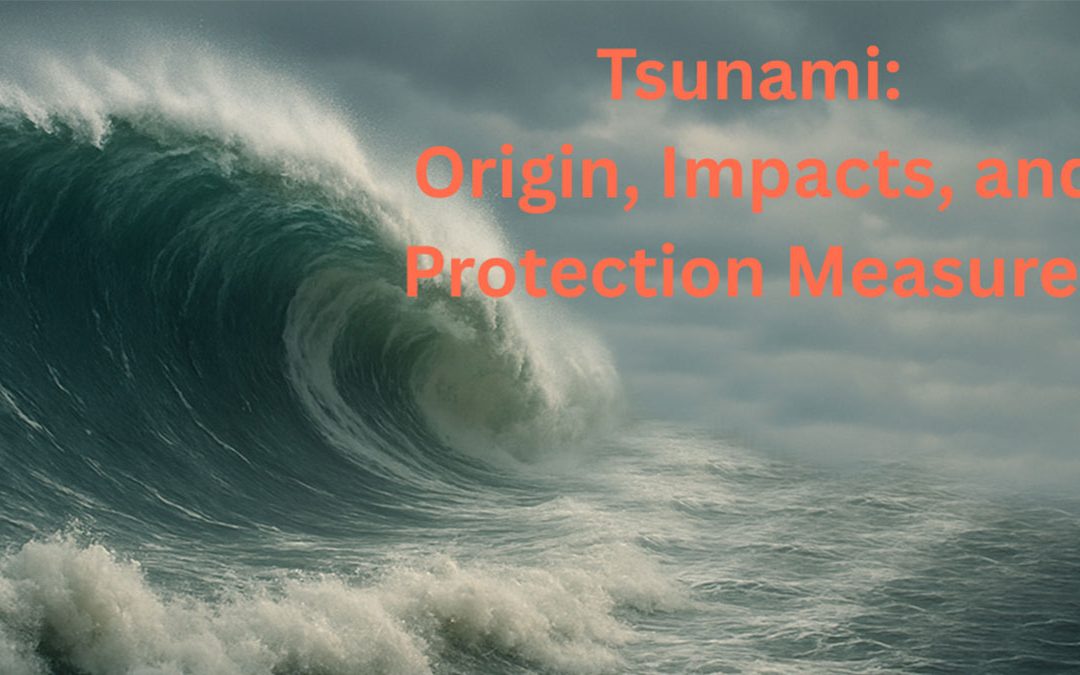 A tsunami is one of nature’s most powerful and destructive forces, causing immense devastation along coastal regions. Unlike ordinary tidal waves, tsunamis are triggered by undersea earthquakes, volcanic eruptions, or seabed movements. These events send high-speed...
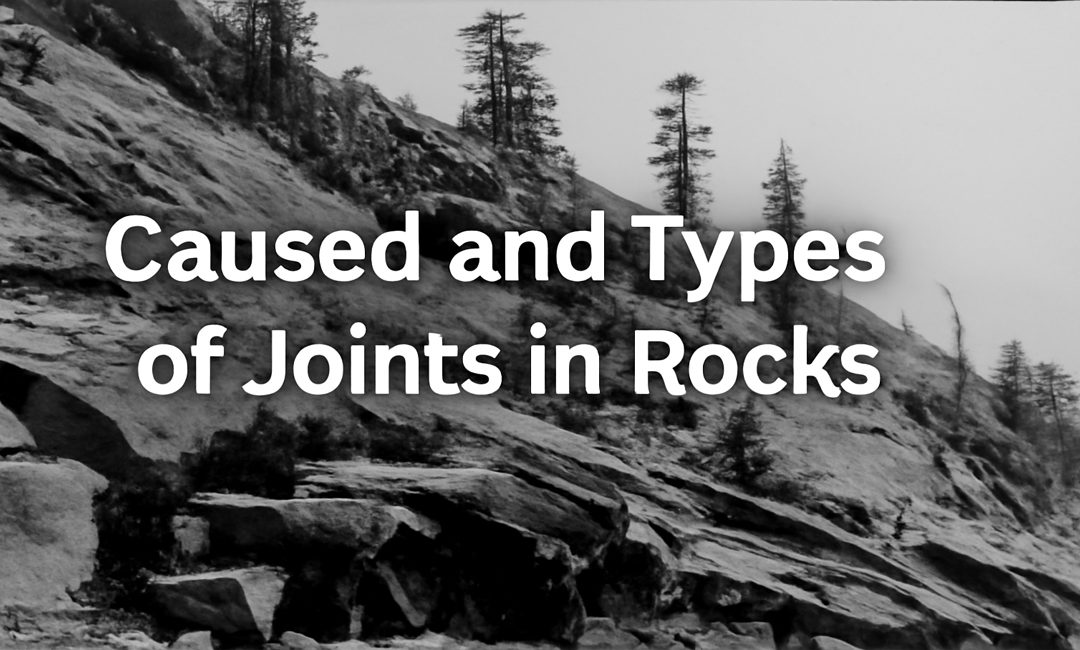 Joints are natural cracks or fractures in rocks that form when stress exceeds the rock’s strength. Unlike faults, they show little or no movement along the fracture. Joints typically appear in sets with regular patterns and result from factors like rock type, stress...
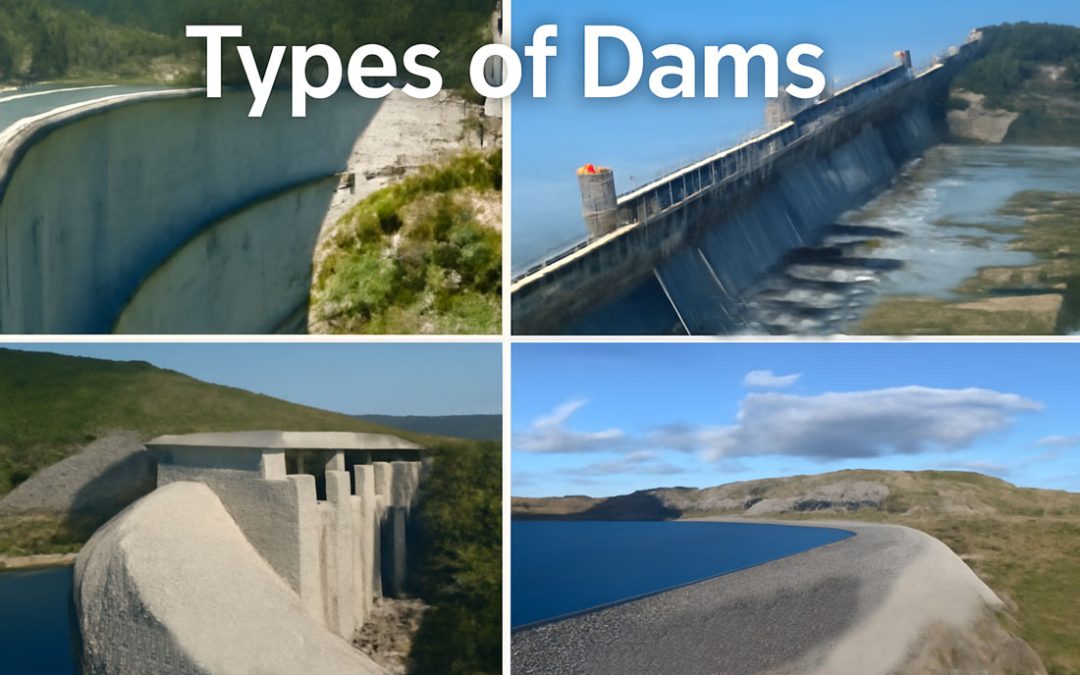 Types of dams are classified based on construction materials and site conditions, each serving different engineering and environmental needs. The main types—concrete, masonry, rock-fill, and earth dams—store water, control floods, support irrigation, and generate...
