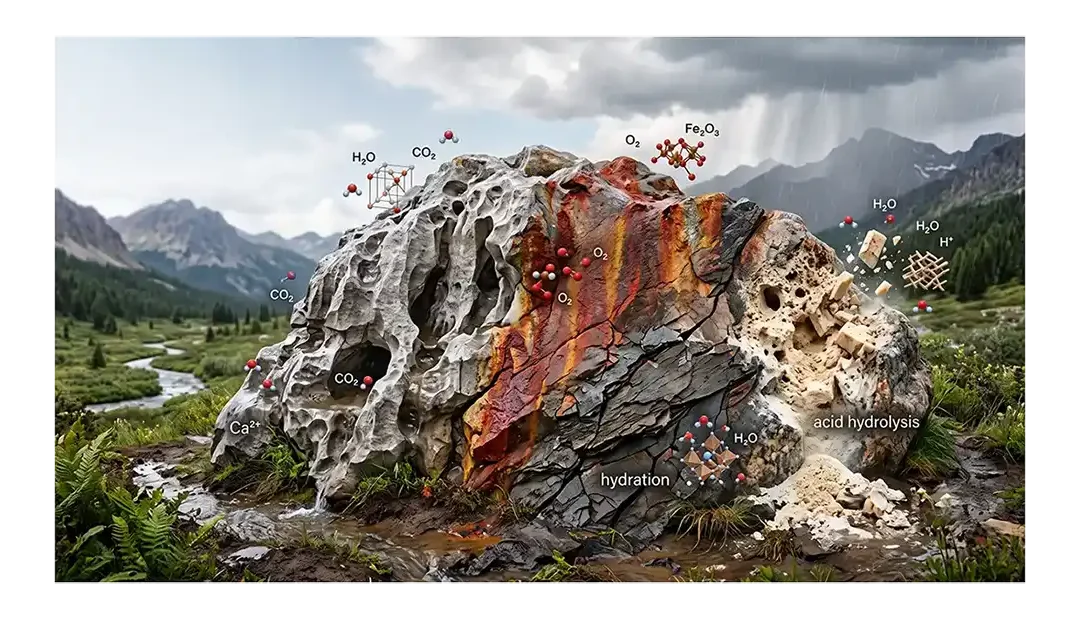
 Chemical weathering is the fundamental geological process by which rocks and minerals undergo chemical breakdown, lattice alteration, and transformation into entirely new mineral products. While mechanical weathering physically fractures rock into smaller fragments...
 Sedimentary basins are morphotectonic depressions on Earth’s crust, which accumulate a considerable amount of sediments over geological time. Sedimentary basins are the repositories of a great volume of economic deposits, including hydrocarbons, coals, groundwater,...
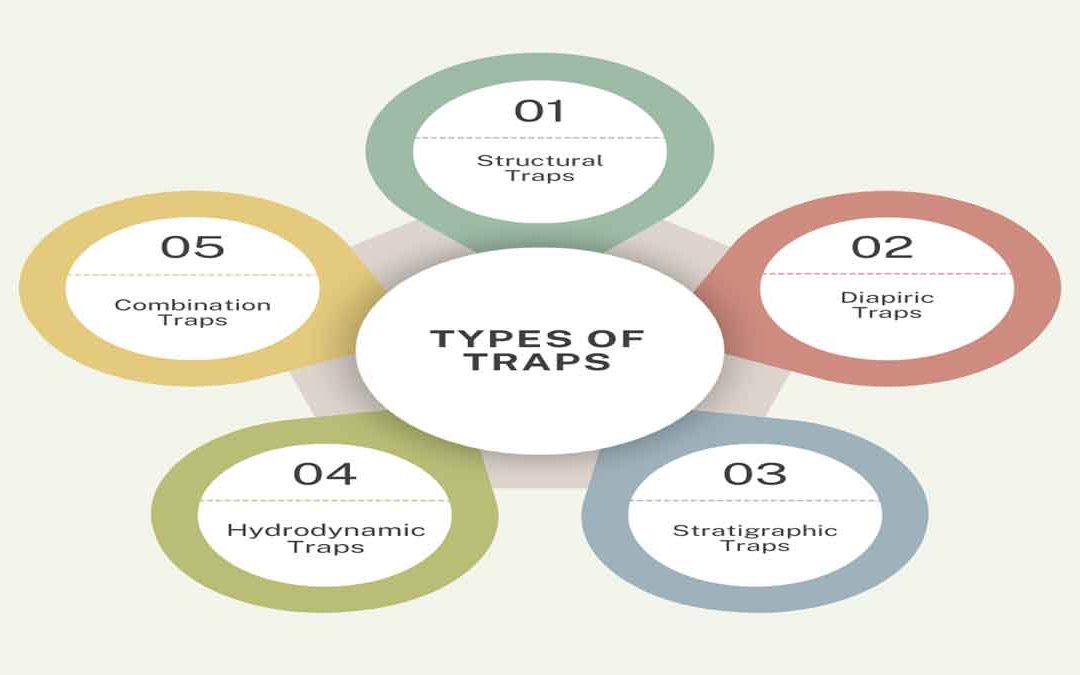 Types of traps are geological structures that retain hydrocarbons, preventing further movement. They include structural, diapiric, stratigraphic, hydrodynamic, and combination traps formed by rock deformation, sediment movement, or water flow. Understanding these...
 Capillary pressure: Capillarity is the phenomenon whereby liquid is drawn up a capillary tube. It is a measurement of the force that draws a liquid up a thin tube, or capillary. It increases with decreasing tube diameter. Translated into geological terms, the...
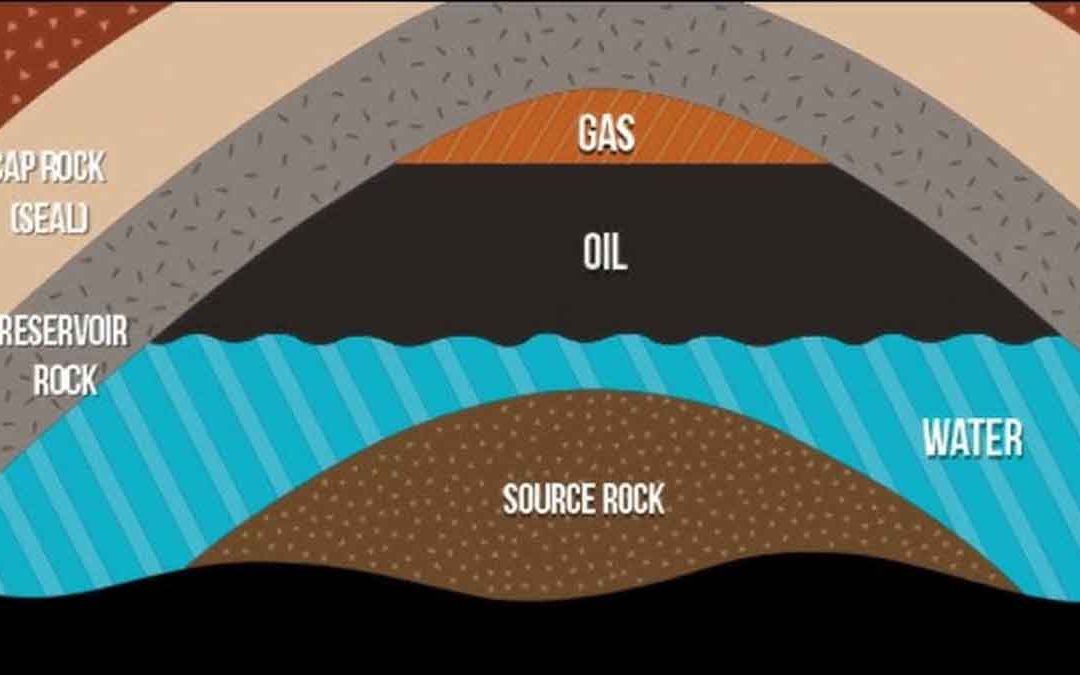 Source Rocks: A Petroleum source rock is defined as any rock that has the capability to generate and expel enough HC to form an accumulation of oil or gas. A potential source rock is one that is too immature to generate petroleum but will form significant quantities...
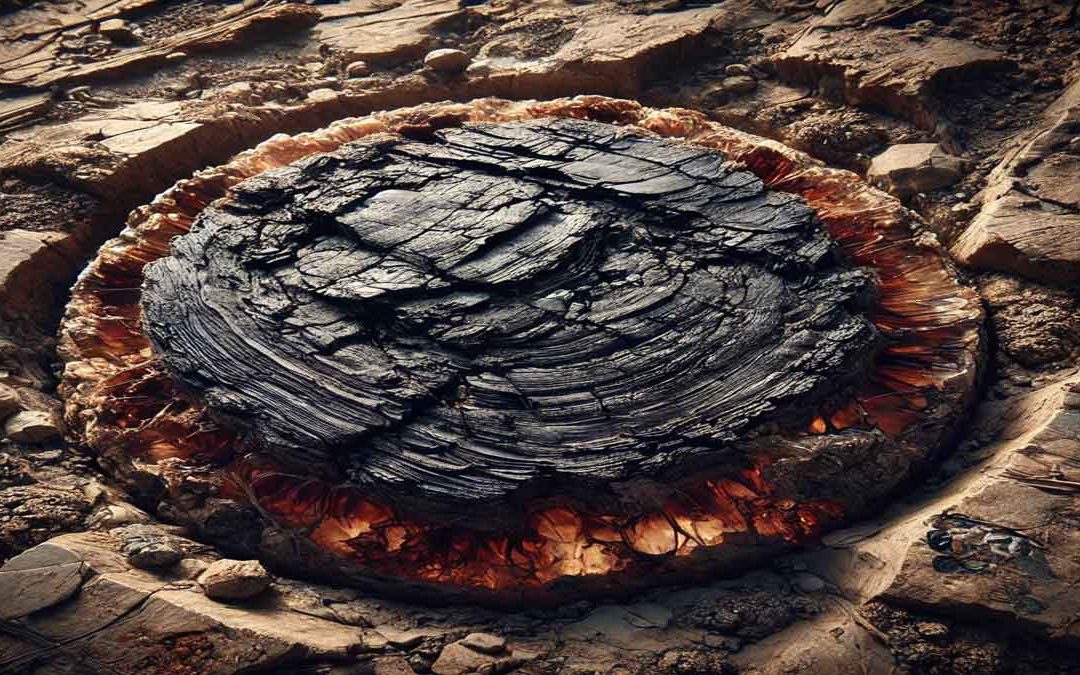 What is Kerogen? Kerogen is defined as the organic material in sedimentary rocks that is insoluble in organic solvents because of the huge molecular weight of its component compounds. The soluble portion is known as bitumen. Chemically, it consists of carbon,...
