 Hydrocarbon: Chemically, hydrocarbons are organic compounds composed entirely of hydrogen and carbon. What are the forms of hydrocarbon occurrence? There are many forms of occurrence of hydrocarbon. Physically, hydrocarbon grades from gases, via liquids and plastic...
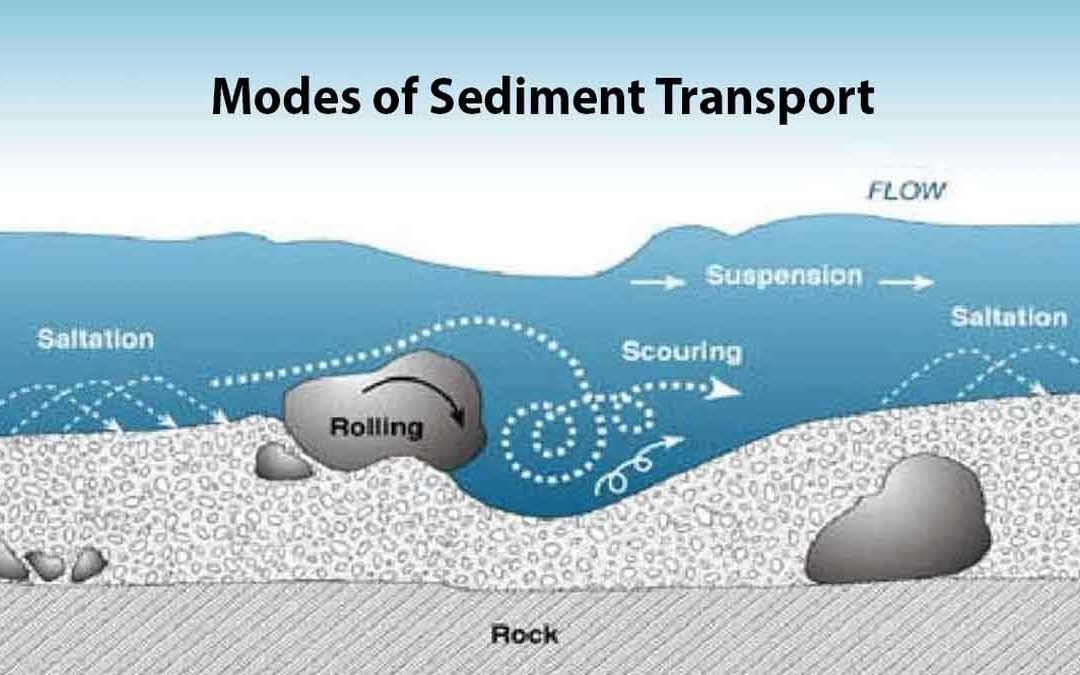 Modes of transportation: There are three modes of transportation of sedimentary particles: Traction Siltation Suspension Traction: Commonly, sediment grains larger than sand size are transported as part of the bed load in essentially continuous contact with the bed....
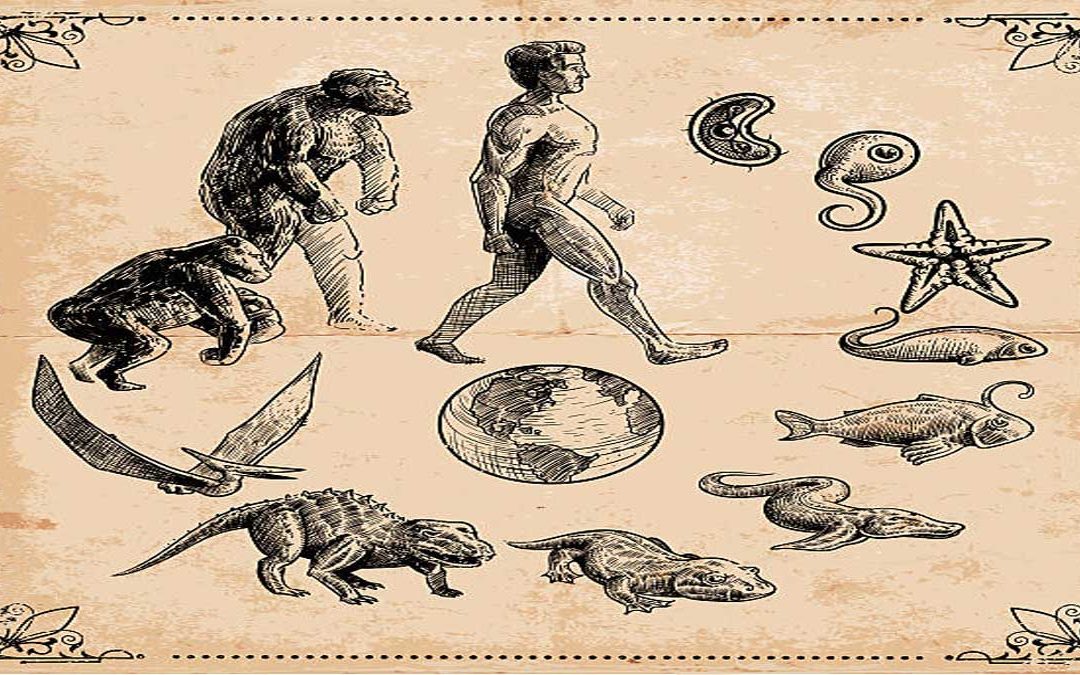 Types of evolution shape how species change over time. Divergent evolution splits one species into two, convergent evolution causes unrelated species to develop similar traits, and parallel evolution leads separate species in the same environment to evolve alike....
 Sphericity measures how closely a particle’s shape resembles a sphere. It helps in understanding grain durability, transport history, and geological processes. A perfect sphere has a sphericity of 1.00, while other shapes have lower values. This concept is crucial in...
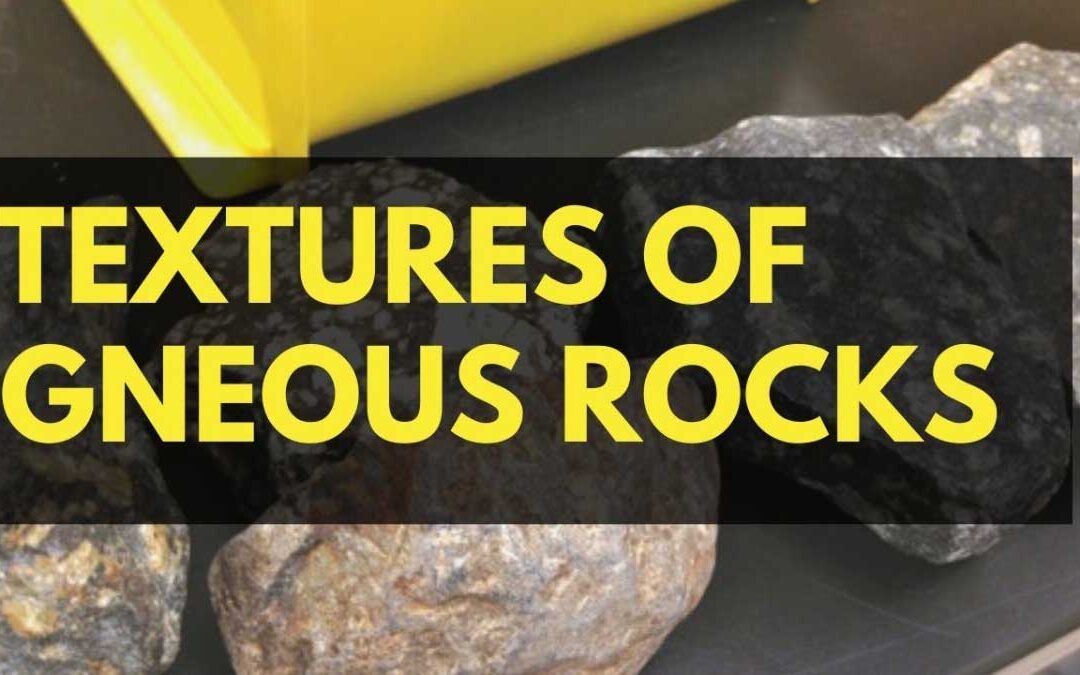 The textures of igneous rock define their crystallinity, grain size, and crystal relations, reflecting their cooling history and formation conditions. Various types of textures of igneous rock: (A) Crystallinity: Defines the degree of crystallization. Holocrystalline:...
 Deposition definition refers to the process where transported sediments settle due to changes in fluid flow. Hjulstorm’s diagram illustrates its control by velocity and turbulence. Coarser particles settle near the source, while finer ones travel farther,...