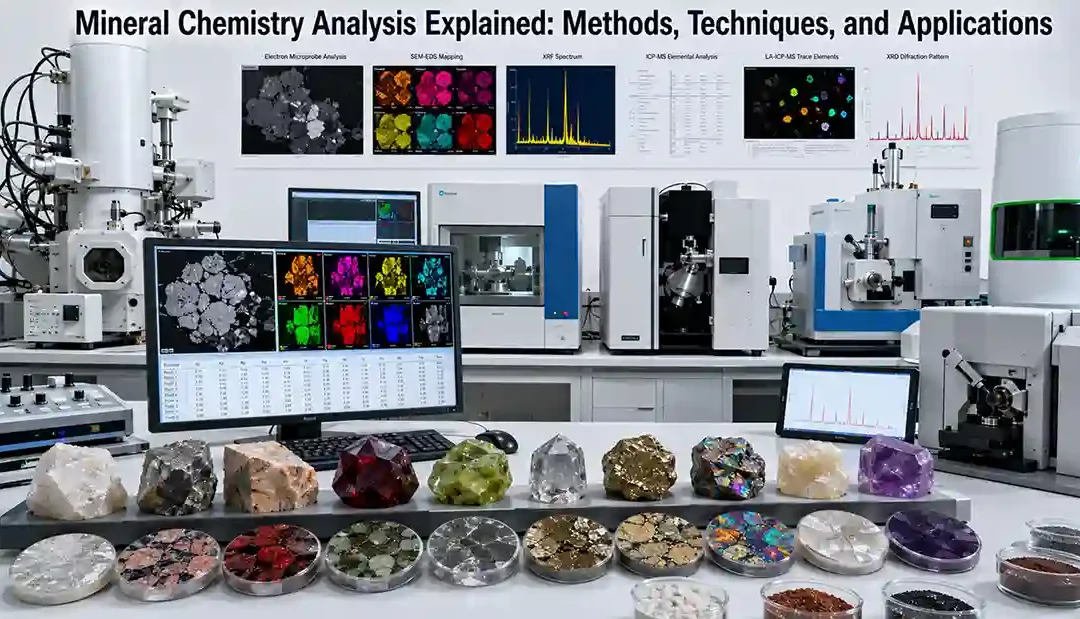
 Mineral chemistry analysis is the scientific study of the chemical composition of minerals. It determines which chemical elements are present in a mineral, their concentrations, and how they are distributed within the crystal structure. Since many minerals share...
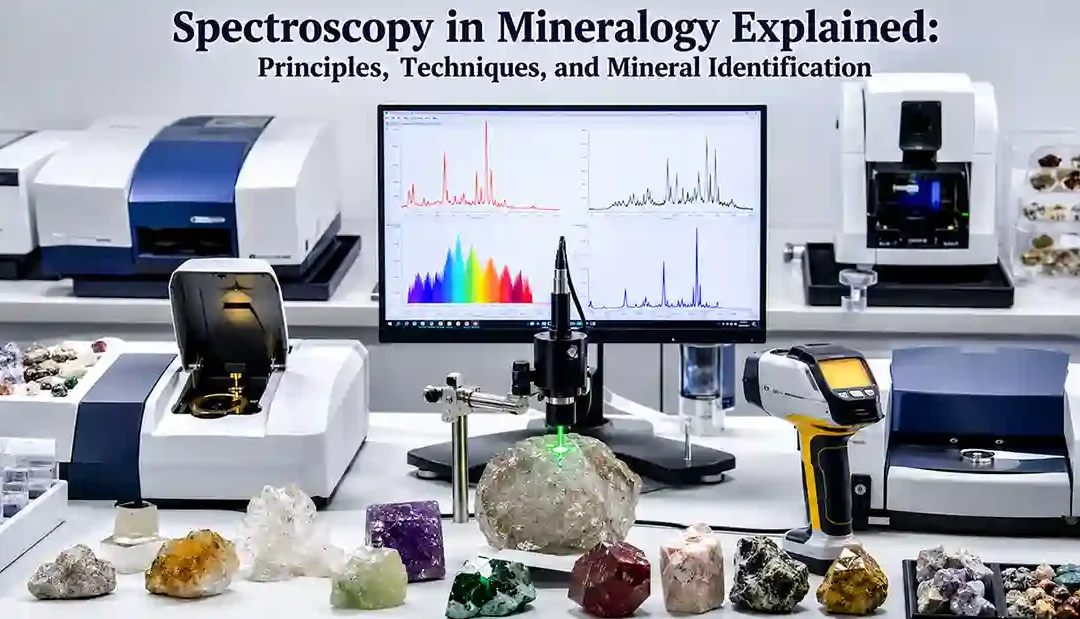 Spectroscopy is one of the most powerful analytical techniques used in modern mineralogy. It studies how minerals interact with electromagnetic radiation, allowing scientists to identify minerals, determine their chemical composition, investigate crystal structures,...
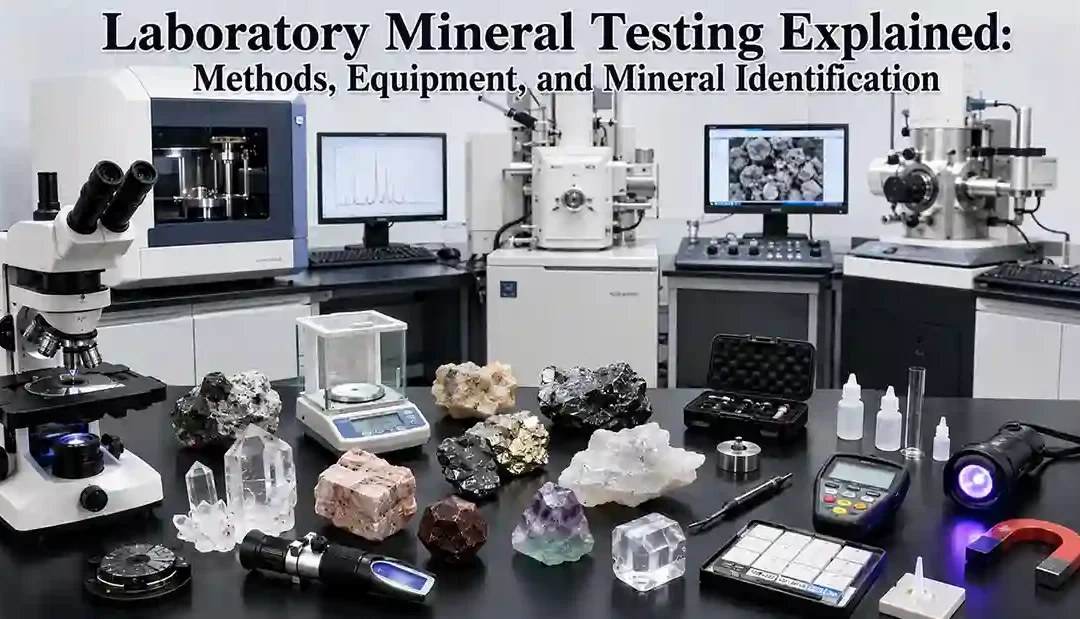 Laboratory mineral testing is the scientific process of identifying, analyzing, and characterizing minerals using specialized instruments and standardized testing methods. While field observations provide an initial understanding of a mineral specimen, laboratory...
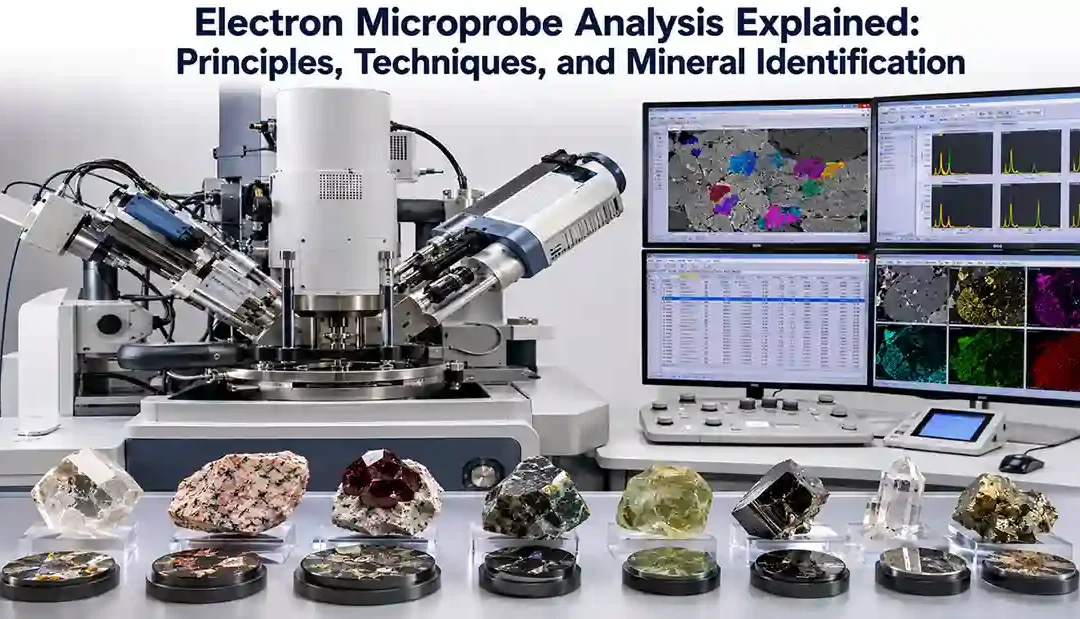 Electron Microprobe Analysis (EPMA) is one of the most accurate laboratory techniques used to determine the chemical composition of minerals. Unlike optical methods that identify minerals by their physical or optical properties, EPMA measures the concentrations of...
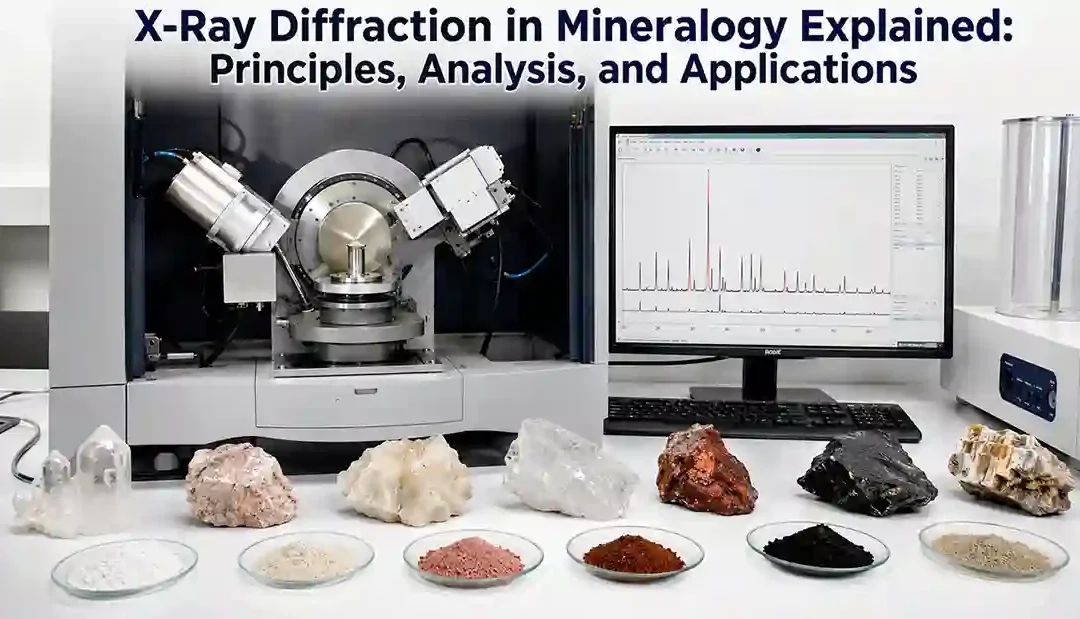 X-ray diffraction (XRD) is one of the most powerful laboratory techniques used in mineralogy to identify minerals and determine their crystal structures. Unlike hand-specimen observations or optical microscopy, XRD examines the arrangement of atoms inside a mineral by...
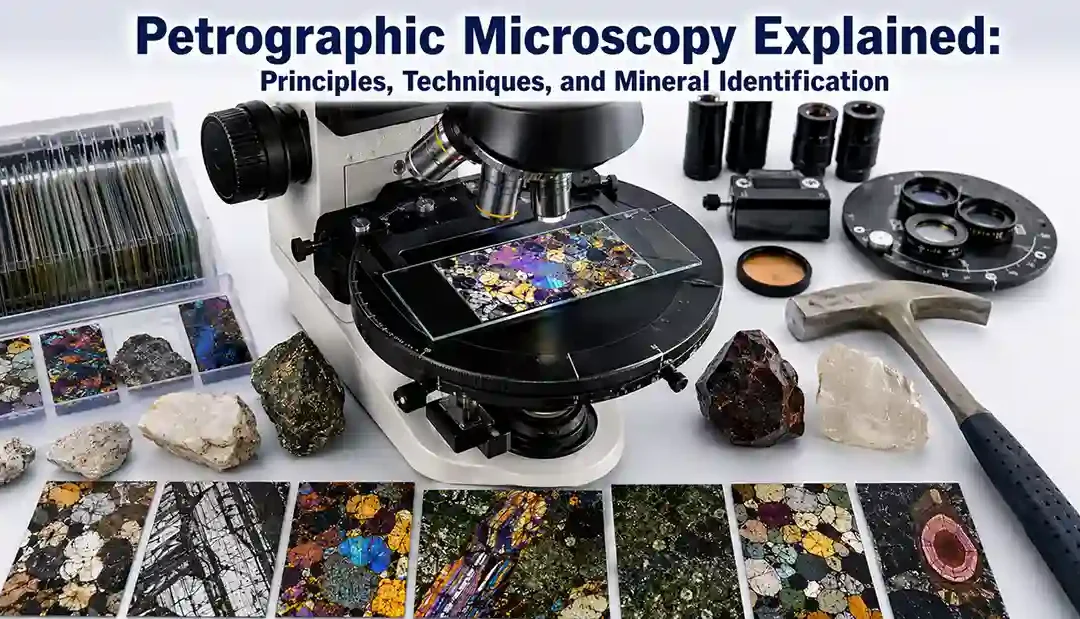 Petrographic microscopy is one of the most important analytical techniques in geology, mineralogy, and petrology. It uses a specialized polarized light microscope to study minerals and rocks in thin sections, allowing geologists to identify minerals based on their...
