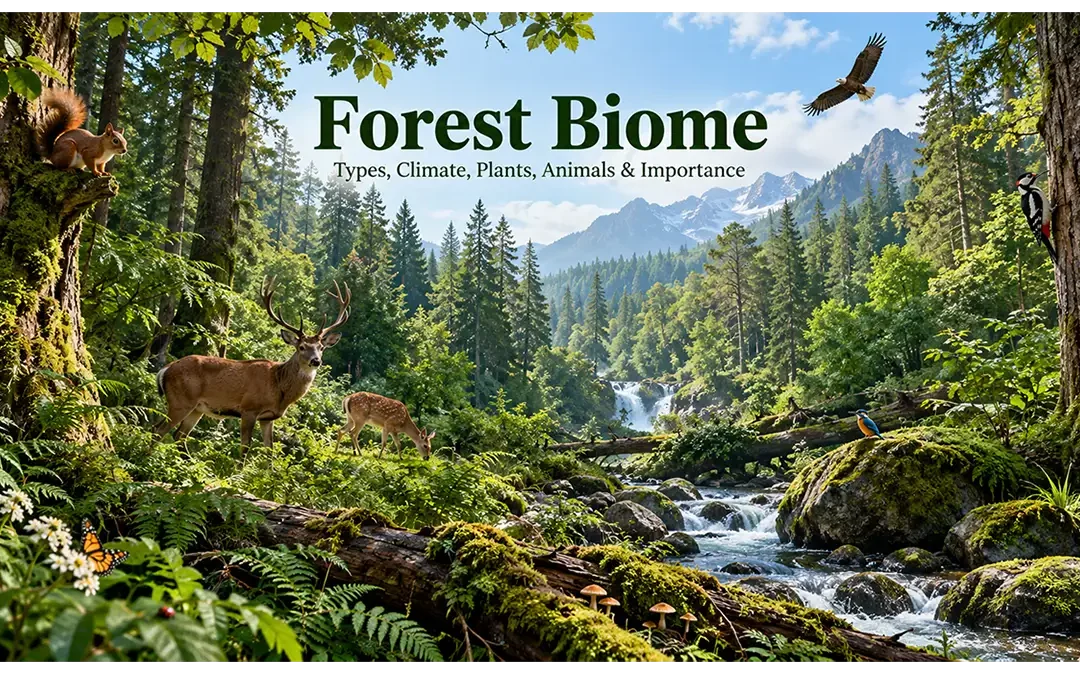
 Forest Biome is one of the major terrestrial ecosystems on Earth, supporting a wide variety of plants, animals, fungi, and microorganisms. Forests occur across many climates, from warm tropical regions to cold northern landscapes, and each type has its own vegetation,...
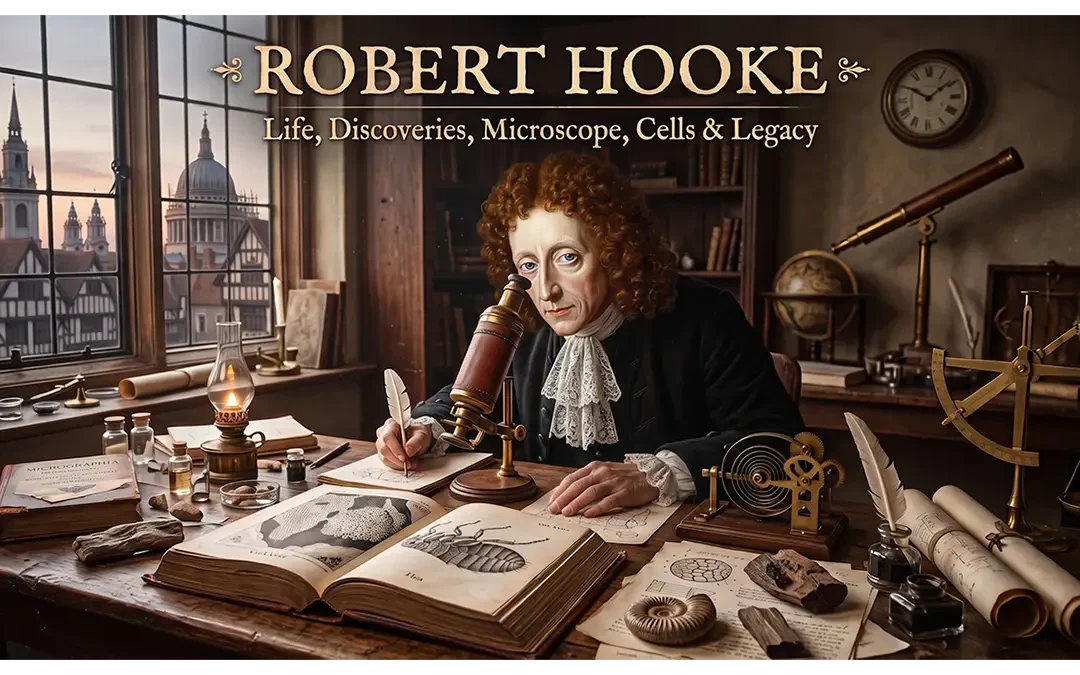 Robert Hooke was one of the most versatile scientists of the 17th century. He worked across microscopy, biology, physics, astronomy, geology, mechanics, architecture, and scientific instruments, making him an important figure in the development of modern experimental...
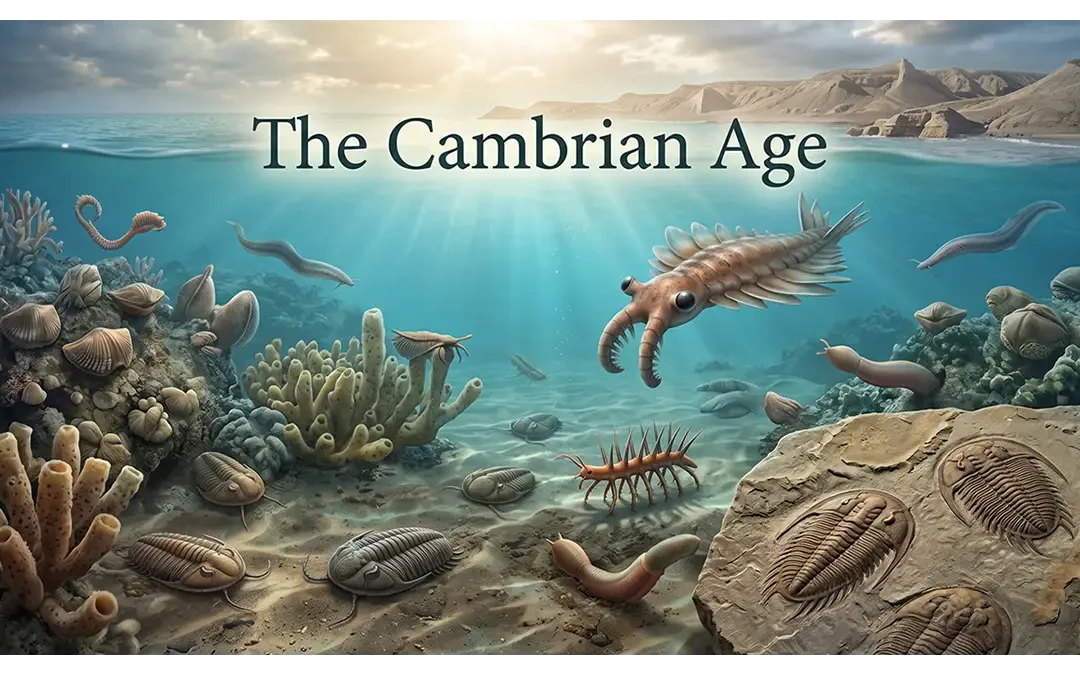 Cambrian Age is one of the most important chapters in Earth’s history because it marks a major diversification of complex marine life. During this time, many animal groups developed new body forms, feeding strategies, shells, and other structures that became...
 Grasslands are ecosystems dominated by grasses and other herbaceous plants, with relatively few trees compared with forests. They occur on every inhabited continent and develop where climate, soil, fire, grazing, and water availability limit the growth of dense...
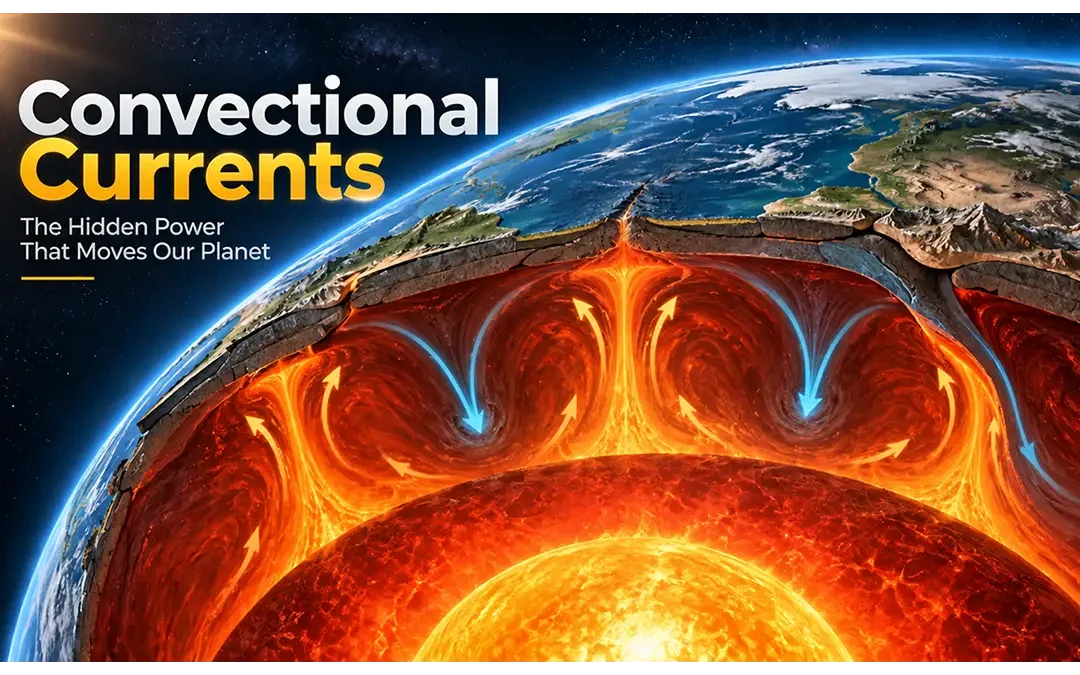 Convectional currents are movements of material caused by differences in temperature and density. They are an important way of transferring heat through fluids and slowly moving materials. Convection occurs in many natural systems, including the atmosphere, oceans,...
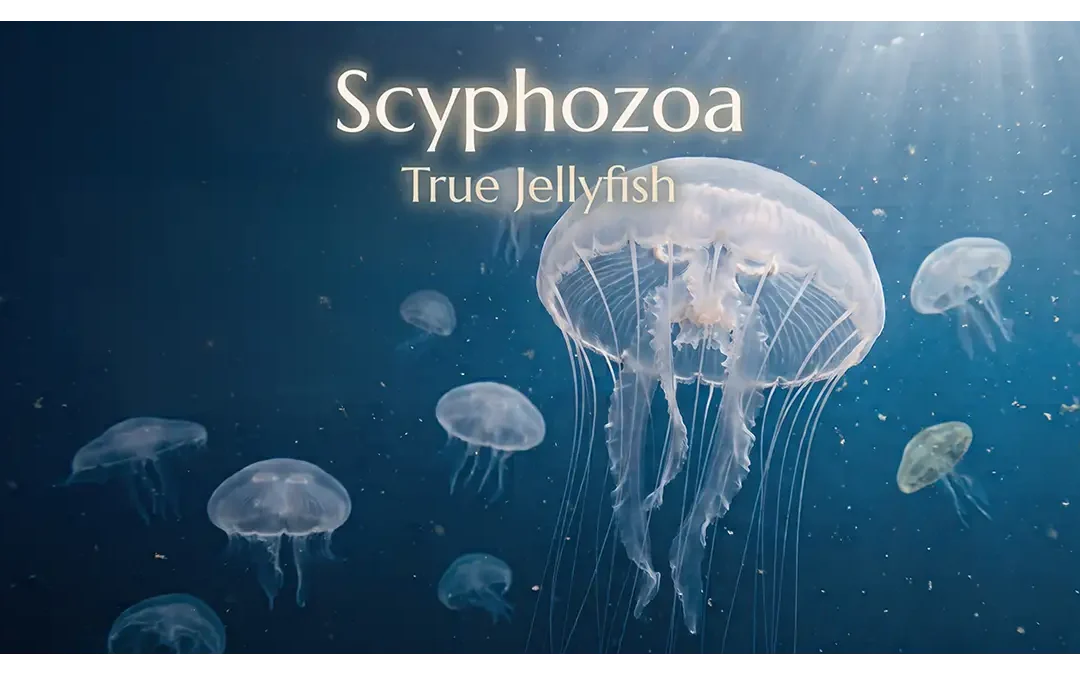 Scyphozoa is a class of marine cnidarians commonly known as true jellyfish. These animals are best known for their soft, bell-shaped bodies, stinging cells, and free-swimming adult stage. They live mainly in oceans and play important roles as predators and prey in...
