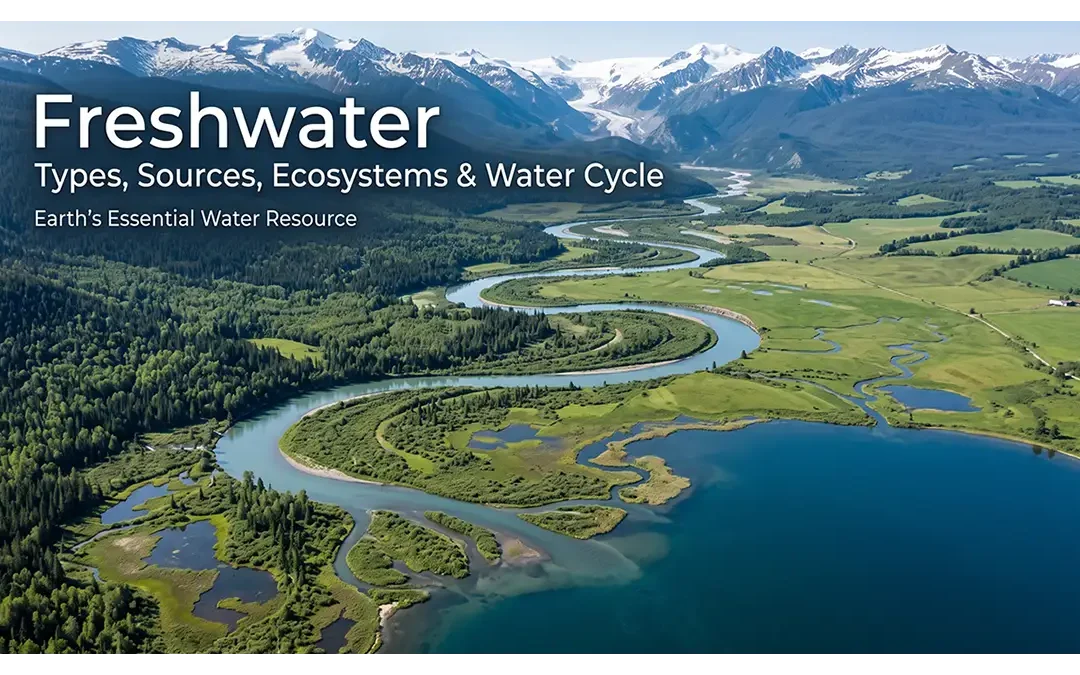
 Freshwater is water with a very low concentration of dissolved salts compared with seawater. It occurs in glaciers, ice sheets, groundwater, rivers, lakes, wetlands, soil, and the atmosphere. Although freshwater covers only a small portion of Earth’s total...
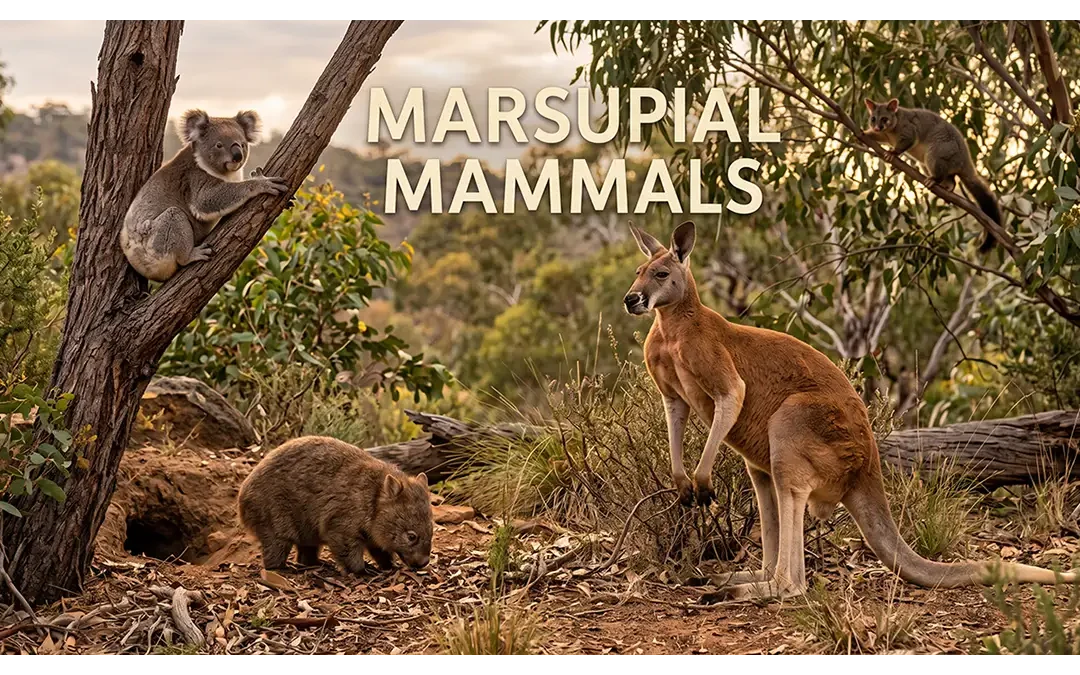 Marsupial mammals are a specialized group of mammals whose young are born at a very early stage of development and continue growing after birth while attached to a teat. Kangaroos, koalas, wombats, possums, bandicoots, quolls, Tasmanian devils, and opossums are among...
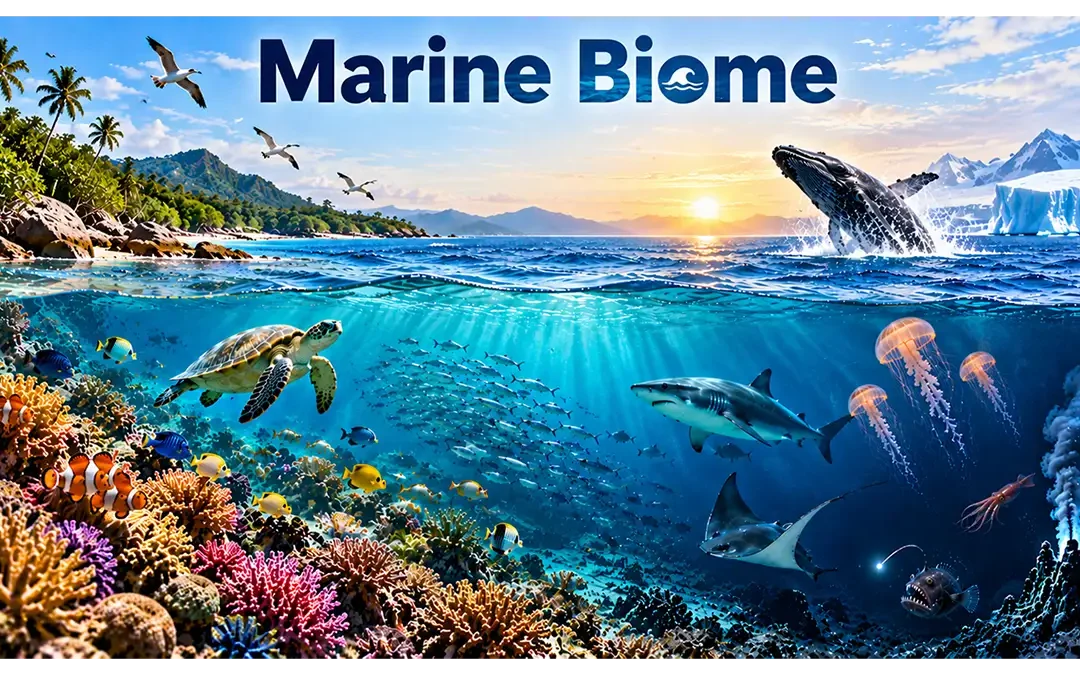 Marine Biome is the largest biome on Earth, covering most of the planet’s surface and supporting an extraordinary range of organisms. It includes the vast open ocean as well as coastal environments such as coral reefs, estuaries, mangroves, salt marshes, and tidal...
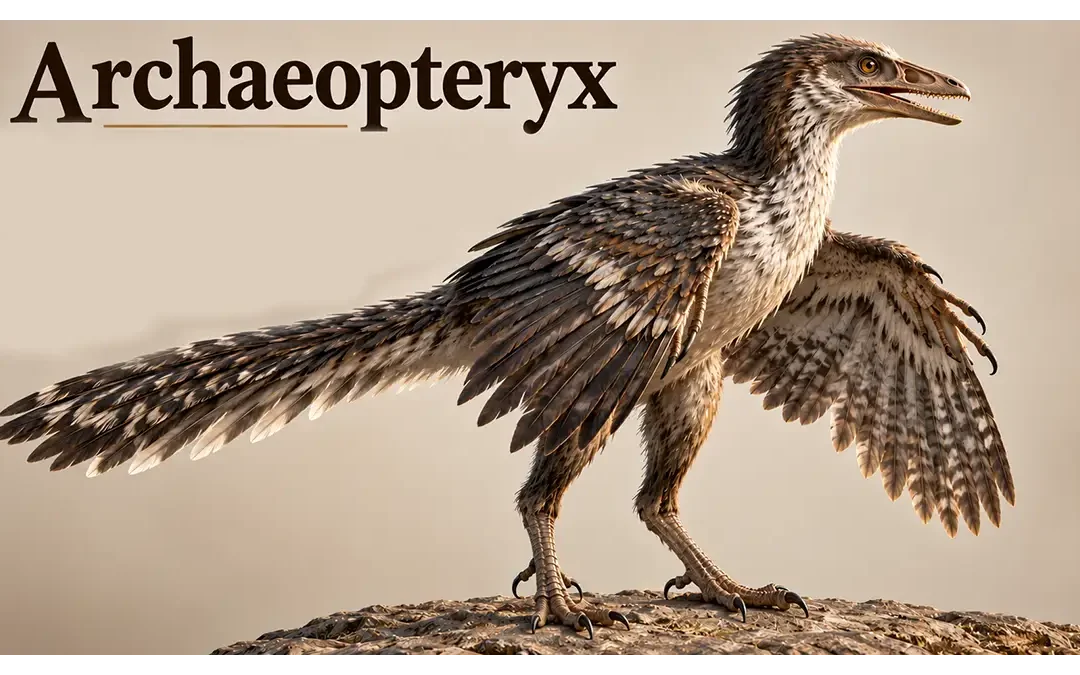 Archaeopteryx is one of the most famous prehistoric animals in paleontology because its fossils preserve a remarkable combination of dinosaur-like and bird-like characteristics. This small feathered theropod lived during the Late Jurassic, about 150 million years ago,...
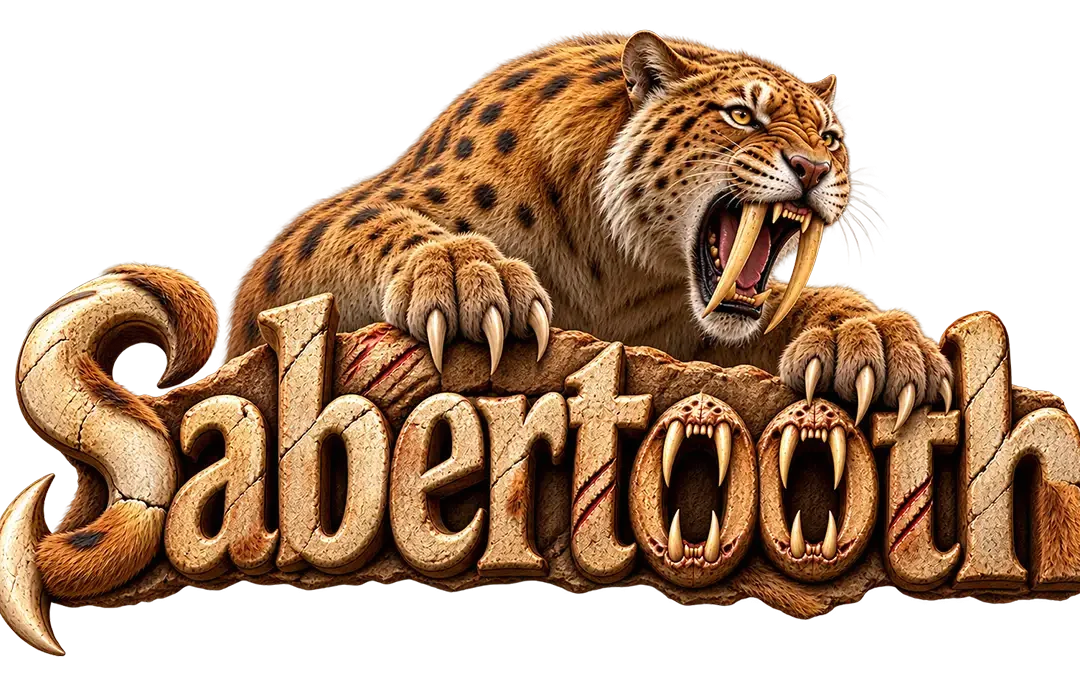 Sabertooth animals are among the most recognizable predators in prehistoric mammal history, largely because of their exceptionally long canine teeth. These remarkable creatures appeared in several evolutionary lineages and occupied different environments across...
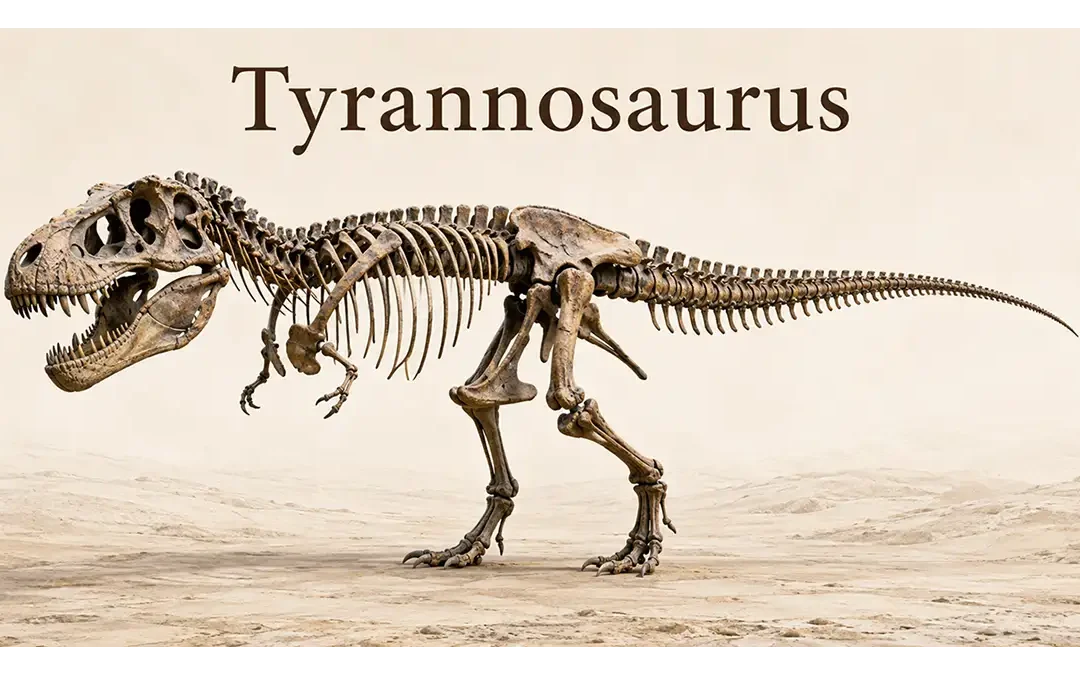 Tyrannosaurus was one of the last giant predatory dinosaurs to live before the end-Cretaceous mass extinction. Its huge head, powerful jaws, two-fingered hands, muscular legs, and heavy tail gave it a body plan unlike that of most familiar land predators today. The...
