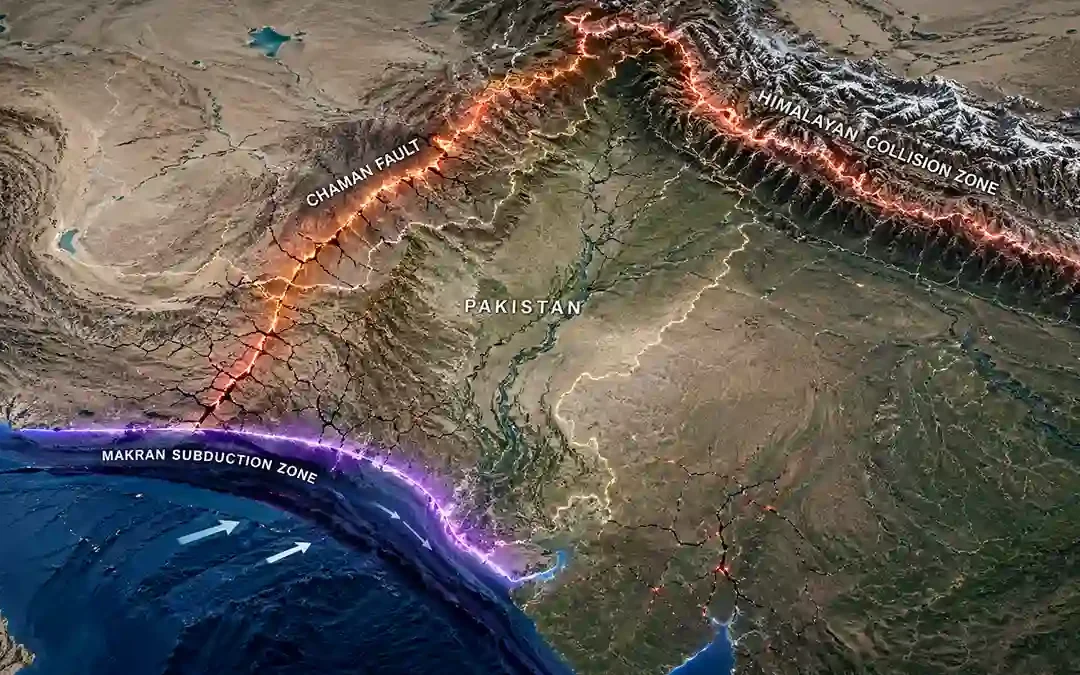
 Pakistan sits at a unique geological crossroads. Instead of relying on one tectonic process, the country is shaped by three different earthquake mechanisms happening at the same time — collision, subduction, and fault movement. That’s what makes earthquakes here both...
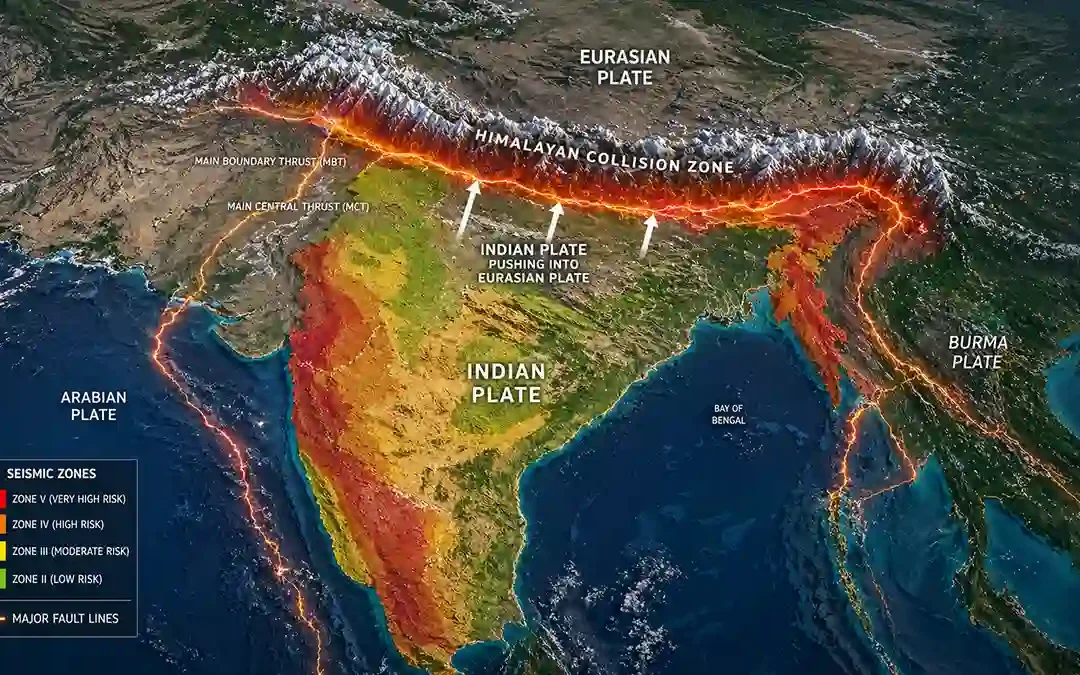 India’s earthquakes tell a story of contrast. On one side, the Himalayas are constantly under intense tectonic pressure. On the other, large parts of the country appear stable — yet occasionally produce surprising earthquakes. This mix makes India one of the most...
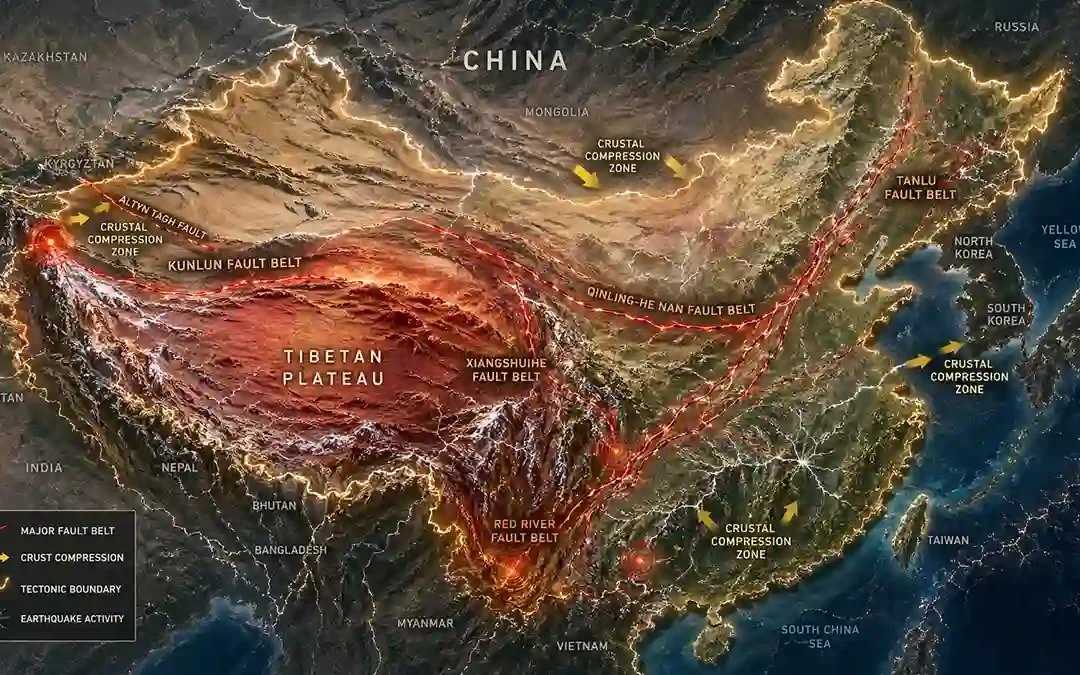 China’s earthquakes are different from what most people expect. They don’t all occur along obvious plate edges like in Chile or Indonesia. Instead, many of them happen deep within the continent, far from the ocean. That’s because China sits on a vast region where...
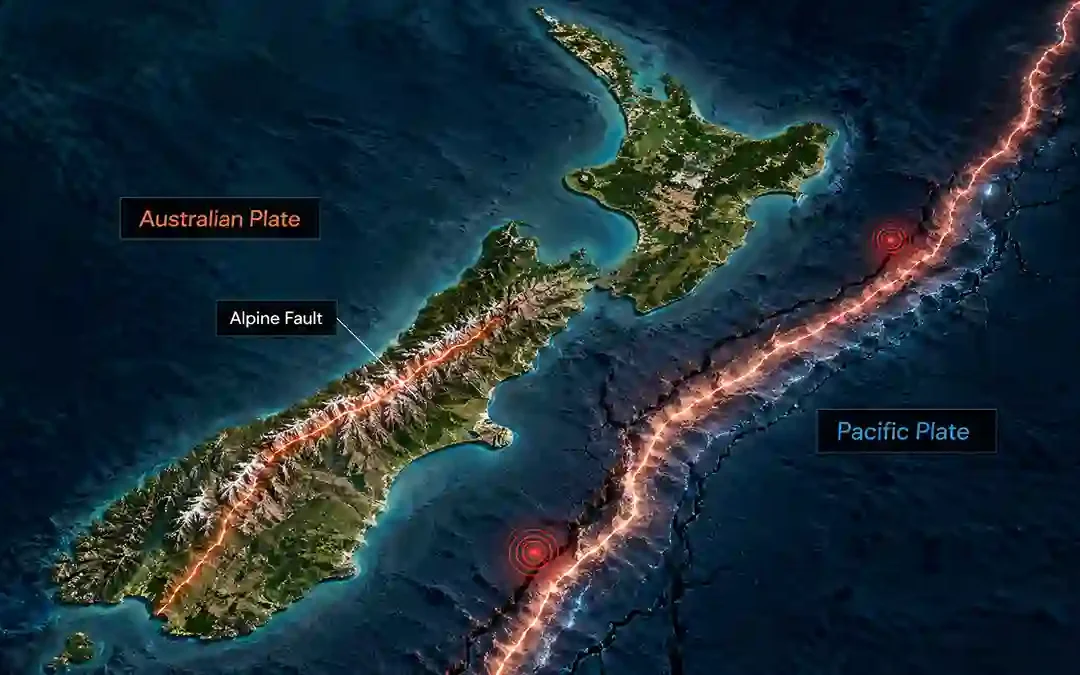 New Zealand doesn’t just experience earthquakes — it sits directly on a visible plate boundary, where two massive tectonic plates meet. What makes it different is how clearly this boundary is expressed across the country. You can almost trace earthquake activity from...
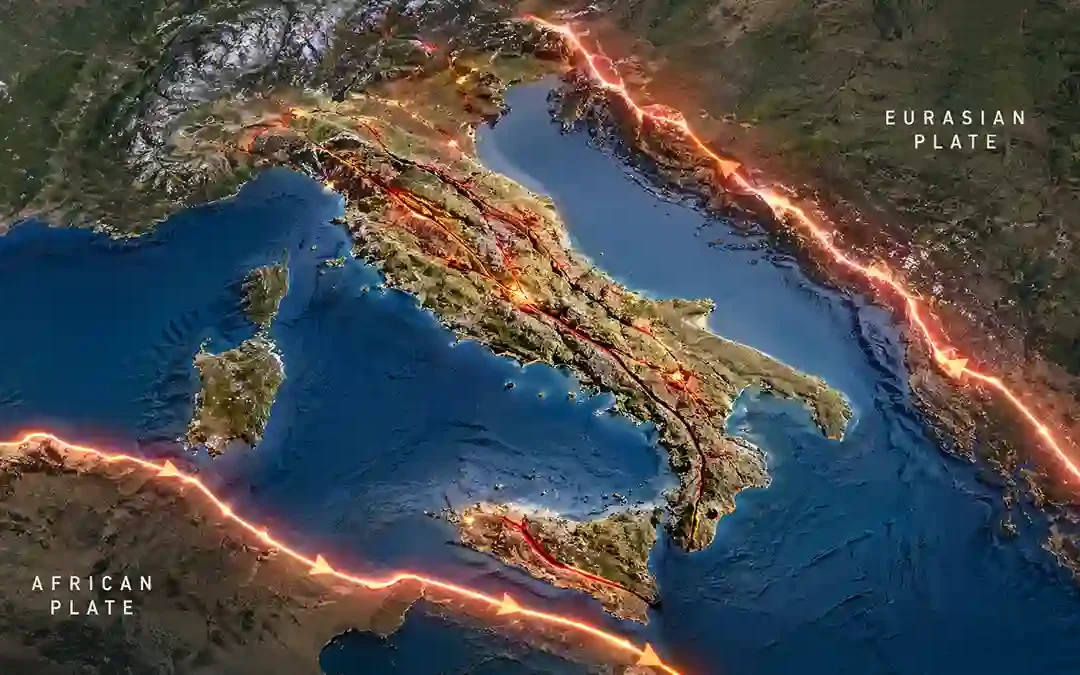 Italy’s earthquakes don’t come from a single massive fault or one dominant plate boundary. Instead, they come from a network of smaller, shifting blocks of crust — all adjusting under long-term tectonic pressure. That’s what makes Italy unique. Earthquakes here are...
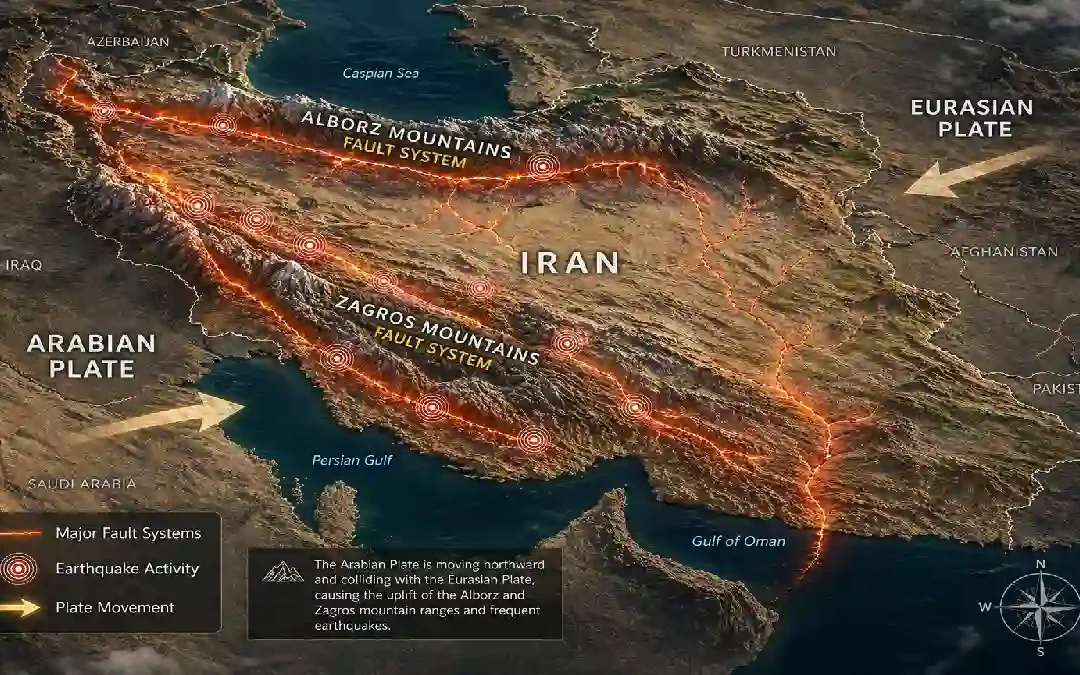 Iran isn’t just earthquake-prone — it sits in one of the most geologically stressed regions on Earth. The reason is simple but powerful: the country lies where multiple tectonic plates collide, pushing and compressing the land from different directions. This constant...
