
Latest Post & Case Study
Recent Post
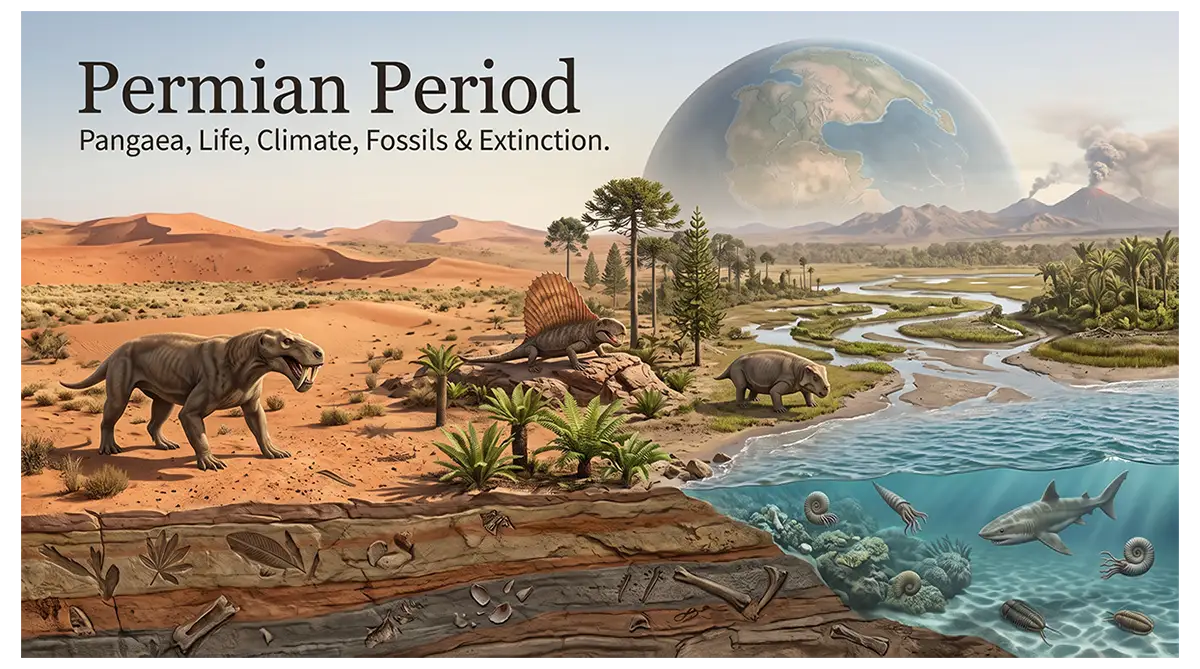
Permian Period: Pangaea, Life, Climate, Fossils & Extinction
Permian Period was the final period of the Paleozoic Era and a time of major changes in Earth's climate, geography,...
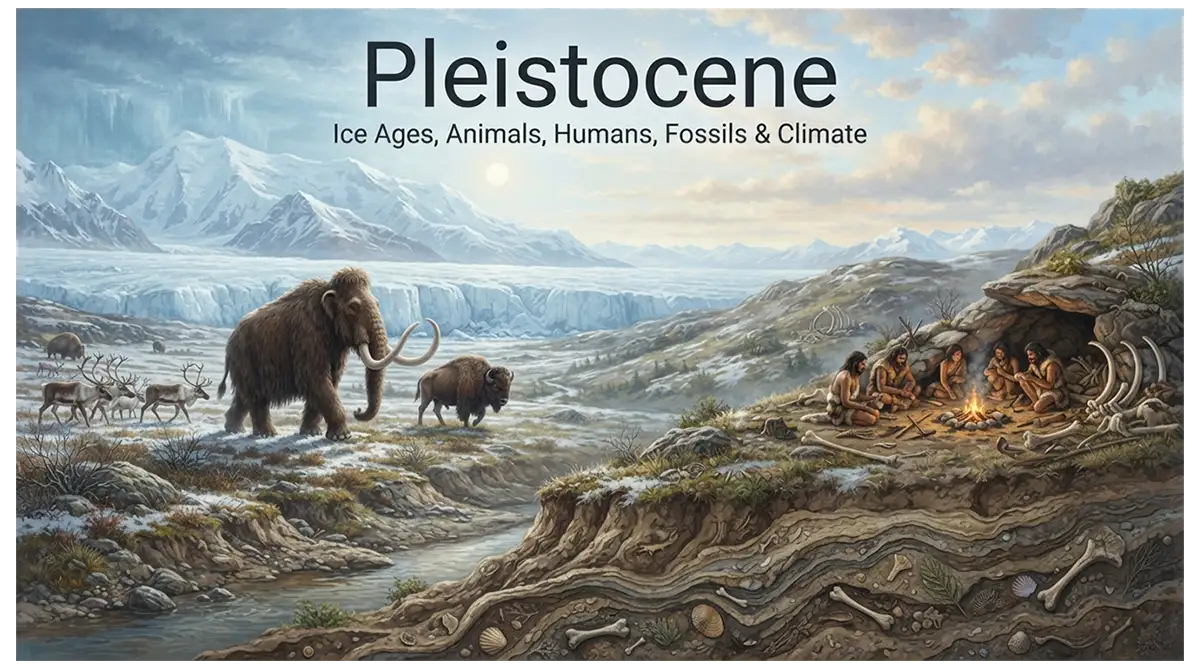
Pleistocene: Ice Ages, Animals, Humans, Fossils & Climate
Pleistocene was a major geological epoch known for repeated ice ages, changing climates, large mammals, expanding...
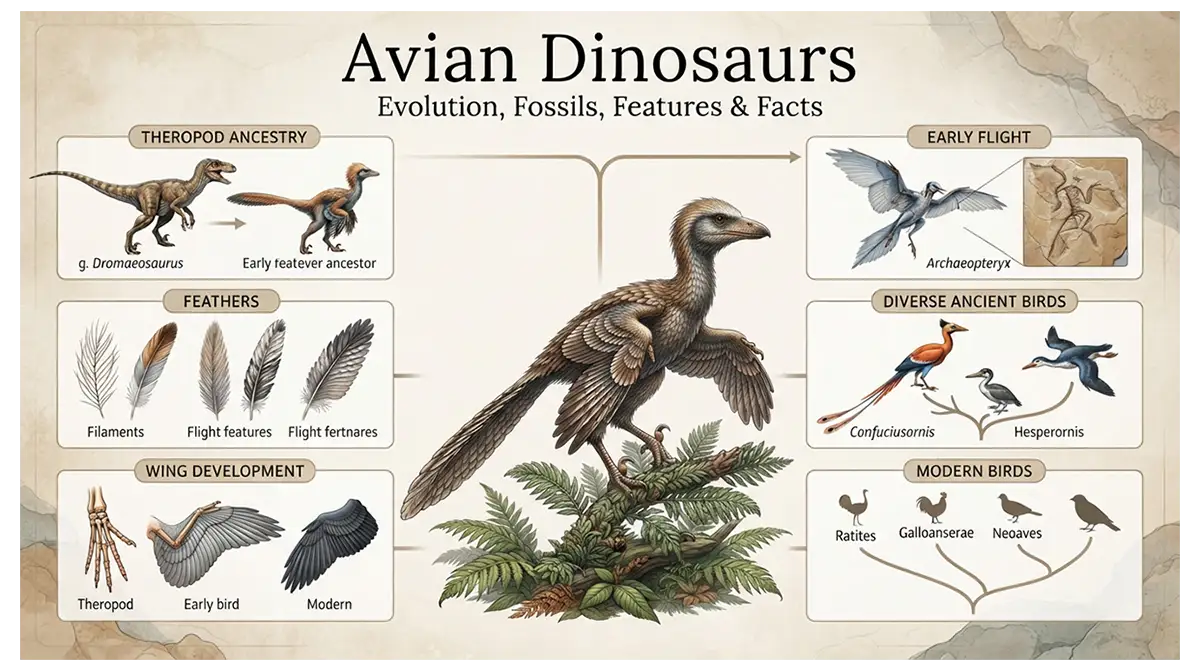
Avian Dinosaurs: Evolution, Fossils, Features & Facts
Avian dinosaurs are the group of dinosaurs that includes modern birds and their extinct bird-line relatives. They...
Mineralogy & Petrology
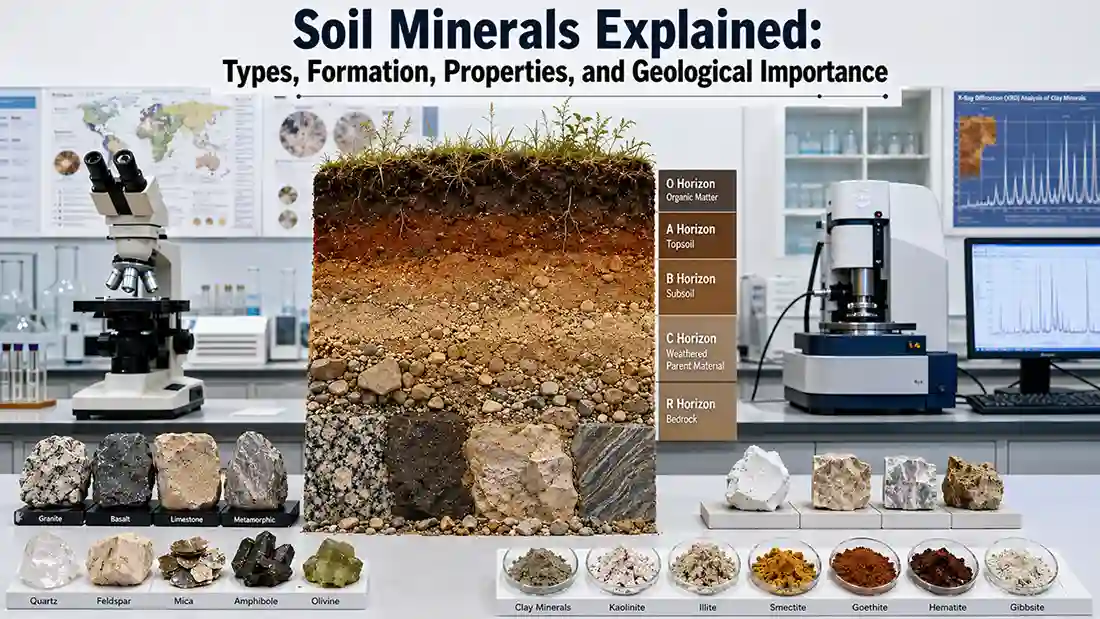
Soil Minerals Explained: Types, Formation, Properties, and Geological Importance
Soil minerals are the inorganic components of soil formed through the weathering of rocks and minerals over thousands...

Metamorphism and Minerals Explained: Processes, Types, and Geological Importance
Metamorphism is the geological process in which existing rocks and minerals are transformed by increasing temperature,...

Continental Crust Minerals Explained: Composition, Distribution, and Geological Importance
The continental crust is the thick, buoyant outer layer that forms Earth's continents and continental shelves. Unlike...
Geology & Earth Science
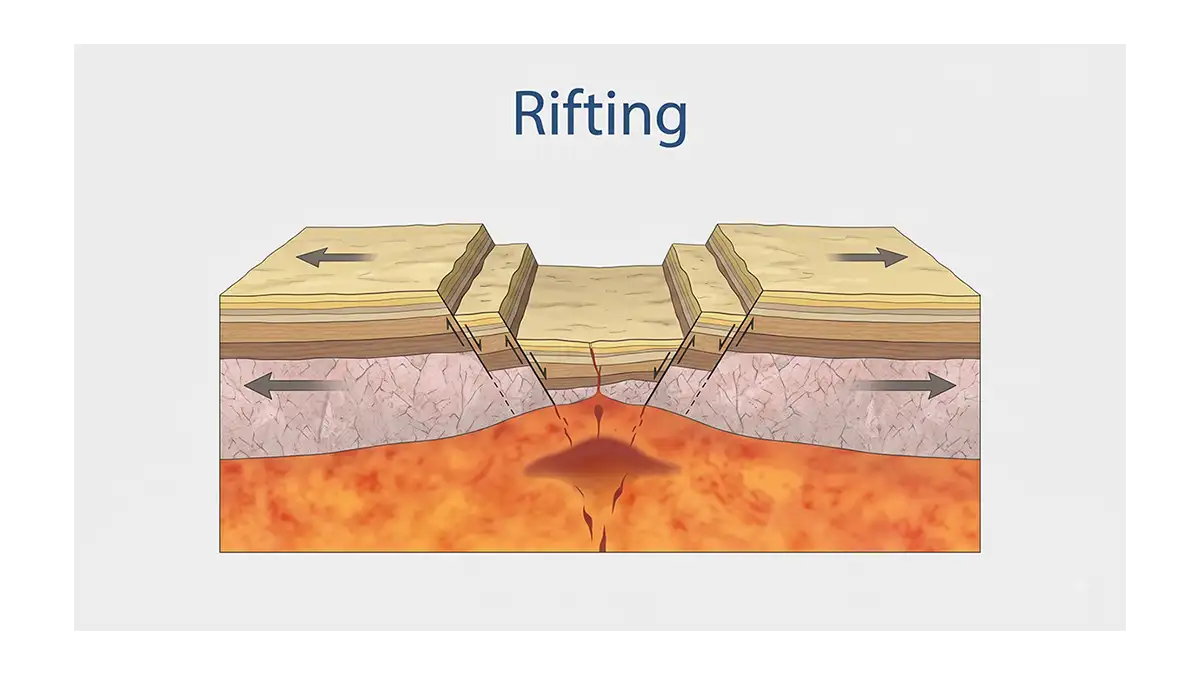
Rifting: Definition, Causes, Process, Types, and Examples
Rifting is a geological process in which the Earth's lithosphere is stretched and pulled apart. As the crust extends,...
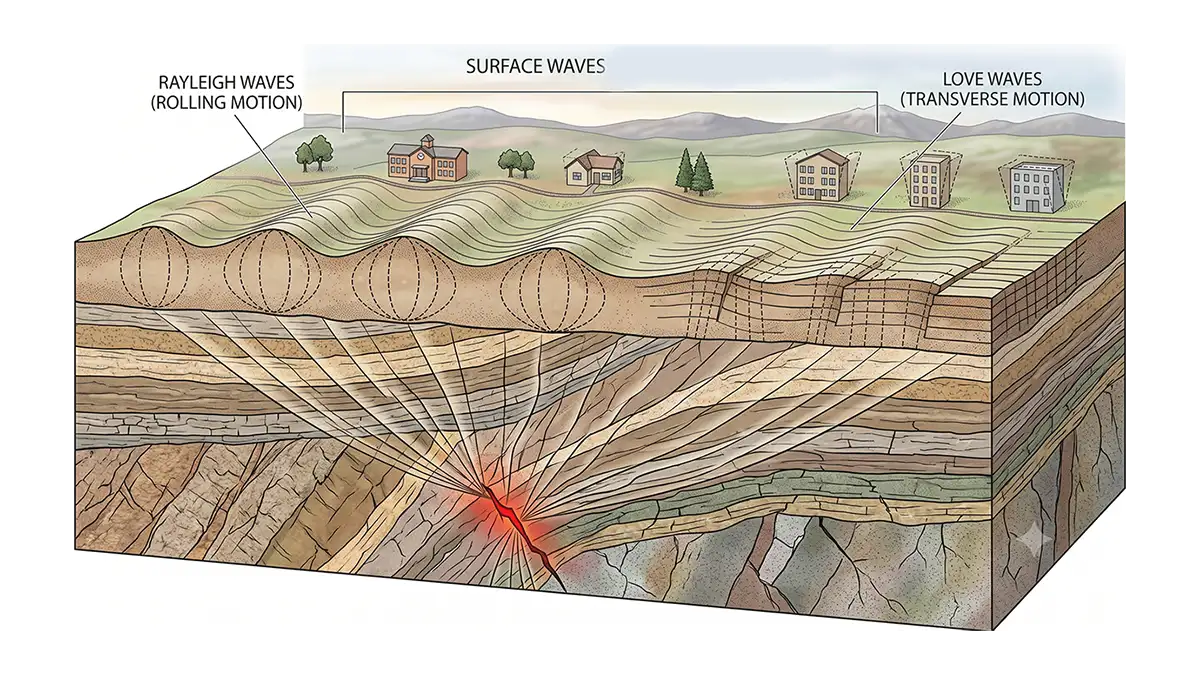
Surface Waves: Definition, Types, Characteristics, and Earthquake Effects
Surface waves are seismic waves that travel along or close to Earth’s surface. They are produced by earthquakes and...
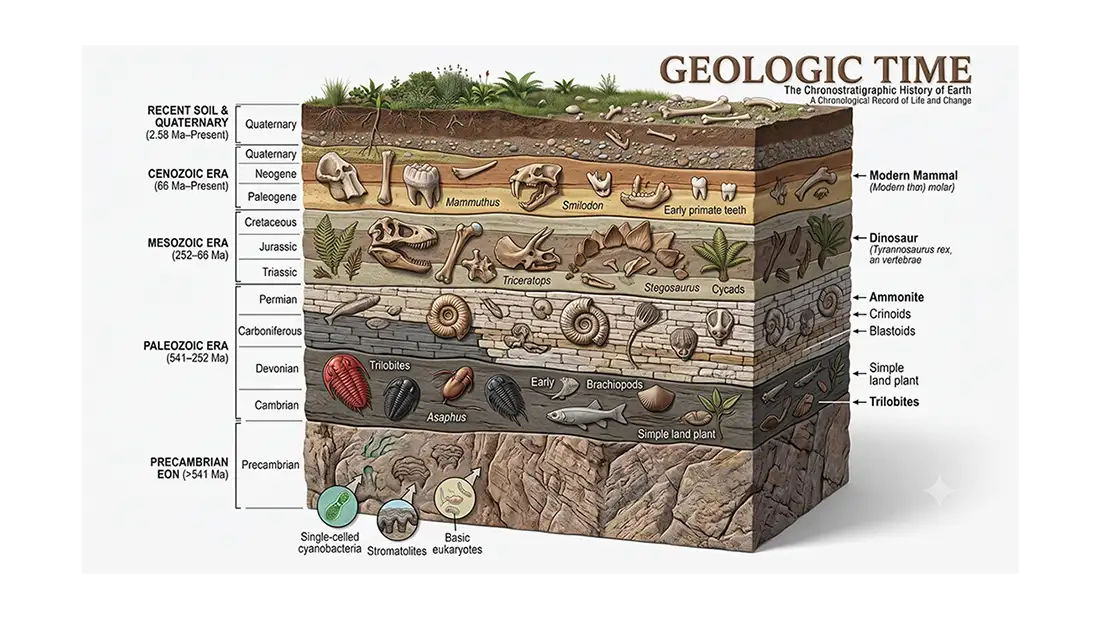
Geologic Time: Earth’s 4.6-Billion-Year Calendar
Geologic Time provides the timeline scientists use to track Earth’s 4.6-billion-year history. Humans measure time in...
Paleontology
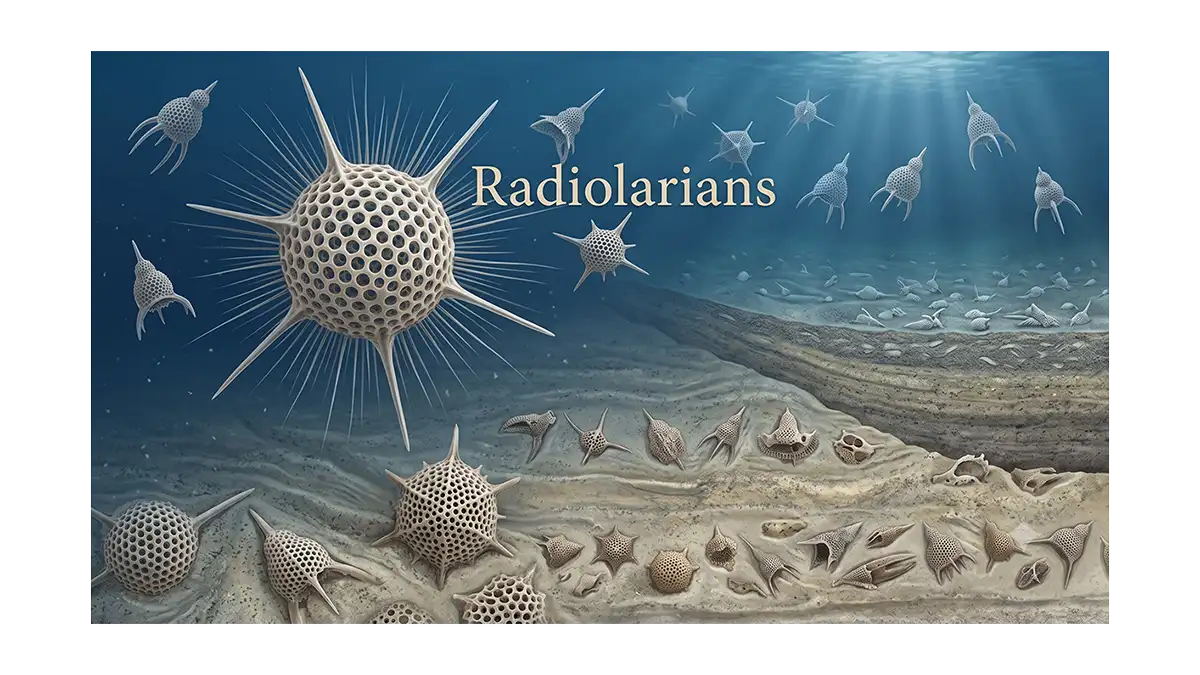
Radiolarian: Definition, Characteristics, Fossils, and Geological Importance
Radiolarian is a microscopic marine organism known for its intricate mineral skeleton and importance in the geological...
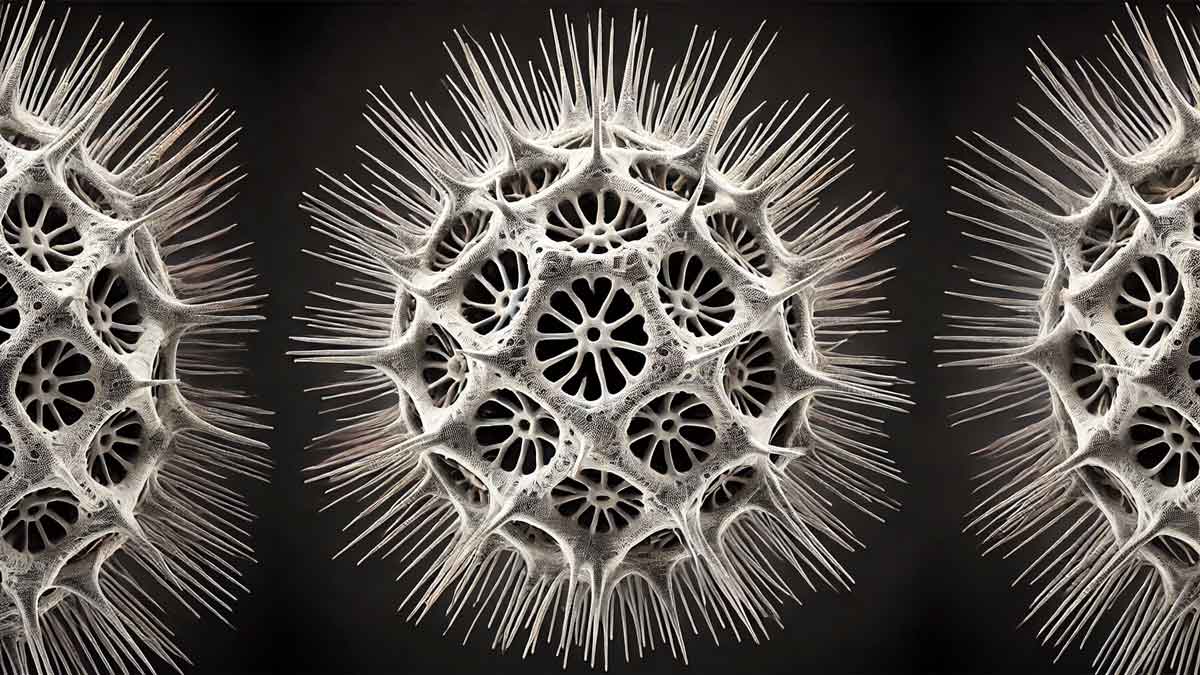
Radiolaria: Its Basis of Classification and Application.
Radiolaria: Radiolaria are free-floating protists with roughly spherical cells and thread-like pseudopodia extending...

Application and Relation of Palynology to the Reconstruction Climate
Applications of palynology: Biostratigraphy & geochronology: Geologists use palynological studies in...
Solar System
No Results Found
The page you requested could not be found. Try refining your search, or use the navigation above to locate the post.