 The Quaternary Period represents the active, modern stage of Earth’s geologic history. It is defined by dramatic climatic swings where massive continental ice sheets repeatedly expanded and retreated, driving global sea levels to rise and plunge by more than 120...
 Paleontology is the scientific study of fossils, more broadly, the study of prehistoric organisms. In fact, professional conferences and publications often fall into these categories. This post gives an idea of what paleontology is and why it is essential to...
 Aquifers are one of the most important parts of the groundwater system. They store and transmit groundwater through underground layers of permeable rock, sand, gravel, and other geological materials. People depend on groundwater stored in aquifers for drinking water,...
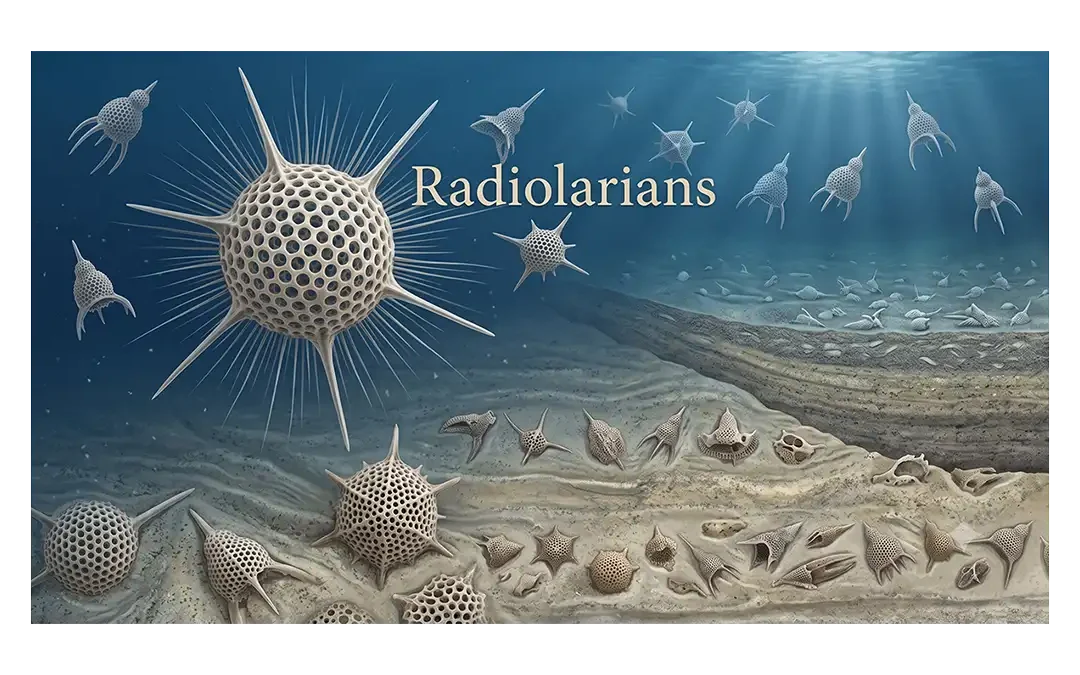 Radiolarian is a microscopic marine organism known for its intricate mineral skeleton and importance in the geological record. Radiolarians live mainly in the open ocean, where they form part of the plankton community. When they die, their mineralized skeletons can...
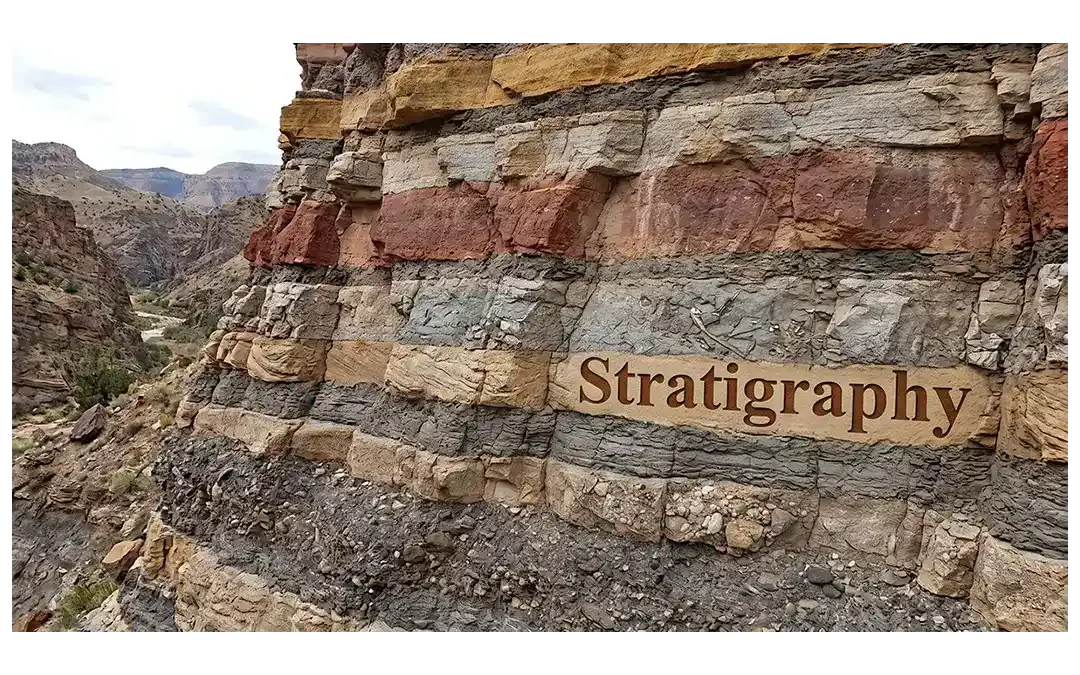 Stratigraphy is an important branch of geology that focuses on the study of rock layers, their sequence, age, composition, and relationships. By examining these layers, geologists can reconstruct how Earth’s surface changed through time and understand the...
