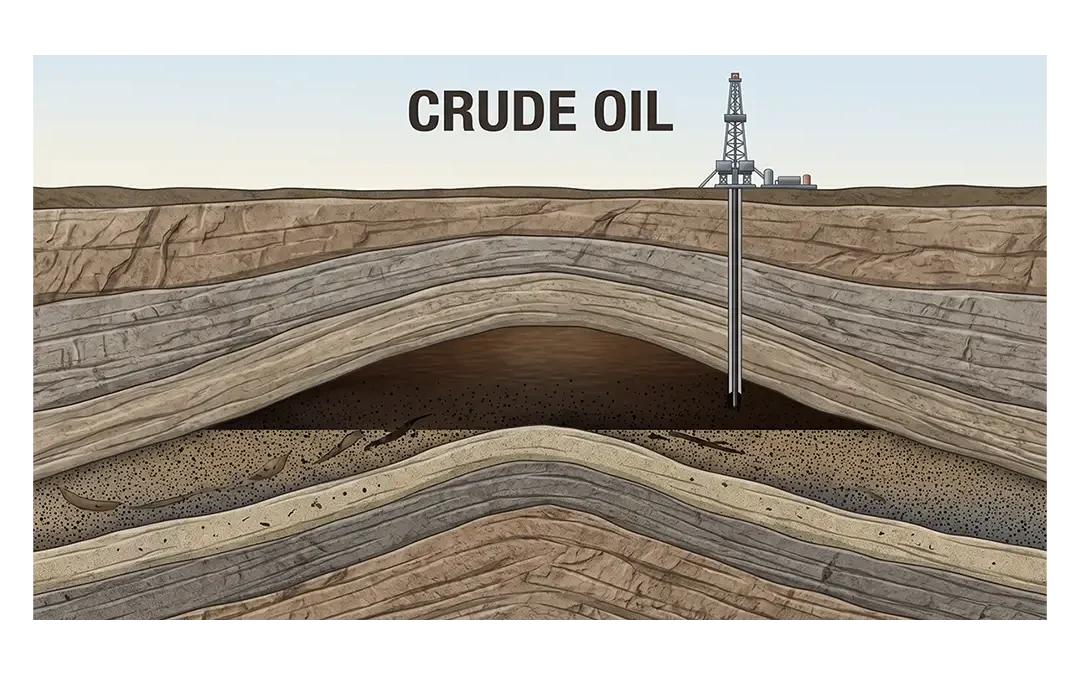
 Crude oil is one of the most important natural resources on Earth. It is a naturally occurring liquid made mainly of hydrocarbons. It forms deep beneath Earth’s surface from ancient organic matter over millions of years. Today, crude oil provides raw materials...
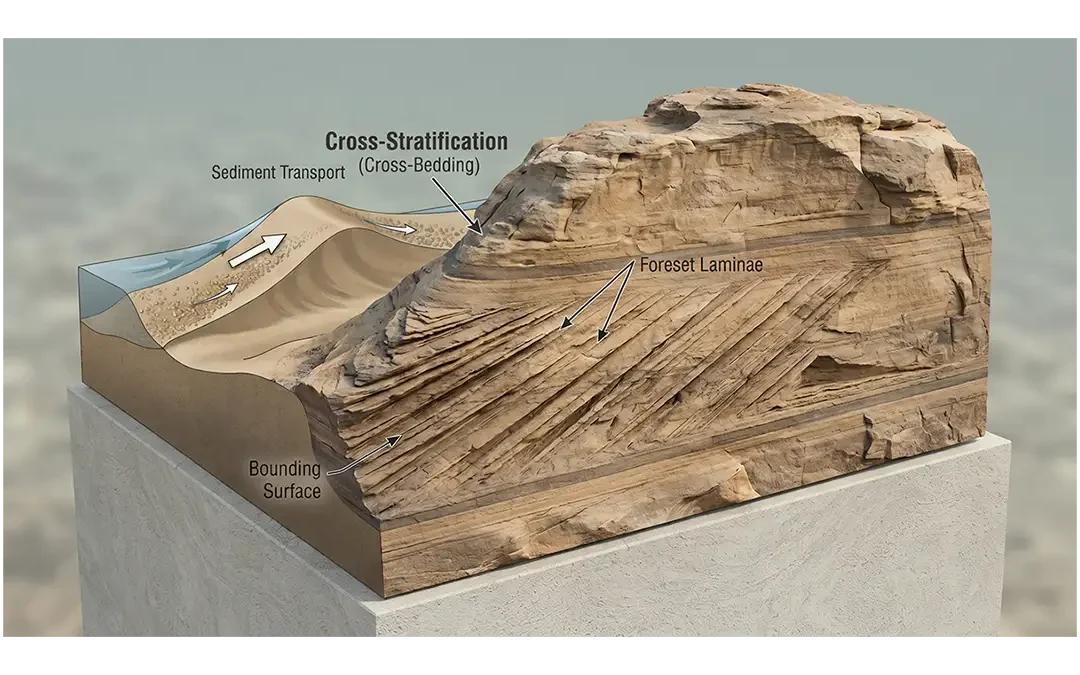 Cross-stratification is a sedimentary structure made of inclined layers that form when sediment moves and is deposited by flowing water, wind, waves, tides, or other sediment-transporting processes. It commonly develops as ripples, dunes, and other bedforms migrate...
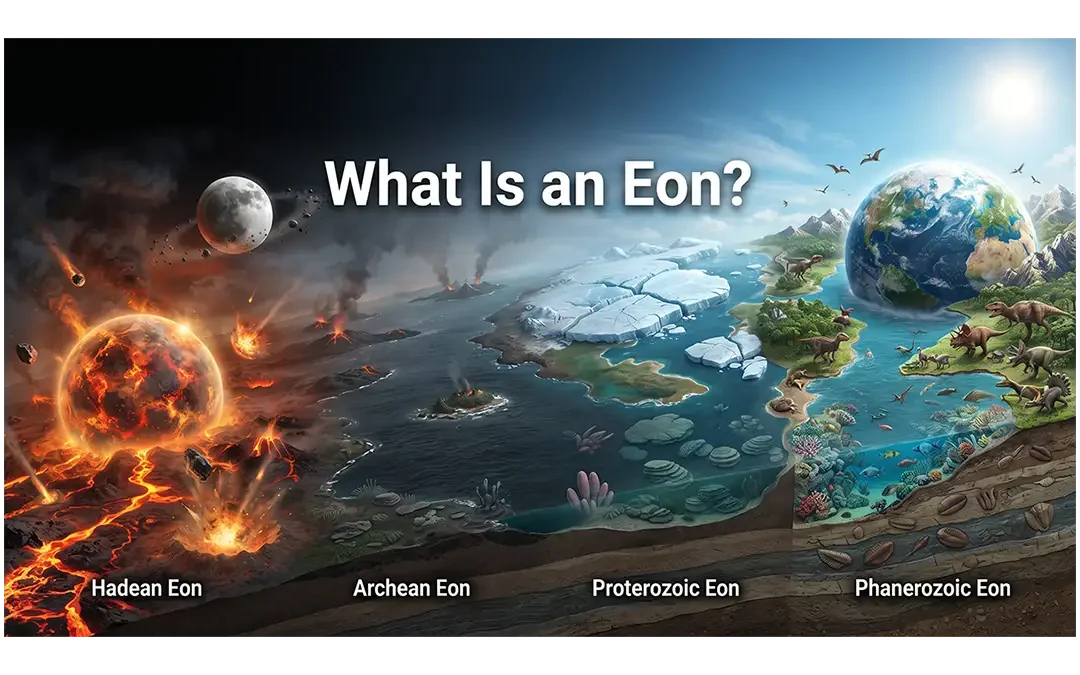 Earth is about 4.6 billion years old. During this enormous span of time, the planet has changed again and again. Continents have formed and moved, oceans have appeared and disappeared, mountains have risen, climates have shifted, and life has evolved from simple...
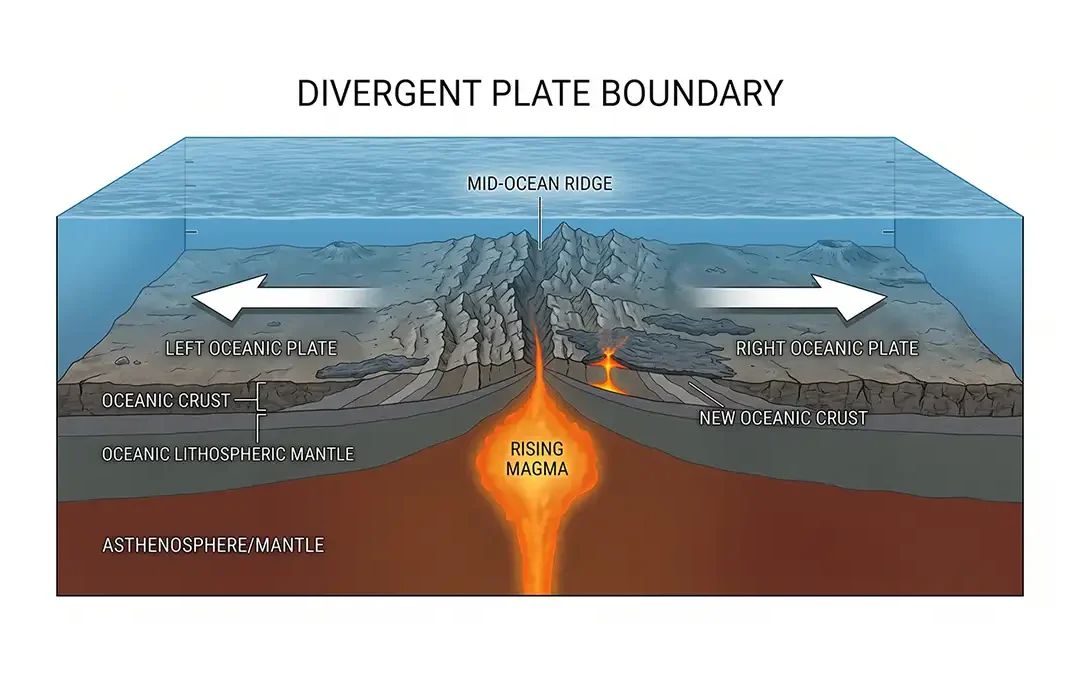 A divergent plate boundary is a region where two tectonic plates move away from each other. As the plates separate, hot material from the Earth’s mantle rises toward the surface and can form new crust. This process plays an important role in plate tectonics,...
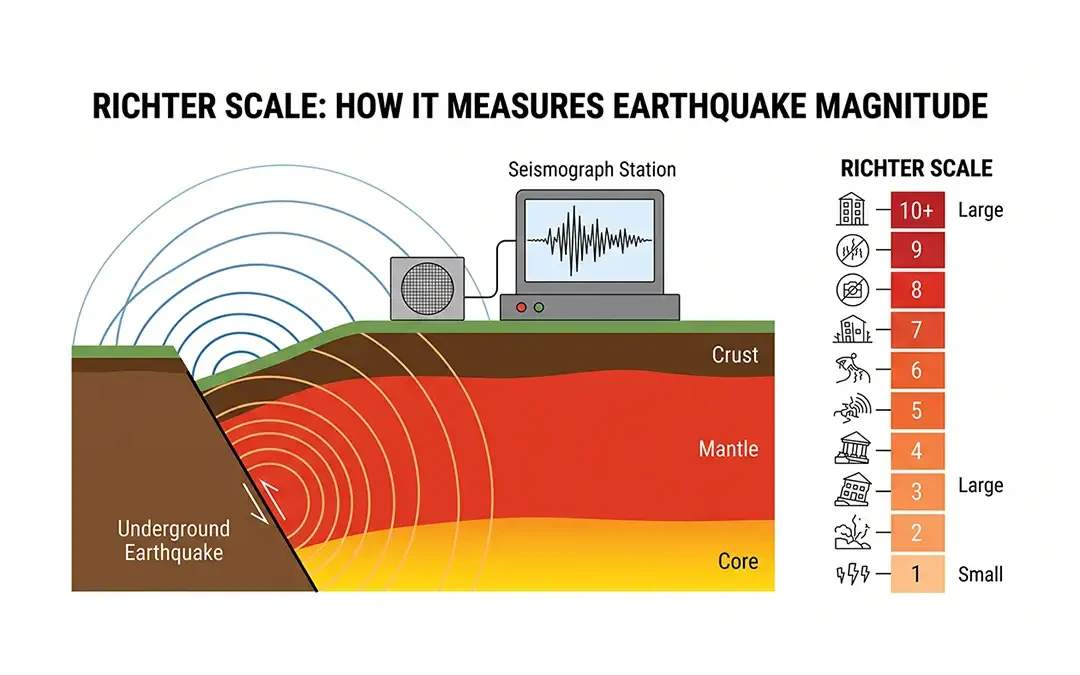 The Richter scale is a logarithmic scale originally developed to measure the size of earthquakes from the amplitude of seismic waves recorded by a seismograph. Charles F. Richter developed the scale in 1935 for earthquakes in Southern California. Today, the Richter...
