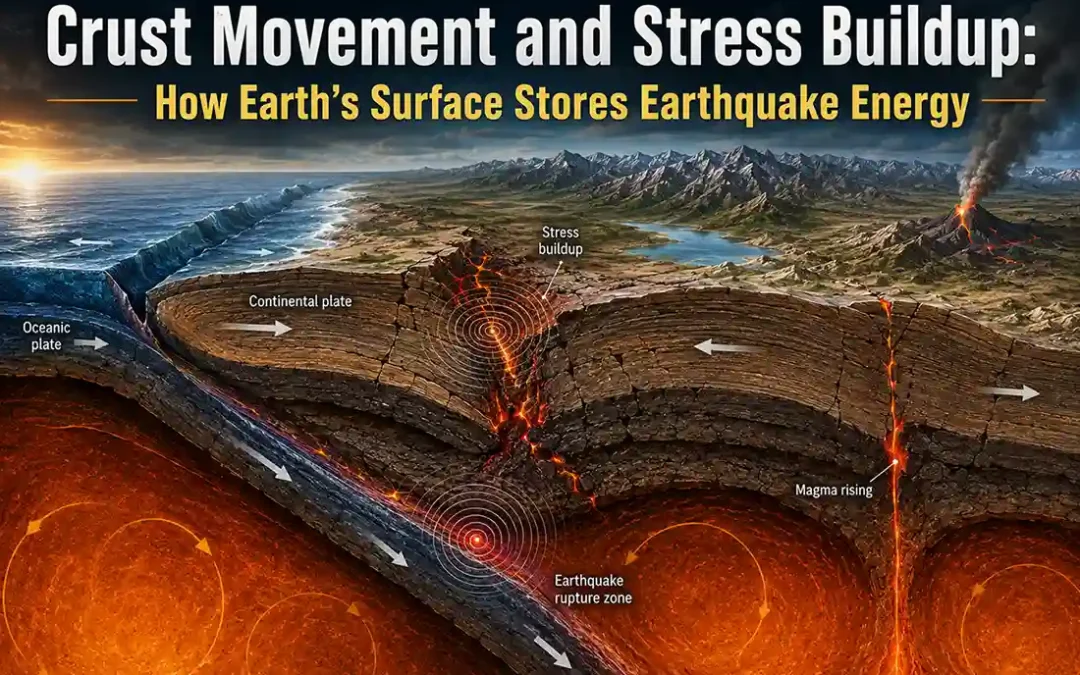
 Earthquakes do not happen randomly. Before the ground suddenly shakes, Earth’s crust often spends years — or even centuries — slowly building stress underground. This process begins because tectonic plates are constantly moving. As Earth’s crust shifts: rocks bend...
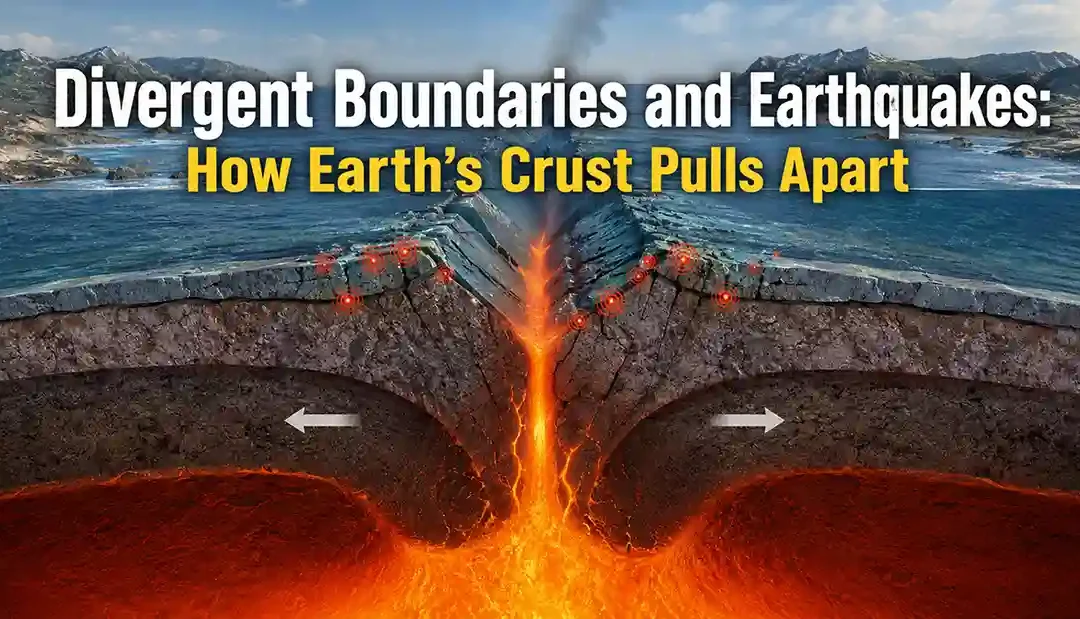 Not all earthquakes happen because tectonic plates collide. Some earthquakes occur because tectonic plates move away from each other. These regions are called divergent boundaries At divergent boundaries: Earth’s crust stretches cracks form underground magma rises...
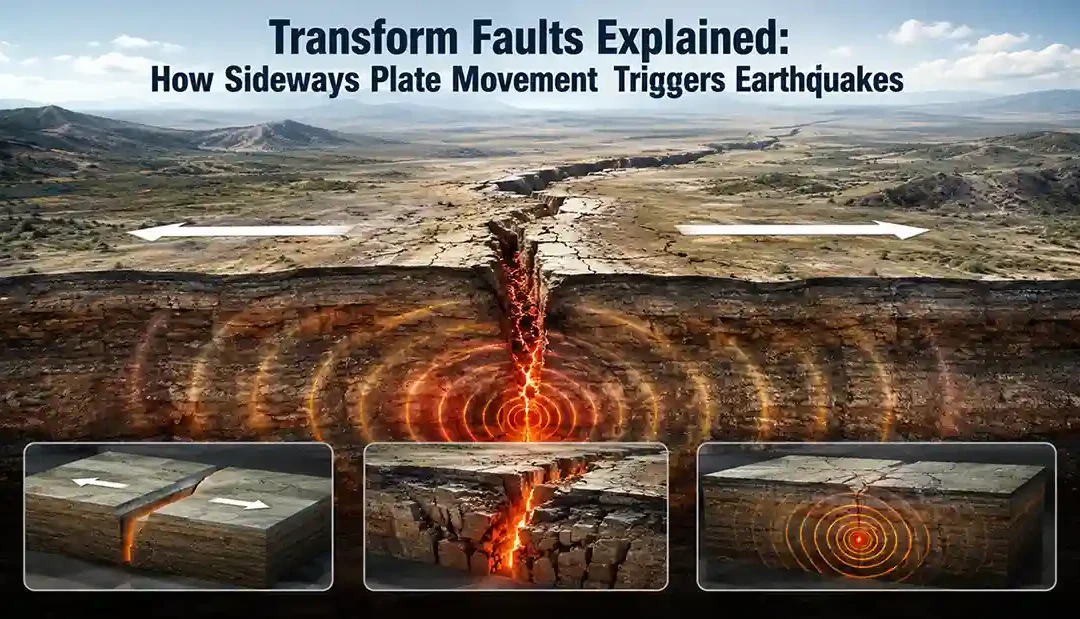 Earth’s outer shell is broken into gigantic, rigid slabs of rock known as tectonic plates. Where these plates collide, they build towering mountain ranges; where they pull apart, they tear open new ocean basins. However, along many boundaries, plates do neither—they...
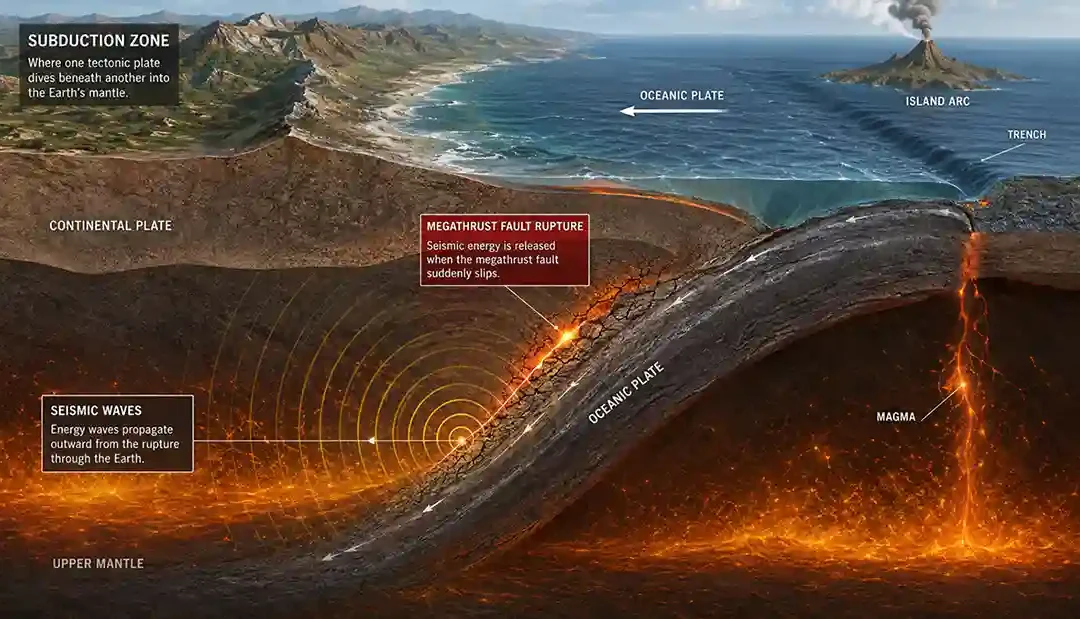 Some of the world’s most powerful earthquakes happen in places called subduction zones. These massive tectonic boundaries form where one tectonic plate sinks beneath another deep into Earth’s interior. Subduction zones are responsible for: giant megathrust earthquakes...
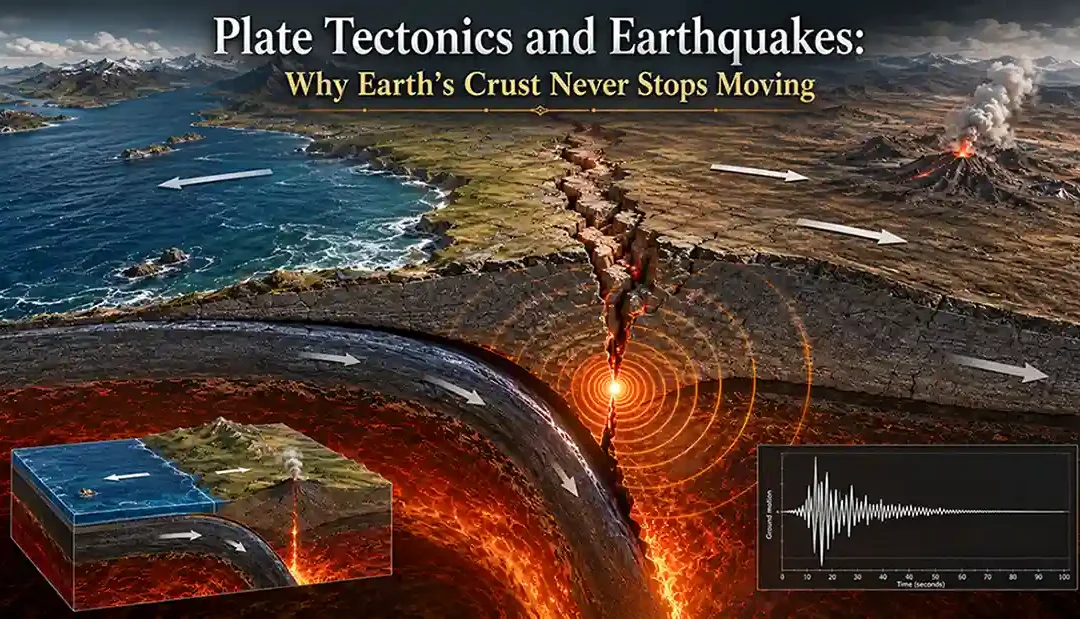 Most earthquakes happen because Earth’s tectonic plates are constantly moving. Deep beneath the surface: giant slabs of Earth’s crust slowly shift plates collide, separate, or slide past each other stress builds along faults Eventually, the pressure becomes too great....
