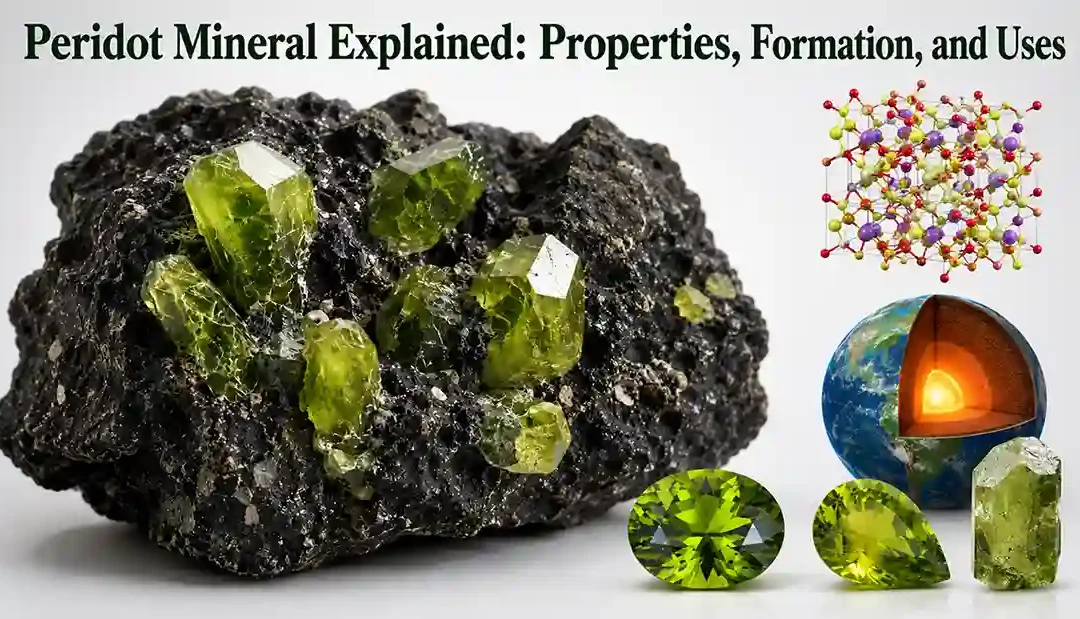
 Peridot is the gemstone variety of the mineral olivine and is one of the few gemstones that occurs naturally in only shades of green. Its distinctive olive-green color comes from iron within its crystal structure rather than impurities. Peridot is famous for its:...
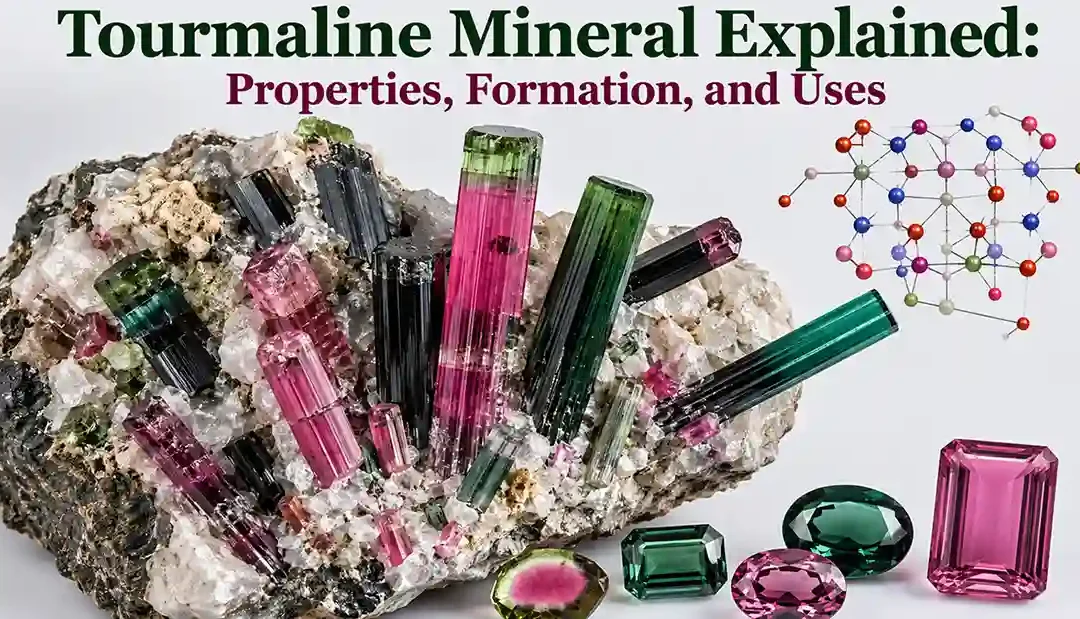 Tourmaline is one of the most diverse and colorful mineral groups on Earth. It occurs in nearly every color imaginable and is highly prized by both mineral collectors and gemstone enthusiasts. Tourmaline is famous for its: extraordinary color variety gemstone quality...
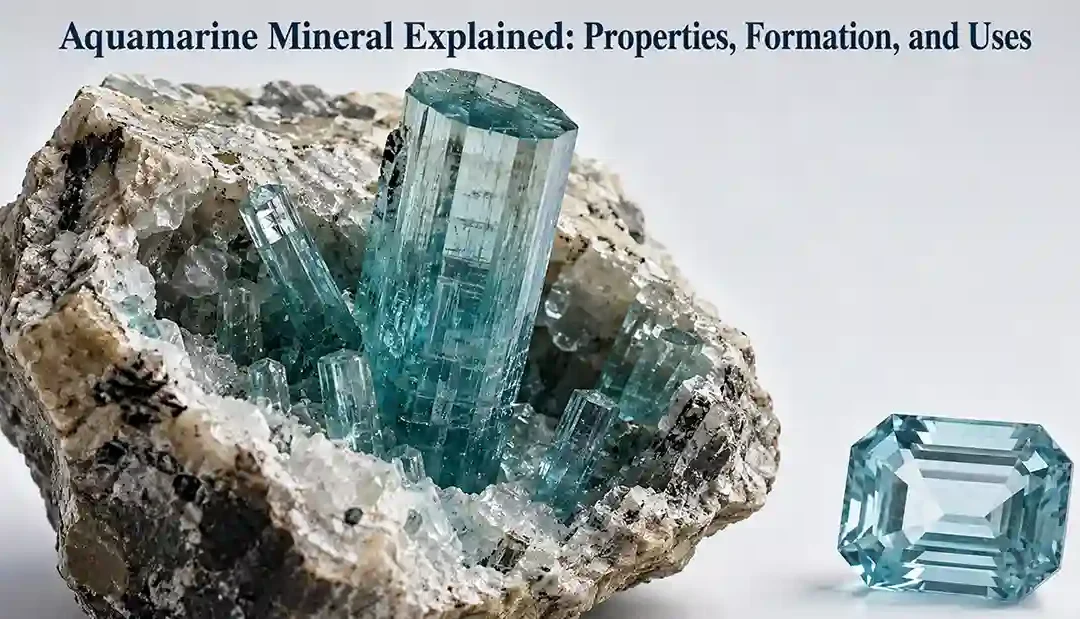 Aquamarine is the blue to blue-green variety of the mineral beryl and one of the world’s most popular gemstones. Its name comes from the Latin words aqua marina, meaning “seawater,” reflecting its beautiful ocean-like color. Aquamarine is valued for...
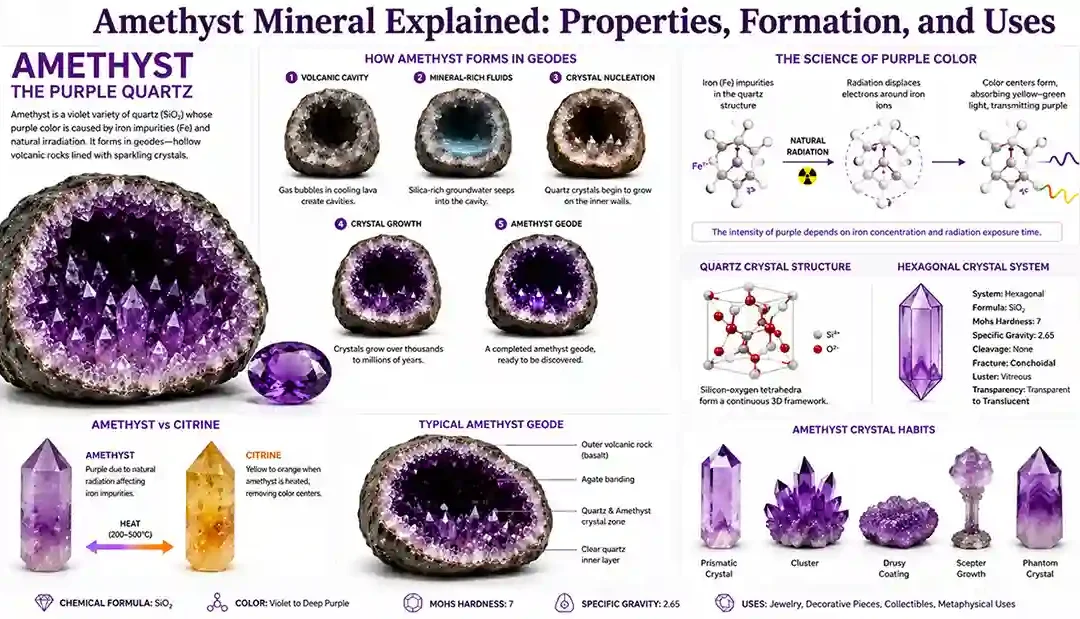 Amethyst is the purple variety of quartz and one of the world’s most popular gemstones. Its striking violet color, abundance, and beautiful crystal formations have made it highly valued for jewelry, mineral collections, and decorative displays for thousands of...
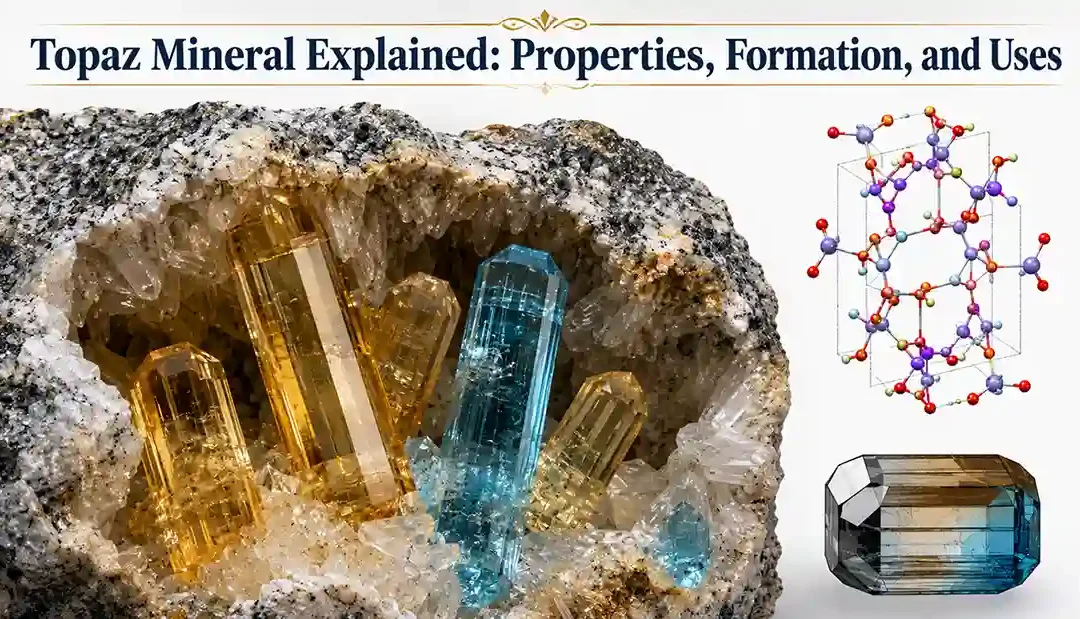 Topaz is one of the world’s most popular gemstones and is valued for its clarity, durability, and wide range of colors. It occurs naturally in igneous rocks, especially pegmatites and rhyolites, where large, well-formed crystals can develop. Topaz is famous for...
