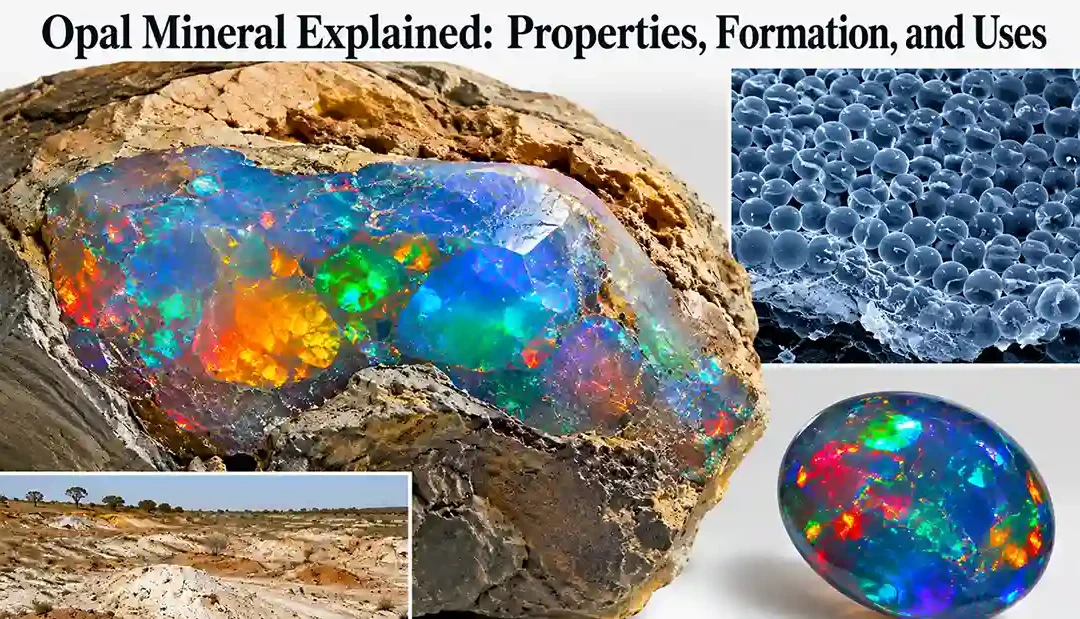
 Opal is one of the most unique gemstones in the world, famous for its dazzling flashes of color known as play-of-color. Unlike most gemstones, opal is not a true mineral because it lacks a crystalline structure. Instead, it is classified as a mineraloid composed of...
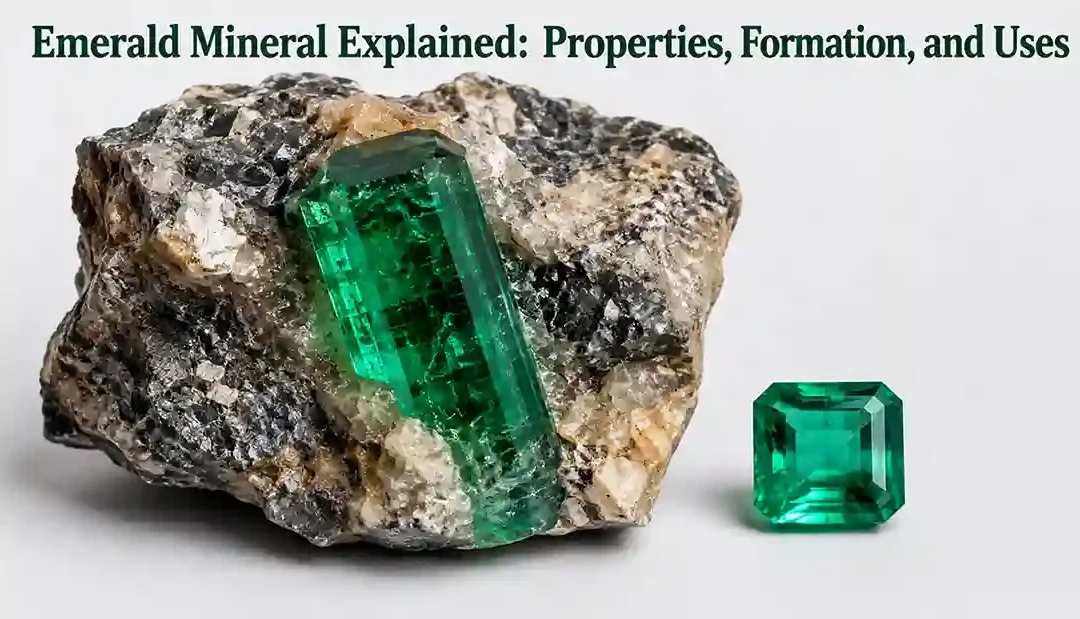 Emerald is one of the world’s most famous and valuable gemstones. It is the green variety of the mineral beryl and is prized for its rich color, rarity, and historical significance. For thousands of years, emerald has symbolized: wealth royalty wisdom renewal...
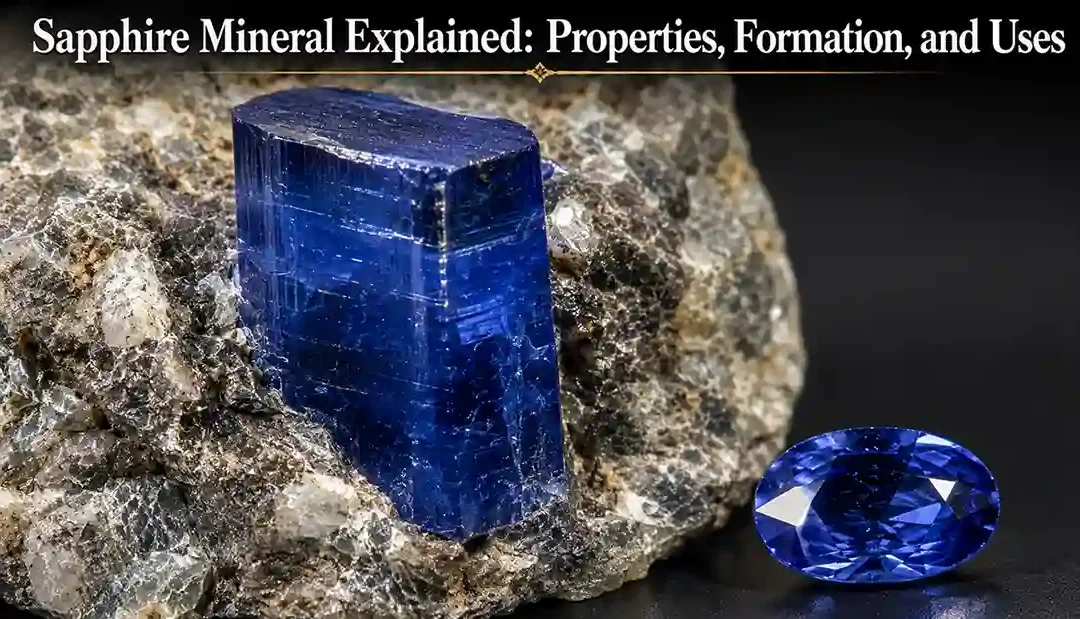 Sapphire is one of the world’s most famous gemstones and a variety of the mineral corundum. Although blue sapphire is the best known, sapphires occur in nearly every color except red, which is classified as ruby. Sapphire has been prized for centuries because of...
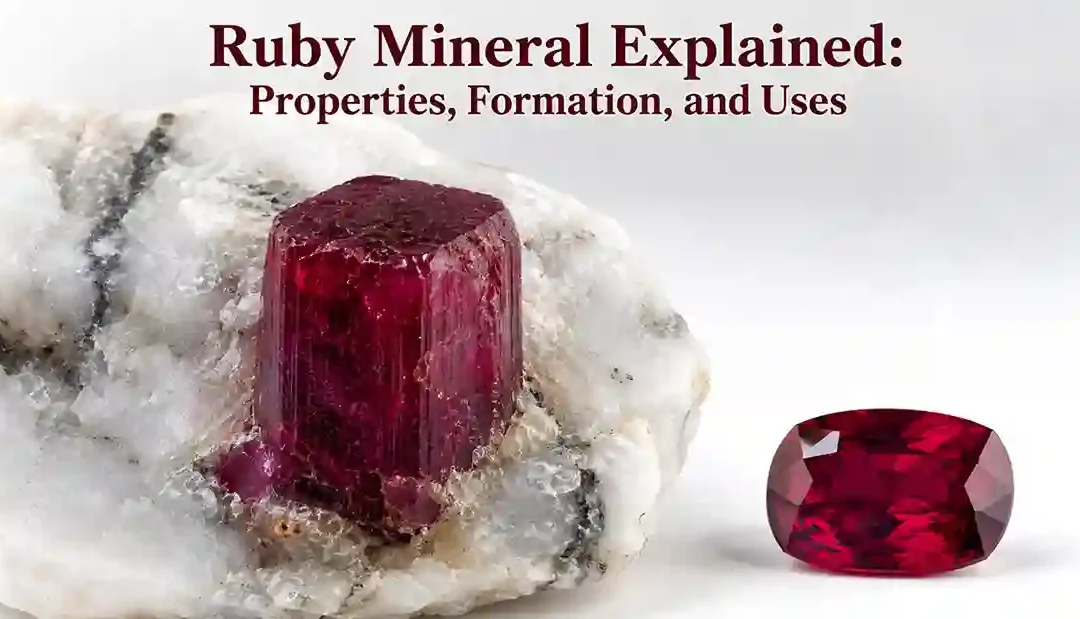 Ruby is one of the most famous and valuable gemstones in the world. It is the red variety of the mineral corundum and owes its striking color to trace amounts of chromium. For thousands of years, ruby has symbolized: passion power wealth protection Beyond its beauty,...
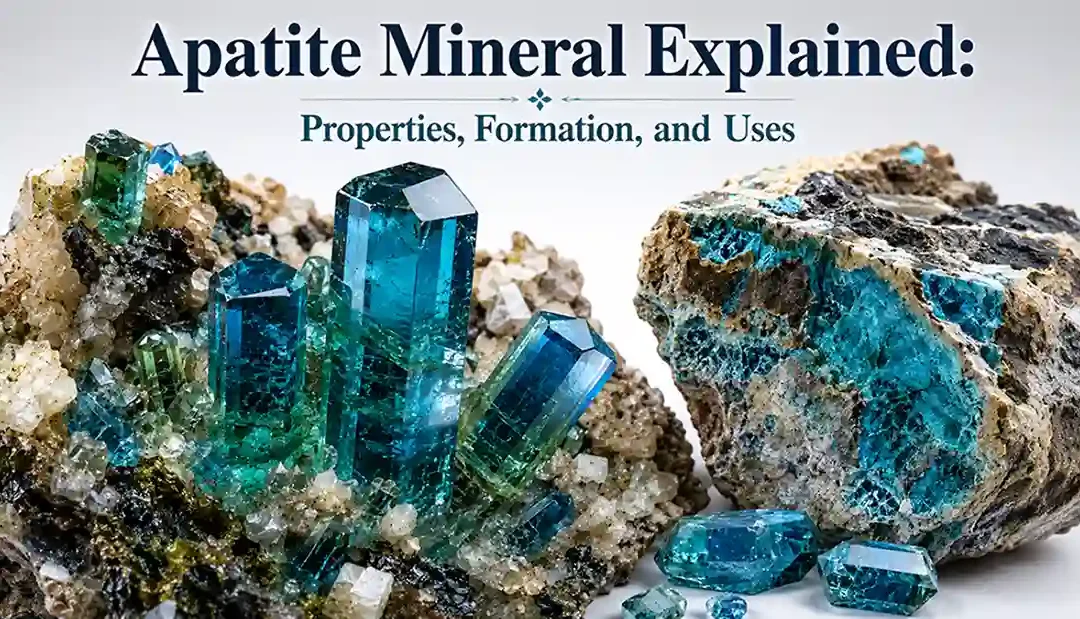 Apatite is one of the most important phosphate minerals on Earth and serves as the primary source of phosphorus used in fertilizers. Although it is relatively common, apatite is scientifically significant because phosphorus is essential for life, agriculture, and...
