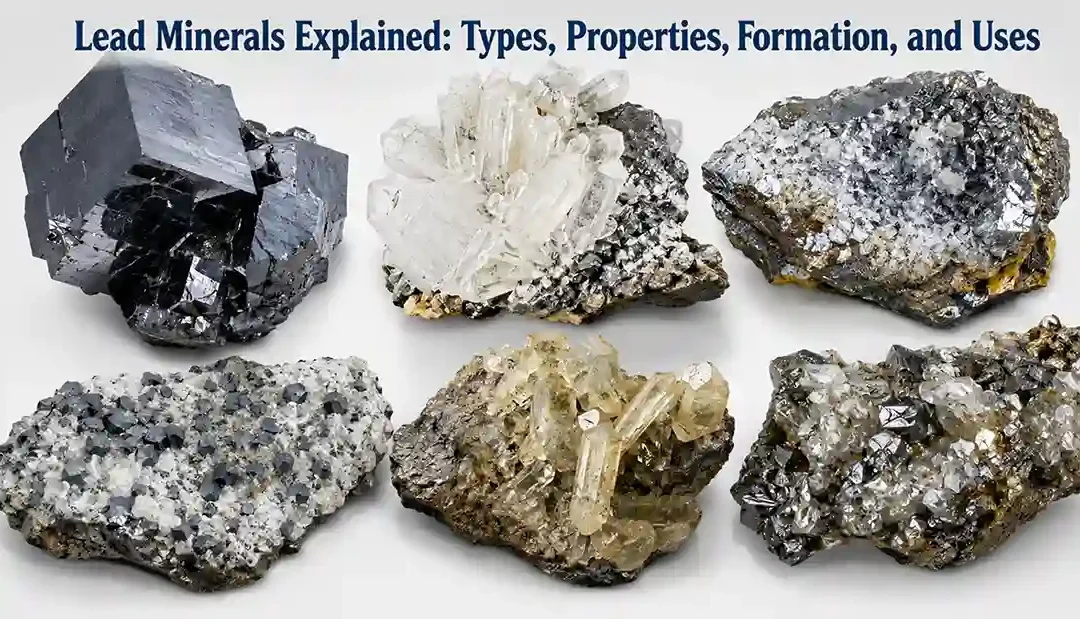
 Lead is one of the oldest metals used by humans and has played an important role in construction, plumbing, batteries, and industrial manufacturing. Although native lead is extremely rare, numerous lead-bearing minerals occur throughout Earth’s crust. Lead...
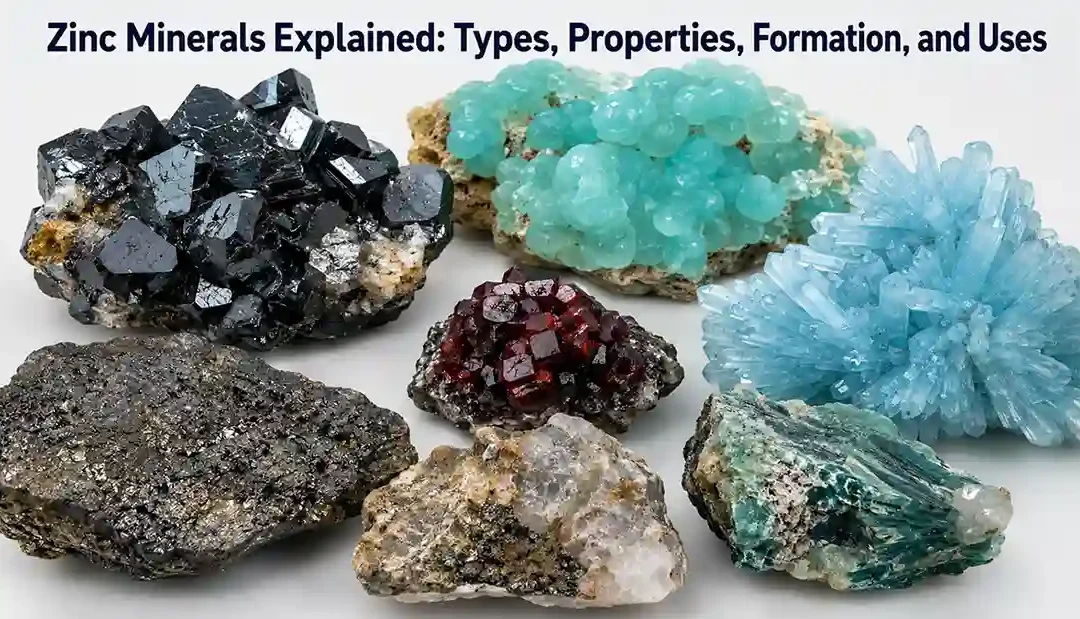 Zinc is one of the most important industrial metals in the world. It is widely used in: galvanizing steel batteries alloys construction materials chemical manufacturing Unlike gold or silver, zinc rarely occurs as a native metal. Instead, it is found in various...
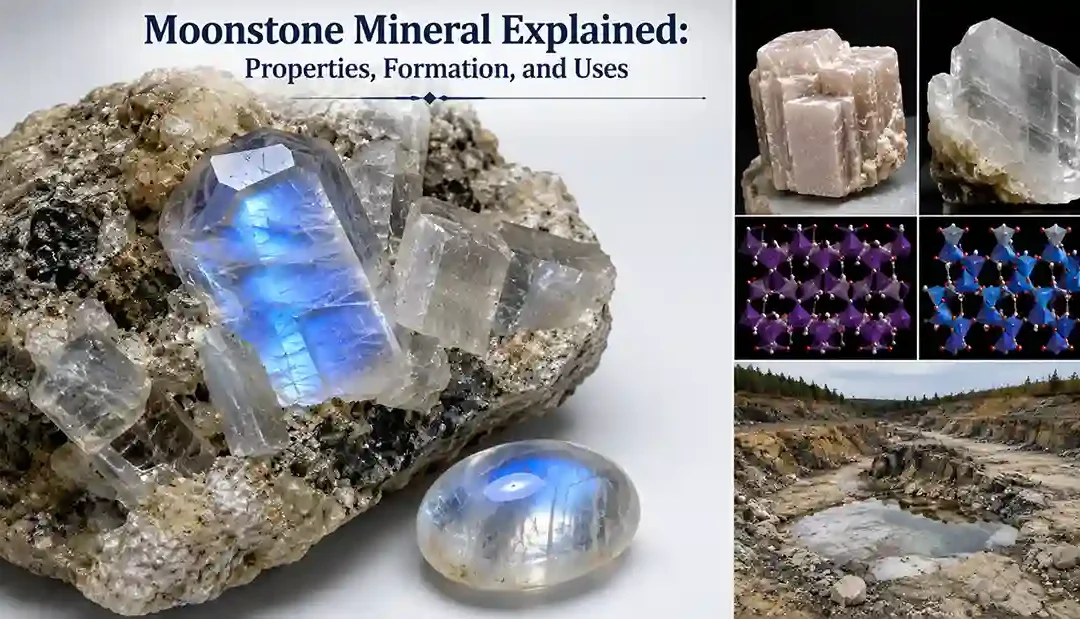 Moonstone is one of the most enchanting gemstones in the world, famous for its mysterious floating glow known as adularescence. This optical effect creates a soft blue or white light that appears to move beneath the surface of the stone. Moonstone belongs to the...
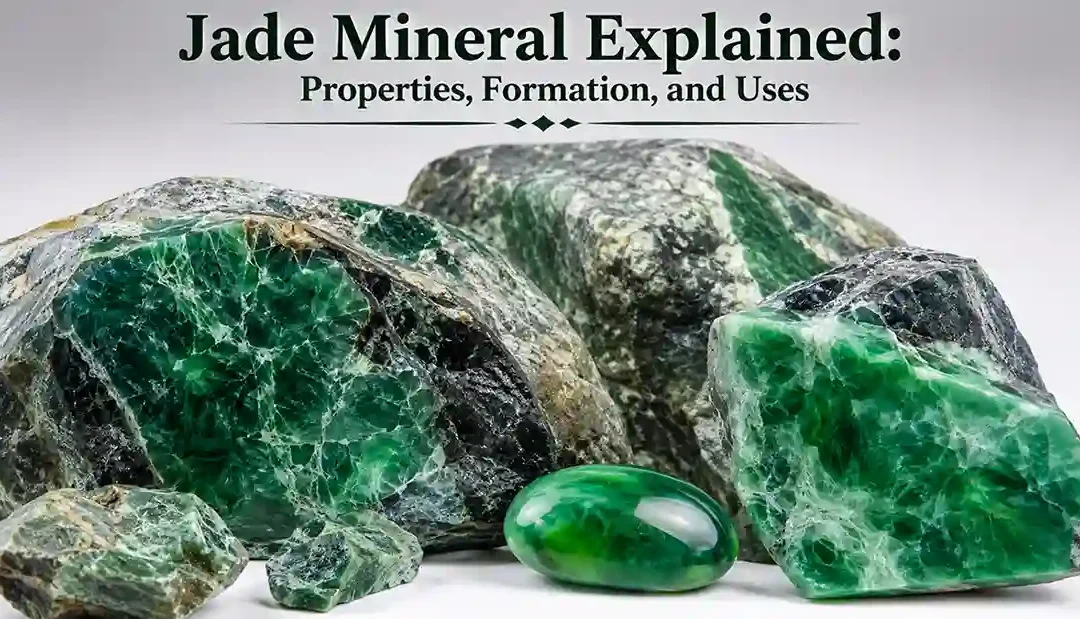 Jade is one of the most treasured ornamental stones in human history. For thousands of years, civilizations across Asia, Central America, and other regions have valued jade for its beauty, durability, and cultural significance. Unlike many gemstones, jade refers to...
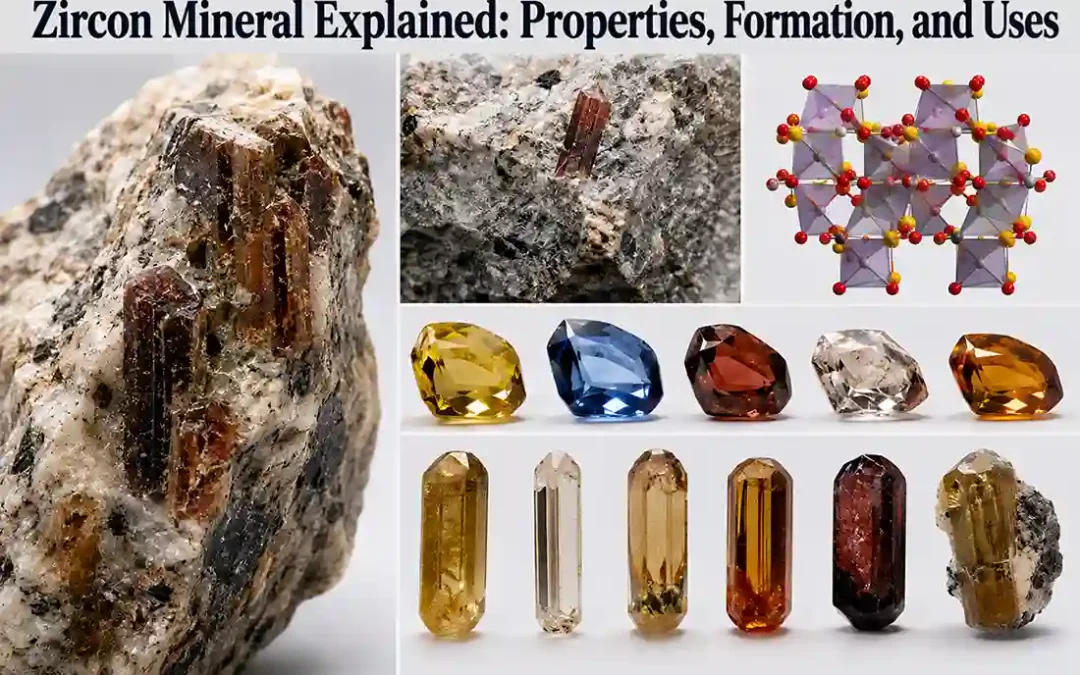 Zircon is one of the most important minerals in geology because it serves as a natural time capsule of Earth’s history. While zircon is known as a beautiful gemstone, it is even more famous among geologists for its role in determining the age of rocks and...
