
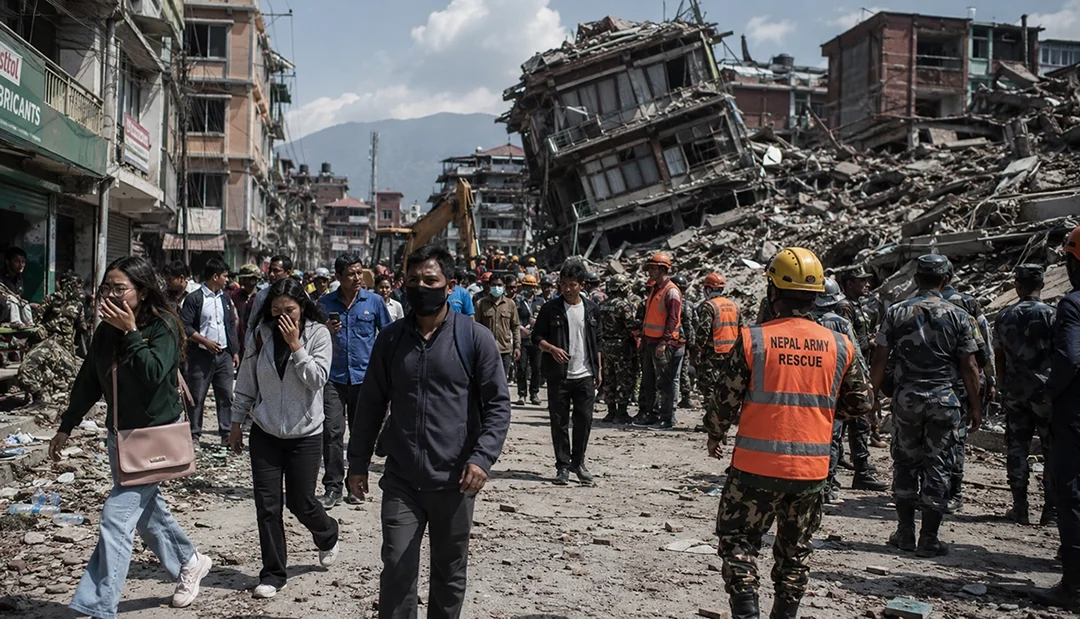
Earthquakes can damage buildings, block roads, and create dangerous aftershocks within seconds. That’s why having a clear earthquake evacuation plan is extremely important.
A good evacuation plan helps people:
- react faster
- reduce panic
- avoid dangerous areas
- reunite safely with family members
Prepared evacuation planning is especially important in:
- earthquake-prone cities
- coastal tsunami zones
- schools and offices
- large apartment buildings
If you’re new to earthquakes, begin here → what is an earthquake
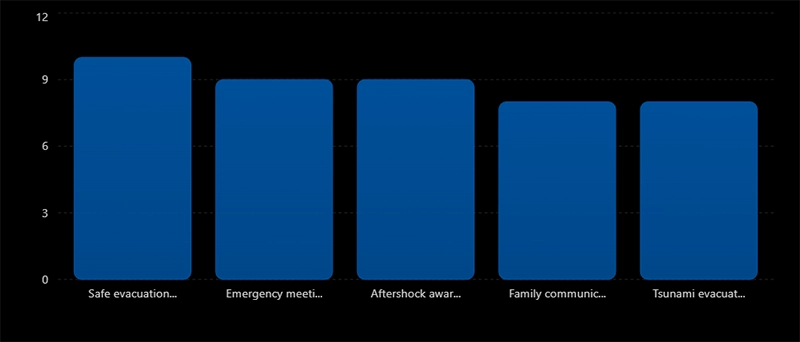
Most Important Earthquake Evacuation Priorities
Key Earthquake Evacuation Priorities
Most important actions during earthquake evacuation planning.
When Should You Evacuate After an Earthquake?
During shaking, the safest action is usually: Drop, Cover, and Hold On
Evacuation usually happens:
- AFTER strong shaking stops
- if buildings appear damaged
- if tsunami danger exists
- if emergency officials recommend evacuation
Running during active shaking can increase injury risk.
Create Safe Evacuation Routes at Home
Every household should identify:
- primary exit routes
- backup escape paths
- safe outdoor meeting locations
Important Tips
- keep hallways clear
- avoid blocking doors
- know how to shut off utilities if necessary
Learn more → earthquake safety tips at home
Earthquake Evacuation in Buildings
After strong earthquakes:
Safer Evacuation Steps
- use stairs instead of elevators
- move calmly
- avoid damaged walls and glass
- follow emergency instructions
Avoid:
- crowded exits
- unstable stairways
- damaged structures
Elevators should NOT be used after earthquakes.
School Earthquake Evacuation Plans
Schools often use:
- designated evacuation routes
- outdoor assembly points
- teacher-guided evacuations
Important Goals
- keep students together
- reduce panic
- avoid blocked exits
Learn more → earthquake safety for schools
Tsunami Evacuation Planning
Coastal earthquakes may trigger tsunamis.
Important Tsunami Evacuation Steps
- move to higher ground immediately
- follow official tsunami alerts
- avoid beaches and harbors
Natural Warning Signs
- strong prolonged shaking
- sudden ocean retreat
- loud ocean roar
Tsunamis may arrive within minutes after offshore earthquakes.
Choose Emergency Meeting Locations
Families and groups should agree on:
- nearby outdoor meeting spots
- backup meeting locations
- emergency contact plans
Good Meeting Areas
- open parks
- large parking areas
- wide clear spaces
Clear meeting plans reduce confusion after disasters.
Include Evacuation Supplies in Emergency Kits
Evacuation kits may include:
- water
- flashlight
- batteries
- first aid supplies
- medications
- emergency documents
- phone chargers
Emergency “go bags” help people evacuate quickly.
Learn more → earthquake emergency kit checklist
Common Earthquake Evacuation Mistakes
| Mistake | Why It’s Dangerous |
|---|---|
| Running during shaking | Falling debris injuries |
| Using elevators | Entrapment risk |
| Ignoring aftershocks | Collapse danger |
| Blocking exits | Slower evacuation |
| No meeting plan | Family separation confusion |
Organized evacuations improve survival.
Why Aftershocks Matter During Evacuation
Aftershocks may occur:
- minutes later
- hours later
- even days afterward
These secondary earthquakes can:
- weaken buildings further
- trigger additional collapse
- create new hazards
Stay alert even after evacuation.
Learn more → earthquake aftershocks explained
Countries With Strong Earthquake Evacuation Systems
Earthquake-prone countries often practice large-scale evacuation planning.
Examples include:
- Japan
- Chile
- New Zealand
- United States (California)
Prepared regions commonly use:
- evacuation drills
- emergency alert systems
- tsunami evacuation maps
- public safety education
Japan is especially known for advanced evacuation preparedness.
Earthquake Evacuation for High-Rise Buildings
People in tall buildings should:
- avoid elevators
- use emergency stairwells
- evacuate calmly after shaking stops
Important Fact
Modern skyscrapers may sway significantly but are often designed to remain standing during major earthquakes.
Learn more → earthquake safety in buildings
Can Earthquake Warning Systems Help Evacuation?
Some countries use:
- earthquake early warning systems
- mobile emergency alerts
- automated evacuation alarms
These systems may provide:
- a few seconds of warning
- enough time to take cover before evacuation begins
Learn more → earthquake early warning systems
After strong shaking stops if buildings are unsafe or officials recommend evacuation.
No — use stairs instead.
They help families reunite safely after disasters.
Move to higher ground because of tsunami risk.
Final Thoughts
An earthquake evacuation plan helps people react faster, stay calmer, and move more safely during seismic emergencies. Prepared evacuation routes, emergency kits, meeting locations, and tsunami awareness can significantly improve safety after strong earthquakes.
Understanding earthquake evacuation planning helps reduce confusion and improve survival during one of nature’s most sudden disasters.