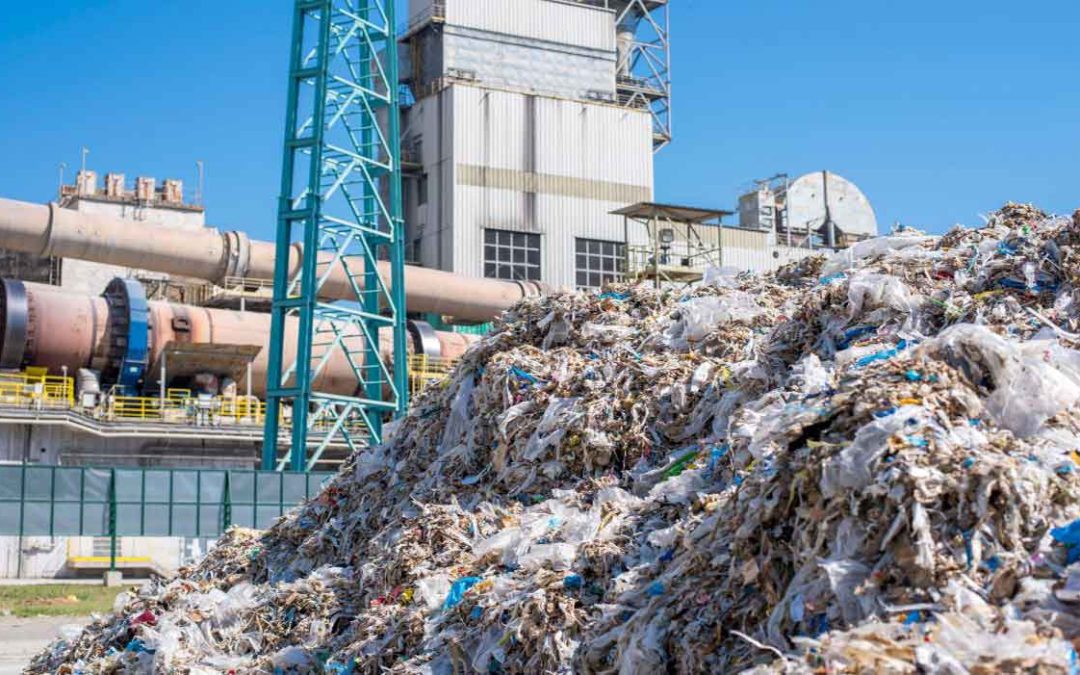
 The O&M of Waste-to-Energy (WTE) facilities requires special consideration and operator skills. WTE facilities are power plants that require combined expertise in the combustion of solid fuel and in the handling of corrosive flue gas. The O&M of WTE has to...
 What is permafrost? Permafrost is a condition where a layer of soil, sediment, or rock below the ground surface remains frozen for a period greater than a year. Permafrost is not a necessary condition for creating periglacial landforms. However, many periglacial...
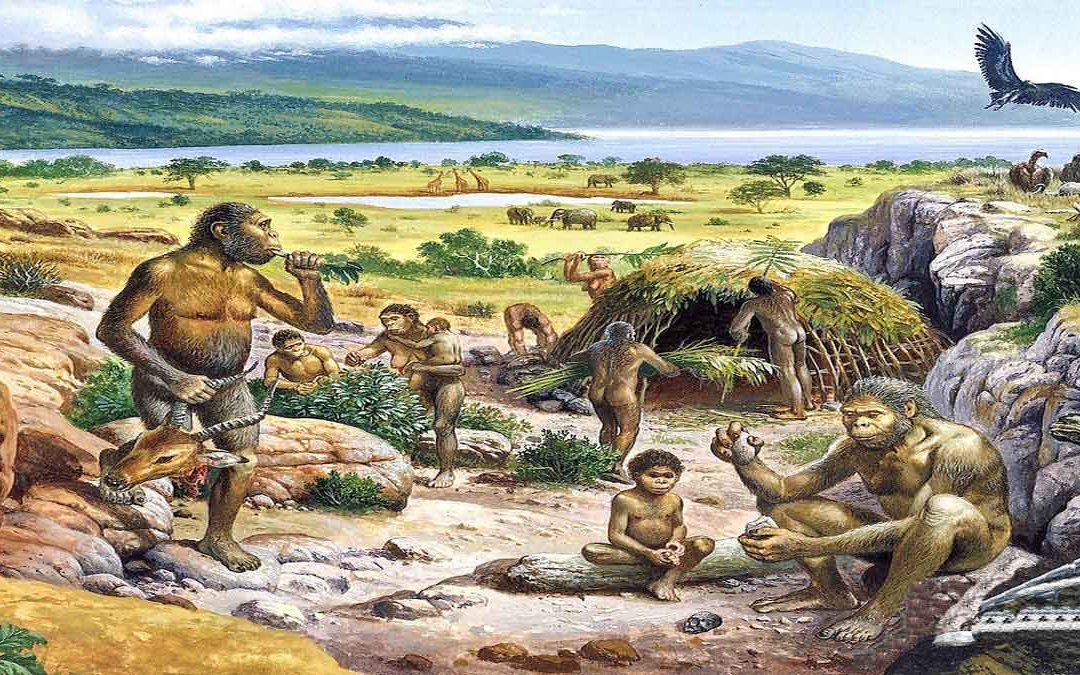 The Quaternary has some specific events that distinguish this period from the Tertiary, including significant climatic changes, alternating glacial and interglacial periods, fluctuations in sea levels, transformations in relief and landscapes, shifts in vegetation...
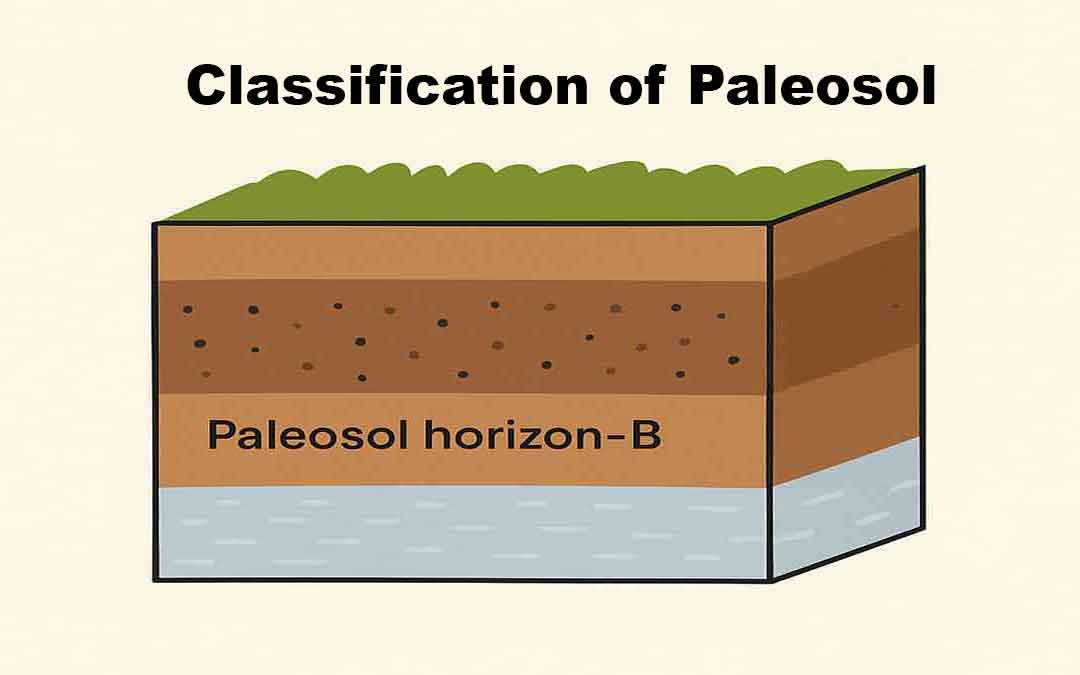 Paleosols are the soils of ancient times. Sometimes, it is called fossil soils. Despite increased interest in paleosols during the past decade, no satisfactory classification is in current use. Presented here is a largely descriptive classification system that...
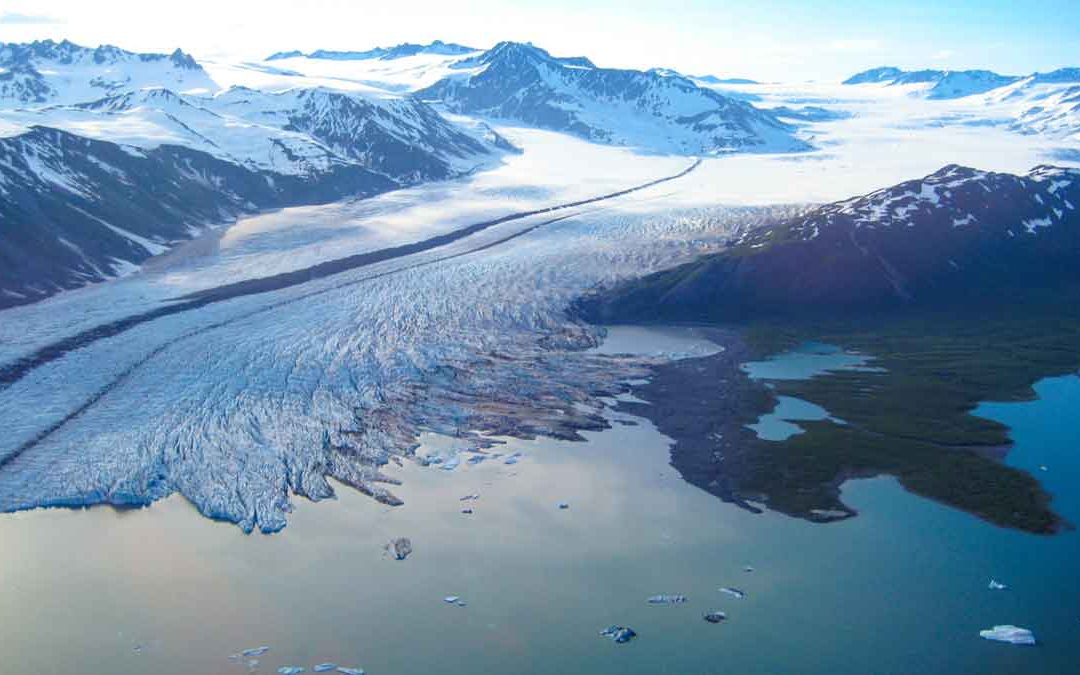 Glacial landforms are the result of the dynamic processes involving glaciers as they move and melt. These features can be categorized into three main types: constructional, ice-contact, and proglacial. Each type emerges through distinct glacial activities, such as the...
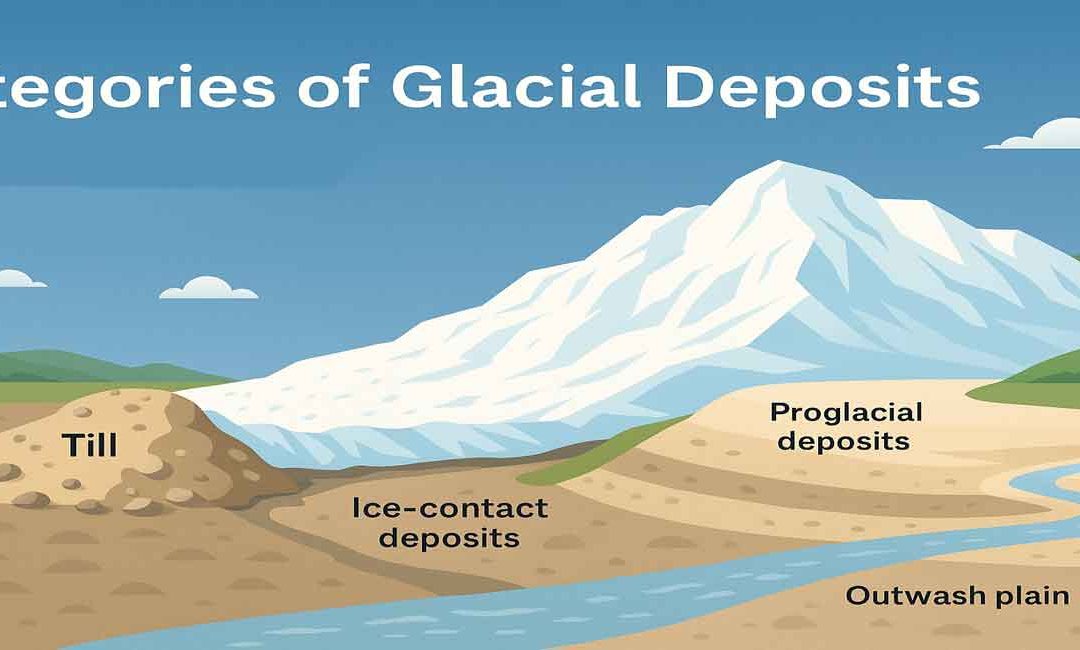 The history of glaciation, particularly the Categories of Glacial Deposits, largely depends on the studies of glacial deposits and landforms resulting from the accumulation of these glacial deposits. The degree of stratification is most important in defining the...
