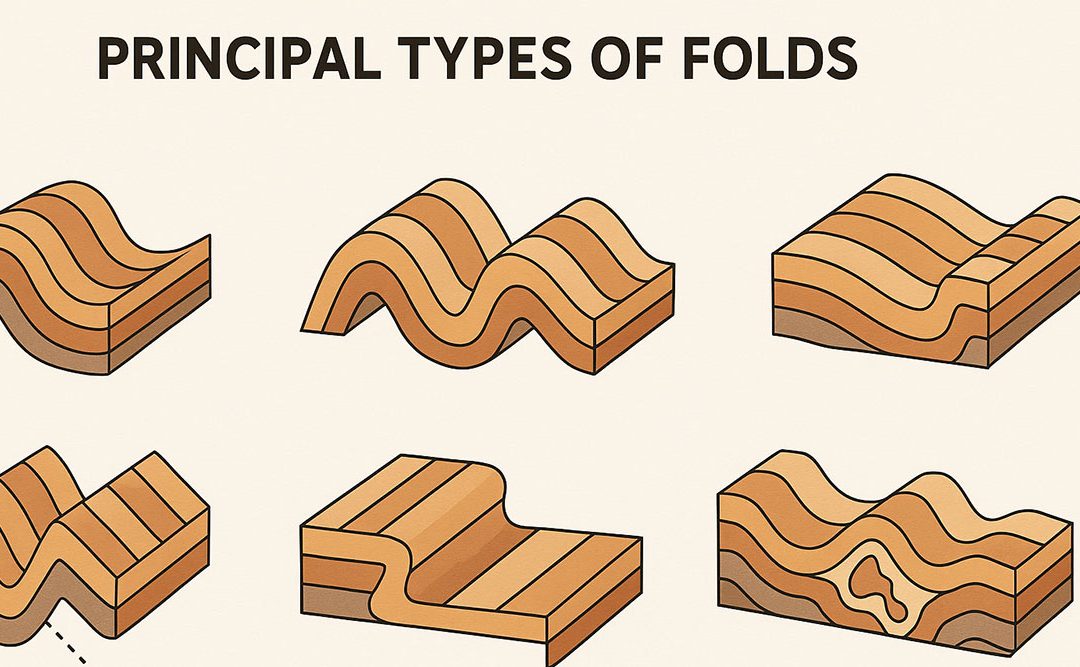
 Folds are significant geological structures formed when rock layers undergo compression, resulting in bending without fracturing. They are commonly observed in deformed sedimentary, metamorphic, and even igneous rocks. Understanding the different types of folds and...
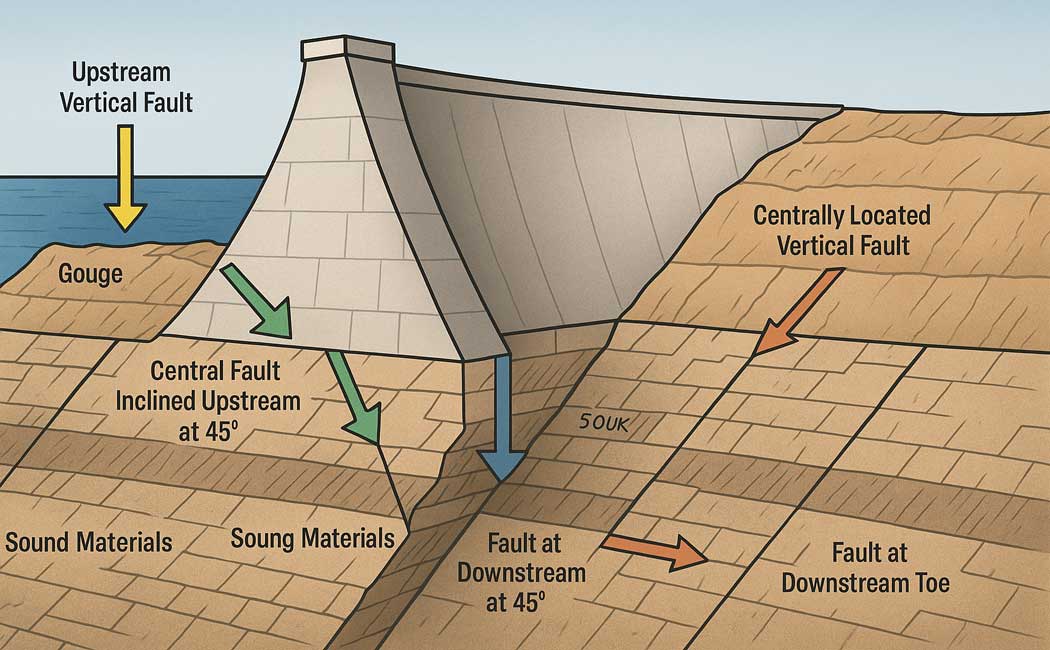 The fault zone lying under gravity dams is composed of weak gouge materials with a low modulus of elasticity as compared to sound rocks, and hence is more deformable. The pressure of a fault zone induces more stress in a foundation than a normal foundation. A fault...
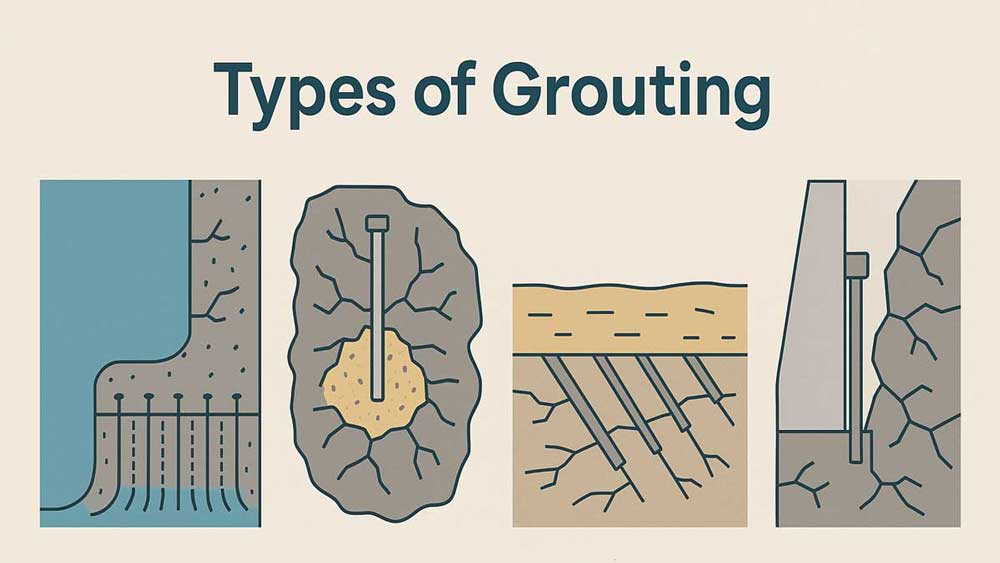 Grouting plays a crucial role in geotechnical engineering by improving the strength, stability, and impermeability of soil and rock foundations. Engineers inject a fluid-like material into voids, cracks, or porous zones to seal, consolidate, or reinforce the ground....
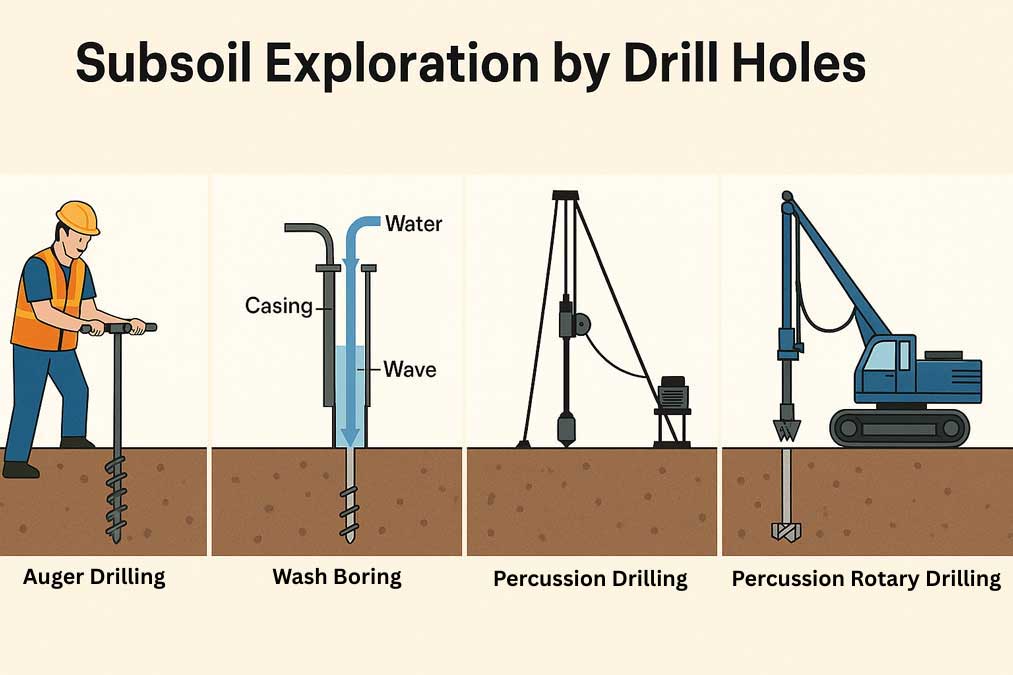 Subsoil exploration helps engineers understand what lies beneath the ground surface before starting any construction work. It identifies different soil layers and their properties. One of the common ways to explore subsoil involves drilling holes using methods such as...
 Compression soil accomplished by loading for a short period is known as compaction. It is a quick process of densification and stabilization of soil. A soil mass loses its compactness when it is excavated from its natural source and deposited elsewhere. Why Soil...
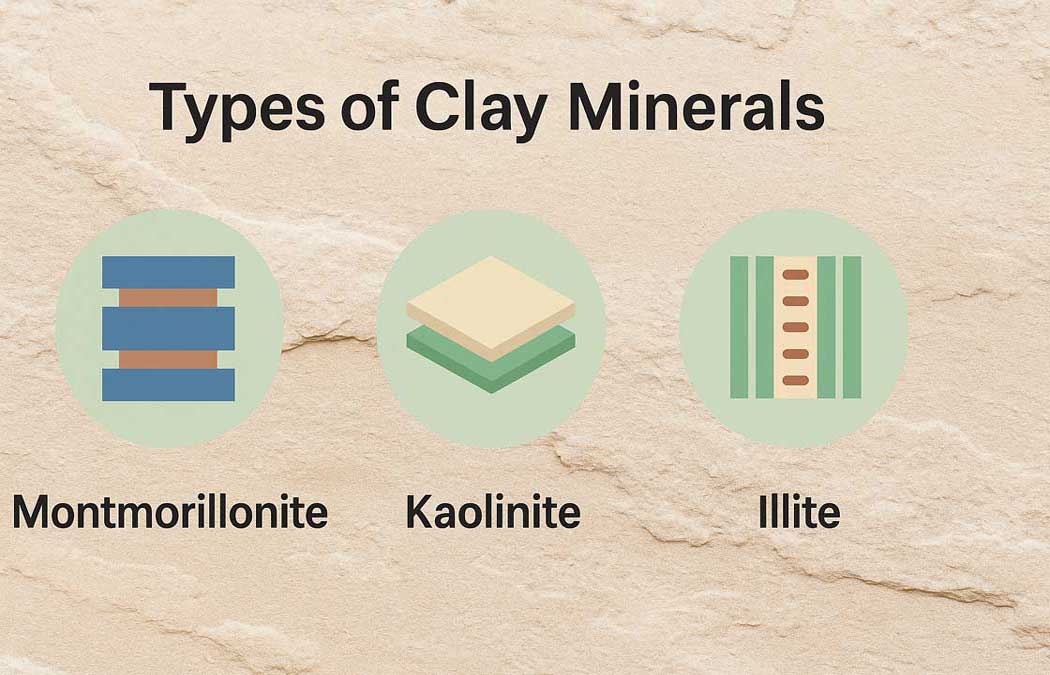 Clay minerals consist of crystalline materials that give soil its plasticity and cohesion. A clayey soil, along with non-clay minerals like quartz, feldspar, mica, and calcite, often includes one or two clay minerals made of microscopically thin sheets. Chemically,...