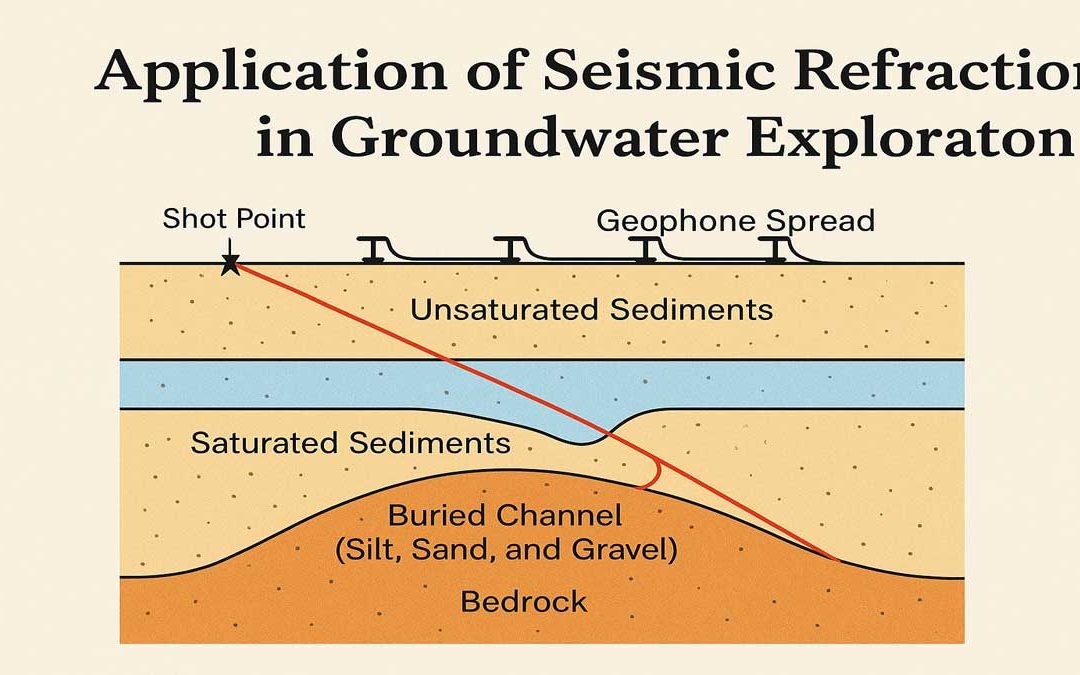
 Application of Seismic Refraction Measurements in Groundwater: Mapping of Buried Channels using Seismic Refraction: The most common use of the seismic method in hydrogeology is the determination of the thickness of sediments overlying non-water-bearing consolidated...
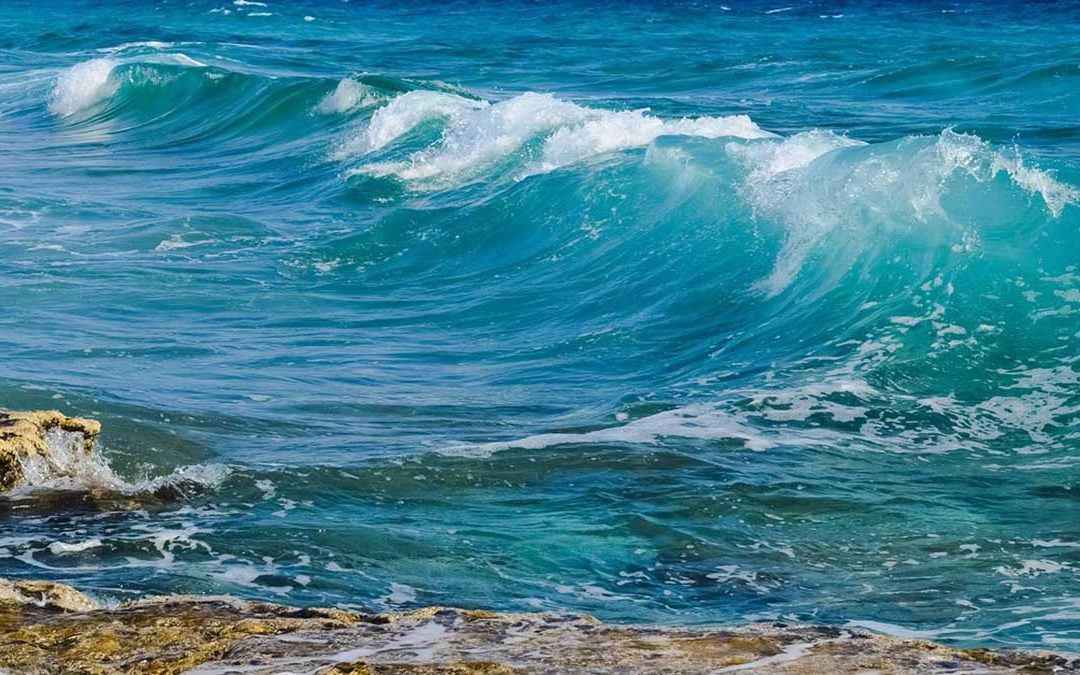 The energy that moves sand along a beach comes from the wind-driven water waves that break upon the shore. As wind blows over the surface of an ocean or a lake, some of the wind‘s energy is transferred to the water surface, forming the waves that move through the...
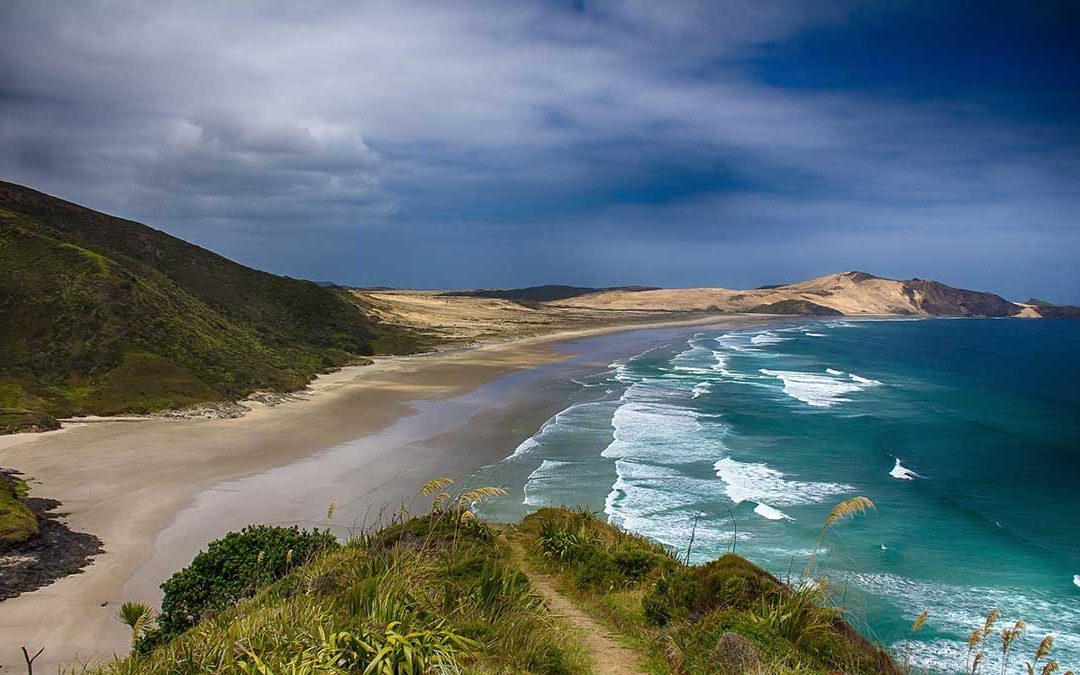 Tectonic Settings and Their Role in the Coastline Formation: Coastline Formation is determined by a variety of factors, including tectonic setting, the materials present at the shore, and the energy with which water strikes the coast. One factor that influences the...
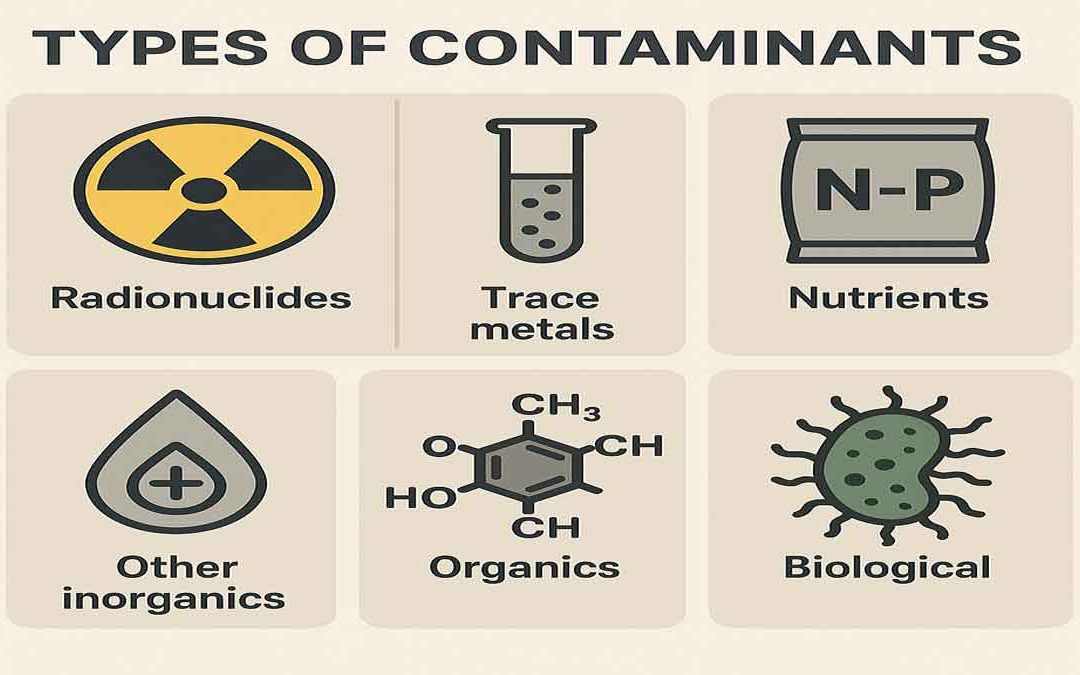 What are Contaminants? Any solutes (contaminants) introduced into the groundwater environment. Contamination is the presence of a constituent, impurity, or some other undesirable element that renders something unsuitable, unfit, or harmful for the physical body,...
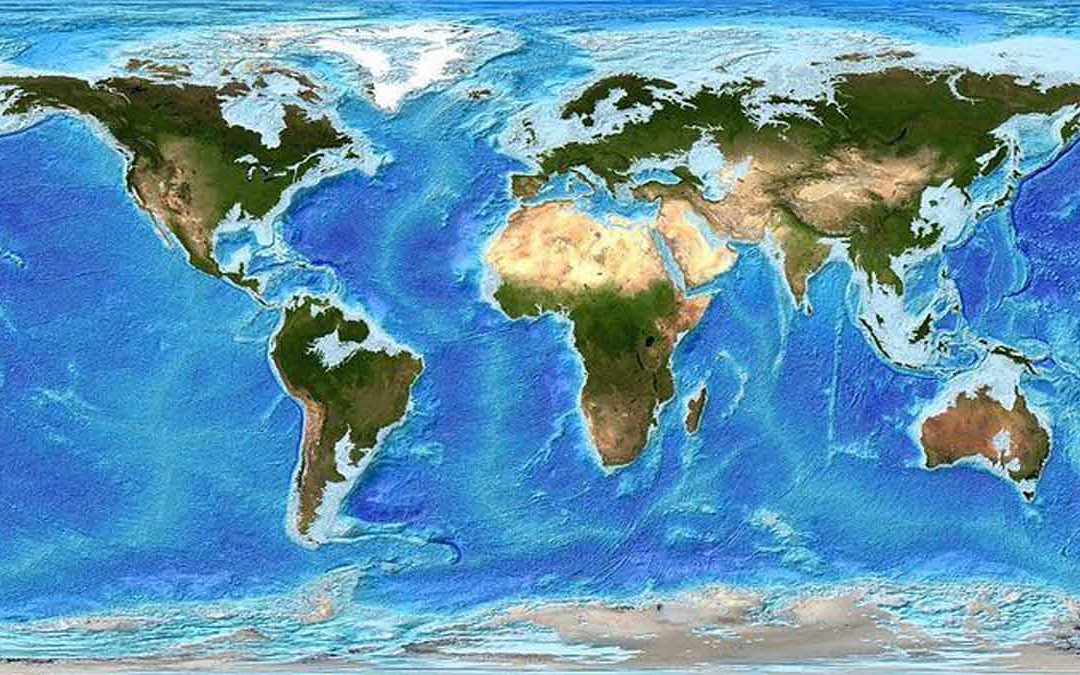 Sea level has never been constant throughout Earth’s history. It has risen and fallen over geological time due to various natural processes. This blog explores the cyclic patterns of sea level fluctuations in the geologic past, the role of oxygen isotopes, and the...
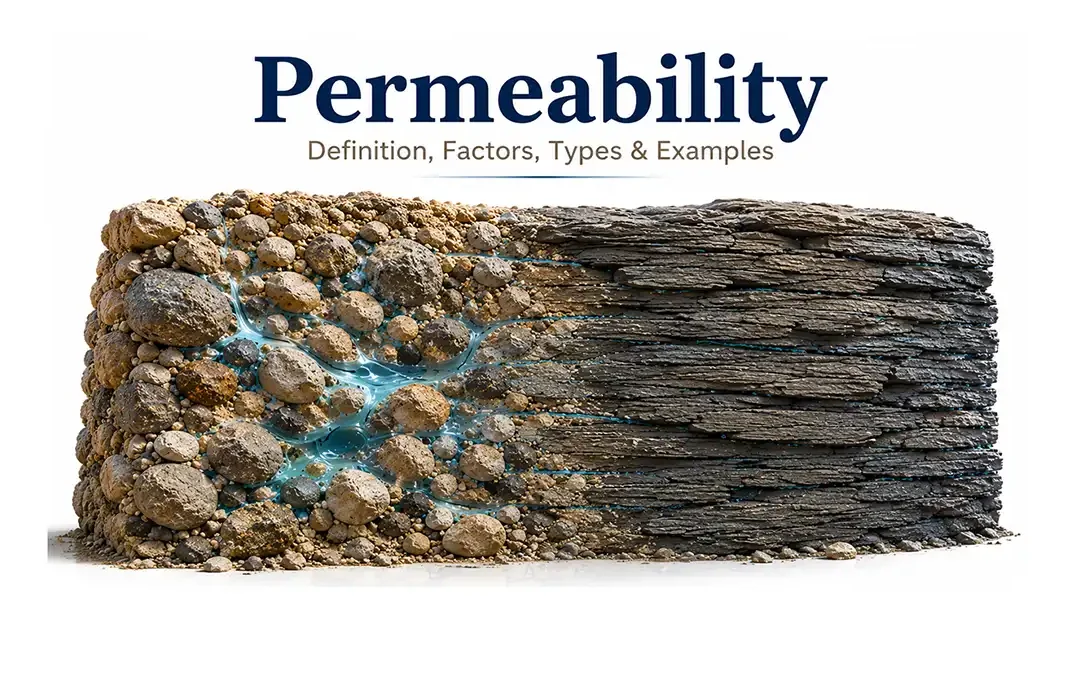 Imagine pouring water onto two different surfaces. One is a layer of clean sand, where the water quickly disappears into the ground. The other is a layer of compact clay, where the water remains on the surface for much longer. The difference between these two...
