
Latest Post & Case Study
Recent Post

Minerals in Sedimentary Rocks Explained: Formation, Types, and Identification
Sedimentary rocks form through the accumulation, transportation, deposition, and lithification of sediments or through...

Minerals in Igneous Rocks Explained: Formation, Types, and Identification
Igneous rocks form when molten magma or lava cools and solidifies. During cooling, different minerals crystallize at...

Hydrothermal Alteration Explained: Types, Processes, Minerals, and Ore Deposits
Hydrothermal alteration is the chemical and mineralogical transformation of rocks and minerals caused by hot,...
Mineralogy & Petrology
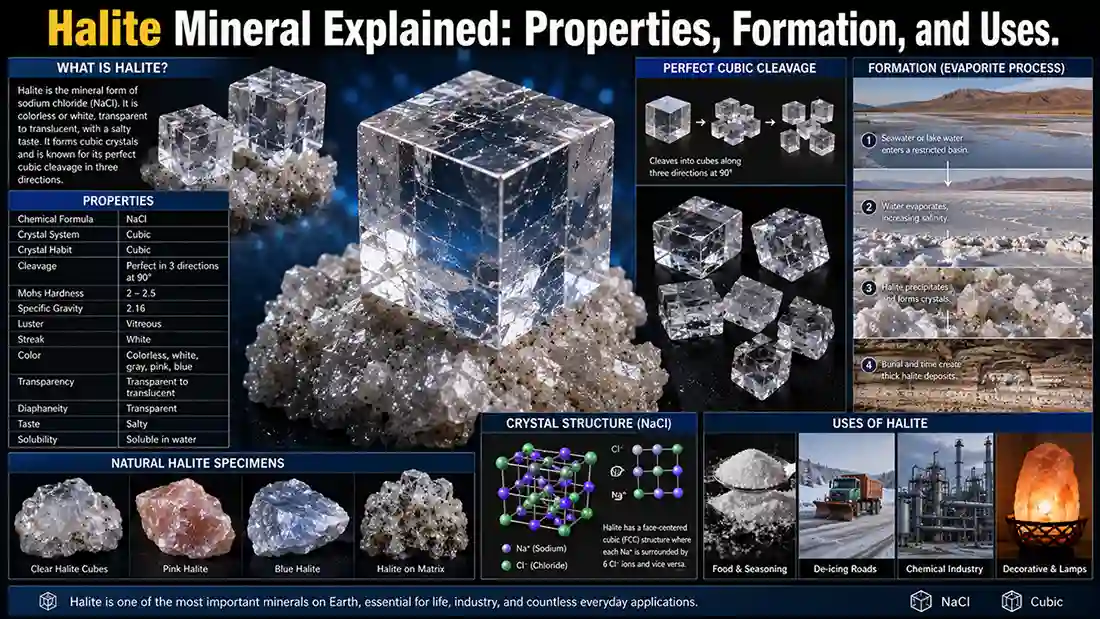
Halite Mineral Explained: Properties, Formation, and Uses
Halite is the mineral form of sodium chloride and is commonly known as rock salt. It is one of the most recognizable...
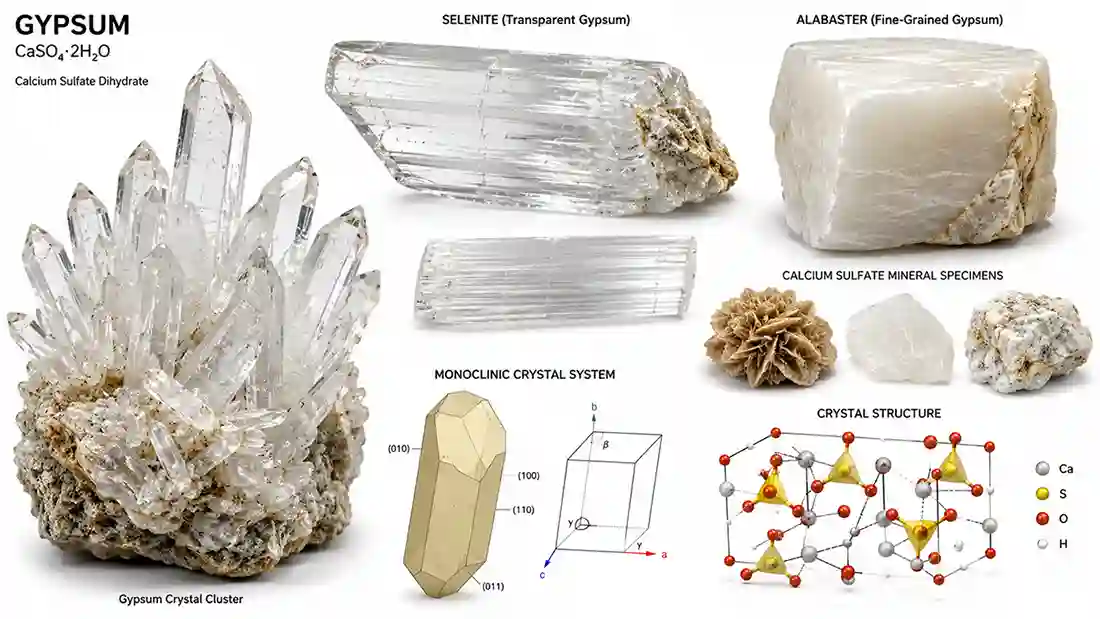
Gypsum Mineral Explained: Properties, Formation, and Uses
Gypsum is a common sulfate mineral known for its softness, transparency, and wide range of industrial applications. It...

Talc Mineral Explained: Properties, Formation, and Uses
Talc is the softest known mineral and serves as the standard for hardness value 1 on the Mohs Hardness Scale. It is a...
Geology & Earth Science
No Results Found
The page you requested could not be found. Try refining your search, or use the navigation above to locate the post.
Paleontology
No Results Found
The page you requested could not be found. Try refining your search, or use the navigation above to locate the post.
Solar System
No Results Found
The page you requested could not be found. Try refining your search, or use the navigation above to locate the post.