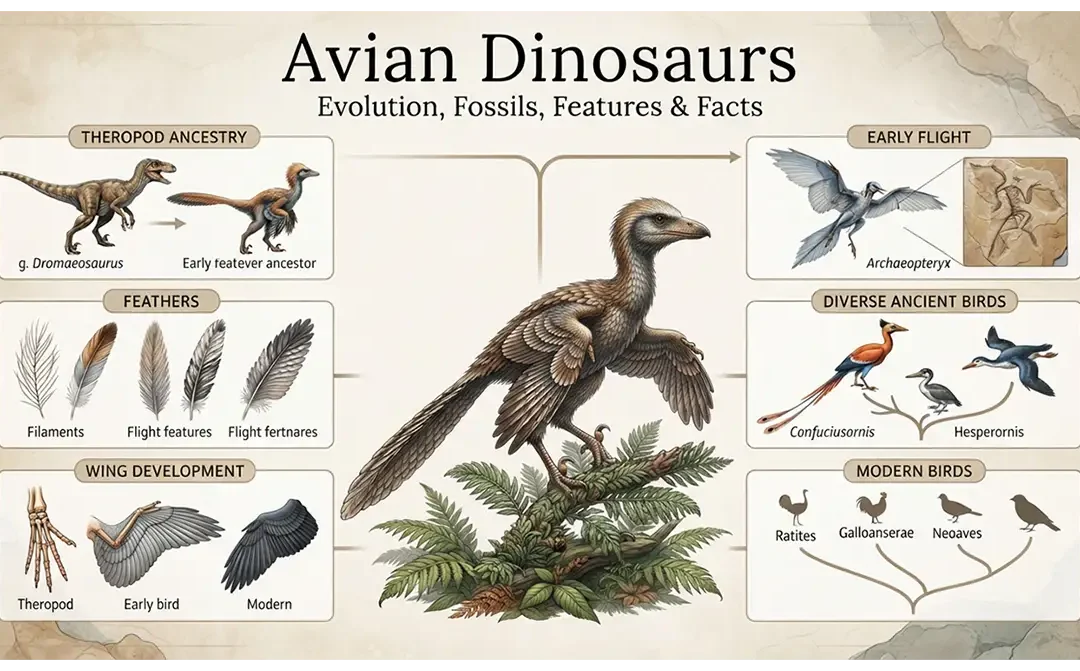
 Avian dinosaurs are the group of dinosaurs that includes modern birds and their extinct bird-line relatives. They evolved from small theropod dinosaurs and developed a combination of features that helped them become increasingly suited to life in the air. Their...
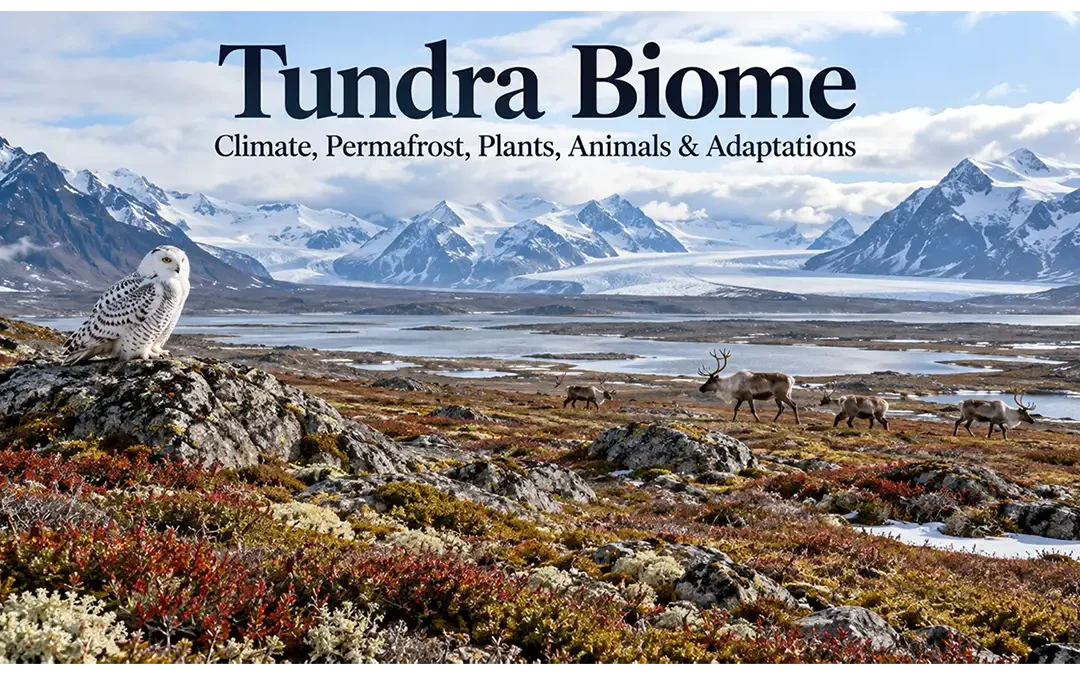 Tundra Biome is a cold terrestrial ecosystem where low temperatures, short growing seasons, limited precipitation, and frozen ground create challenging conditions for life. Unlike forests and grasslands, tundra landscapes are largely treeless and are dominated by...
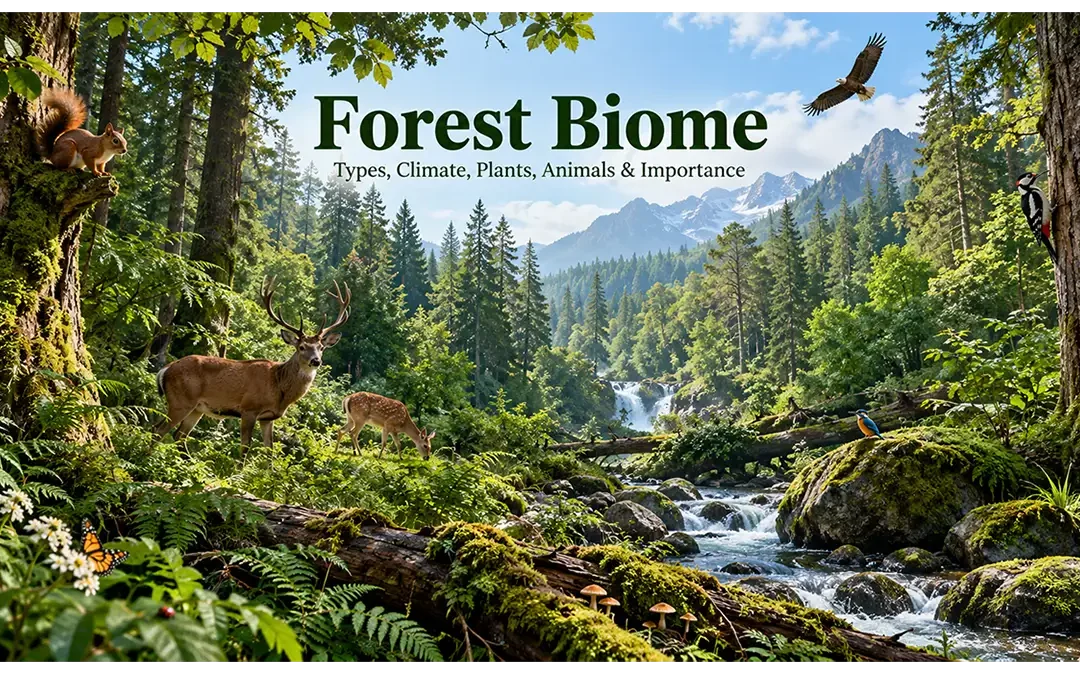 Forest Biome is one of the major terrestrial ecosystems on Earth, supporting a wide variety of plants, animals, fungi, and microorganisms. Forests occur across many climates, from warm tropical regions to cold northern landscapes, and each type has its own vegetation,...
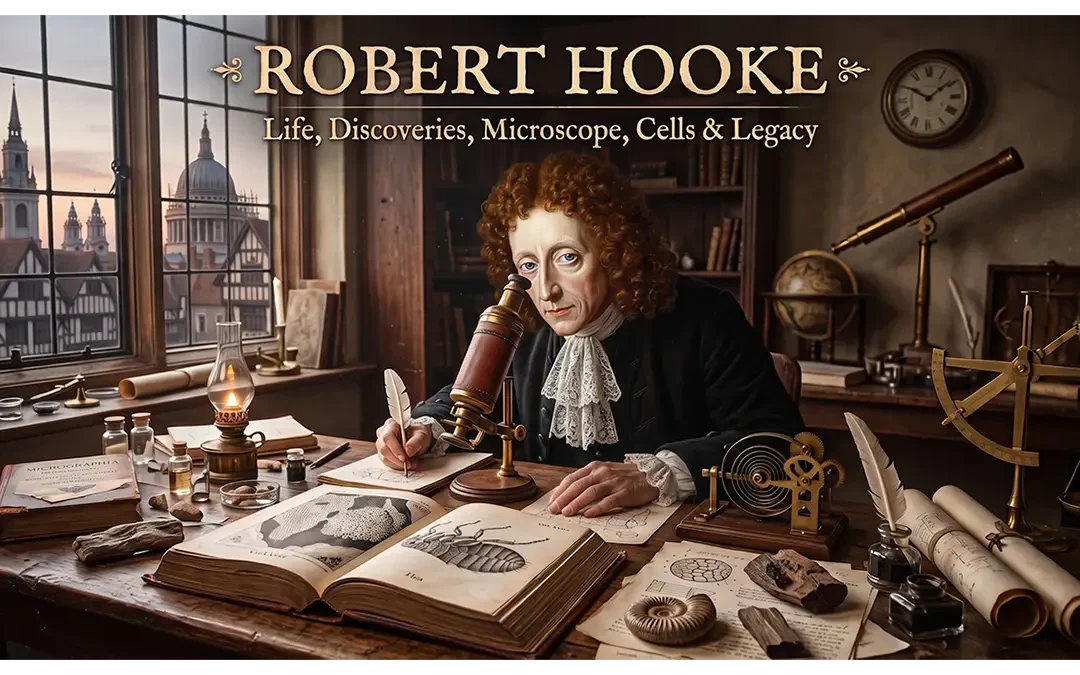 Robert Hooke was one of the most versatile scientists of the 17th century. He worked across microscopy, biology, physics, astronomy, geology, mechanics, architecture, and scientific instruments, making him an important figure in the development of modern experimental...
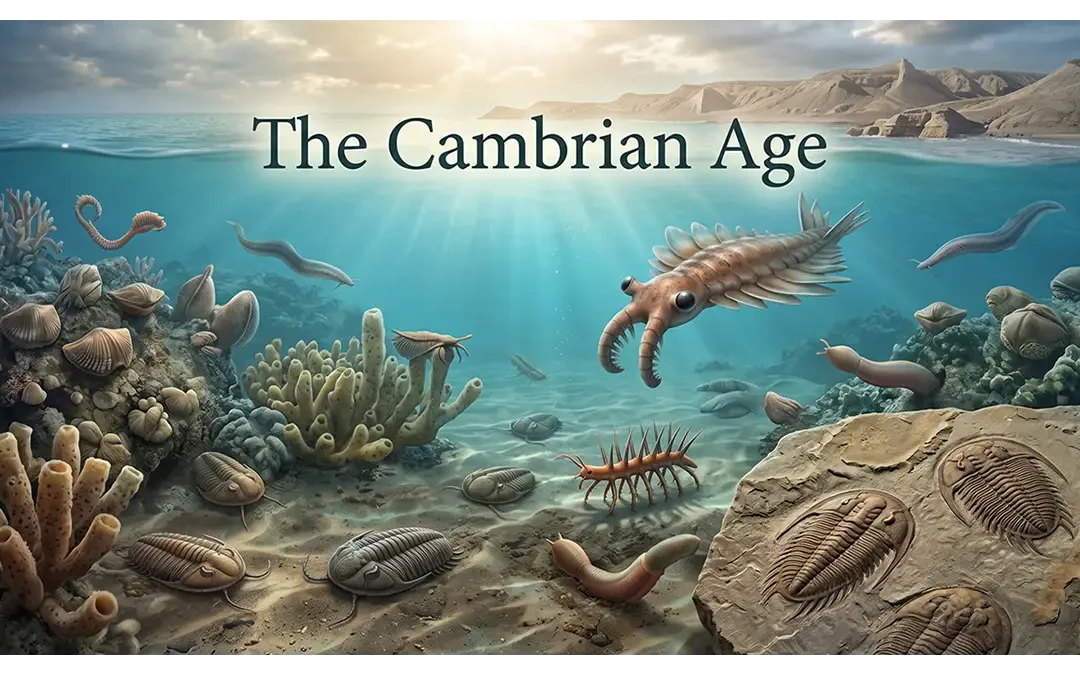 Cambrian Age is one of the most important chapters in Earth’s history because it marks a major diversification of complex marine life. During this time, many animal groups developed new body forms, feeding strategies, shells, and other structures that became...
