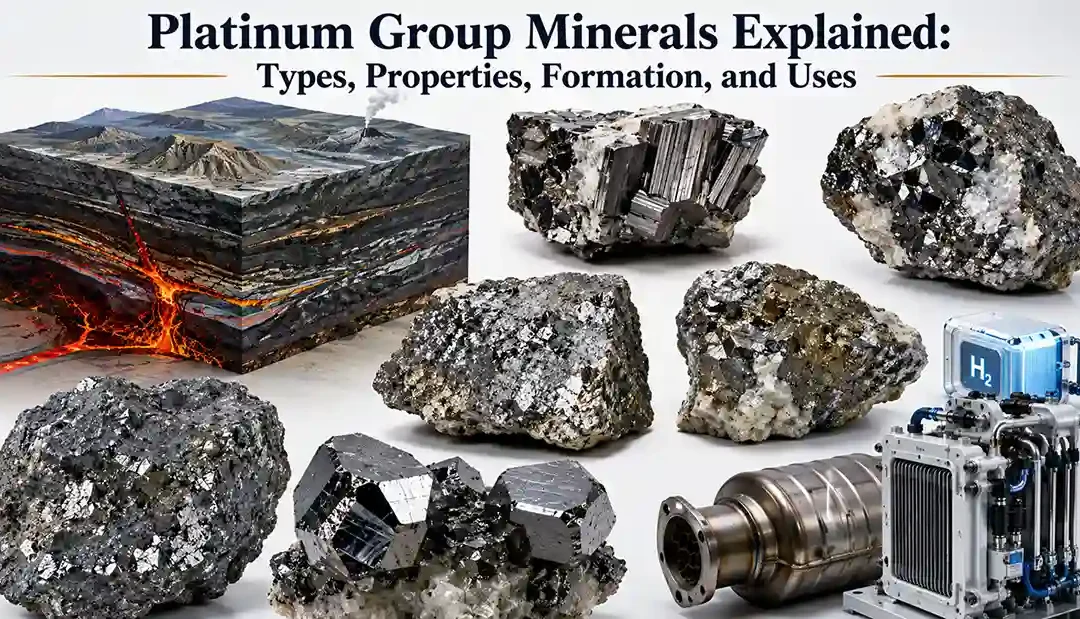
 Platinum Group Minerals (PGMs) are among the most valuable and strategically important mineral resources on Earth. These minerals contain the platinum group elements (PGEs), which are essential for modern industries ranging from automotive manufacturing to clean...
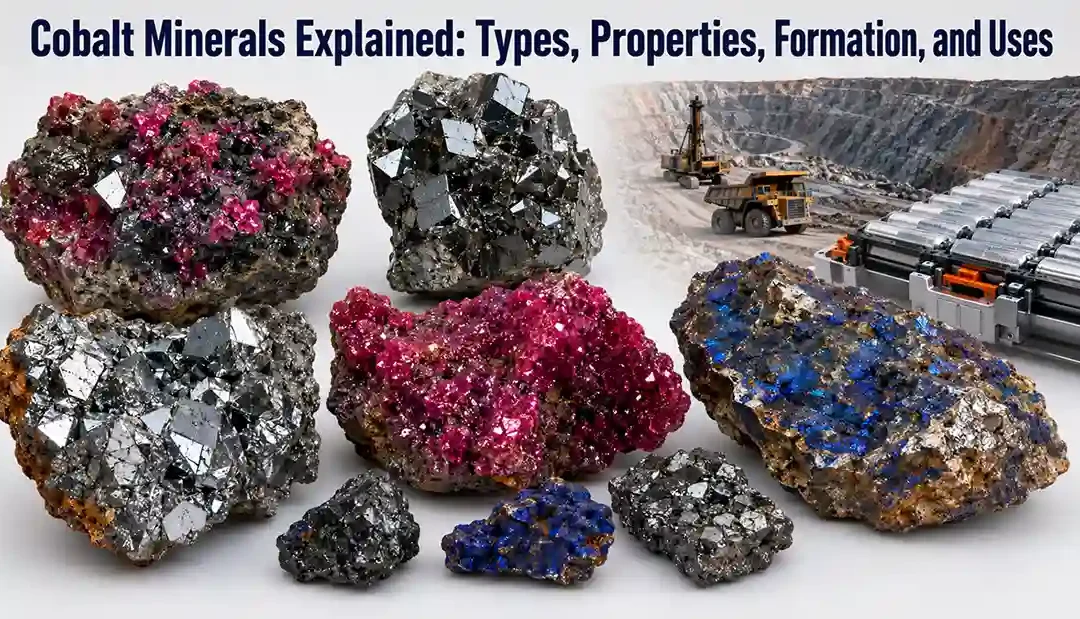 Cobalt is one of the most important critical minerals in the modern world. It is widely used in: rechargeable batteries electric vehicles aerospace alloys renewable energy systems electronics Most cobalt is produced as a byproduct of copper and nickel mining rather...
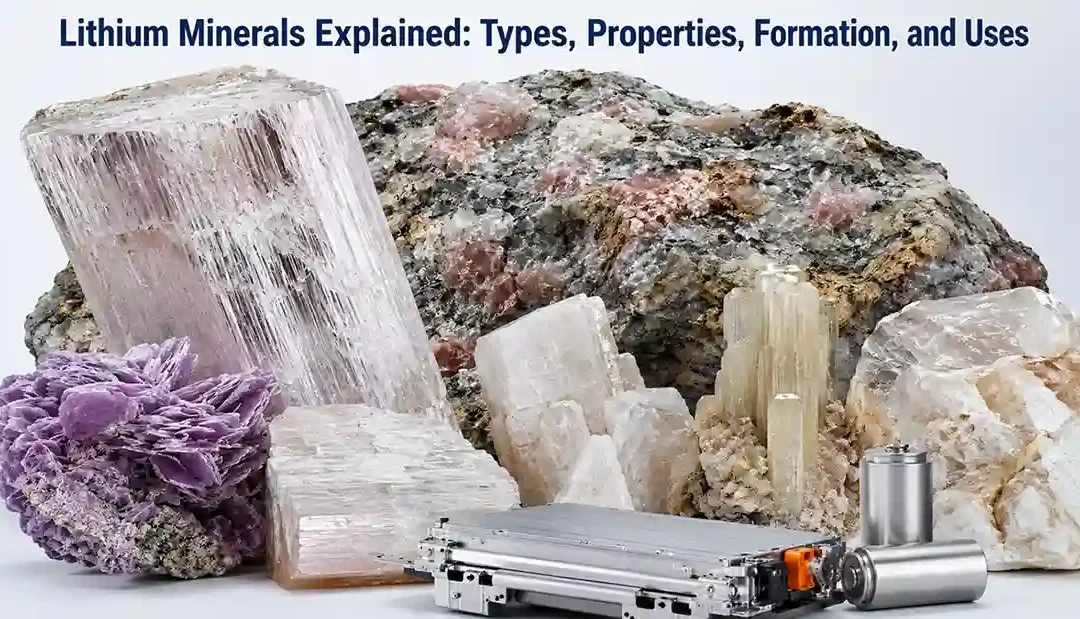 Lithium minerals have become some of the most important mineral resources in the modern world. Lithium is a key component of rechargeable batteries used in: electric vehicles smartphones laptops renewable energy storage systems portable electronics As global demand...
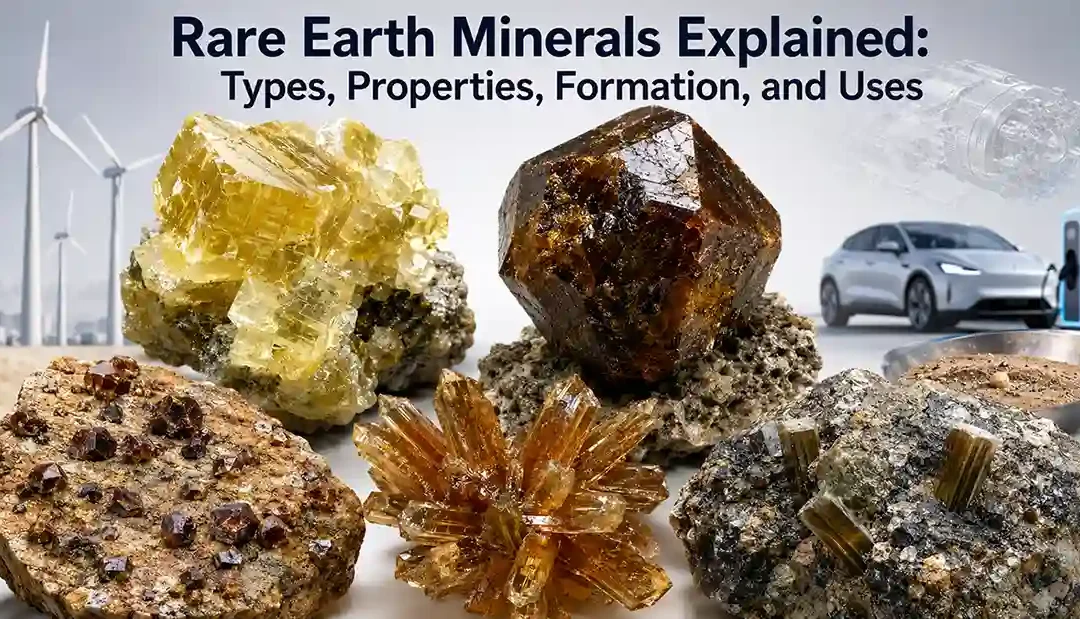 Rare earth minerals are among the most strategically important mineral resources in the modern world. Although the name suggests they are scarce, many rare earth elements are relatively abundant in Earth’s crust. The challenge is that they rarely occur in...
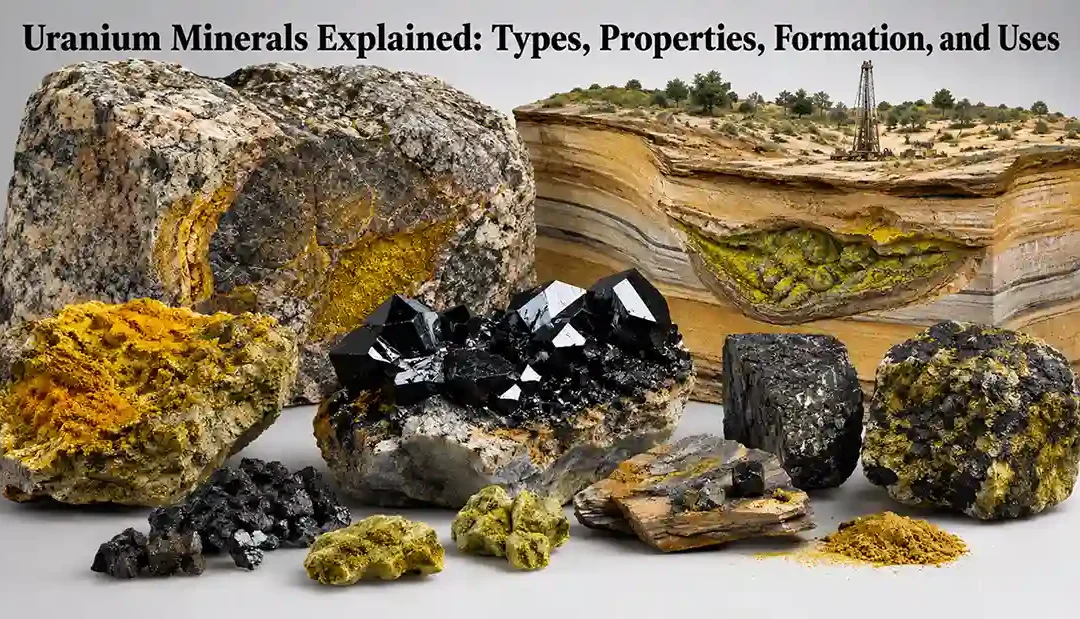 Uranium is one of the most important energy-related elements on Earth. It is primarily used as fuel in nuclear power plants and plays a major role in scientific research, medicine, and geochronology. Uranium minerals are important because they: provide nuclear fuel...
