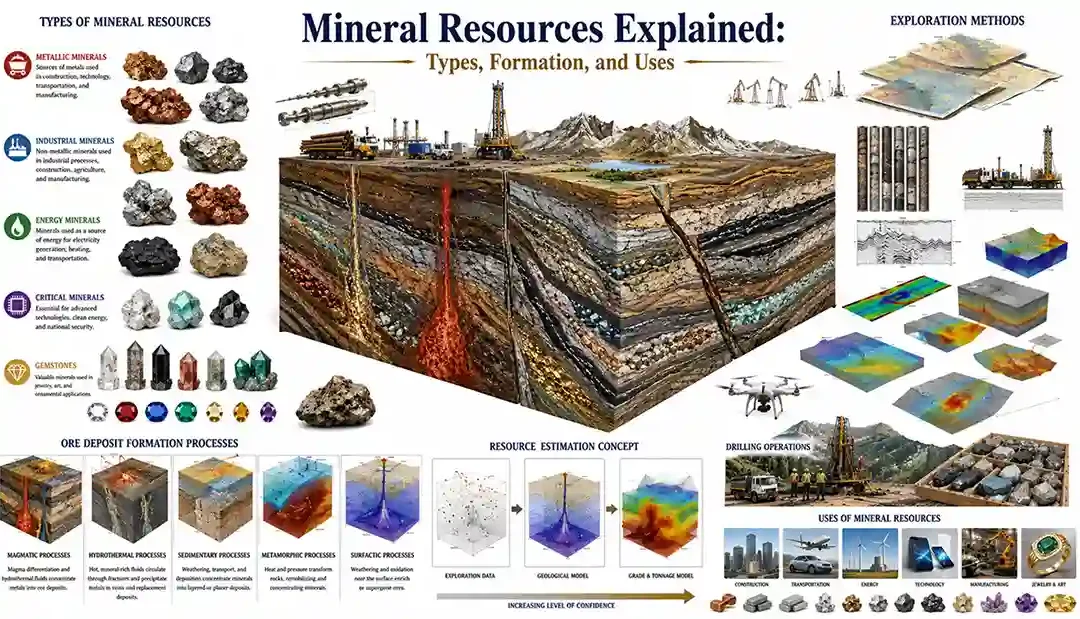
 Mineral resources are the foundation of modern civilization. Every building, vehicle, smartphone, power plant, and renewable energy system relies on minerals extracted from Earth’s crust. From iron used in steel production to lithium used in batteries, mineral...
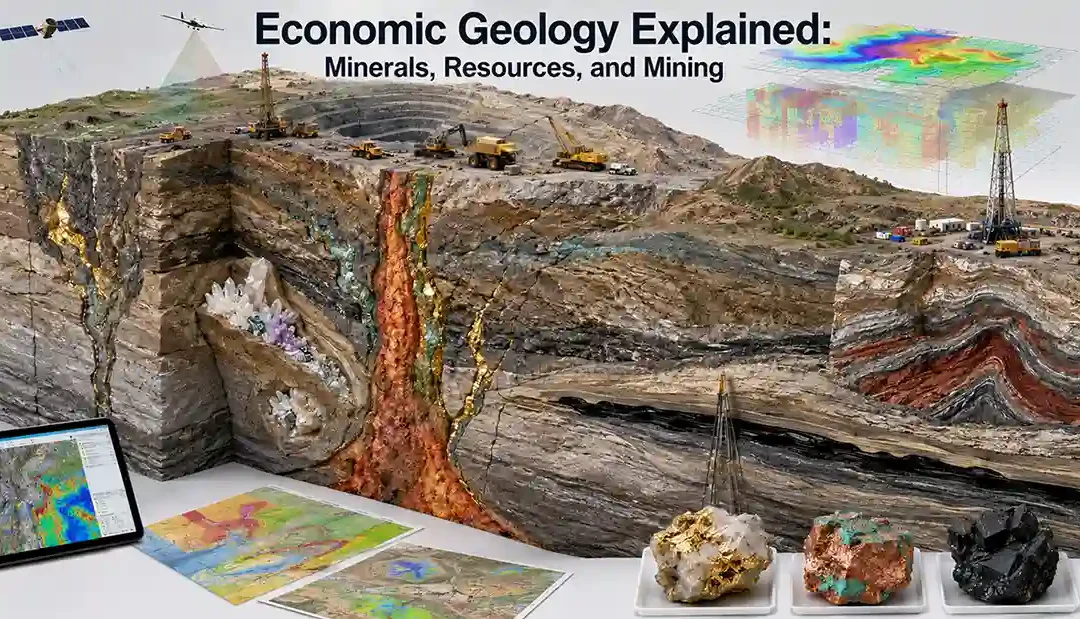 Every smartphone, car, building, solar panel, and power station depends on materials extracted from Earth. Economic geology is the branch of geology that studies how valuable mineral and energy resources form, where they occur, and how they can be discovered and...
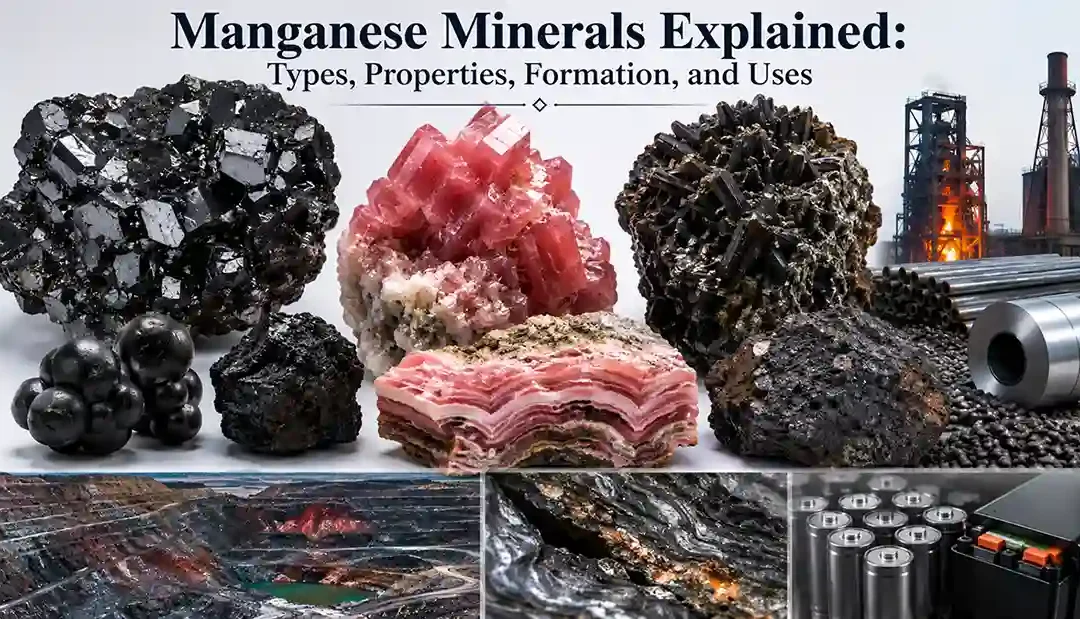 Manganese is one of the most important industrial metals in the modern world. It is essential for steel production and increasingly important for battery technologies used in renewable energy systems and electric vehicles. Manganese minerals are important because they...
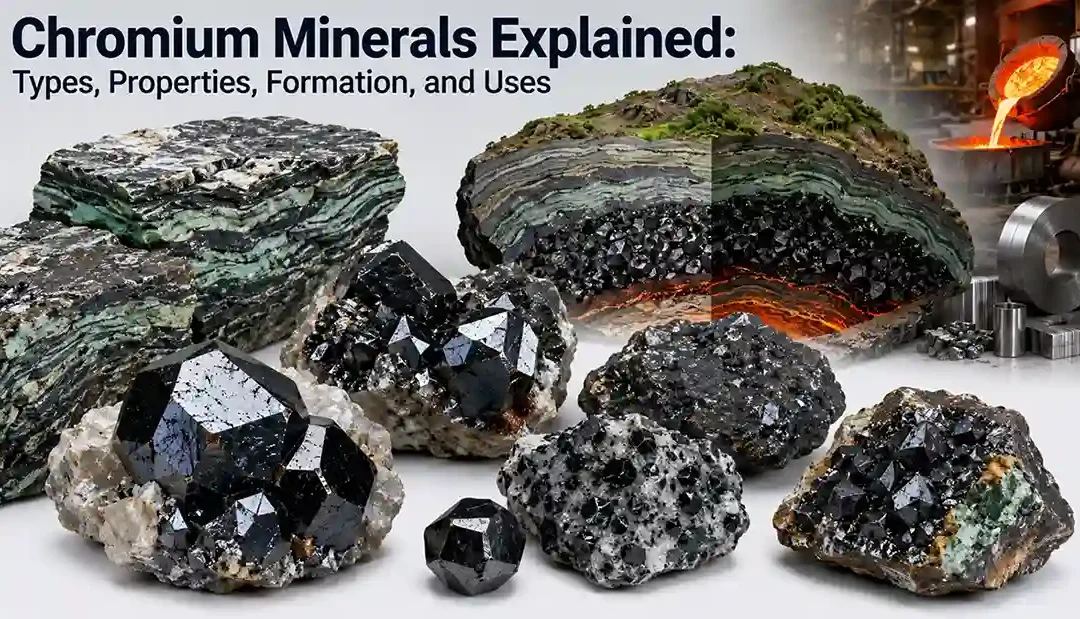 Chromium is a critical industrial metal best known for its role in stainless steel production. It provides corrosion resistance, hardness, and durability to many modern materials. Chromium minerals are important because they supply the chromium used in: stainless...
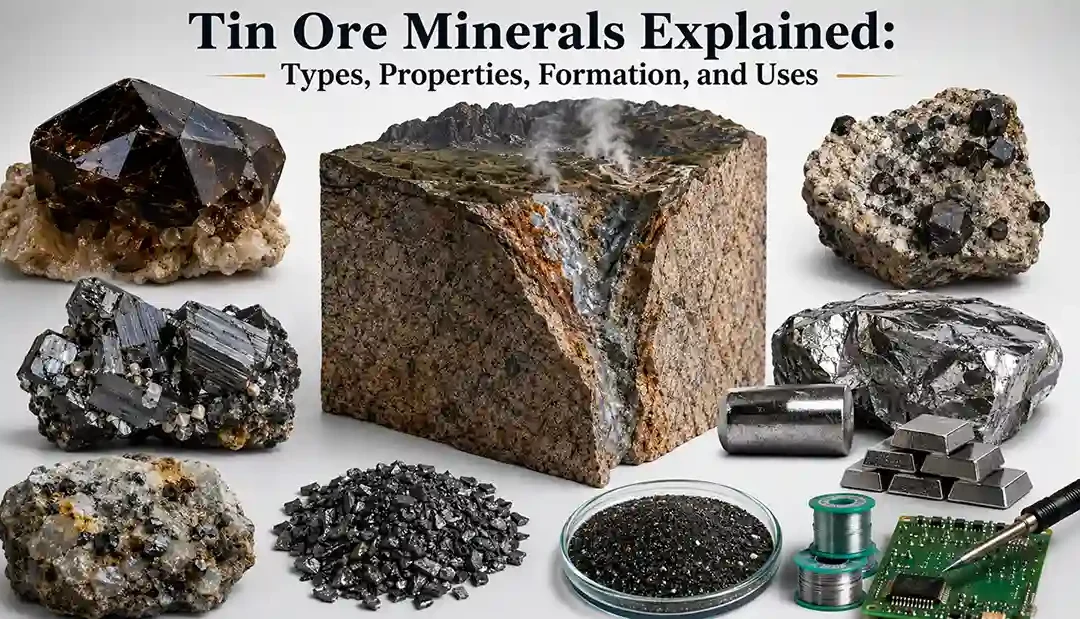 Tin has been an important metal for thousands of years. It was one of the key components of bronze, helping shape ancient civilizations and technological development. Today, tin remains essential for: electronics manufacturing solder production tin plating renewable...
