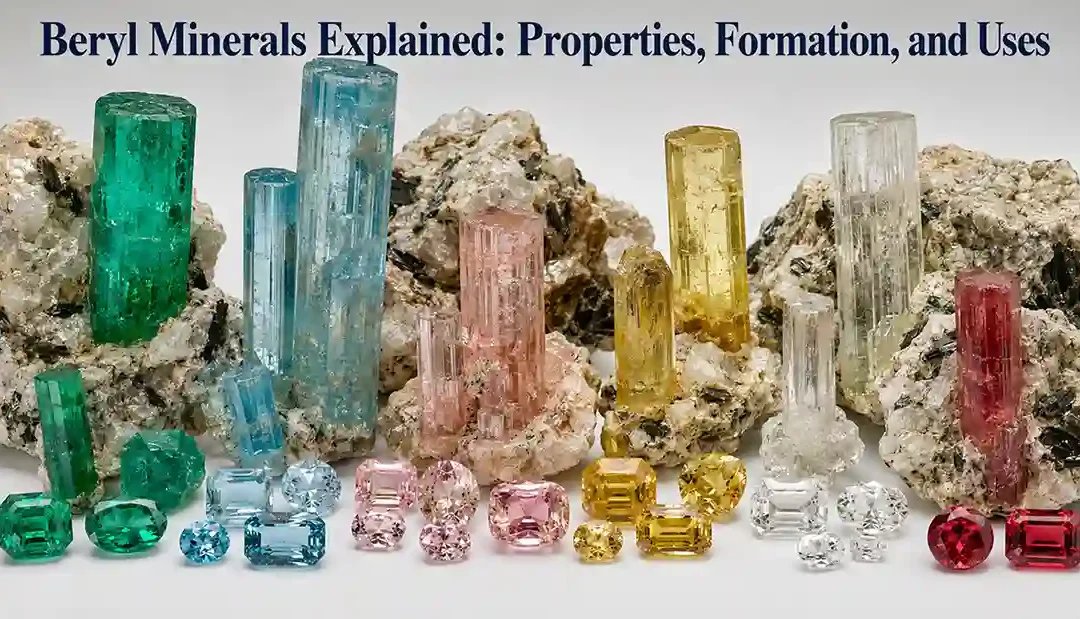
 Beryl is one of the most important gemstone mineral groups in the world. It includes several famous gemstones such as emerald, aquamarine, morganite, heliodor, and goshenite. The mineral is valued for: exceptional crystal quality beautiful colors gemstone transparency...
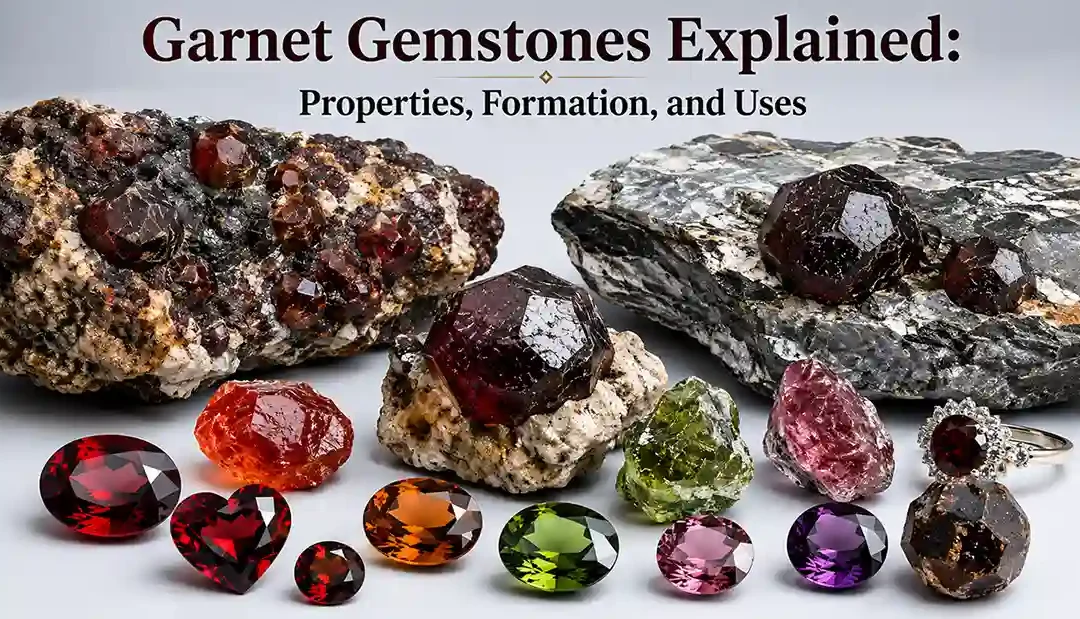 Garnet is one of the most diverse and widely recognized gemstone groups in the world. Although many people associate garnet with deep red gemstones, garnets actually occur in a remarkable range of colors including green, orange, pink, yellow, purple, and even nearly...
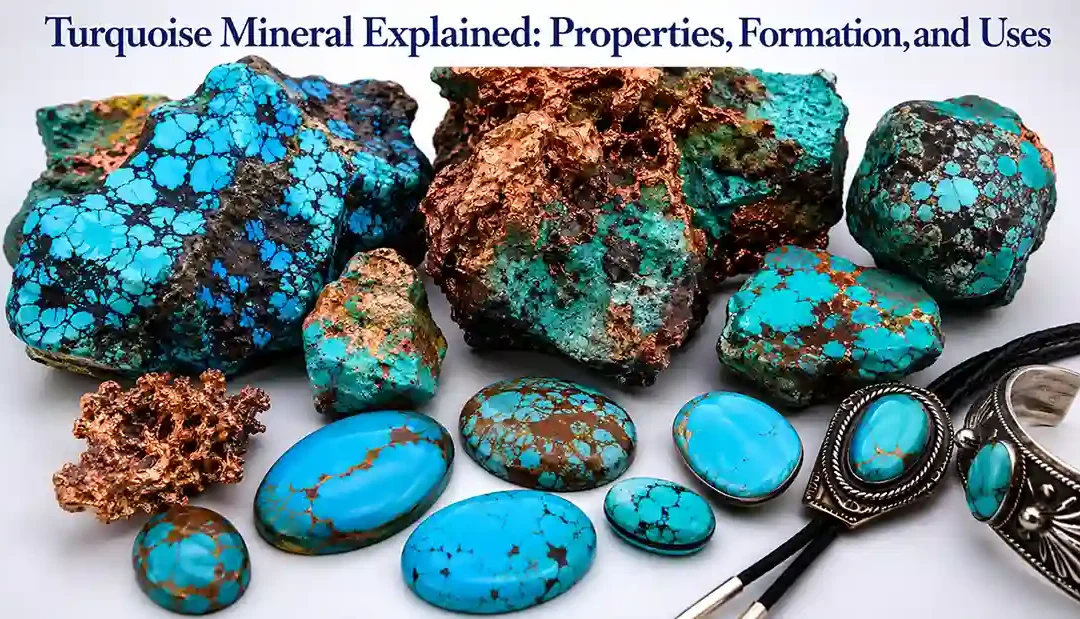 Turquoise is one of the oldest known gemstones and has been treasured for thousands of years because of its distinctive blue-to-green color. Ancient civilizations used turquoise for jewelry, ceremonial objects, carvings, and decorative art long before the discovery of...
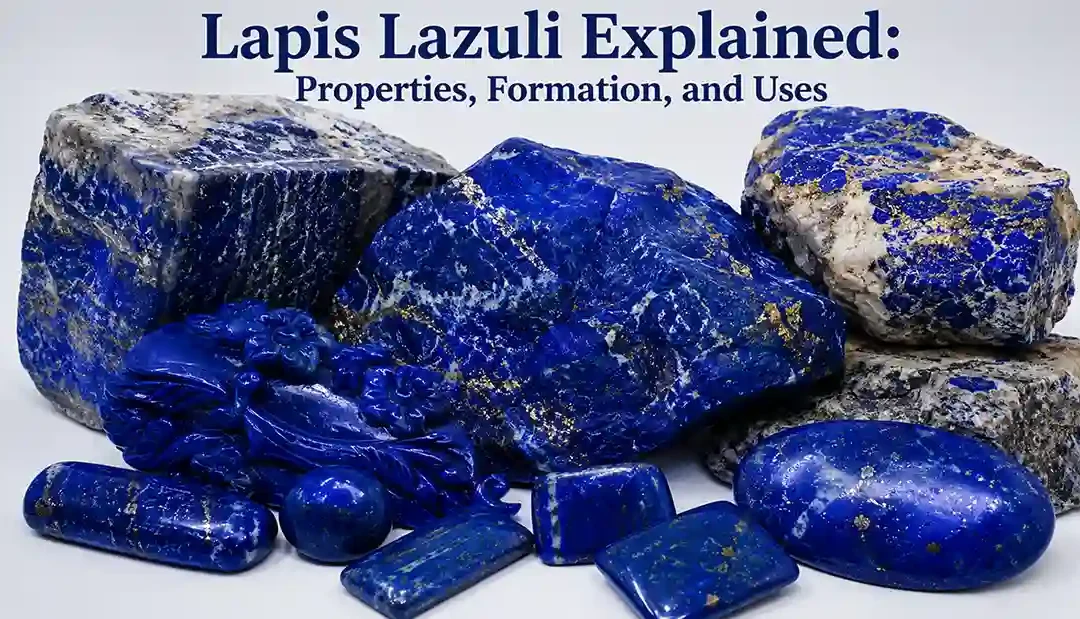 Lapis lazuli is one of the most famous ornamental stones in human history. Revered for its intense royal-blue color and sparkling golden pyrite inclusions, lapis lazuli has been prized for thousands of years by civilizations ranging from ancient Egypt to Renaissance...
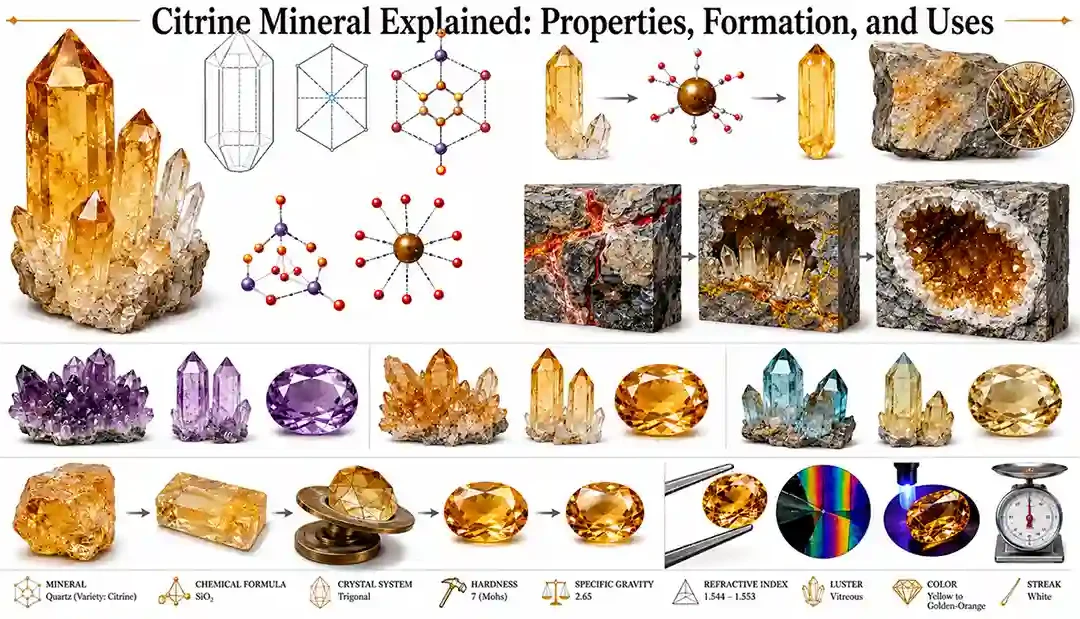 Citrine is one of the most popular and affordable gemstone varieties of quartz. Famous for its warm yellow, golden, and orange colors, citrine has been prized for centuries as a symbol of prosperity, energy, and success. Its bright appearance, durability, and...
