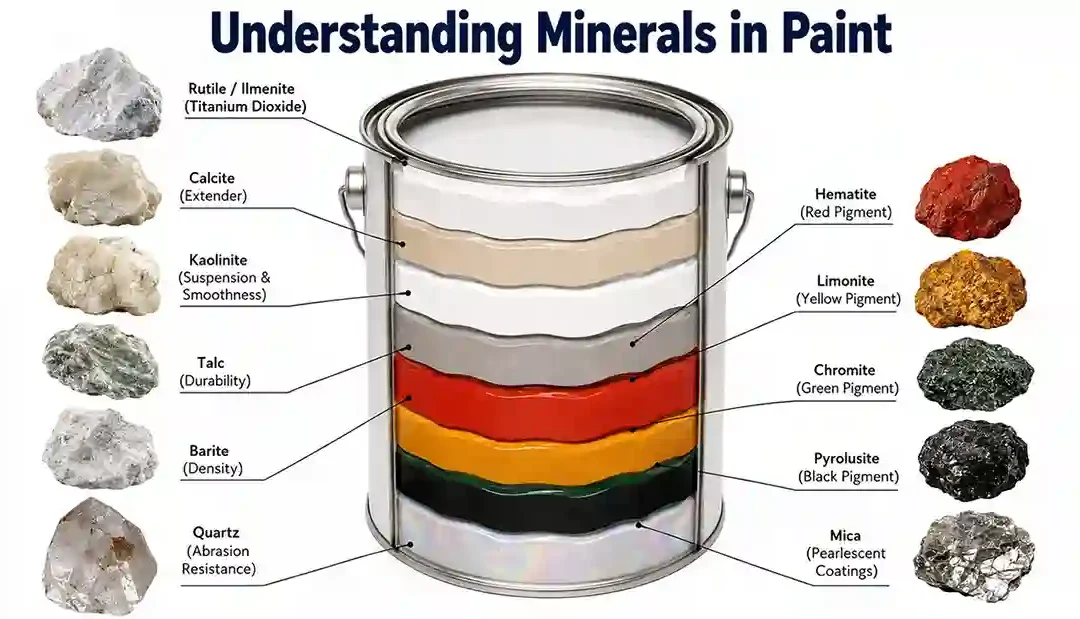
 Paint is far more than a colorful coating. It protects buildings, automobiles, bridges, machinery, furniture, and countless everyday products from weathering, corrosion, moisture, ultraviolet radiation, and chemical damage. While binders and solvents are essential...
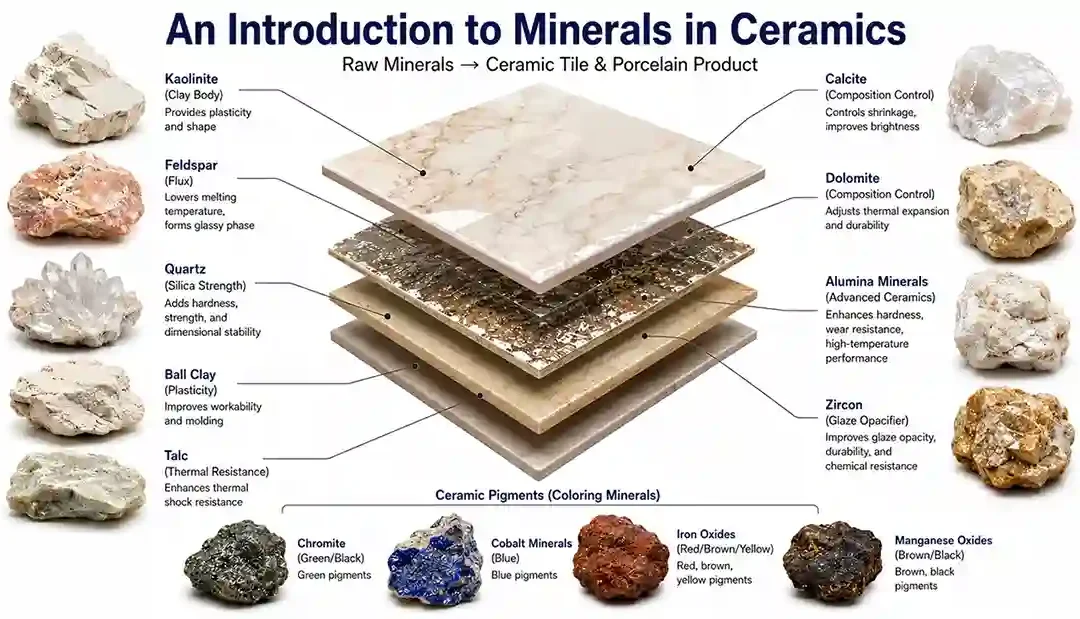 Ceramics are among the oldest and most versatile materials created by humans. From pottery made thousands of years ago to modern porcelain, ceramic tiles, sanitary ware, electrical insulators, and aerospace components, ceramics rely on carefully selected minerals...
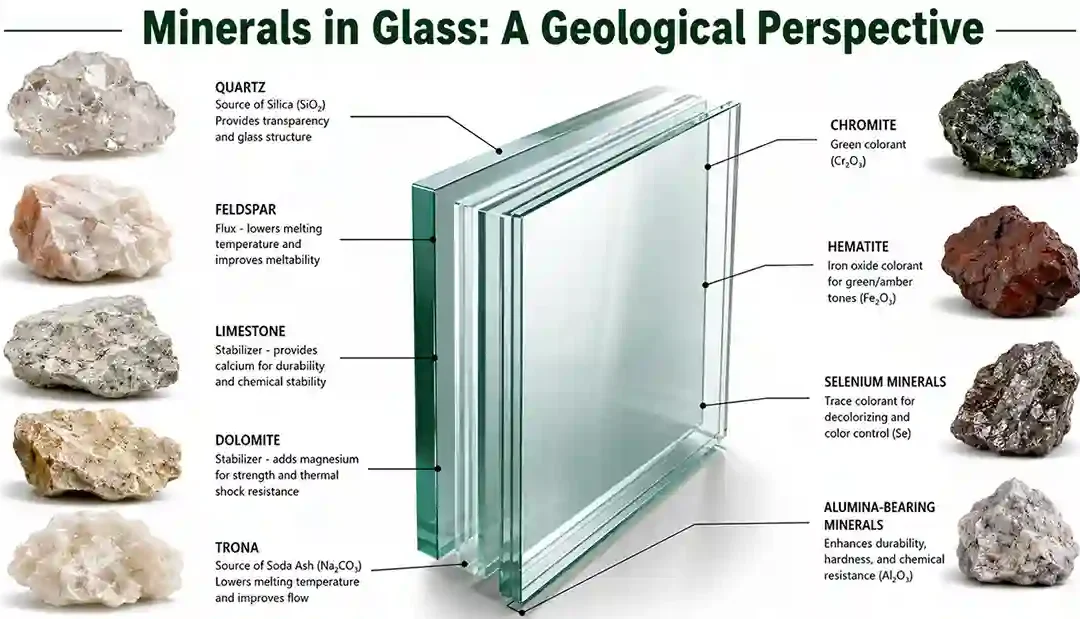 Glass is one of the most versatile materials used by modern society. It is found in windows, bottles, laboratory equipment, smartphones, optical fibers, solar panels, automobiles, and countless electronic devices. Although it appears simple, glass is produced from a...
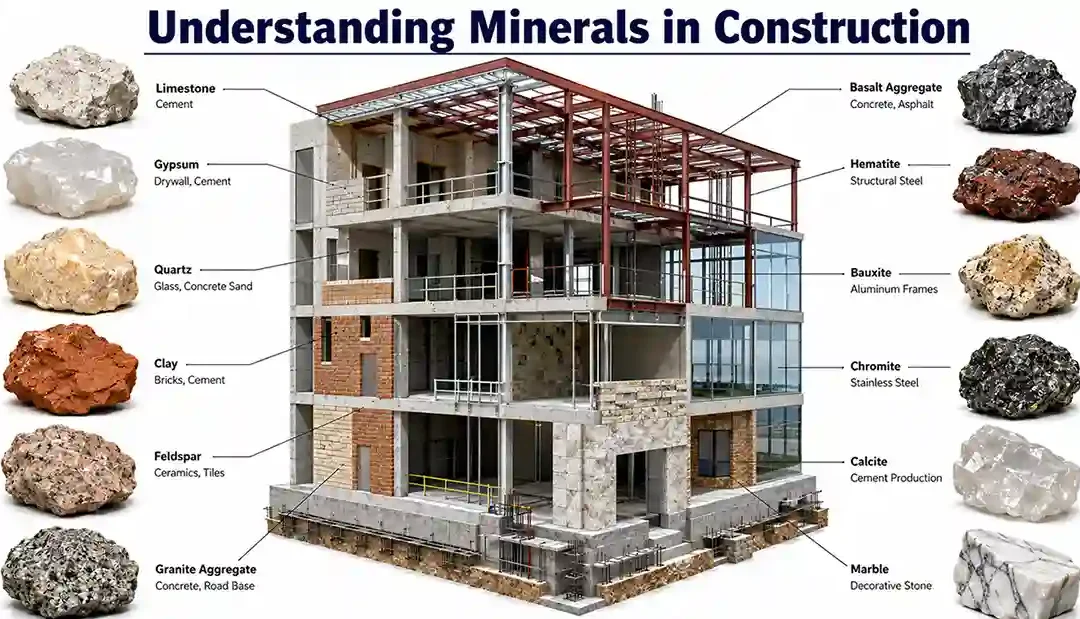 The modern construction industry relies on an enormous variety of minerals that provide strength, durability, stability, insulation, and aesthetic value. From homes and skyscrapers to highways, bridges, tunnels, and dams, nearly every structure begins with minerals...
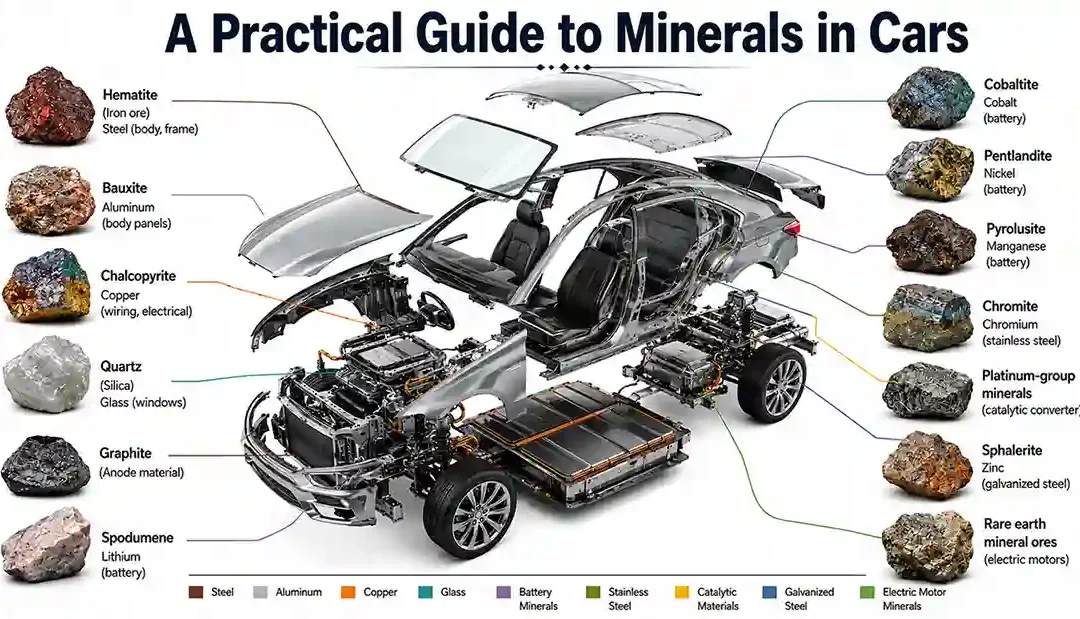 Modern cars are engineering marvels built from hundreds of different materials, many of which originate from naturally occurring minerals. Whether powered by gasoline, diesel, hybrid systems, or electricity, every vehicle depends on minerals that provide strength,...
