 Geophysics is the study of the physical properties and processes of the Earth and its surrounding environment using physics, earth science, and technology. Understanding “what geophysics is” gives helpful insight into anything from natural resources to...
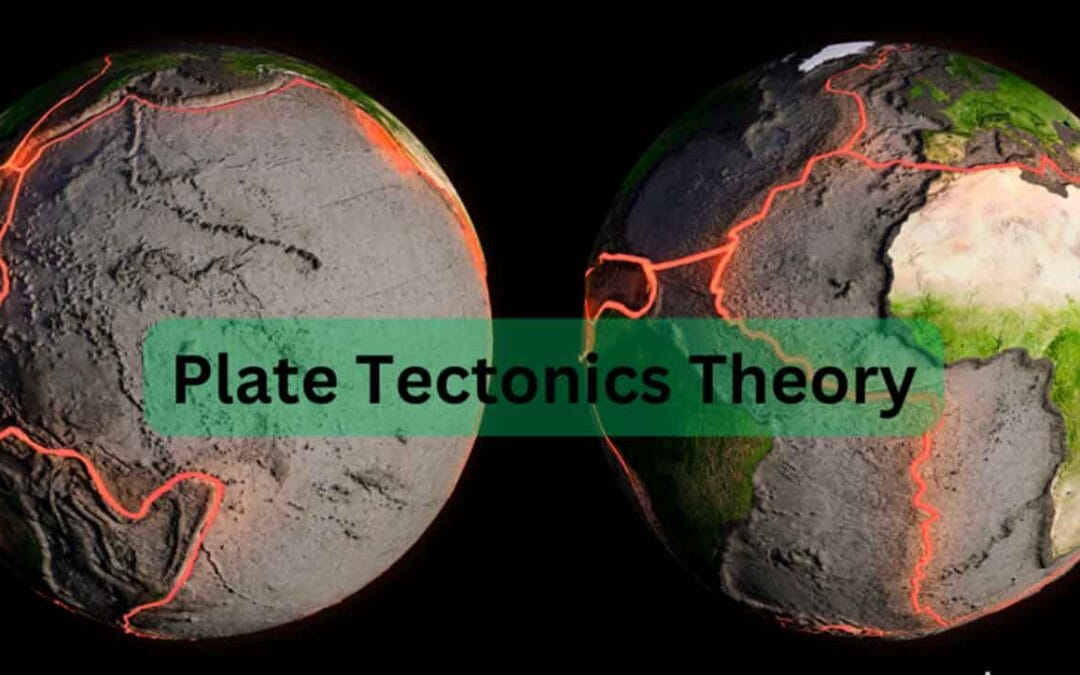 The theory of plate tectonics, which refers to “plate structure,” originated in the 1960s. This theory elucidates the dynamics of the Earth’s plates, a phenomenon that has been scientifically validated, and accounts for the origins of earthquakes,...
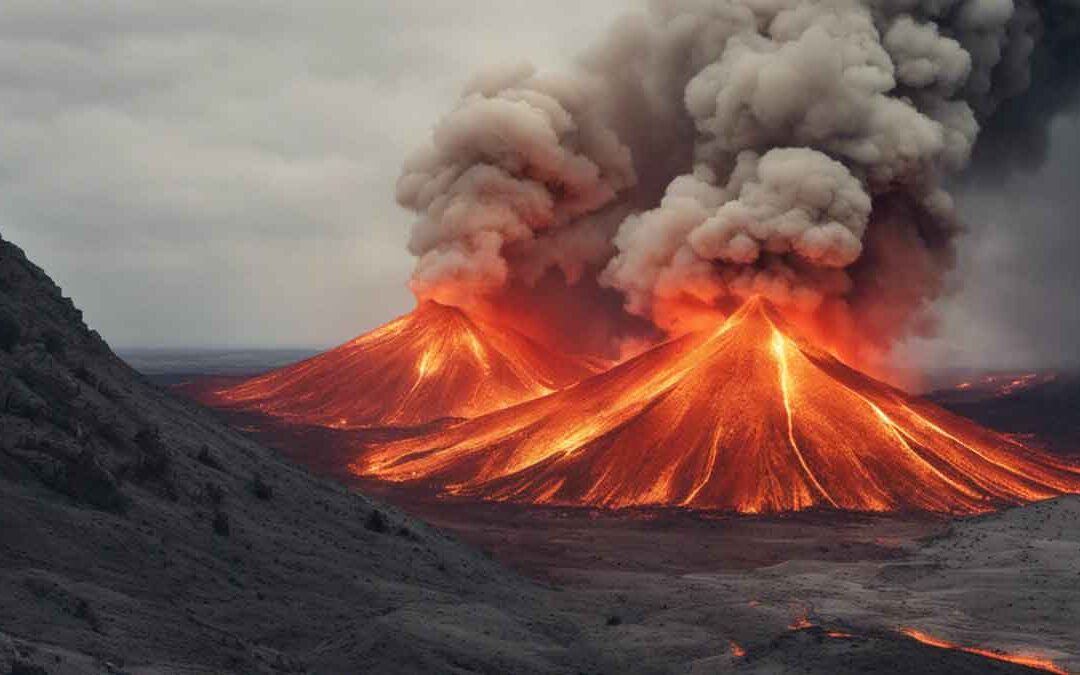 Causes of Volcanism: When volcanoes erupt, the mantle’s temperature reaches about half its melting point, causing its viscosity to drop significantly. This large-scale melting rapidly decreases viscosity, allowing the material to move more quickly and increasing...
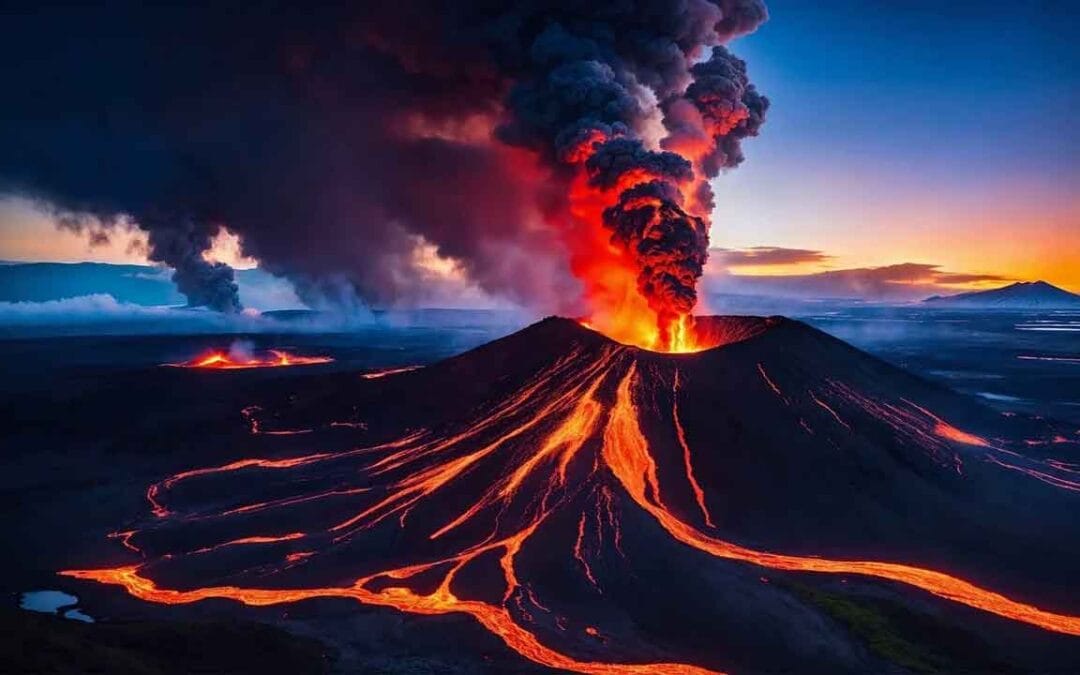 Volcanism is a vital process that involves bringing material from a planet’s deep interior and releasing it onto the surface. This phenomenon contributes to a planet’s cooling and introduces new molecules into the atmosphere through eruptions. In addition...
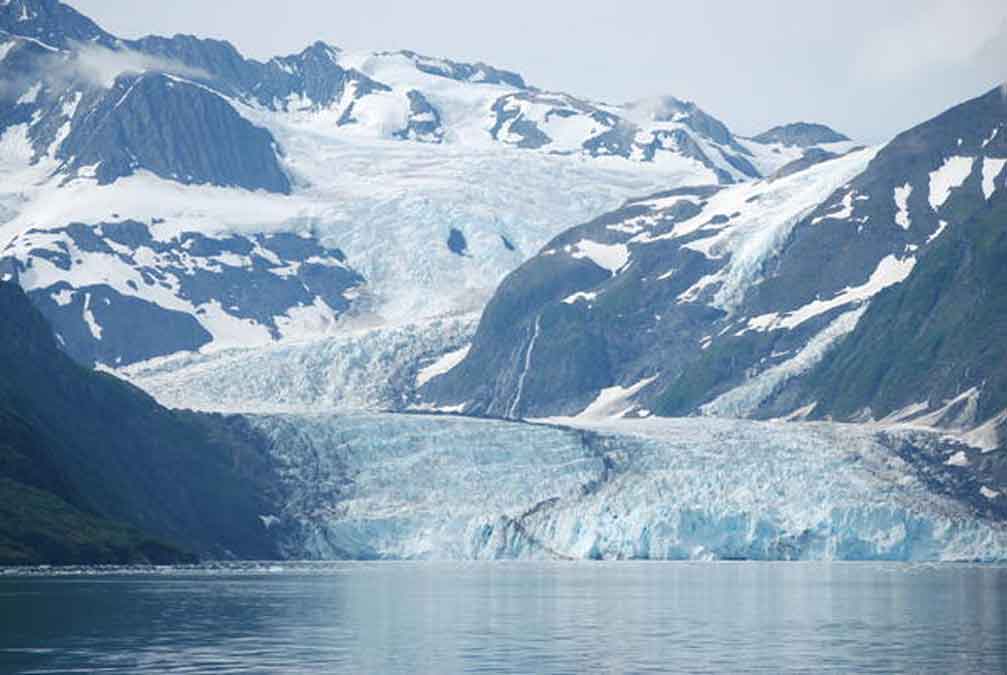 Glacier is a large body of snow and ice that gradually shifts across the landscape, moving away from where it initially gathered. Formation of Glacier: Abundant snowfall Very cold temperature. Sufficiently low rent of summer melting and evaporation. If these three...
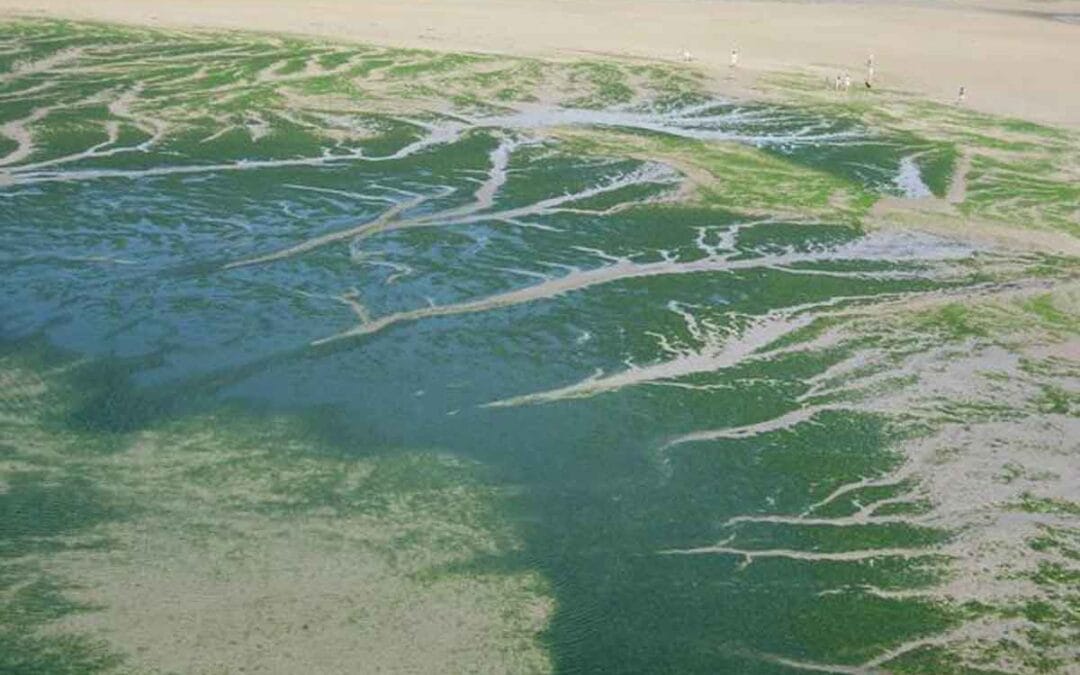 The drainage pattern refers to the arrangement of streams, rivers, and lakes within a specific drainage basin. The land’s topography, the types of rocks present in the area, and the slope of the land influence it. Types of Drainage Patterns: Most stream networks...
