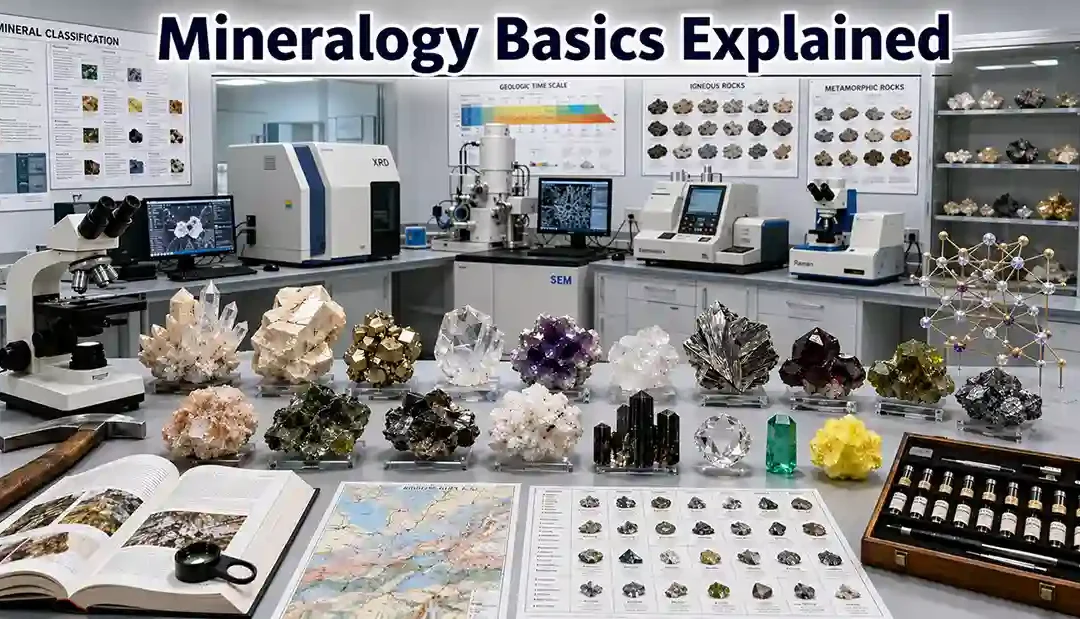
 Mineralogy is the scientific study of minerals, including their composition, crystal structure, physical properties, chemical characteristics, formation, classification, and distribution within Earth and other planetary bodies. It is one of the oldest and most...
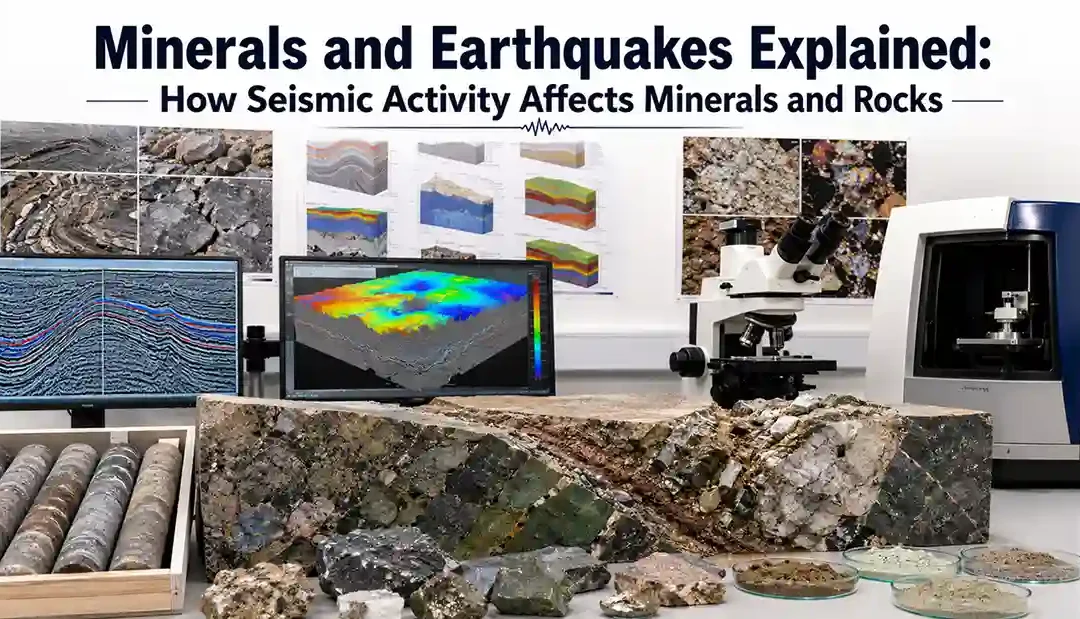 Earthquakes are among the most powerful geological processes shaping Earth’s crust. While earthquakes are best known for ground shaking and fault movement, they also influence minerals, rock structures, and fluid circulation deep beneath the surface. During...
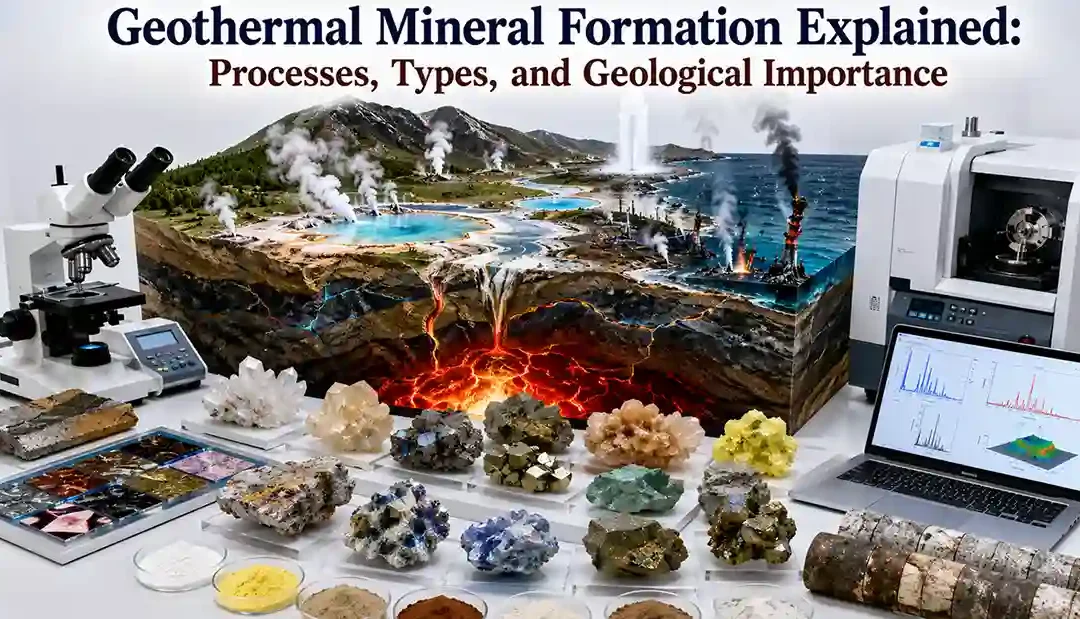 Geothermal mineral formation is the process by which minerals crystallize, precipitate, or replace existing rocks through the circulation of hot, mineral-rich fluids generated by Earth’s internal heat. These geothermal fluids dissolve chemical elements from...
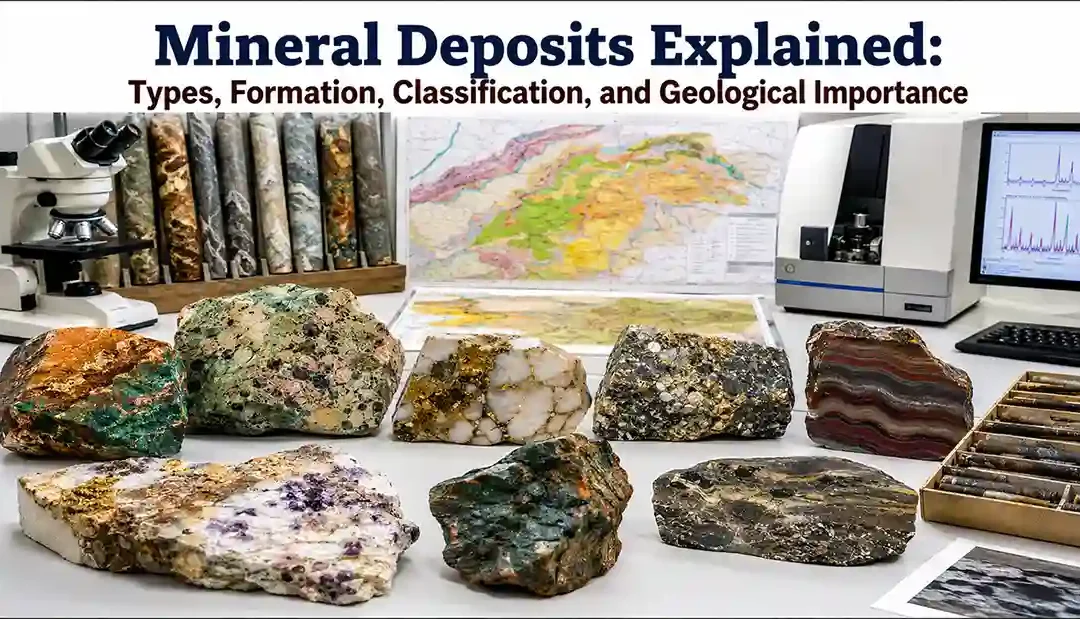 Mineral deposits are naturally occurring concentrations of valuable minerals or metals within Earth’s crust that can potentially be extracted economically. They form through a wide variety of geological processes including magmatic crystallization, hydrothermal...
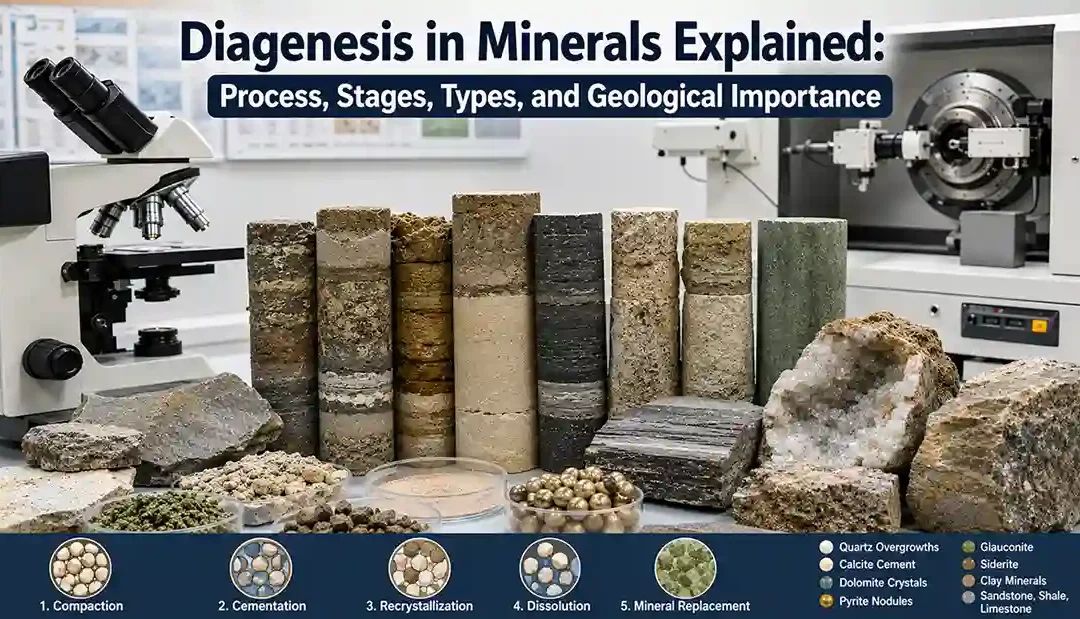 Diagenesis is the collection of physical, chemical, and biological processes that alter sediments after deposition but before they undergo metamorphism. During diagenesis, loose sediments are transformed into solid sedimentary rocks through compaction, cementation,...
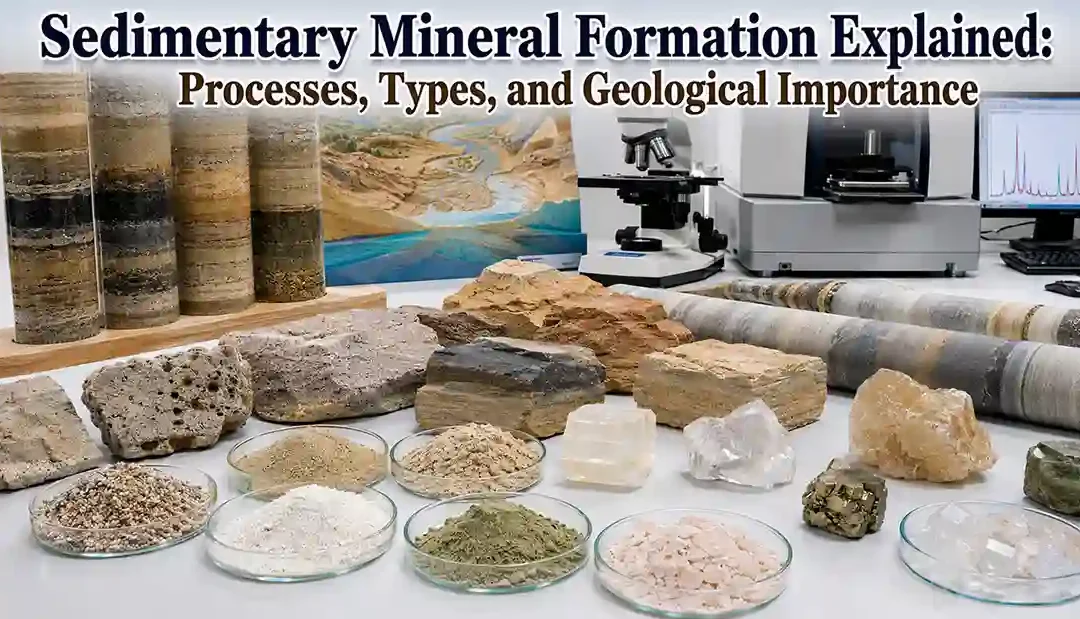 Sedimentary mineral formation is the process by which minerals are produced, transported, deposited, or chemically precipitated at or near Earth’s surface. Unlike igneous minerals that crystallize from magma or metamorphic minerals that form under high...
