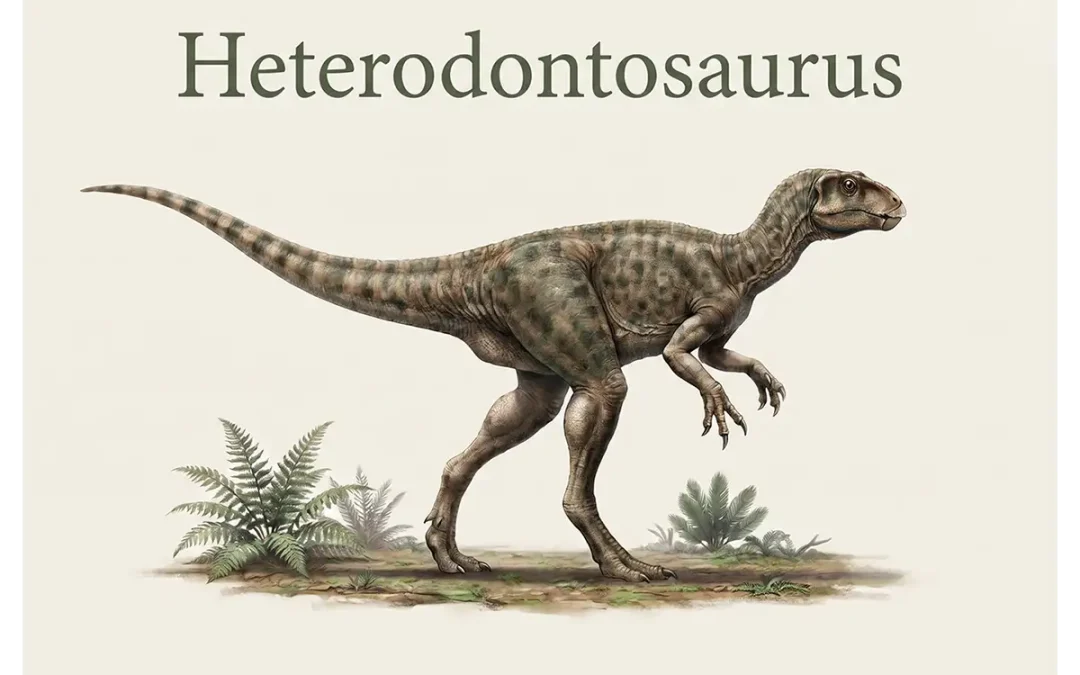
 Heterodontosaurus was a small dinosaur that lived in southern Africa during the Early Jurassic Period. It is best known for its unusual teeth, which included small teeth for processing food and prominent canine-like teeth near the front of its jaws. These features...
Ornithischians were a diverse group of plant-eating dinosaurs that included famous animals such as Triceratops, Stegosaurus, Ankylosaurus, and Iguanodon. They lived across much of the world during the Mesozoic Era and developed an extraordinary range of body forms,...
Heterodontosaurus was a small dinosaur that lived in southern Africa during the Early Jurassic Period. It is best known for its unusual teeth, which included small teeth for processing food and prominent canine-like teeth near the front of its jaws. These features...
Ornithischians were a diverse group of plant-eating dinosaurs that included famous animals such as Triceratops, Stegosaurus, Ankylosaurus, and Iguanodon. They lived across much of the world during the Mesozoic Era and developed an extraordinary range of body forms,...
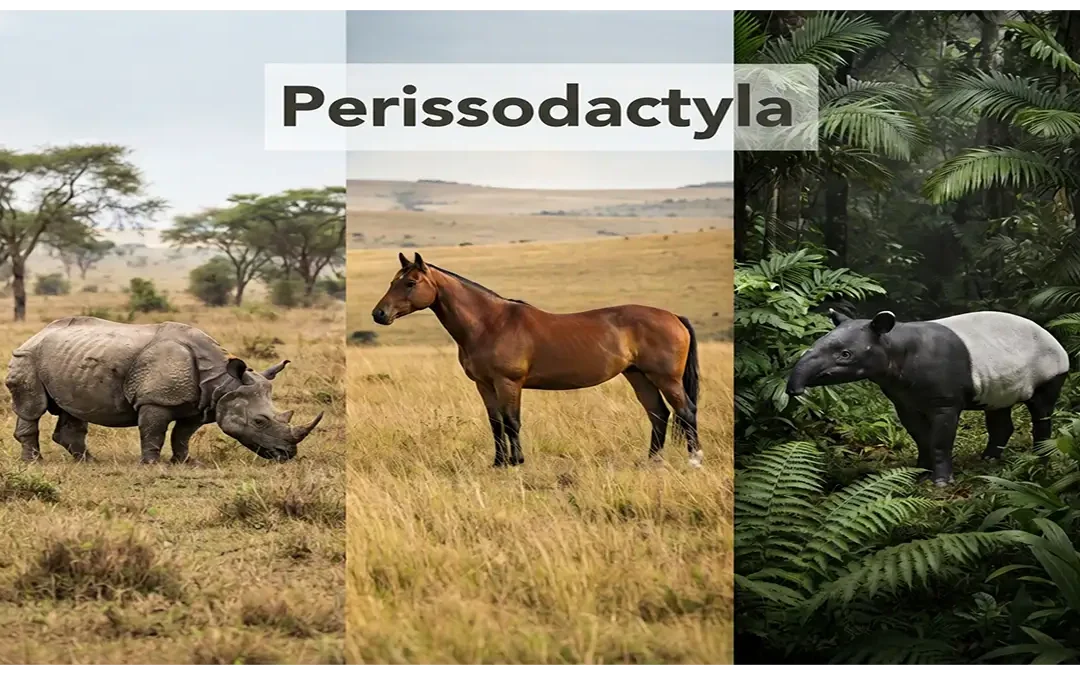 Perissodactyla is an order of hoofed mammals that includes horses, zebras, rhinoceroses, and tapirs. Commonly known as odd-toed ungulates, these animals share a distinctive foot structure in which the third toe forms the central weight-bearing axis. They inhabit...
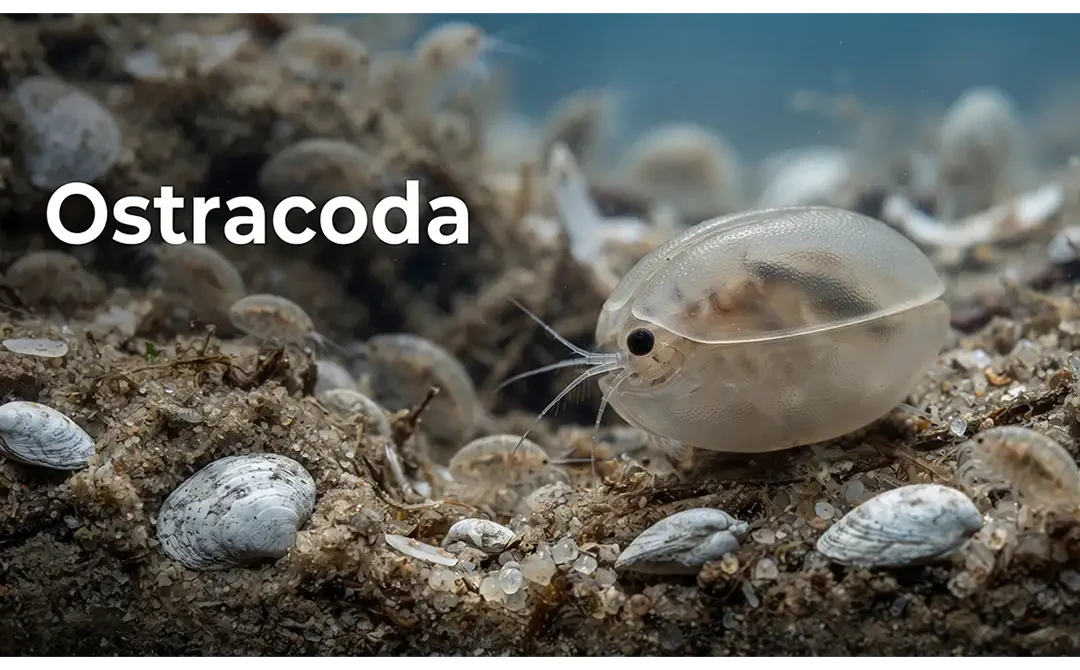 Ostracoda are tiny aquatic crustaceans known for their distinctive two-valved shells, diverse habitats, and remarkable fossil record. Commonly called seed shrimp, these animals live in oceans, rivers, lakes, ponds, and other aquatic environments. Although most are...
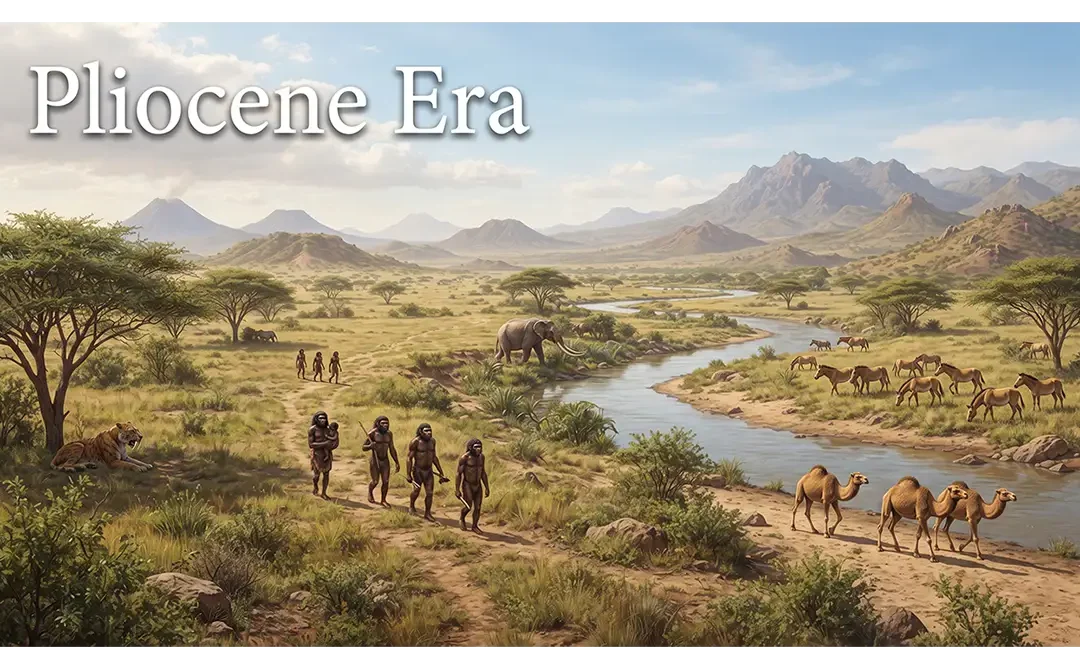 The Pliocene Era was a significant chapter in Earth’s history when changing climates reshaped habitats, mammals diversified, and early human ancestors continued to evolve. Spanning approximately 5.333 million to 2.58 million years ago, this interval connects the...
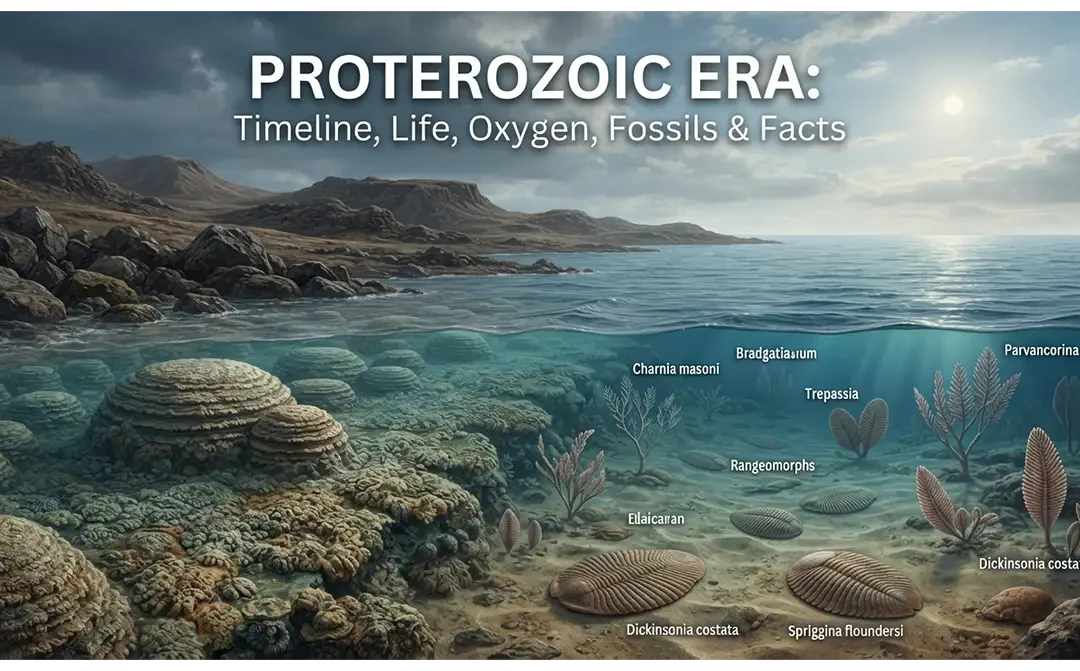 The Proterozoic Era was a major chapter in Earth’s history when the atmosphere changed, continents developed, and life became increasingly complex. During this immense span of geological time, microscopic organisms transformed the planet, eukaryotic cells...
