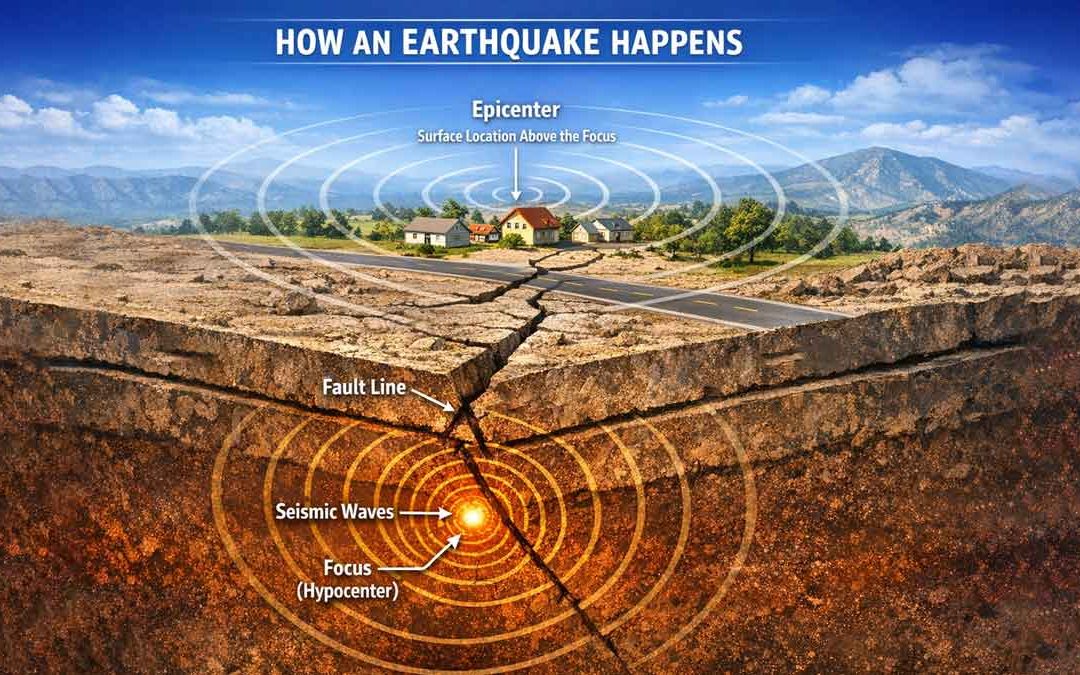
 An earthquake diagram is a visual way to understand how earthquakes happen beneath the Earth’s surface. It shows key parts such as the fault line, focus, epicenter, and the movement of seismic waves. By looking at a diagram, it becomes much easier to understand how...
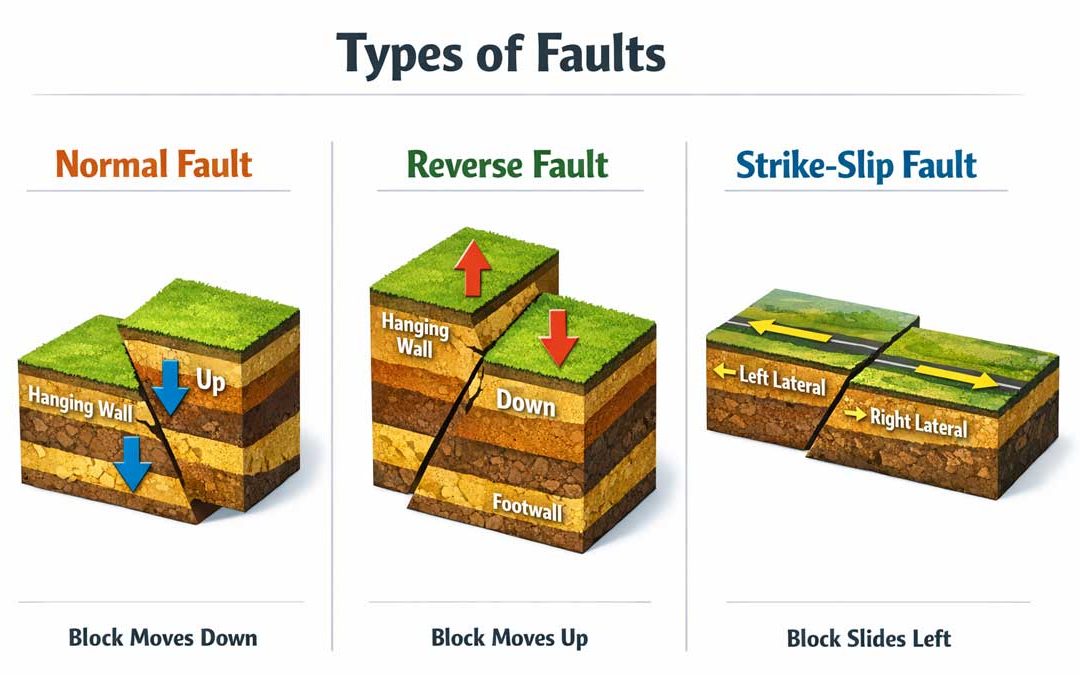 Fault lines are cracks or fractures in the Earth’s crust where rocks have moved. They are one of the main reasons earthquakes occur, as they are the locations where stress builds up and is suddenly released. Understanding fault lines helps explain how earthquakes...
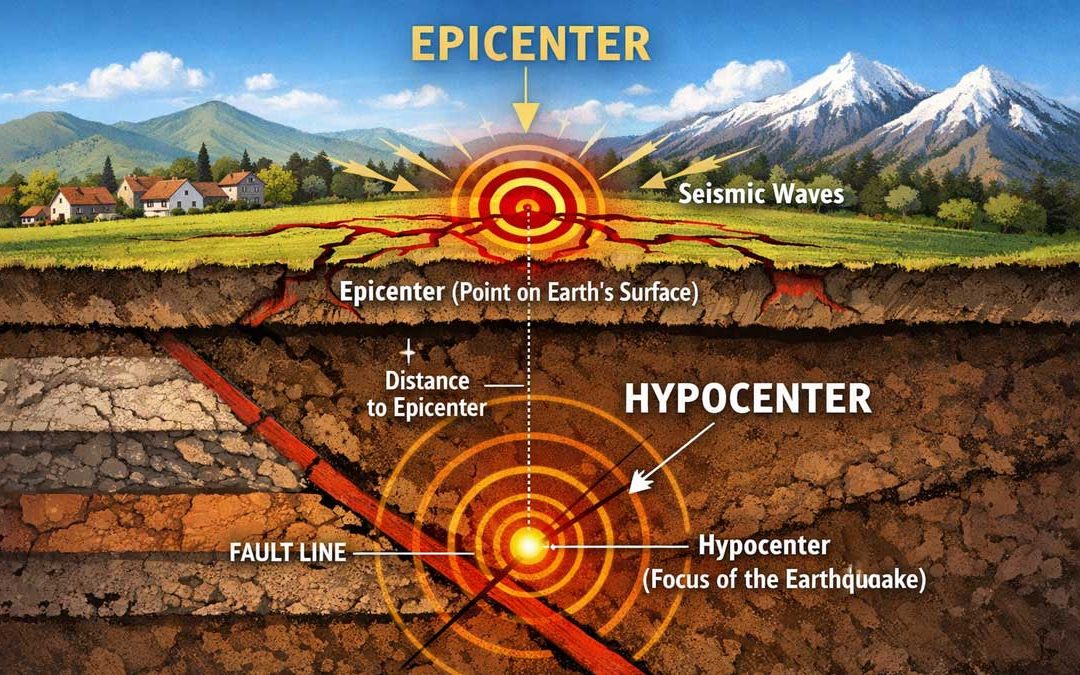 When an earthquake occurs, scientists use two important terms to describe where it begins and how it affects the surface: focus and epicenter. Although they are closely related, they refer to two different locations. Understanding this difference helps explain how...
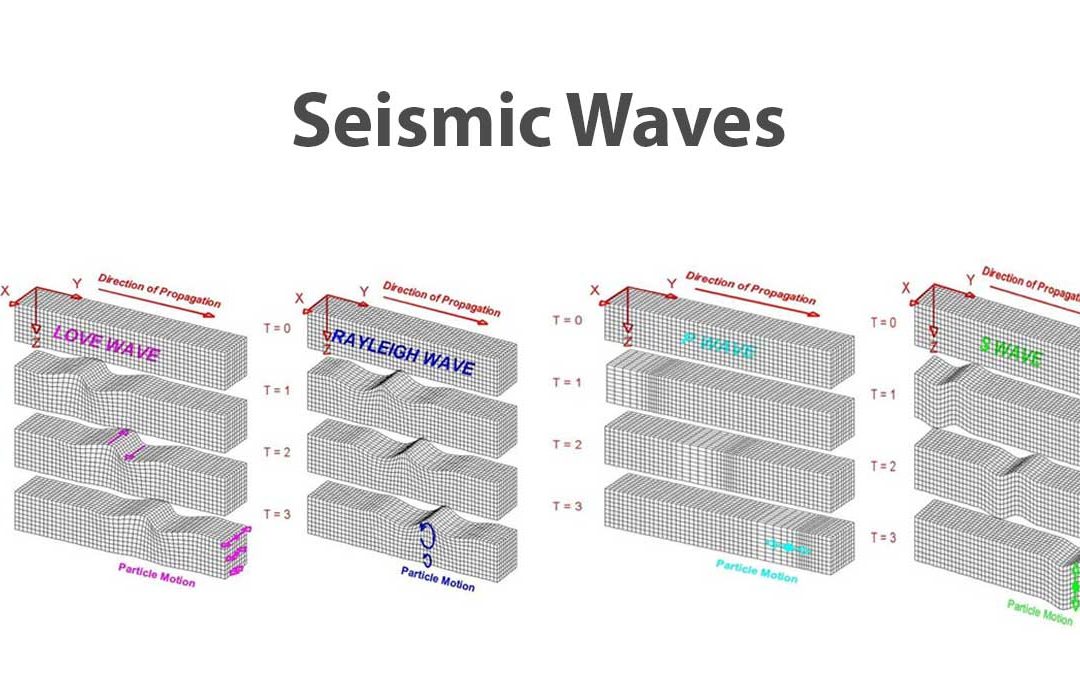 Seismic waves are the vibrations that travel through the Earth when an earthquake occurs. These waves carry the energy released at the focus of the earthquake and spread outward in all directions. Scientists study seismic waves to understand how earthquakes happen,...
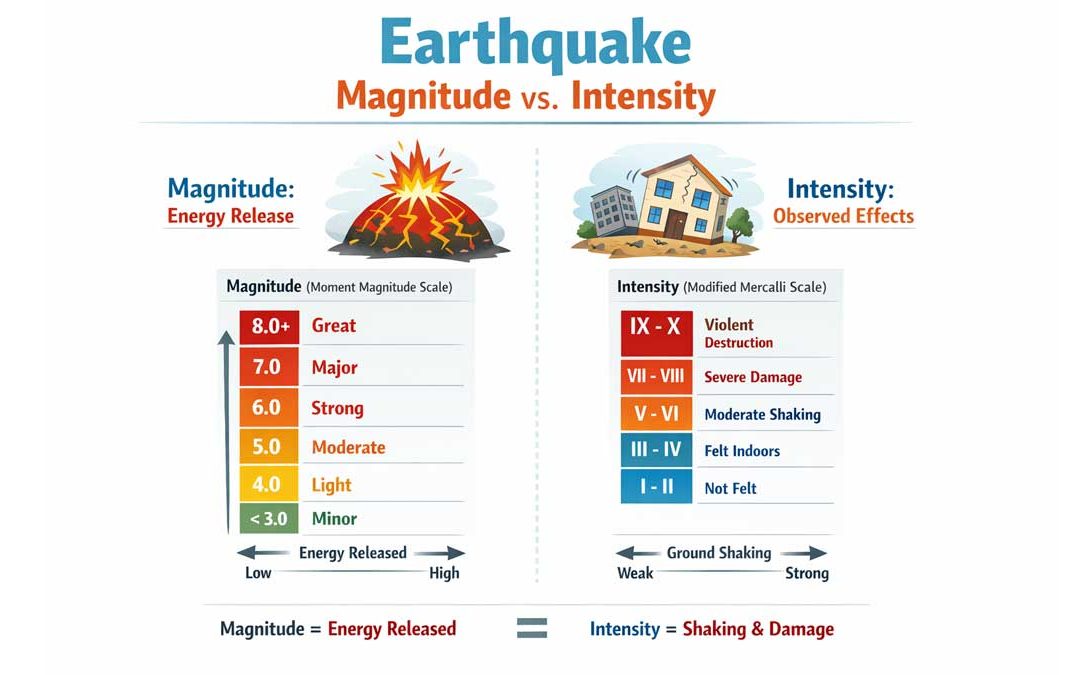 When an earthquake happens, you may hear two important terms: magnitude and intensity. While they are related, they describe different aspects of an earthquake. Magnitude tells us how much energy an earthquake releases, while intensity describes how strong the shaking...
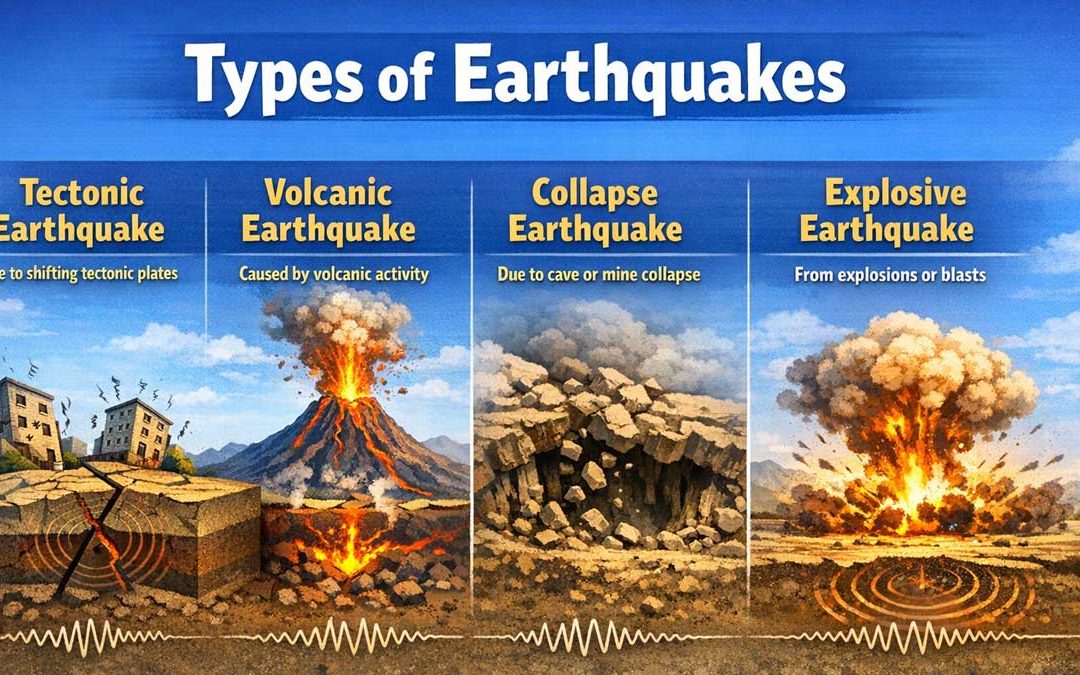 Earthquakes are not all the same. They can occur for different reasons and in different environments. Scientists classify earthquakes into several types based on how they are caused and where they occur. Understanding the types of earthquakes helps us better predict...
