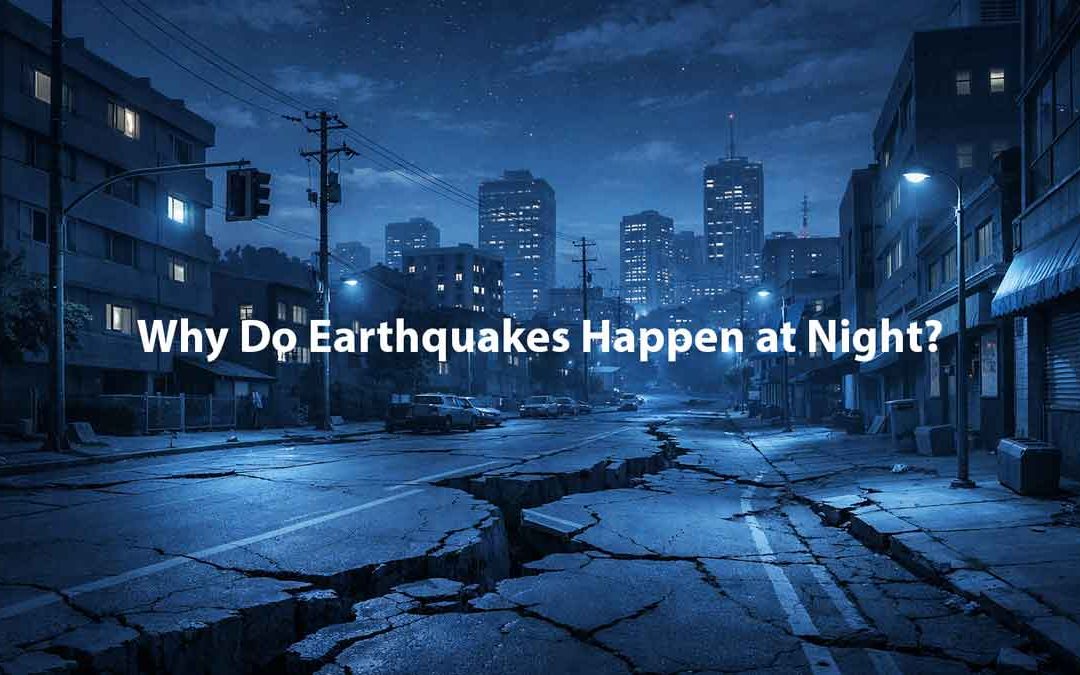
 It often feels like earthquakes happen more at night — but that’s not actually true. Earthquakes don’t follow a schedule. They can happen at any time of day or night because they are driven by underground processes that never stop. To understand the real cause, see...
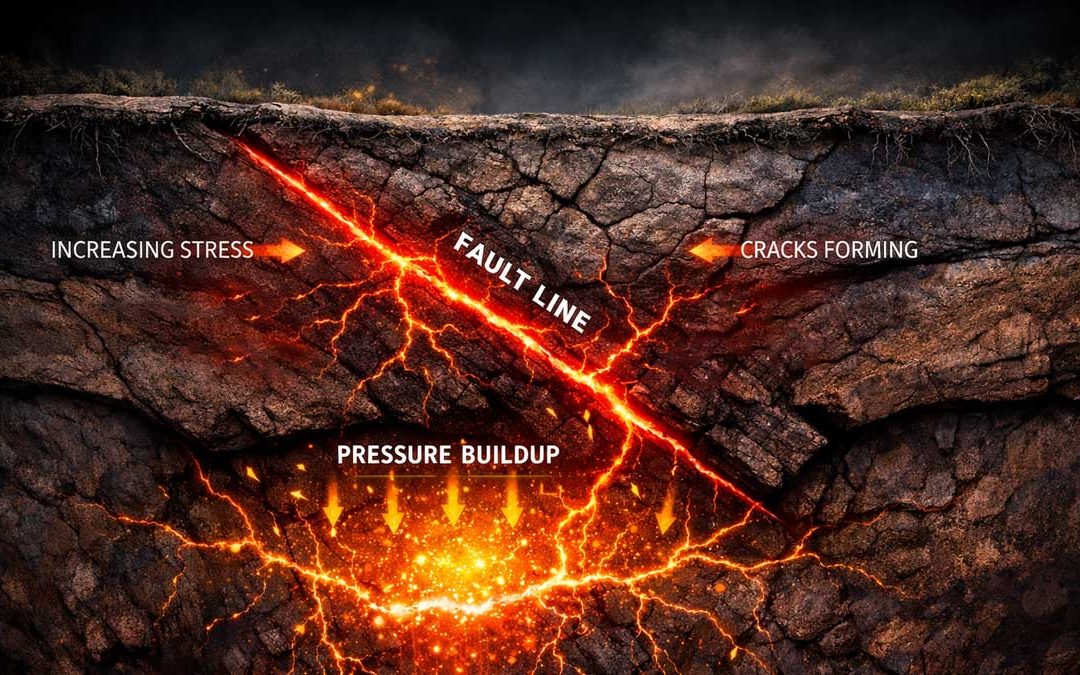 Most earthquakes feel sudden — but deep underground, the process begins long before the shaking starts. The Earth doesn’t just “snap” instantly. Stress builds up over time along fault lines until the rock can no longer hold it. To understand the full process, see our...
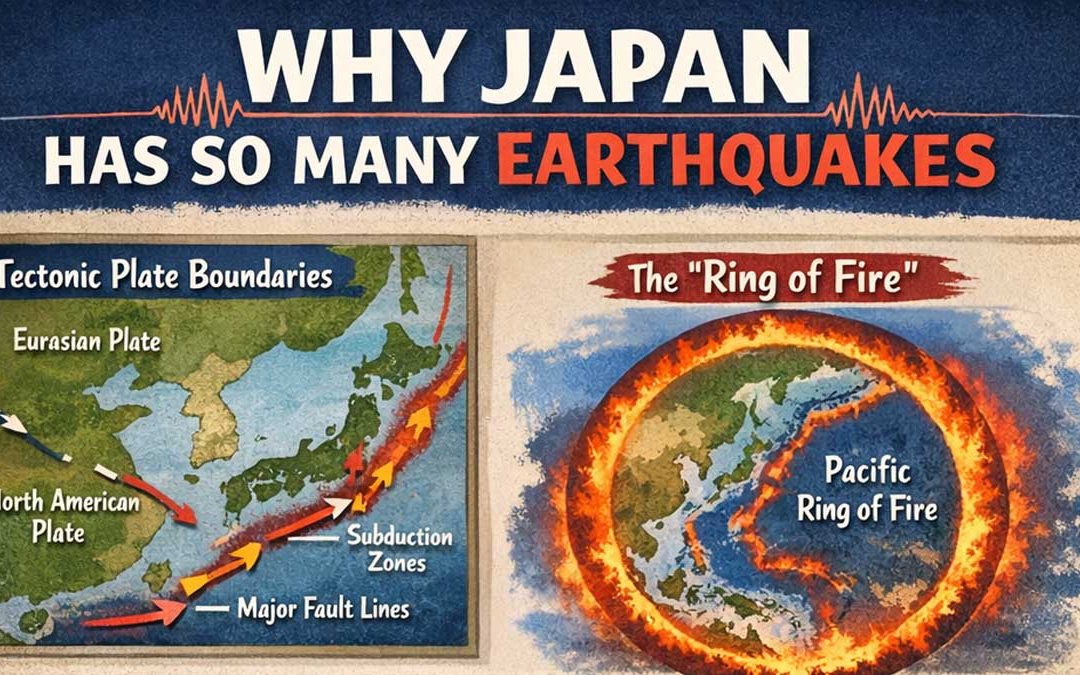 Japan is one of the most earthquake-prone countries in the world — and it’s not by accident. The country sits at the meeting point of multiple tectonic plates, making it one of the most geologically active regions on Earth. To understand the basic process, see our...
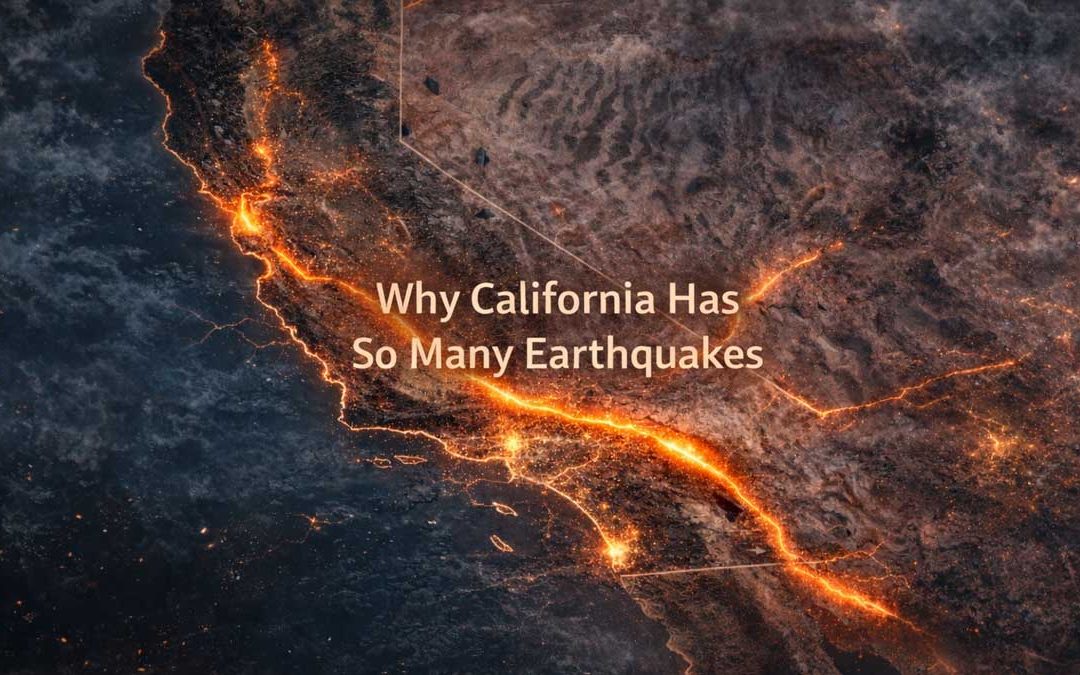 California doesn’t just “have earthquakes” — it sits on one of the most active geological boundaries on Earth. That’s why earthquakes here are not rare events. They are part of how the Earth constantly adjusts and releases built-up pressure beneath the surface. To...
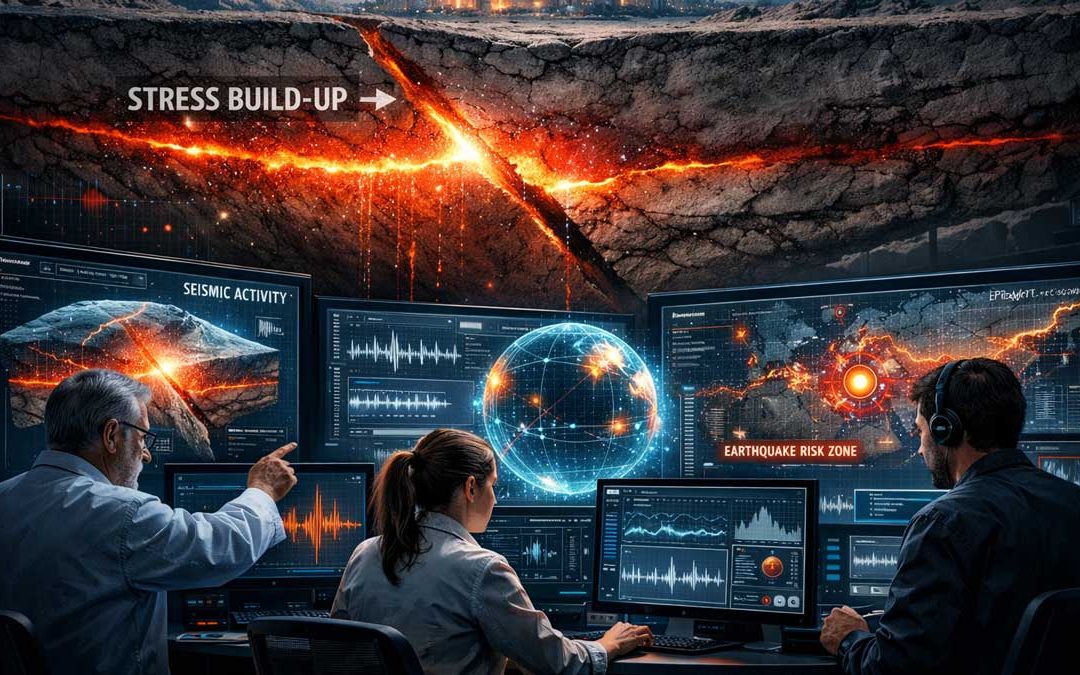 Short answer: No — earthquakes cannot be predicted with exact time and location. But that doesn’t mean scientists are completely in the dark. They can identify high-risk areas, estimate probabilities, and even provide a few seconds of warning before strong shaking...
 Most people think earthquakes in San Francisco are random — but they’re not. They happen for a very specific reason: the city sits directly on one of the most active fault systems in the world. That means earthquakes here aren’t rare events — they’re part of how the...
