
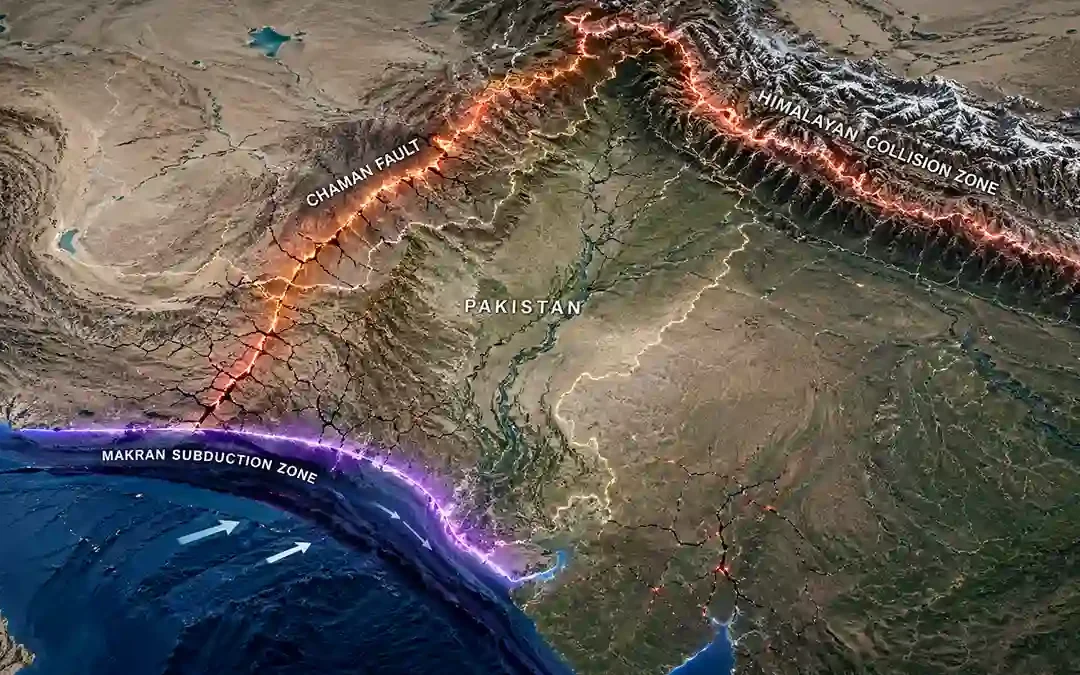
Pakistan sits at a unique geological crossroads.
Instead of relying on one tectonic process, the country is shaped by three different earthquake mechanisms happening at the same time — collision, subduction, and fault movement.
That’s what makes earthquakes here both frequent and unpredictable.
If you’re new to the topic, begin here → what is an earthquake
Pakistan’s Seismic Zones (A Layered Risk System)
| Region | Risk Level | What’s Happening |
|---|---|---|
| Northern Pakistan (Himalayan Belt) | Very High | Plate collision + compression |
| Western Pakistan (Chaman Fault) | Very High | Strike-slip fault movement |
| Southern Coast (Makran Zone) | High | Subduction + tsunami risk |
| Central Pakistan | Moderate | Stress transfer |
| Eastern Plains | Low–Moderate | Stable region |
Pakistan’s risk is multi-layered, not concentrated in one place
To understand how stress builds → fault lines
Why Do Earthquakes Happen in Pakistan?
Pakistan is influenced by the movement of the Indian Plate, which is pushing into the Eurasian Plate.
At the same time:
- The Arabian Plate interacts from the southwest
- Fault systems shift laterally
- Subduction occurs along the coast
This creates a combined tectonic environment, which is relatively rare.
Learn more → causes of earthquakes
Pakistan’s Three Earthquake Systems (Unique Insight)
Himalayan Collision Zone (Northern Pakistan)
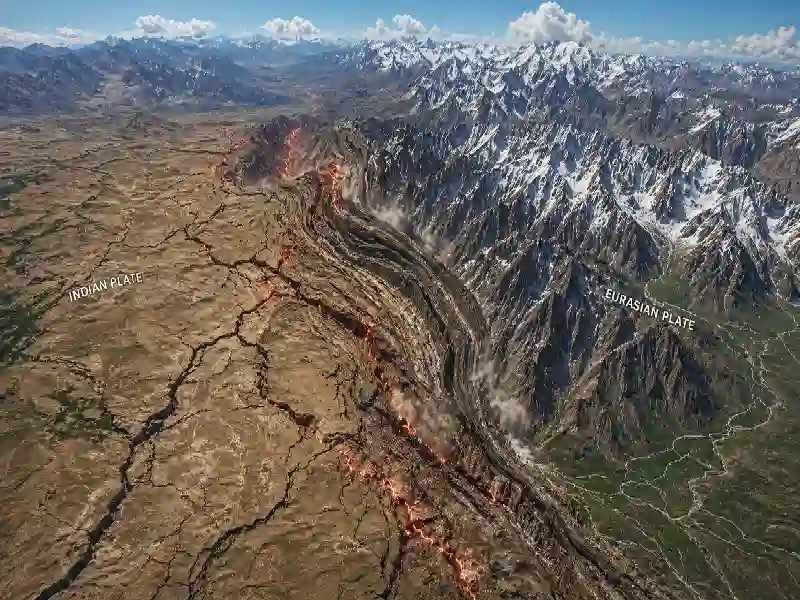
Northern Pakistan is part of the Himalayan collision zone.
- Strong compression forces
- Potential for large earthquakes
- Long-term stress buildup
This region produces some of the most powerful earthquakes in South Asia.
Explore earthquake types
Chaman Fault System (Lateral Movement)
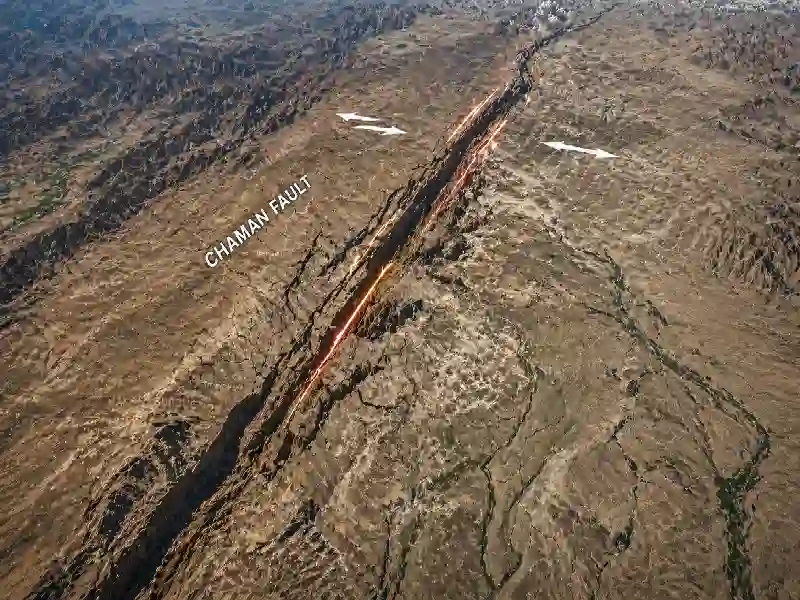
The Chaman Fault is a major strike-slip fault.
- Plates slide past each other
- Produces shallow earthquakes
- Can affect western Pakistan
This is similar to fault systems seen in California, but with regional differences.
Makran Subduction Zone (Hidden Coastal Risk)
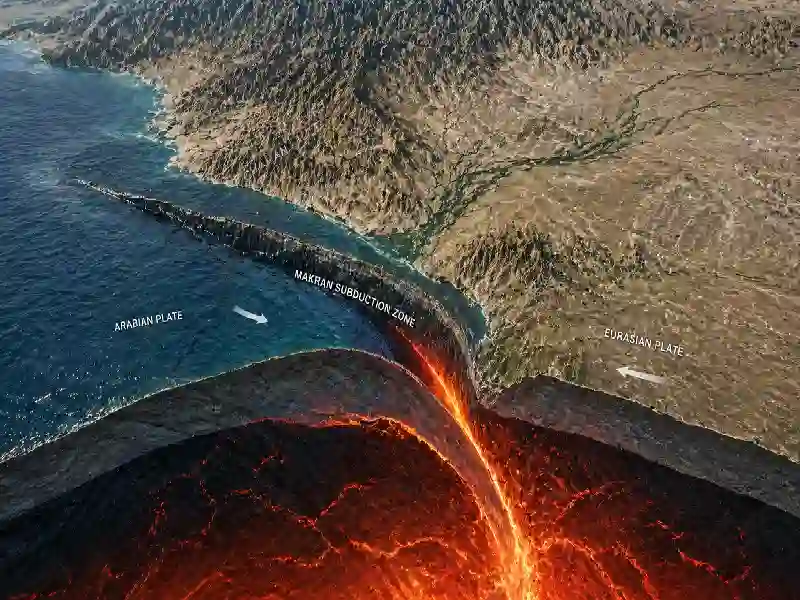
Along Pakistan’s southern coast lies the Makran subduction zone.
- Arabian Plate dives beneath Eurasian Plate
- Potential for large offshore earthquakes
- Tsunami risk
This zone is less active than others — but potentially very dangerous.
Recent Earthquake Activity in Pakistan
Pakistan continues to experience earthquakes across different regions.
Recent patterns show:
- Frequent activity in northern regions
- Occasional earthquakes along the western fault system
- Coastal seismic events with offshore influence
This reflects the interaction of multiple tectonic systems.
Notable Earthquakes in Pakistan
Historical events show the real impact.
- 2005 Kashmir Earthquake (M7.6)
One of the most devastating earthquakes in Pakistan’s history. - 1945 Makran Earthquake (M8.1)
Triggered a tsunami along the coast. - 1935 Quetta Earthquake (M7.7)
A major earthquake linked to fault movement.
Understand magnitude vs impact
Pakistan vs Other Earthquake Regions
Pakistan’s tectonic system is uniquely complex.
- Pakistan → collision + fault + subduction
- India → collision + intraplate earthquakes
- Iran → compression + fault systems
- California → transform faults like the San Andreas Fault
Few countries combine three major earthquake mechanisms
Can Earthquakes in Pakistan Be Predicted?
No — earthquakes cannot be predicted precisely.
Scientists can:
- monitor seismic zones
- map fault systems
- estimate long-term risk
But exact timing remains unknown.
Learn more about can earthquakes be predicted
Because it lies at the intersection of multiple tectonic systems.
Northern Pakistan and the Chaman Fault region.
Yes — especially along the Makran subduction zone.
Yes — especially in tectonically active regions.
Final Thoughts
Pakistan is one of the few places where multiple tectonic processes meet. From mountain-building collisions to coastal subduction zones, the country shows how complex Earth’s movements can be.
Understanding Pakistan’s earthquakes helps you see how different forces combine to shape seismic activity.