
Latest Post & Case Study
Recent Post

Spectroscopy in Mineralogy Explained: Principles, Techniques, and Mineral Identification
Spectroscopy is one of the most powerful analytical techniques used in modern mineralogy. It studies how minerals...
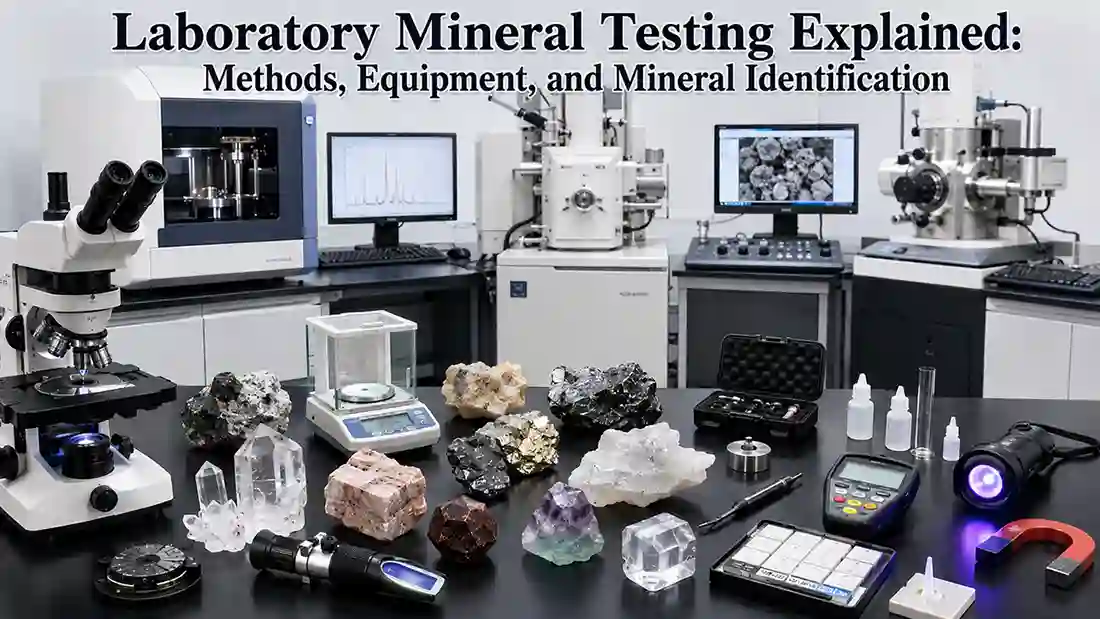
Laboratory Mineral Testing Explained: Methods, Equipment, and Mineral Identification
Laboratory mineral testing is the scientific process of identifying, analyzing, and characterizing minerals using...
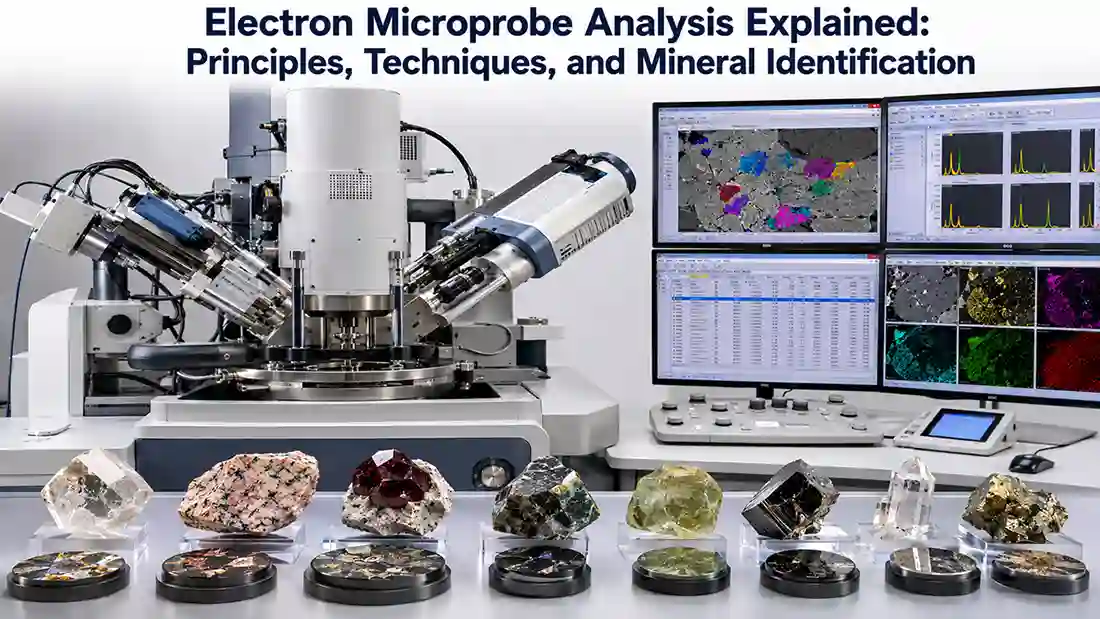
Electron Microprobe Analysis Explained: Principles, Techniques, and Mineral Identification
Electron Microprobe Analysis (EPMA) is one of the most accurate laboratory techniques used to determine the chemical...
Mineralogy & Petrology
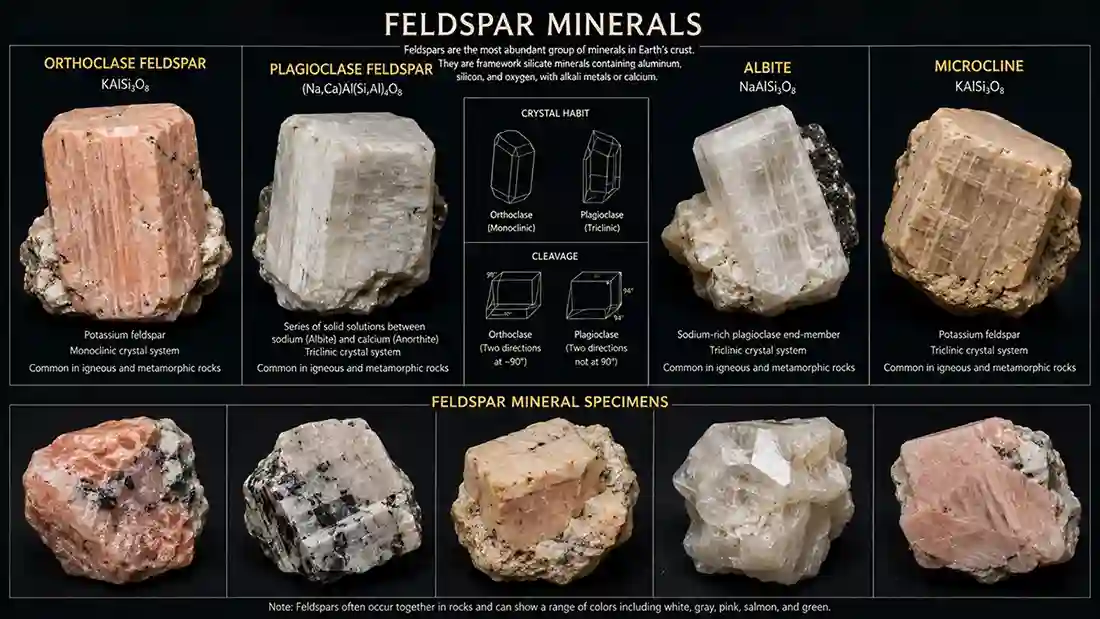
Feldspar Mineral Explained: Properties, Types, and Uses
Feldspar is the most abundant mineral group in Earth's crust, making up approximately 50–60% of many rocks. These...
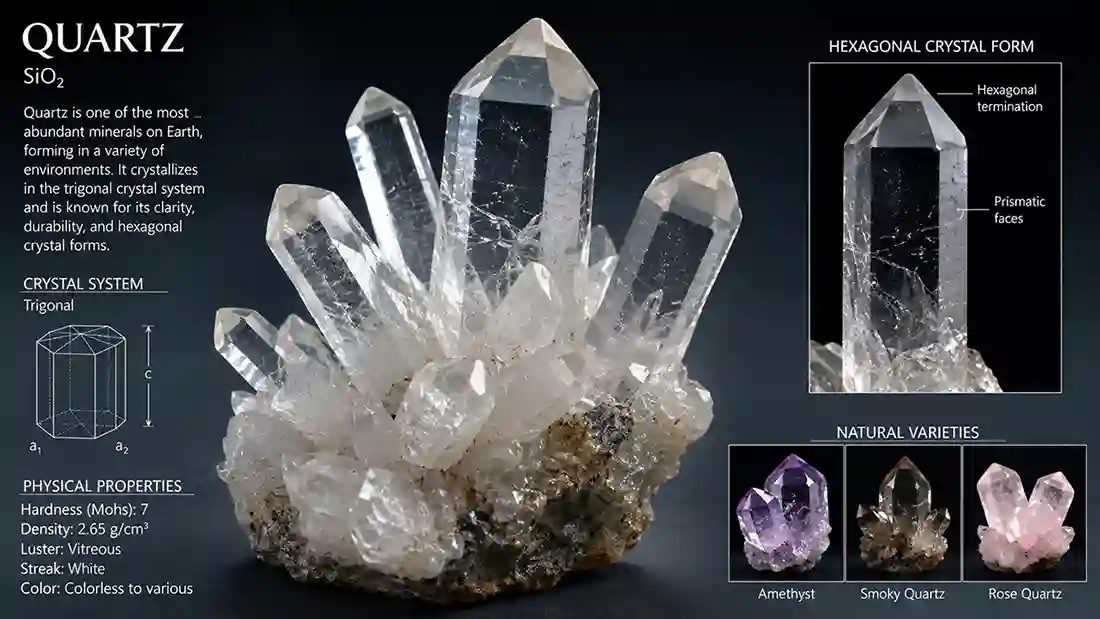
Quartz Mineral Explained: Properties, Formation, and Uses
Quartz is one of the most common and important minerals on Earth. Found in igneous, metamorphic, and sedimentary...

Crystal Twinning Explained in Mineralogy
Crystal twinning occurs when two or more crystals of the same mineral grow together in a symmetrical and predictable...
Geology & Earth Science
No Results Found
The page you requested could not be found. Try refining your search, or use the navigation above to locate the post.
Paleontology
No Results Found
The page you requested could not be found. Try refining your search, or use the navigation above to locate the post.
Solar System
No Results Found
The page you requested could not be found. Try refining your search, or use the navigation above to locate the post.