
Latest Post & Case Study
Recent Post
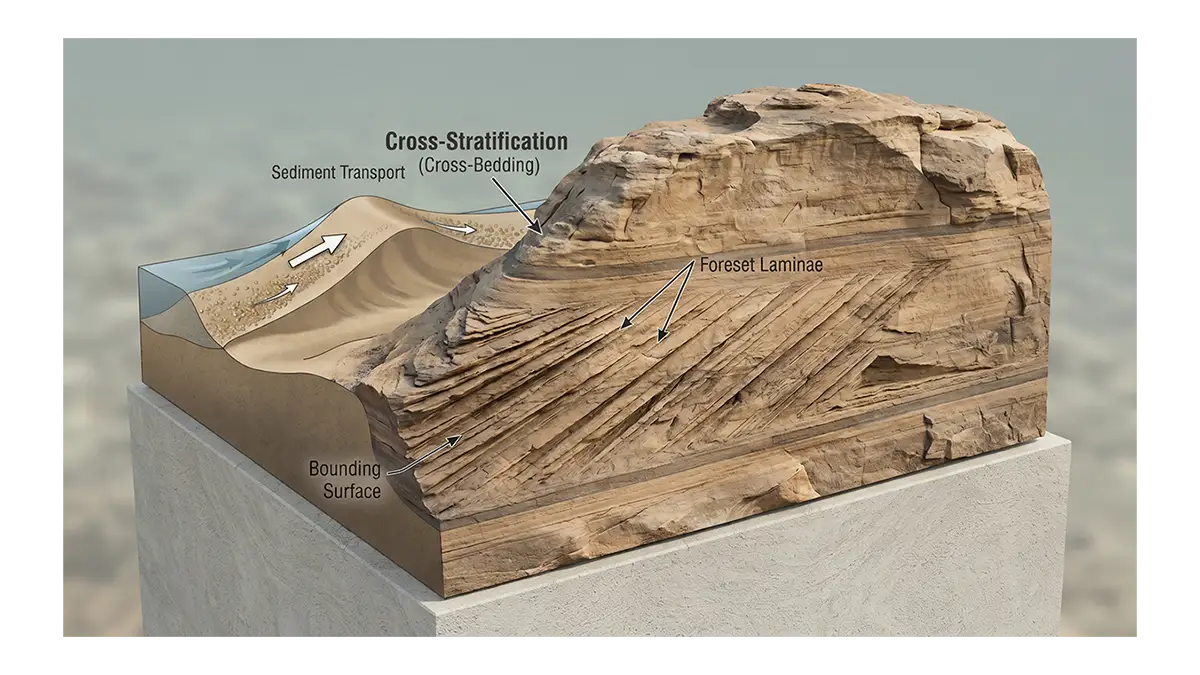
Cross-Stratification: Definition, Formation, Types, and Importance
Cross-stratification is a sedimentary structure made of inclined layers that form when sediment moves and is deposited...
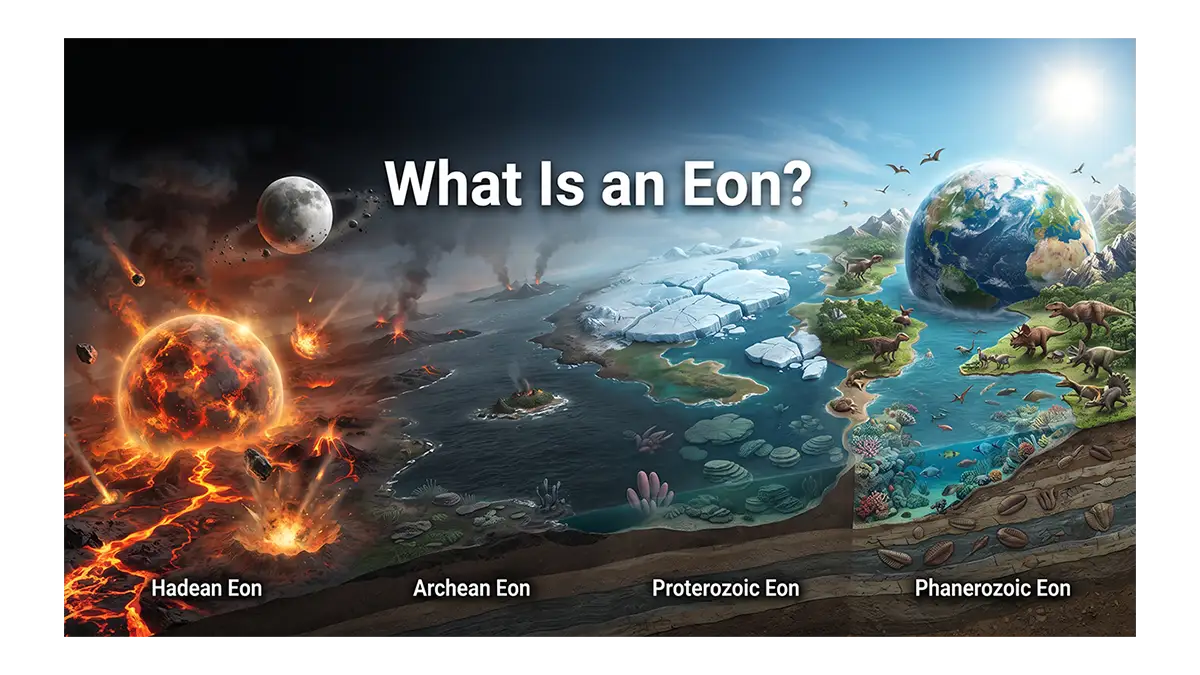
Eon: Definition and Major Eons of Earth’s History
Earth is about 4.6 billion years old. During this enormous span of time, the planet has changed again and again....
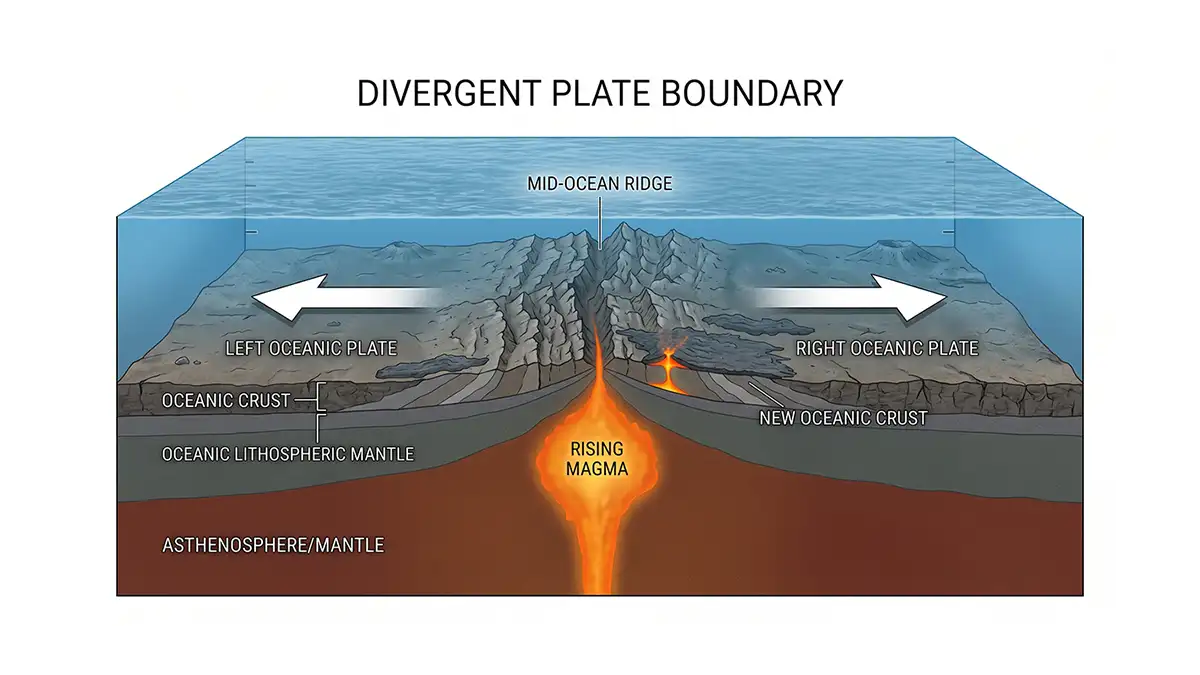
Divergent Plate Boundary: Definition, Types, and Examples
A divergent plate boundary is a region where two tectonic plates move away from each other. As the plates separate,...
Mineralogy & Petrology

Crystal Growth in Minerals Explained: Formation, Processes, and Crystal Examples
Crystal growth is the natural process through which minerals develop their characteristic crystal shapes and internal...

Piezoelectric Minerals Explained: Properties, Identification, and Examples
Piezoelectricity is one of the most fascinating electrical properties found in certain minerals. When mechanical...

Mineral Conductivity Explained: Electrical and Thermal Conductivity in Minerals
Conductivity is an important physical property that describes how easily a mineral transfers electricity or heat....
Geology & Earth Science

Natural Gas: Its Origins, Composition and Classification
Natural Gas: Natural gas is a mixture of hydrocarbon (lower) that occurs in nature and exits in a gaseous state at...

Petroleum: Its Physical Properties and Chemical Classification
Petroleum is an essential fossil fuel composed of a natural mixture of hydrocarbons, including crude oil, natural gas,...

Classification of conglomerate
Conglomerate is a sedimentary rock formed from rounded pebbles or clasts held together by a finer matrix. Its...
Paleontology
No Results Found
The page you requested could not be found. Try refining your search, or use the navigation above to locate the post.
Solar System
No Results Found
The page you requested could not be found. Try refining your search, or use the navigation above to locate the post.