
Latest Post & Case Study
Recent Post
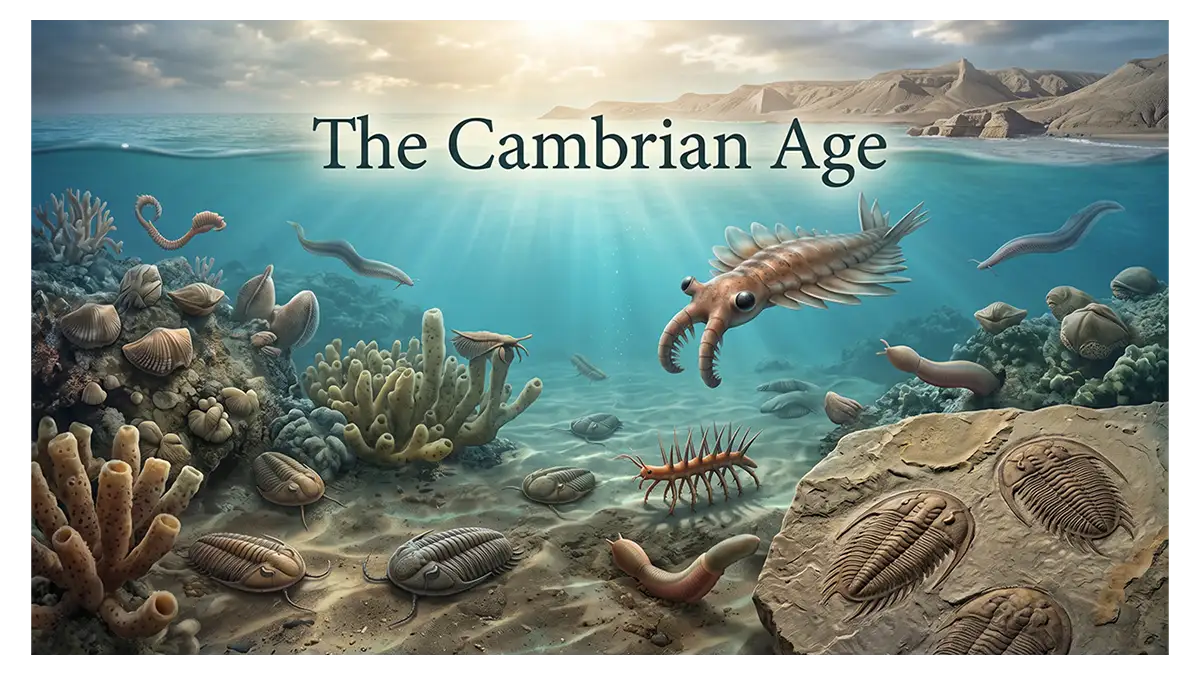
Cambrian Age: Period, Life, Fossils, Climate & Evolution
Cambrian Age is one of the most important chapters in Earth's history because it marks a major diversification of...

Grasslands: Types, Climate, Plants, Animals & Importance
Grasslands are ecosystems dominated by grasses and other herbaceous plants, with relatively few trees compared with...
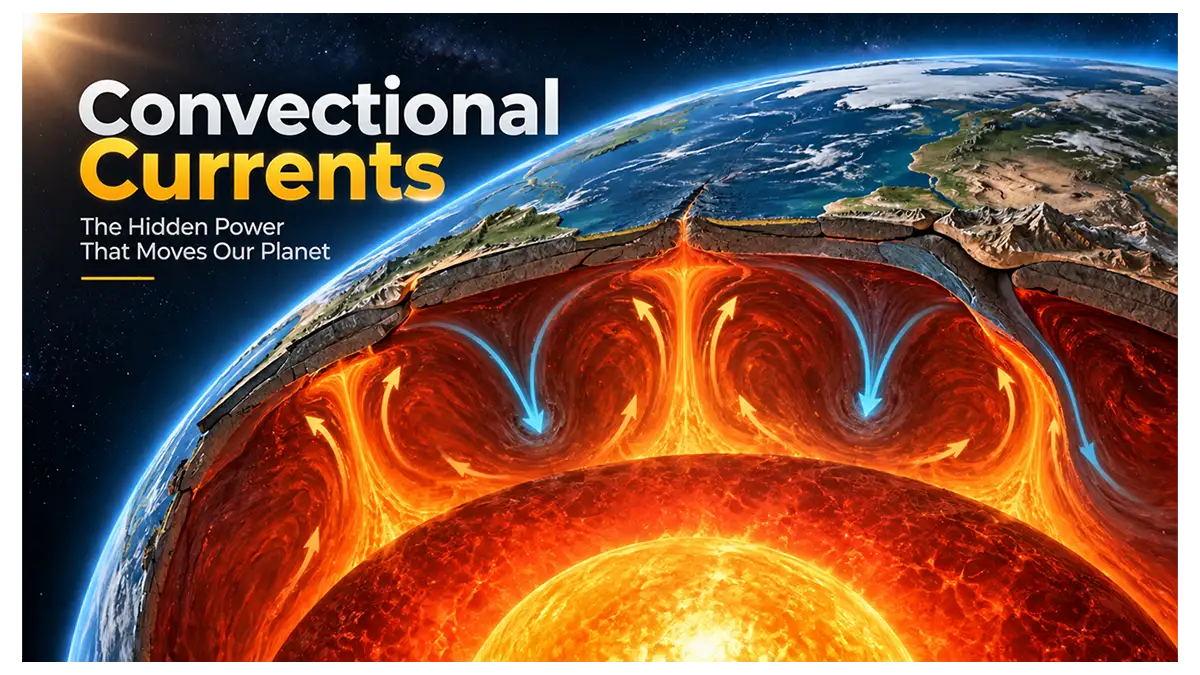
Convectional Currents: Formation, Types, Causes & Effects
Convectional currents are movements of material caused by differences in temperature and density. They are an...
Mineralogy & Petrology
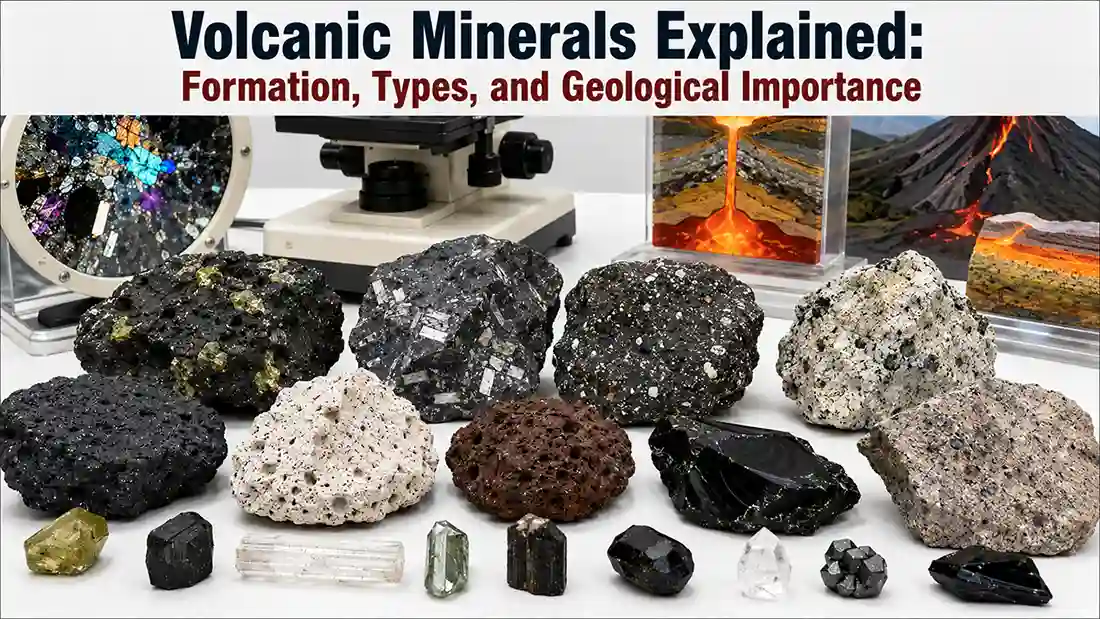
Volcanic Minerals Explained: Formation, Types, and Geological Importance
Volcanic minerals are the minerals that crystallize from lava during volcanic eruptions or from magma immediately...
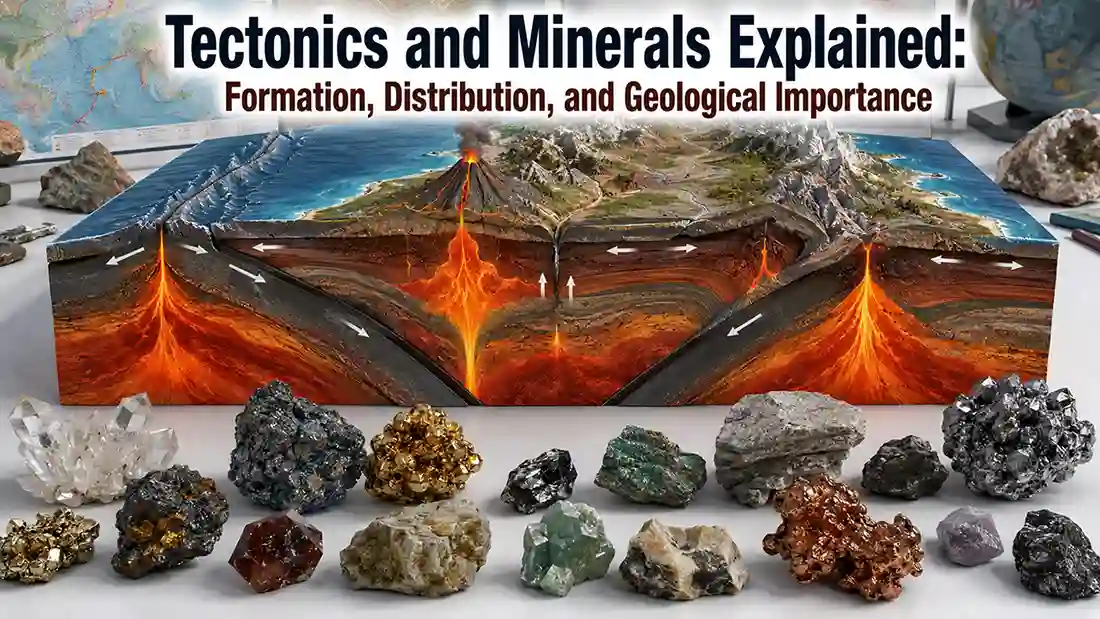
Tectonics and Minerals Explained: Formation, Distribution, and Geological Importance
Plate tectonics is the fundamental geological theory explaining the movement of Earth's lithospheric plates and the...
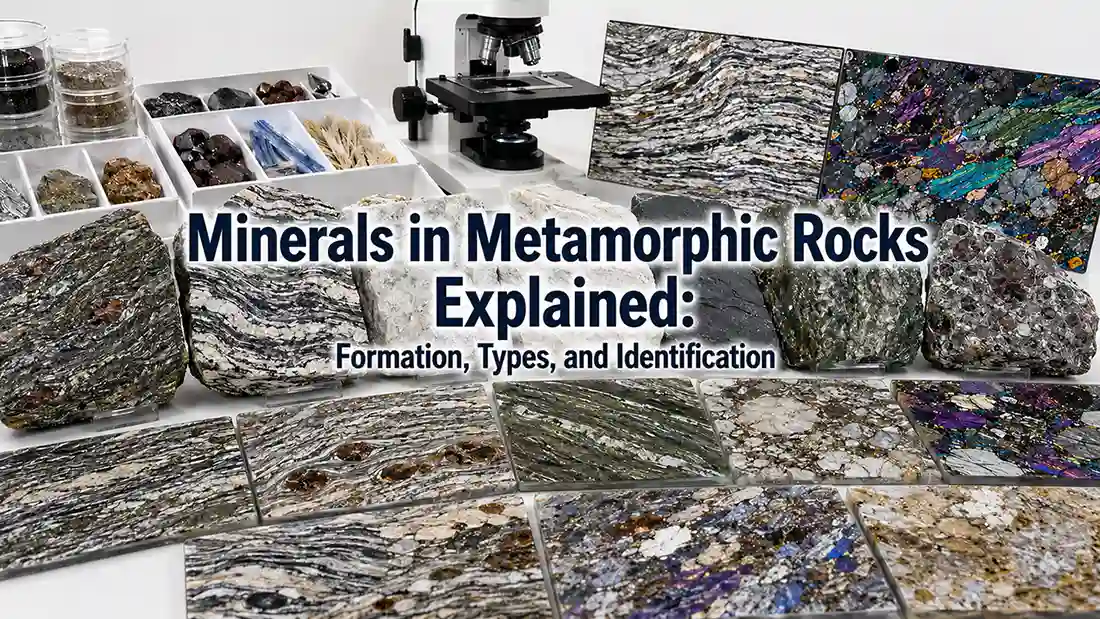
Minerals in Metamorphic Rocks Explained: Formation, Types, and Identification
Metamorphic rocks form when pre-existing igneous, sedimentary, or older metamorphic rocks are transformed by elevated...
Geology & Earth Science
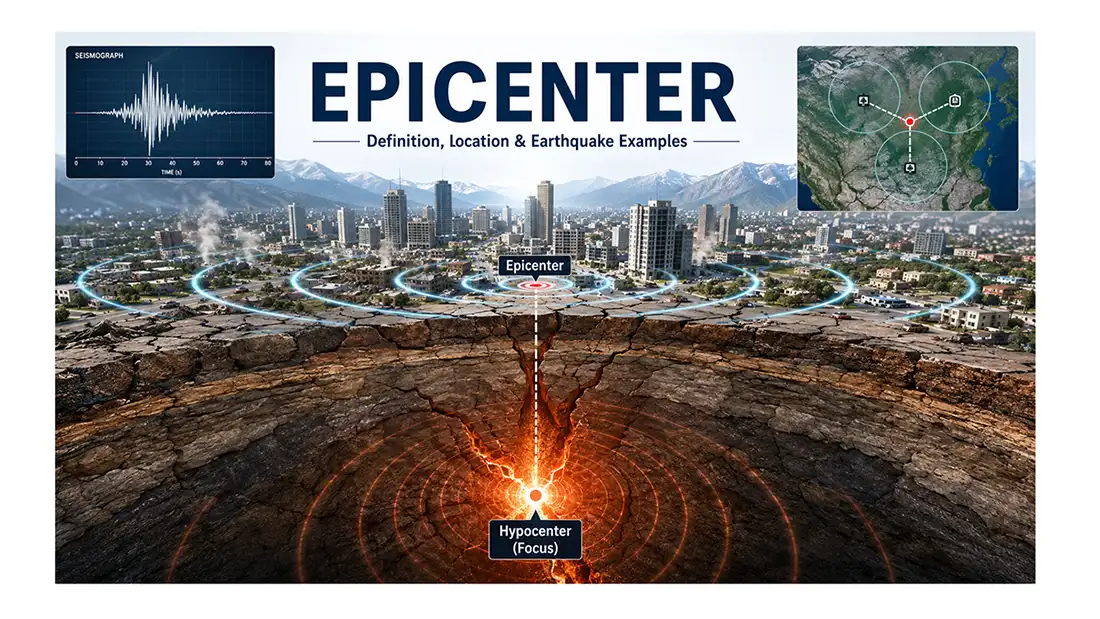
Epicenter: Definition, Location, and Earthquake Examples
After a major earthquake, one location almost always appears in news headlines—the epicenter. Whether the event...
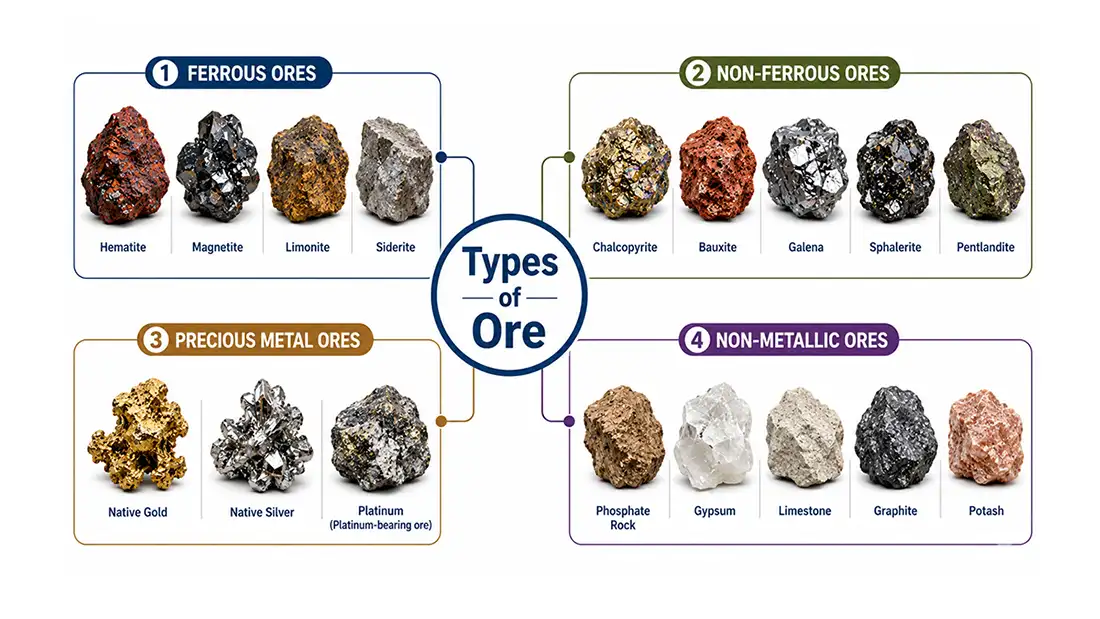
Types of Ore: Complete Guide to Classification and Examples
From the steel used in skyscrapers to the copper inside electrical wiring, different types of ore supply the raw...
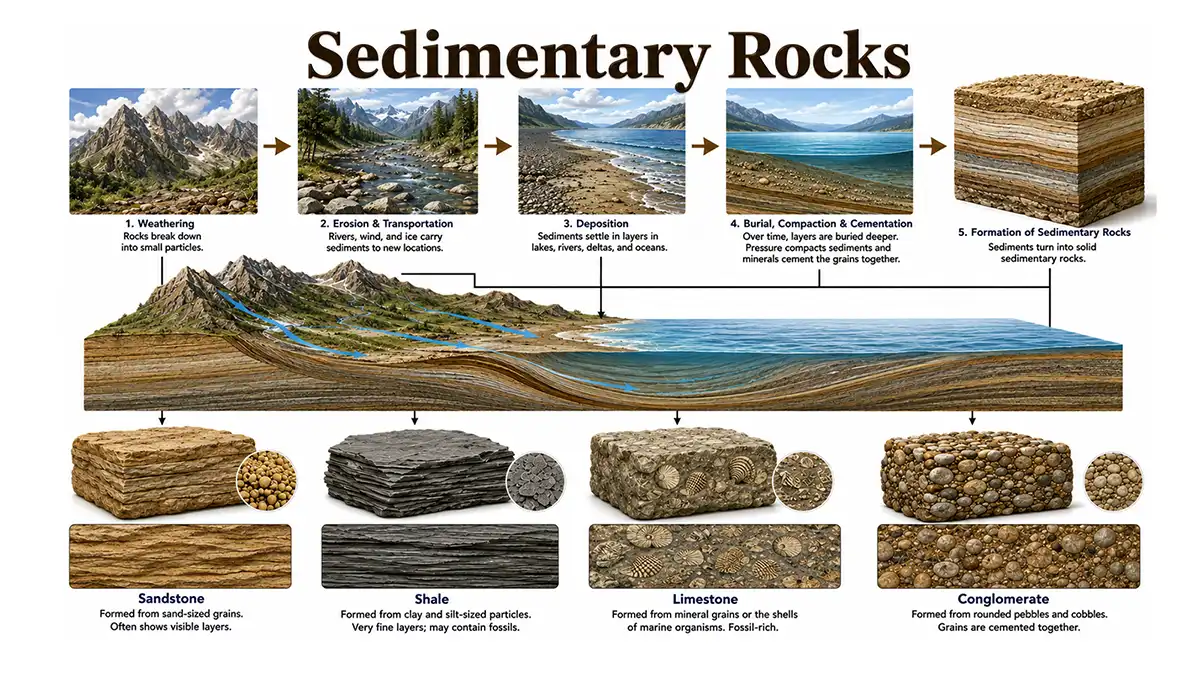
Sedimentary Rocks: Formation, Types, Characteristics, and Examples
Every mountain, canyon, river valley, and coastline tells a geological story written over millions of years. Among the...
Paleontology
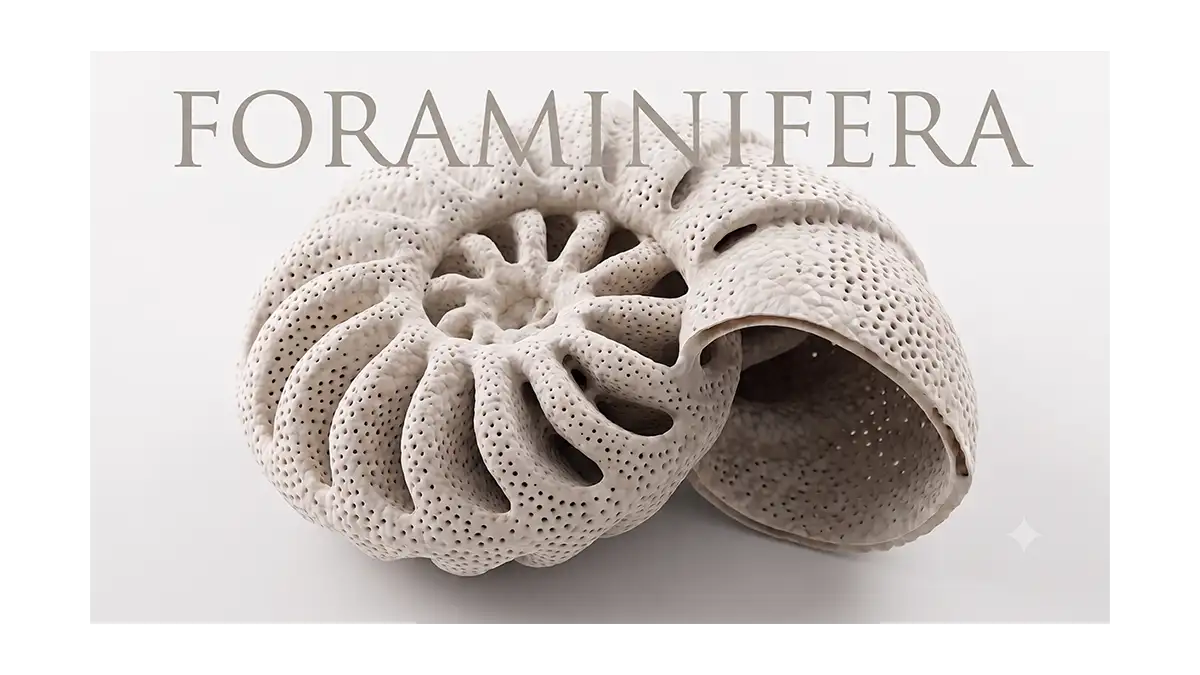
Foraminifera: Types, Characteristics, and Uses in Geology
Foraminifera are tiny, single-celled organisms with intricate shells called tests, made of calcium carbonate or...
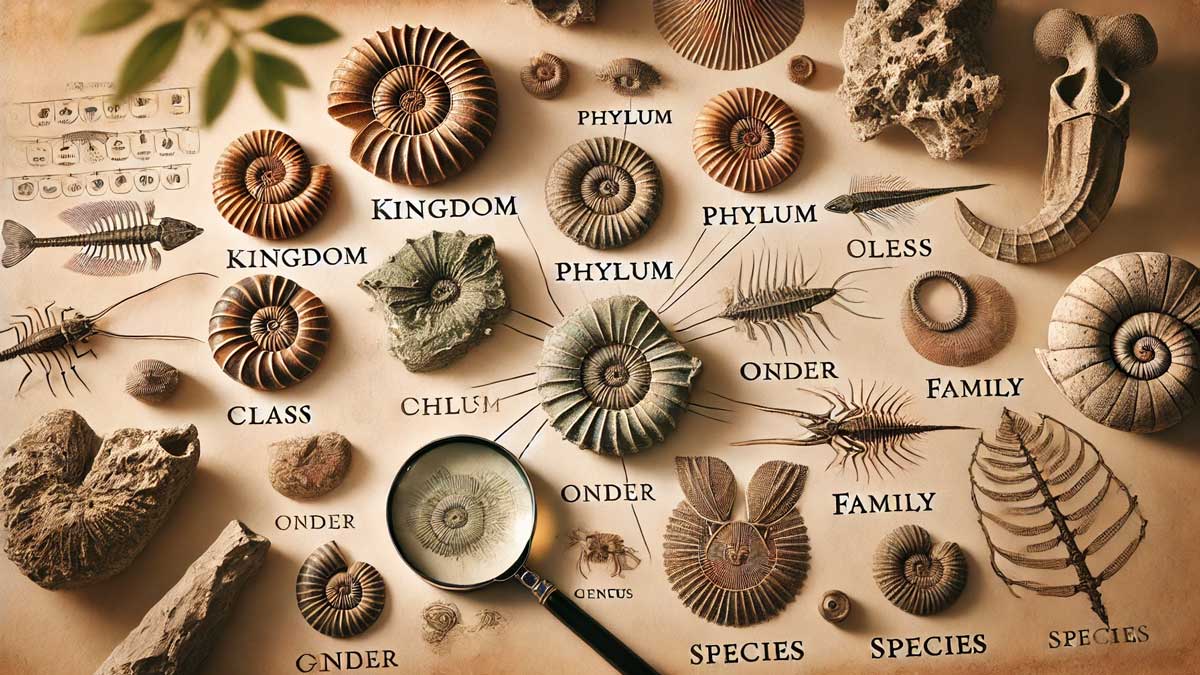
Classification of Fossils.
The classification of fossils follows Linnaeus' binomial nomenclature, using genus and species names. Fossils are...

What Are Microfossils? Their Groups and Importance
Microfossils are tiny fossils (0.001 mm to 1 mm) studied under a microscope. Found in marine and terrestrial...
Solar System
No Results Found
The page you requested could not be found. Try refining your search, or use the navigation above to locate the post.