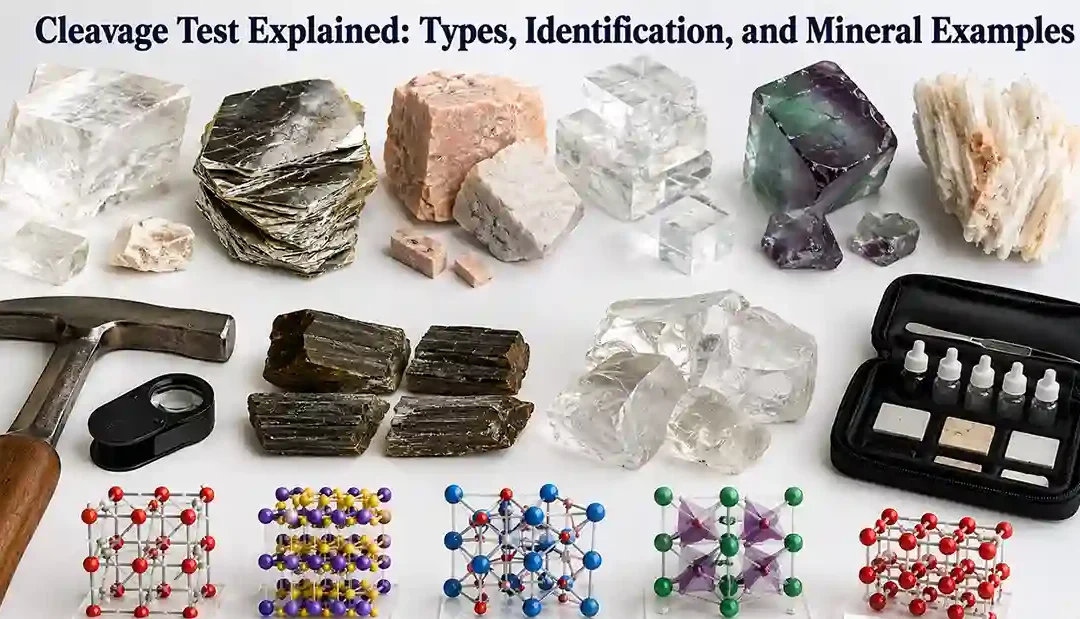
 The cleavage test is one of the most useful techniques for identifying minerals in both laboratory and field settings. Cleavage describes a mineral’s tendency to break along smooth, flat surfaces where atomic bonds within its crystal structure are weaker....
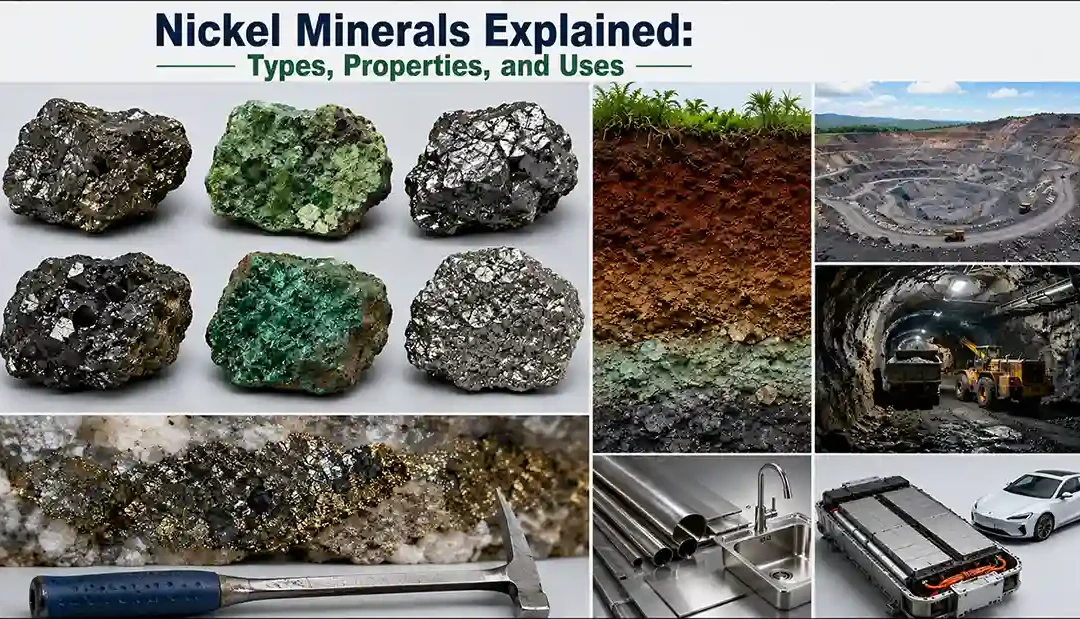 Nickel minerals are among the world’s most strategically important mineral resources because they supply nickel, a metal essential for stainless steel production, rechargeable batteries, aerospace alloys, renewable energy technologies, and electric vehicles....
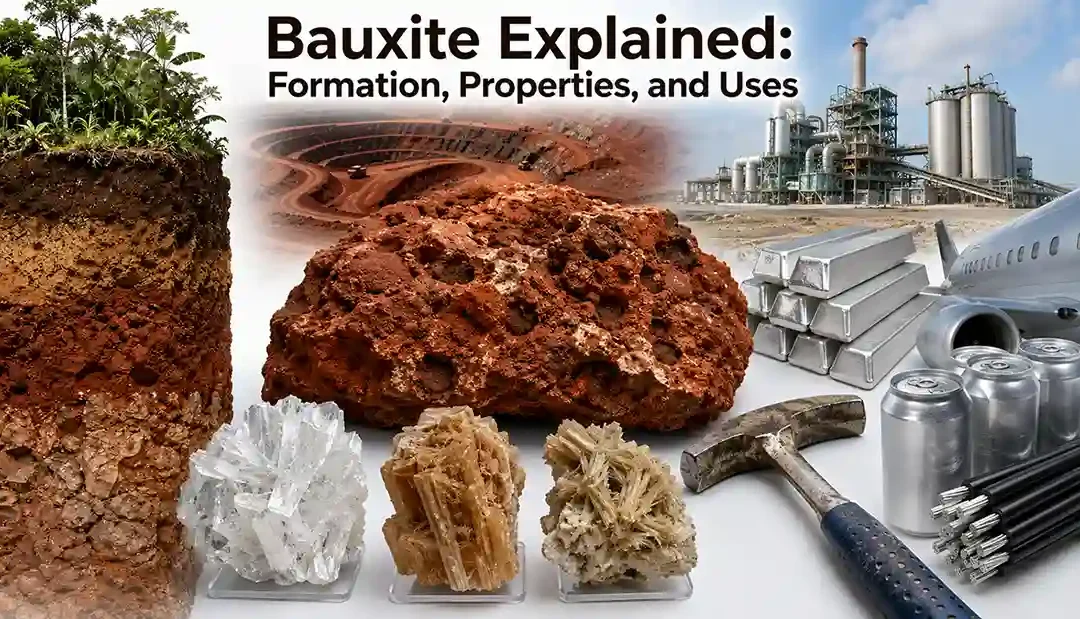 Bauxite is the world’s primary ore of aluminum and one of the most economically important industrial mineral resources. Nearly all aluminum products—including aircraft, automobiles, beverage cans, electrical cables, packaging materials, and construction...
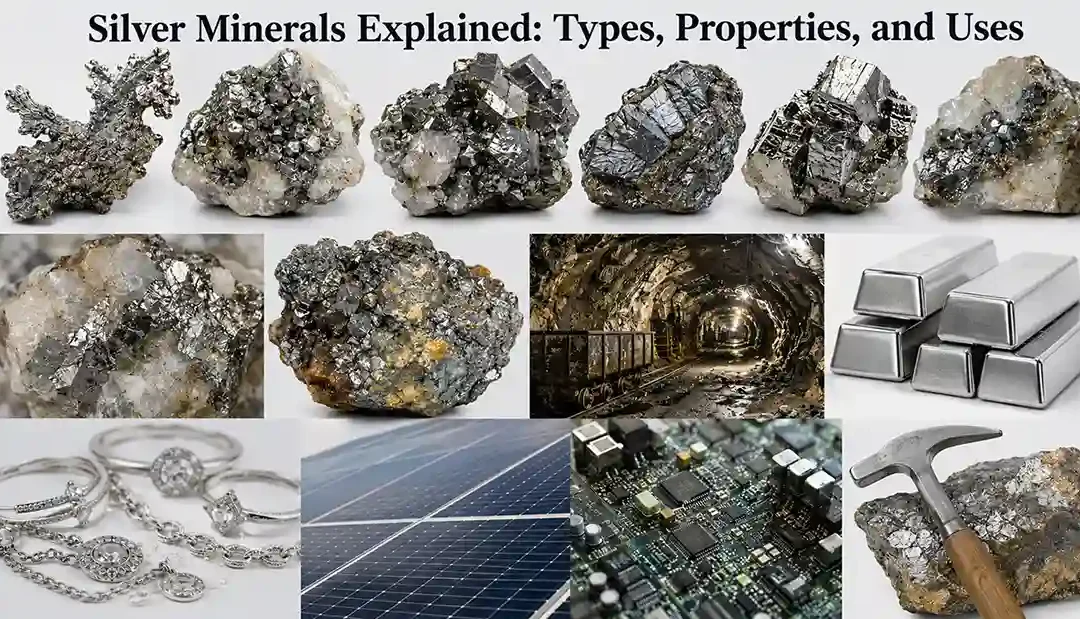 Silver minerals are among the world’s most valuable mineral resources because they supply silver, a precious metal widely used in jewelry, investment, electronics, medicine, renewable energy, and industrial manufacturing. Silver is highly valued for its...
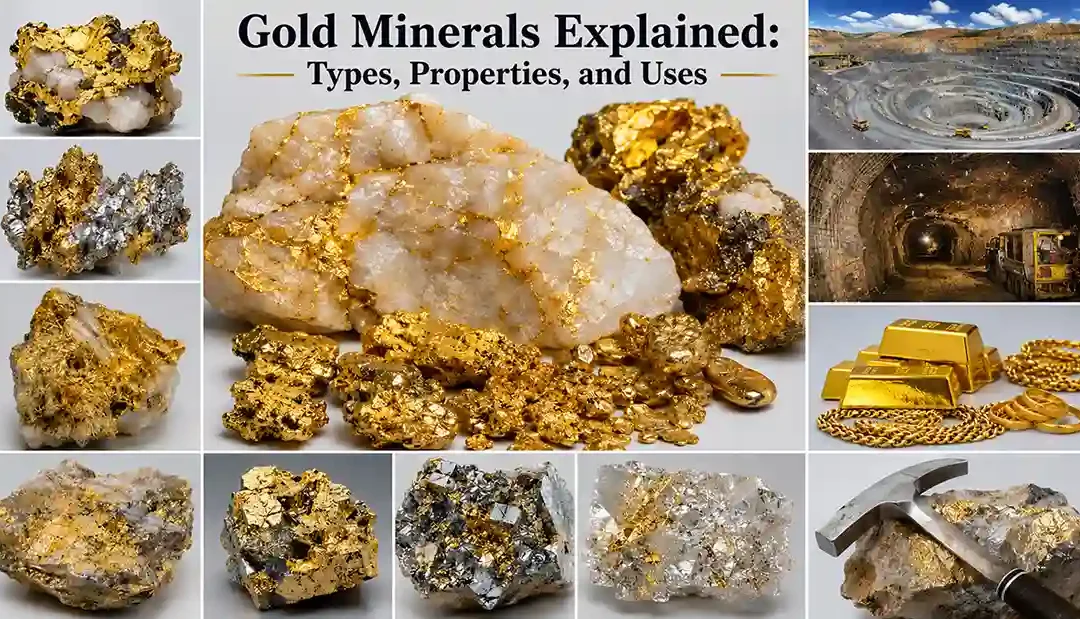 Gold minerals are among the most valuable mineral resources on Earth. Gold has fascinated civilizations for thousands of years because of its rarity, beauty, corrosion resistance, and exceptional physical properties. Today, gold remains essential for jewelry,...
