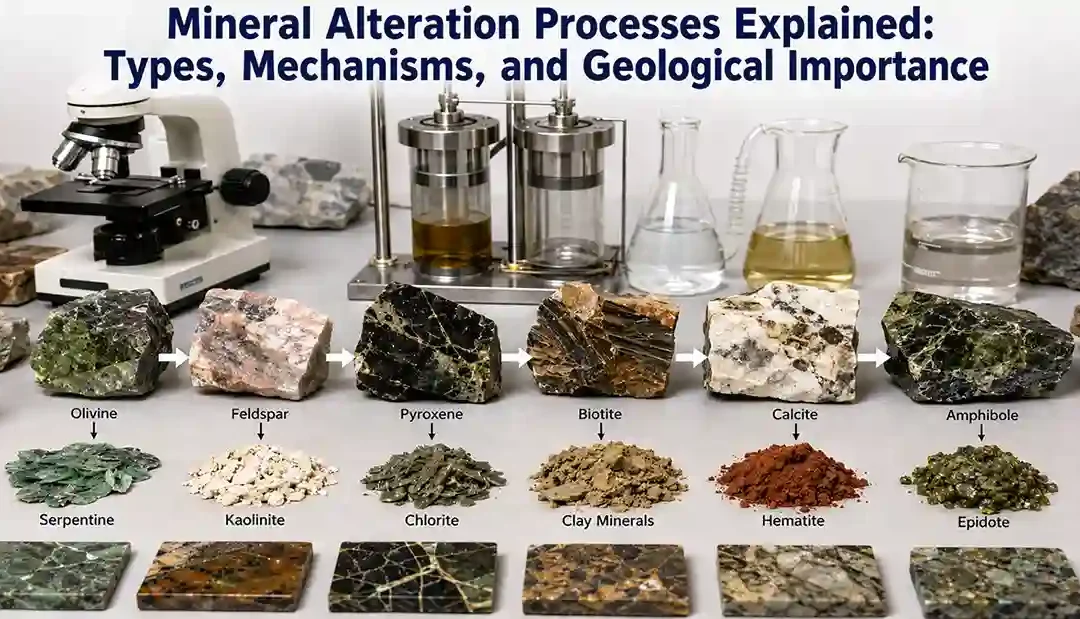
 Mineral alteration is the process by which one mineral changes into another due to changes in temperature, pressure, fluid composition, or environmental conditions. Unlike simple physical weathering, alteration involves chemical reactions that modify a mineral’s...
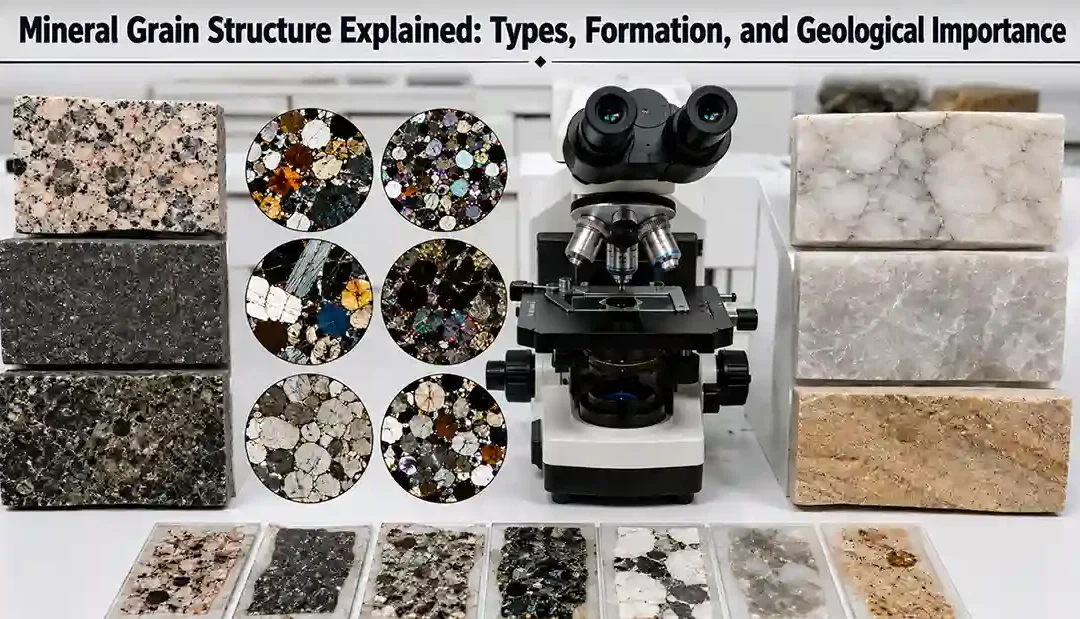 Mineral grain structure refers to the size, shape, arrangement, and relationships of individual mineral grains within a rock or mineral aggregate. Every rock is composed of one or more mineral grains that formed through crystallization, recrystallization, sediment...
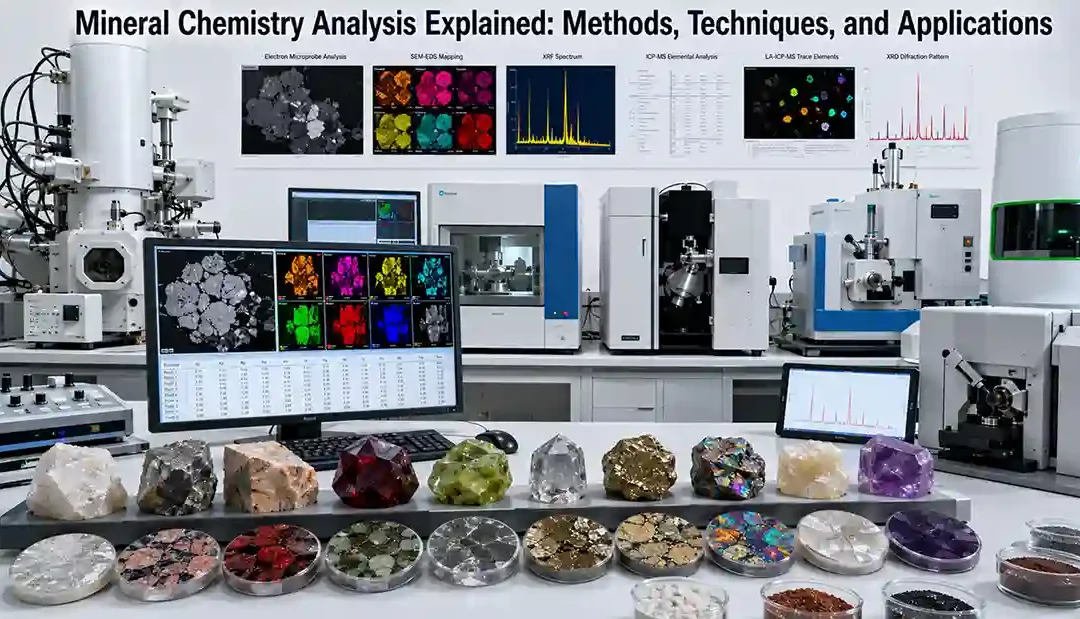 Mineral chemistry analysis is the scientific study of the chemical composition of minerals. It determines which chemical elements are present in a mineral, their concentrations, and how they are distributed within the crystal structure. Since many minerals share...
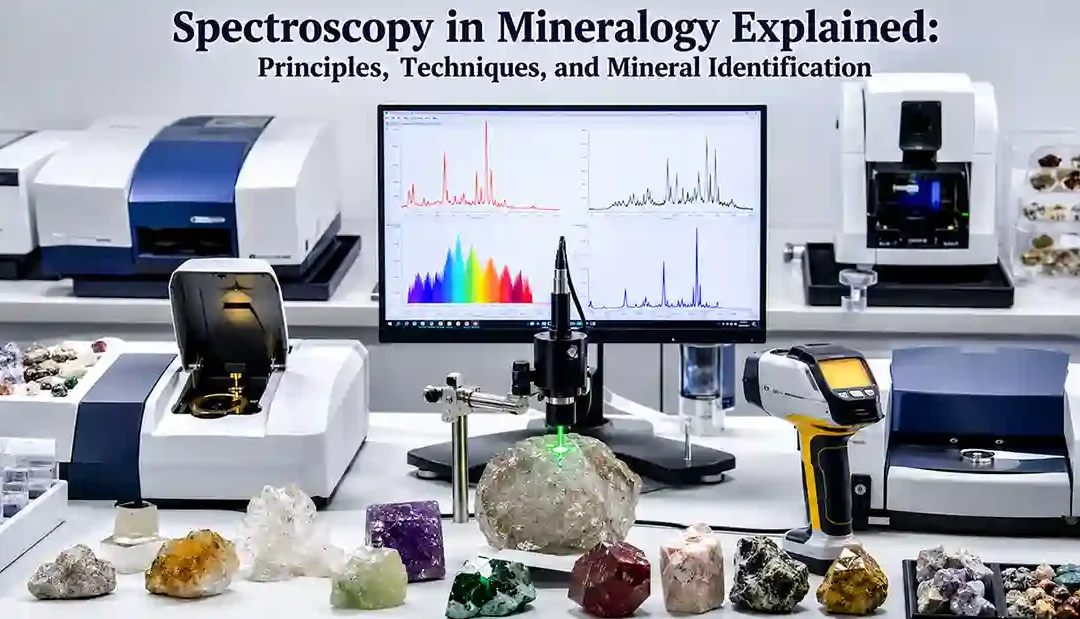 Spectroscopy is one of the most powerful analytical techniques used in modern mineralogy. It studies how minerals interact with electromagnetic radiation, allowing scientists to identify minerals, determine their chemical composition, investigate crystal structures,...
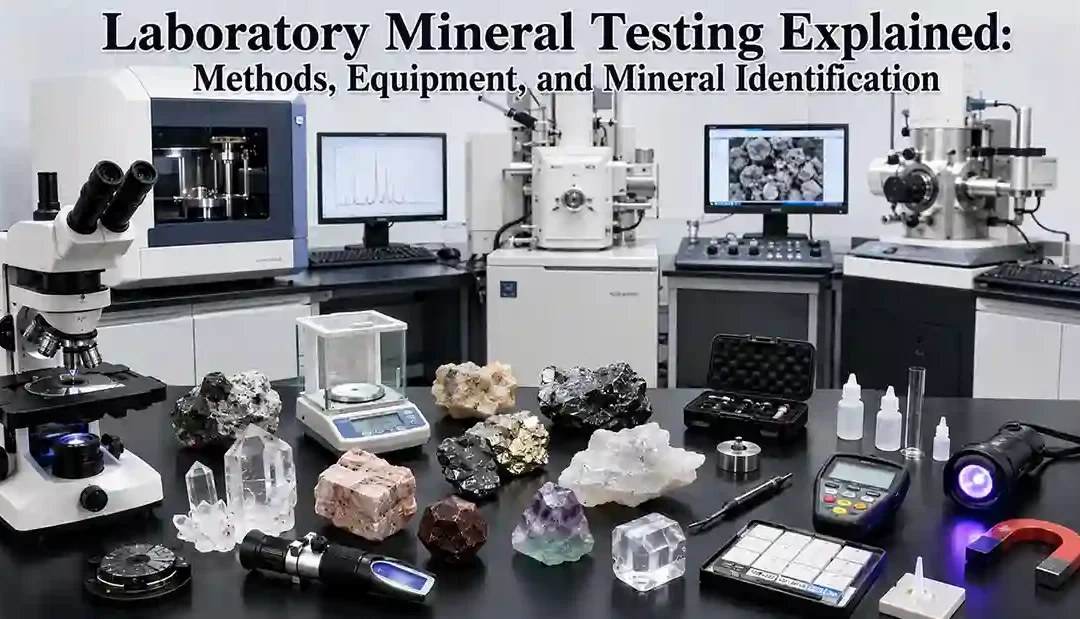 Laboratory mineral testing is the scientific process of identifying, analyzing, and characterizing minerals using specialized instruments and standardized testing methods. While field observations provide an initial understanding of a mineral specimen, laboratory...
