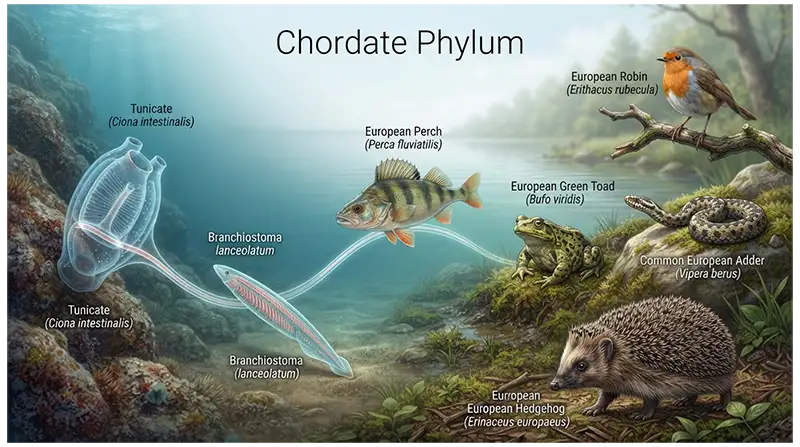
 Chordate Phylum includes a diverse group of animals that share a distinctive set of features during at least one stage of their development. These features include the notochord, dorsal hollow nerve cord, pharyngeal slits, endostyle or thyroid-related structure, and...
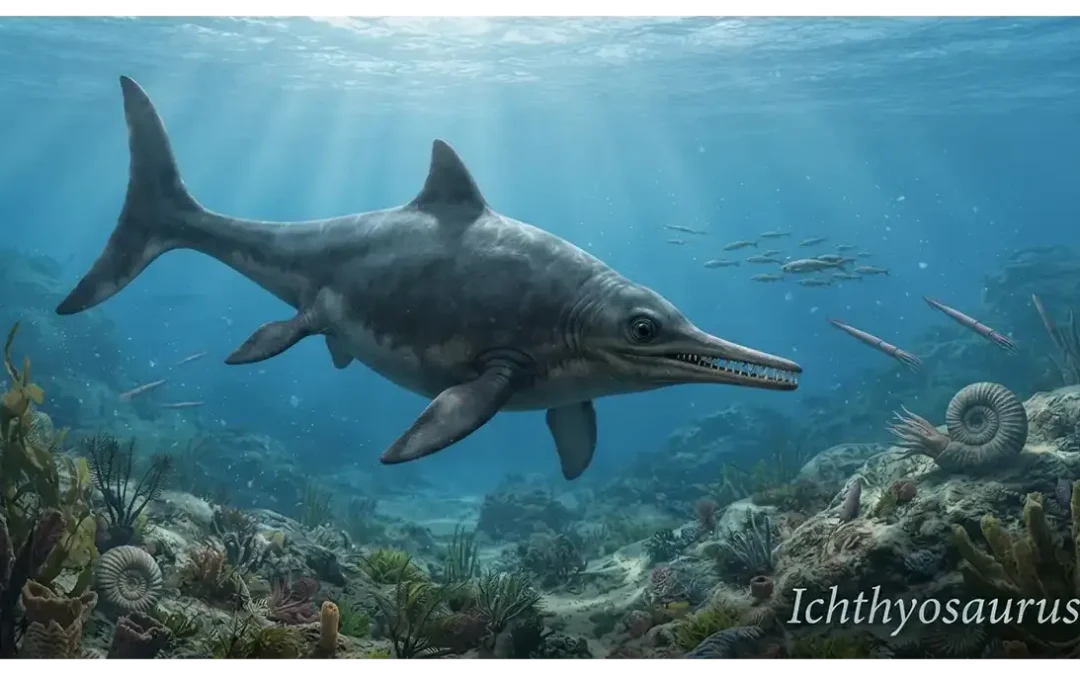 Ichthyosaurus was a marine reptile that lived in the oceans during the Mesozoic Era. Its streamlined body, large eyes, powerful tail, and paddle-like limbs made it highly adapted to life in the sea. Although Ichthyosaurus looked somewhat like a modern dolphin, it was...
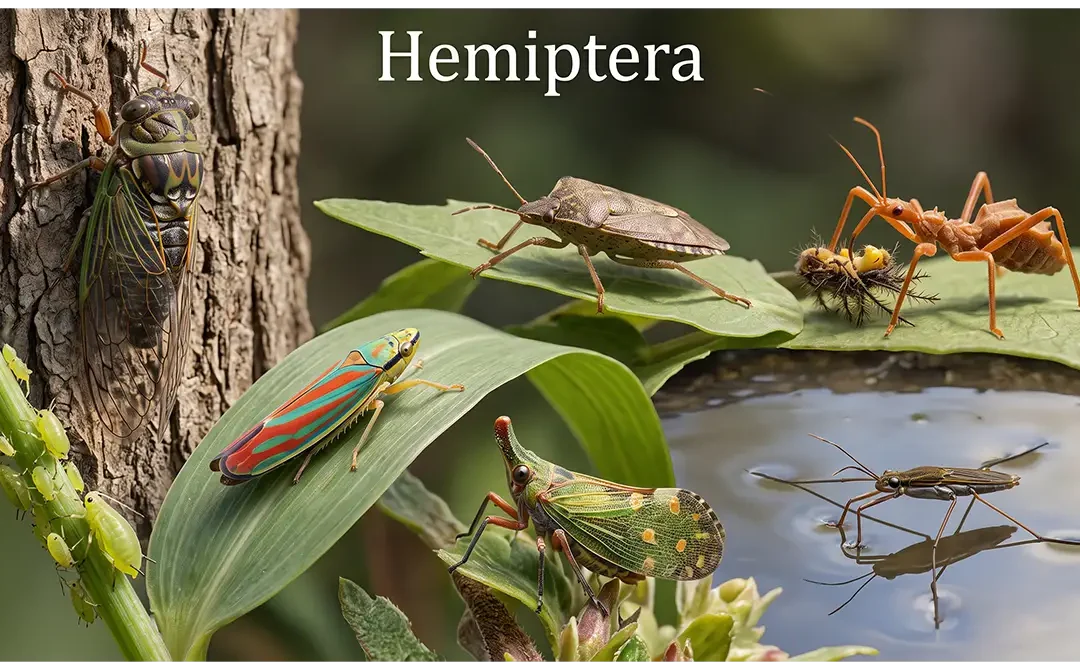 Hemiptera is a large and diverse order of insects that includes aphids, cicadas, leafhoppers, planthoppers, whiteflies, scale insects, and true bugs. They are best known for their specialized piercing and sucking mouthparts, which allow many species to feed on plant...
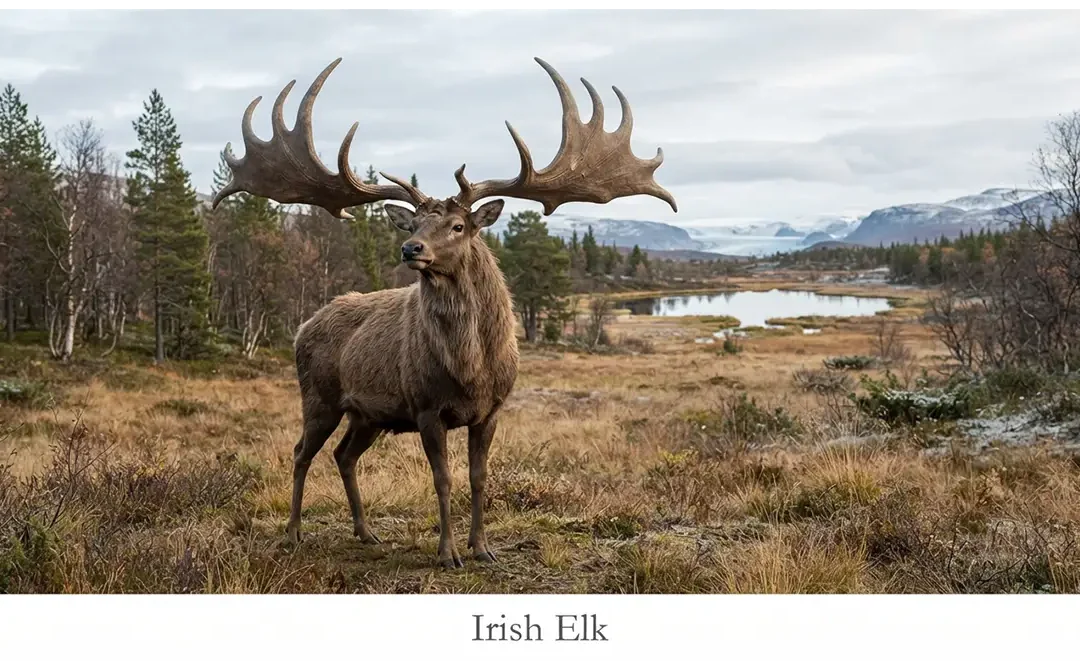 Irish Elk was the common name for Megaloceros giganteus, a giant deer that lived across parts of Europe and western Asia during the Late Pleistocene and early Holocene. Despite its name, it was not a true elk and was actually a member of the deer family. The animal is...
 Alfred Wegener was a German meteorologist and geophysicist best known for developing the scientific theory of continental drift. He argued that the continents were not permanently fixed in their present positions but had moved over geological time. His ideas were...
