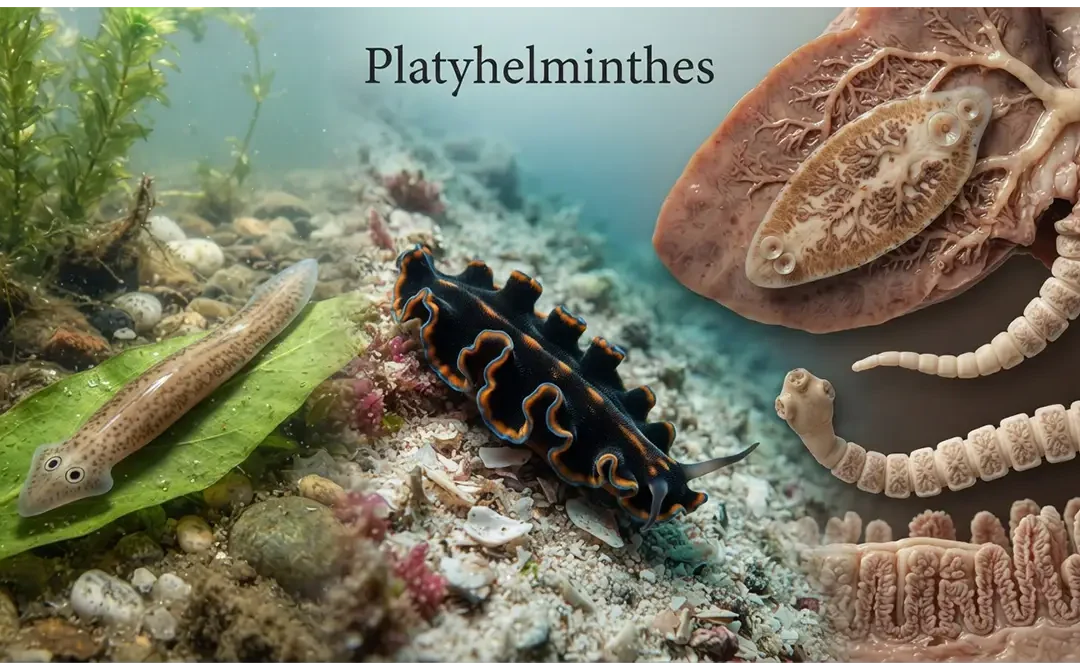
 Platyhelminthes are a group of soft-bodied animals commonly known as flatworms. They have flattened bodies and include both free-living species and parasites that live in or on other animals. Flatworms occur in marine and freshwater environments, moist soils, and the...
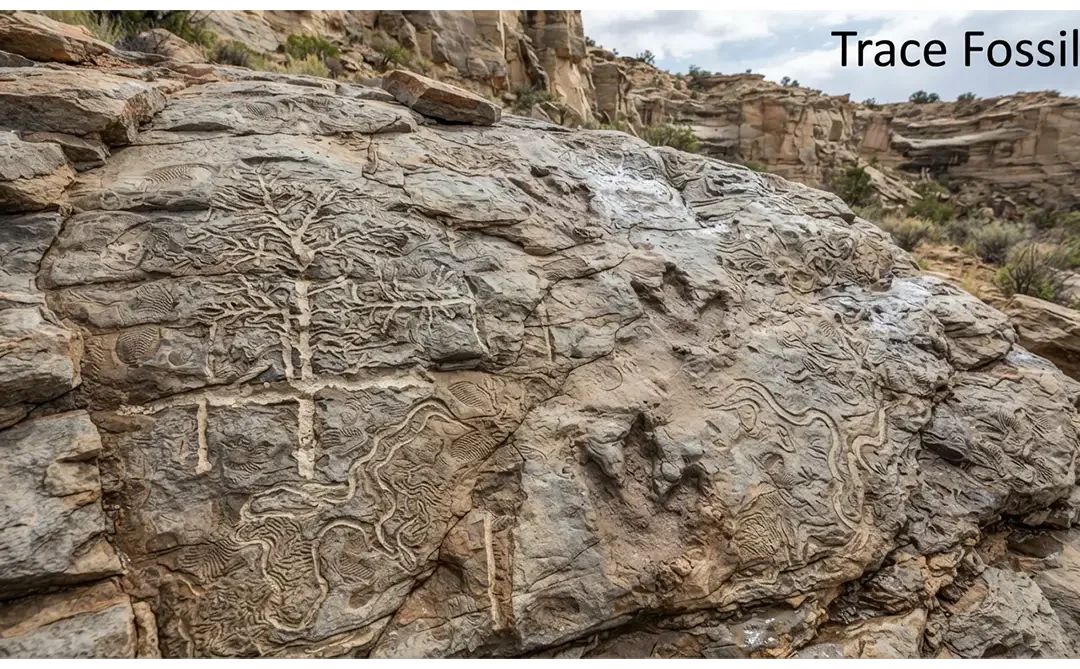 Trace fossils are preserved evidence of biological activity left behind by organisms in the geological past. Unlike body fossils, which preserve physical parts of an organism, trace fossils preserve structures produced while an organism was alive. Footprints,...
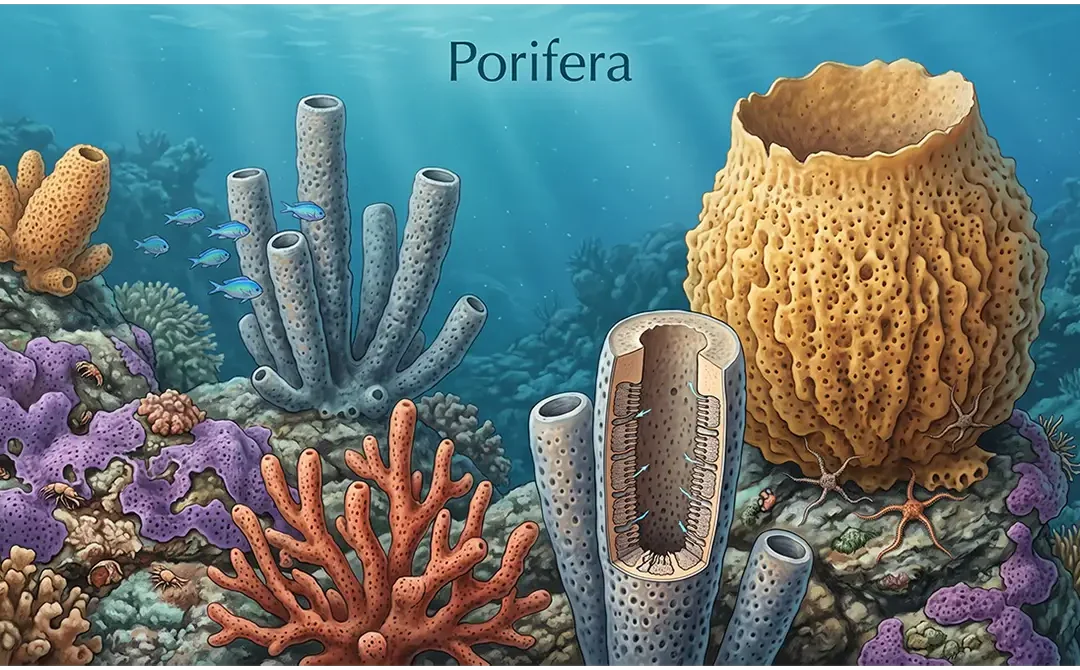 Porifera is a phylum of aquatic animals commonly known as sponges. They are among the simplest groups of living animals, but their biology is more complex than their appearance suggests. Sponges have specialized cells, organized water-flow systems, skeletal...
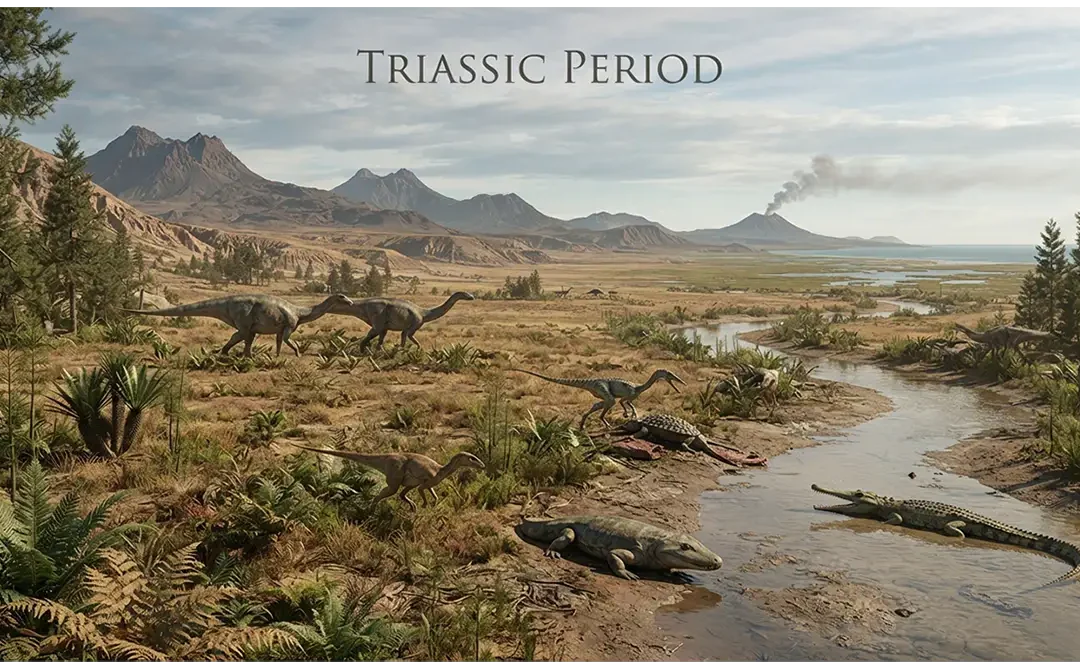 Triassic Period was the first period of the Mesozoic Era and a time of major recovery and evolutionary change after the devastating end-Permian mass extinction. During this period, ecosystems were rebuilt, Pangaea remained the dominant supercontinent, and many...
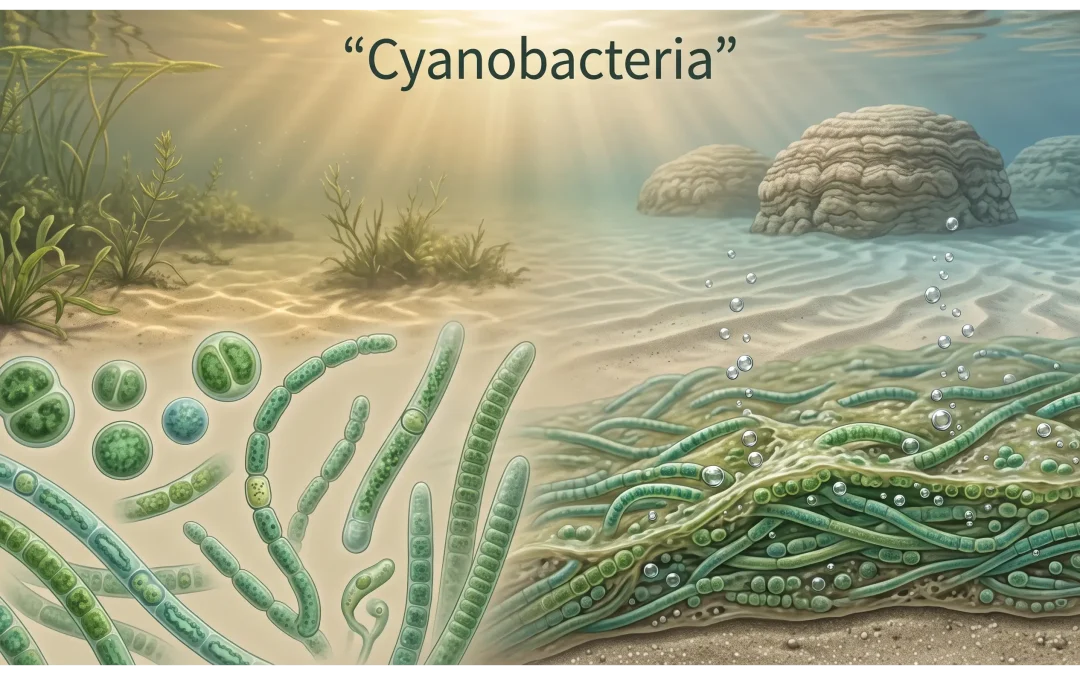 Cyanobacteria are ancient photosynthetic bacteria that have played a major role in Earth’s biological and geological history. They can capture sunlight, use carbon dioxide to build organic matter, and many species release oxygen as a product of photosynthesis....
